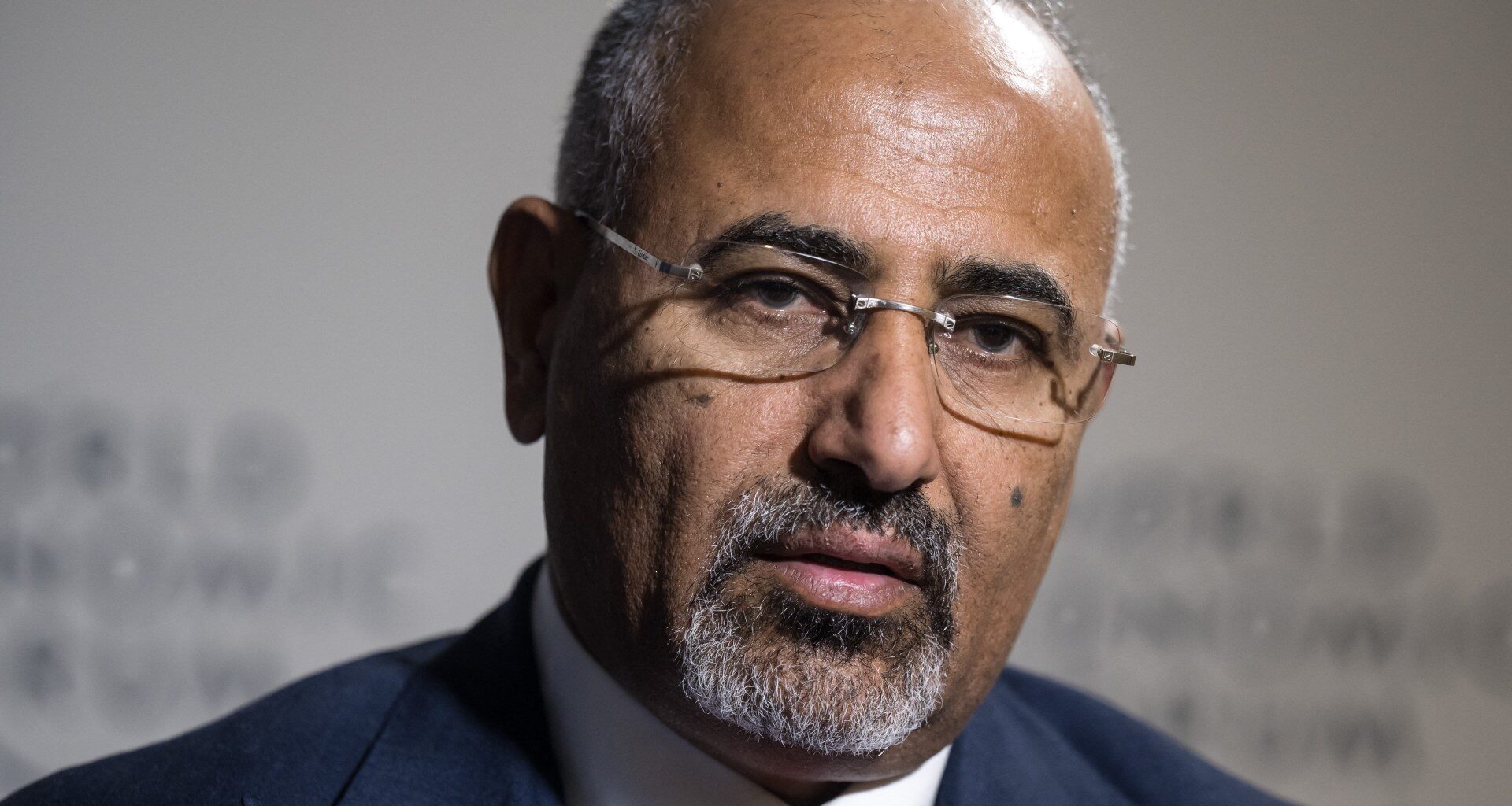
Secessionist leader took a boat to Berbera and then boarded a plane that flew to Abu Dhabi via Mogadishu, coalition says.
The Saudi Arabia-led coalition in Yemen has announced that the leader of the secessionist Southern Transitional Council (STC) has fled to the United Arab Emirates via Somaliland after skipping planned peace talks in Riyadh, accusing the UAE of smuggling him out out of the country.
In a statement on Thursday, the coalition said Aidarous al-Zubaidi “escaped in the dead of night” on Wednesday on board a vessel that departed Aden in Yemen for the port of Berbera in Somaliland.
Recommended Stories list of 4 itemsend of list
Al-Zubaidi then boarded a plane along with UAE officers and flew to Somalia’s capital, Mogadishu. “The plane turned off its identification systems over the Gulf of Oman, then turned it back on 10 minutes prior to arrival at Al Reef military airport in Abu Dhabi,” the statement said.
There was no immediate comment from the STC or the UAE.
If confirmed, the move could deepen the feud between Saudi Arabia and the UAE that came to light after the STC, which Riyadh says is backed by Abu Dhabi, launched an offensive against Saudi-backed Yemeni government troops in December.
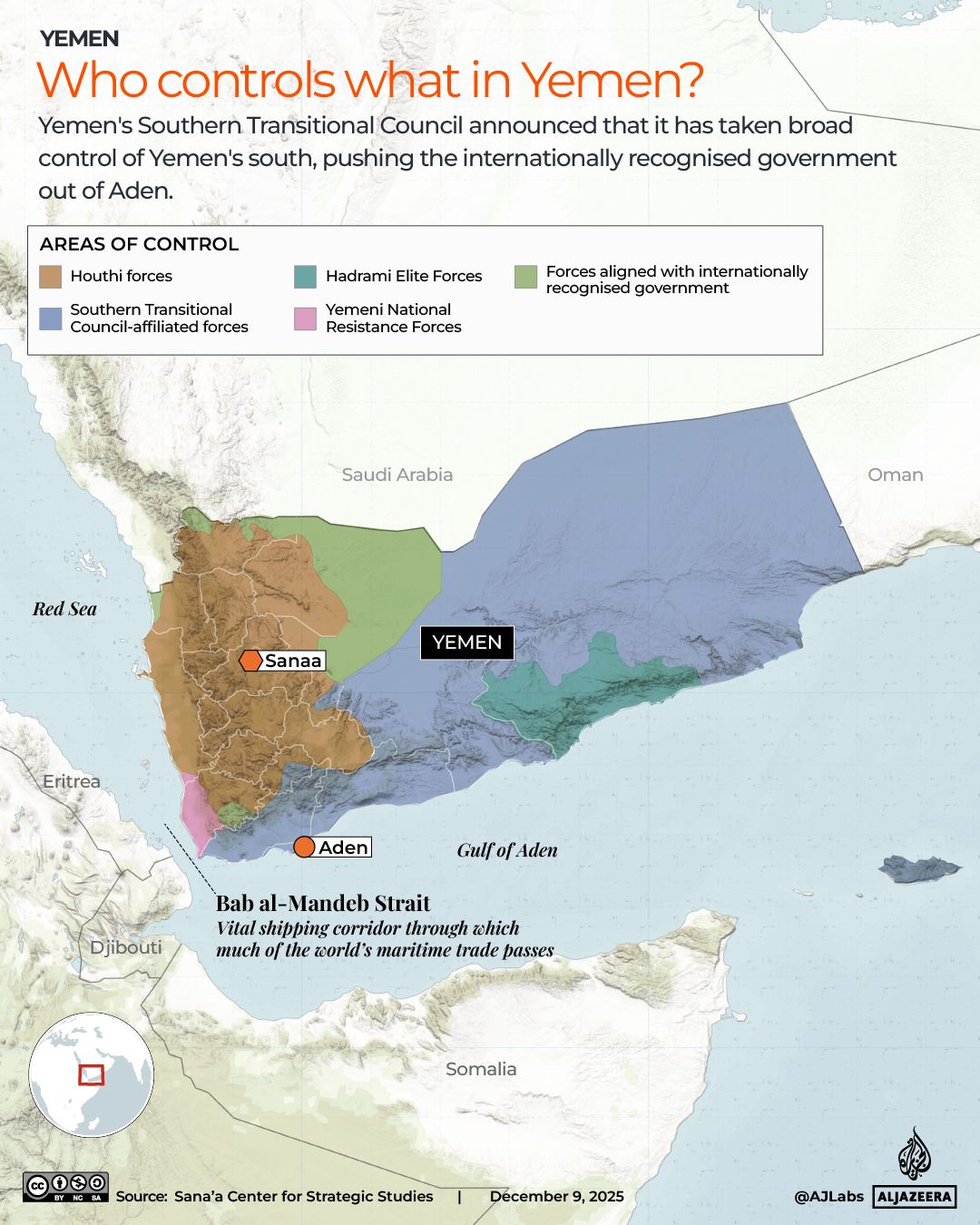
The STC – which initially supported Yemen’s internationally recognised government against the Houthi rebels in northern Yemen – is seeking an independent state in southern Yemen. It seized the provinces of Hadramout and Mahra, which border Saudi Arabia, in a campaign that Riyadh described as a red line for its national security.
The Saudi-led coalition responded with air strikes on the Yemeni port of Mukalla on December 30, targeting what it called a UAE-linked weapons shipment, and backed a call by Yemen’s internationally recognised government for Emirati forces to withdraw from the country.
For its part, Abu Dhabi denied that the shipment contained weapons and expressed a commitment to ensure Riyadh’s security. On the same day, it announced an end to what it called its “counterterrorism mission” in Yemen.
Yemeni government troops, backed by Saudi air attacks, went on to reclaim Hadramout and Mahra, and the STC said on Saturday that it would attend peace talks hosted by Riyadh.
But the coalition said al-Zubaidi was not on board the Yemeni Air flight that took the STC delegation to Riyadh on Wednesday.
It launched strikes on al-Zubaidi’s forces in Yemen’s Dhale governorate, while Yemeni government’s ground forces moved on the STC controlled Aden and seized the presidential palace in the city.
Al-Zubaidi ‘a fugitive’
The head of the internationally recognised government’s Presidential Leadership Council, Rashad al-Alimi, has meanwhile announced that al-Zubaidi has been removed from the council for “committing high treason”.
Al-Alimi said he has asked the country’s attorney general to launch an investigation against al-Zubaidi and take legal action.
The Saudi ambassador to Yemen, Mohammed Al-Jaber, posted a picture with 19 officials on Thursday, saying he met the STC delegation and discussed a conference on south Yemen to be held in Riyadh soon.
He said al-Zubaidi’s actions “harmed the Southern cause and did not serve it, and damaged the unity of the front in confronting the enemies”, referring to the Houthis.
Mohammed Al-Ghaith, a senior official of the STC who is part of the delegation in Riyadh, said on Thursday their delegation had held productive talks with the Saudi ambassador.
Al Jazeera correspondent Hashem Ahelbarra said that, having fled Yemen, al-Zubaidi was now out of the picture politically, as others within the STC were meeting the Saudis in Riyadh and would potentially take over as leaders of the movement.
“From a Saudi perspective, today he’s a fugitive,” said Ahelbarra.
“He had a chance to fly to Riyadh to negotiate a settlement. From now onwards, from a Saudi perspective, his era is over and that explains why some of his lieutenants are now in Riyadh, taking over as potential leaders.”
While only days ago, the STC had announced a move that it said would lead to an independent southern Yemeni state within years, “the idea of secession is no longer on the table”.
“Now the talk is about a federal system with one authority,” he said.