
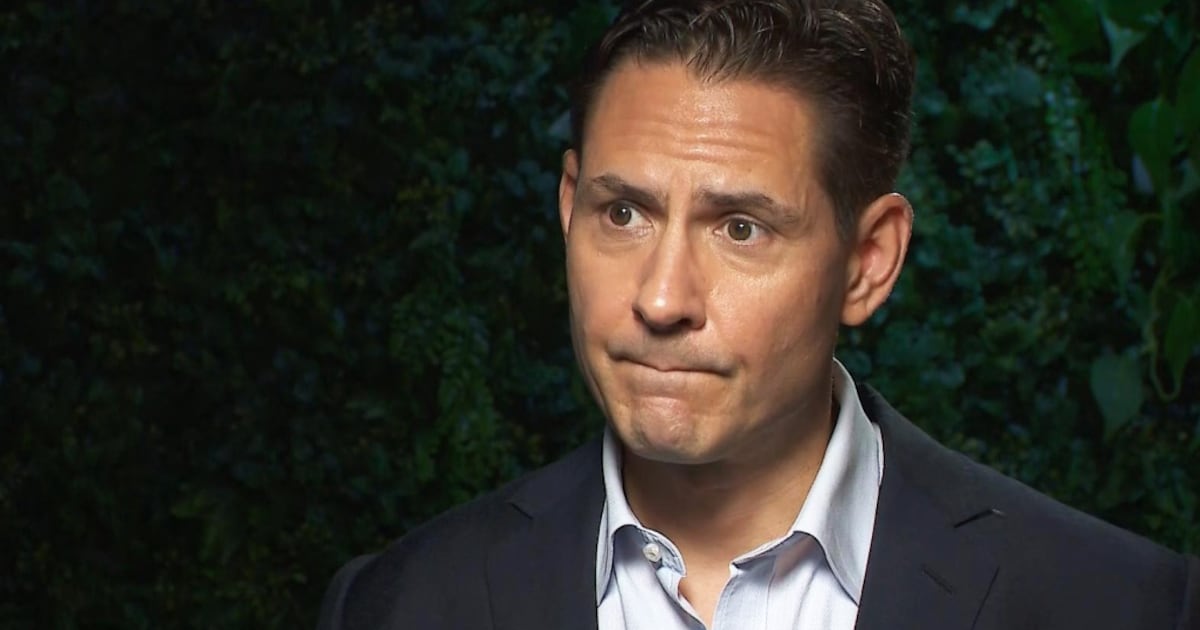
Former Canadian diplomat Michael Kovrig, who was held in China for nearly three years, says China is a ‘complicated challenge’ for Canada.
A former Canadian diplomat previously detained in China for nearly three years says Prime Minister Mark Carney’s upcoming visit to China is an important diplomatic move but warns that Canadian negotiators need to be cautious about Beijing’s ultimate motives.
“China is a very complicated challenge for Canada, even more so now, given all the challenges we have in dealing with the United States,” Michael Kovrig told CTV News Channel on Thursday.
“It takes really deft diplomacy to chart a course between those two giants.”
Kovrig’s comments came a day after the Prime Minister’s Office confirmed to CTV News that Carney will visit China from Jan. 13 to 17 to discuss energy, agriculture international security and trade between the two countries.
It will mark the first visit to China by a Canadian prime minster since 2017. “That alone signals a shift,” Kovrig said, “and I think it reflects Ottawa’s recognition that the relationship has been badly damaged, but that ignoring Beijing isn’t a workable long-term strategy.”
The relationship between Ottawa and Beijing has been fraught since 2018, after Canada arrested Huawei executive Meng Wanzhou on behalf of the U.S. over bank fraud charges.
Days later, China separately detained Kovrig and fellow Canadian Michael Spavor over allegations of espionage — accusations they denied. Both men were eventually released after spending more than 1,000 days in a Chinese prison, not long after Meng herself was released from house arrest.
Kovrig, a senior Asia adviser for the think tank International Crisis Group, says the planned meeting also signals a shift in Beijing’s attitude toward relations with Canada.
“It reflects, I think, a recognition on the Chinese side, particularly, that it’s not in their interests to keep Canada frozen out either,” he said.
“This is a restoration of top-level diplomacy and a reopening of senior level dialogs, but that doesn’t mean that trust is being restored, it’s just rebuilding channels so that Canada and China can try to resolve differences diplomatically.”
China is also interested in the optics of an official meeting with Canadian leaders, Kovrig said, as Beijing remains embroiled in a tense trading conflict with the U.S.
“More practically, China wants to expand trade, particularly to get market access to Canada for its manufacturing goods, it’s looking to source energy and minerals and agricultural products and natural resources,” he explained.
“But geopolitically, that’s where things get sticky.”
Kovrig warned that another reason China may be looking to reopen a diplomatic dialogue with Canada is to essentially drive a wedge between Ottawa and Washington, creating a more divided western world that Beijing can take advantage of.
“It wants to demonstrate to the United States that it has influence on Canada, and it wants to try to weaken the bonds between western allies,” he argued.
Kovrig said that Canadian negotiators need to be aware of those potential ulterior motives going into discussions with Chinese officials.
“I think Canada needs to have a very clear understanding of what China wants, and to have careful tactics and strategies to avoid being manipulated or painted into a corner by the Chinese,” he said.
“(Canada) has to be careful not to want too much in economic relations and to be patient about it, so I think that the baseline objective is to stabilize a fraught relationship without appearing naive or subordinate.”
Kovrig also said that any discussions between Ottawa and Beijing should be had with the understanding that there are realistic limits to what a relationship can look like as long as the Chinese communist regime is in power.
“There are guardrails and strict boundaries about what is really possible in a China-Canada relationship,” he said, “given that China and Canada really have diametrically opposed interests in a whole range of areas.”
With files from CTV News’ Spencer Van Dyk