

The competition
The Poco M8 Pro launches at £299 or €349 for the 8GB/256GB configuration, while the 12GB/512GB variant costs £349 or €399. An early-bird promotion lowers the prices to £259 or €309 for the base model and £299 or €359 for the higher-tier version.
Despite being a rebadged Redmi Note 15 Pro+, the Poco undercuts its sibling by a wide margin. The Redmi currently sells for £429/€500 for the 8GB/256GB version and £479/€550 for the 12GB/512GB version. Not to mention, the Redmi Note 15 series is not even available via Xiaomi’s own stores in the EU and only through third-party retailers, while the Poco M8 Pro can be obtained directly from the company’s official channels.
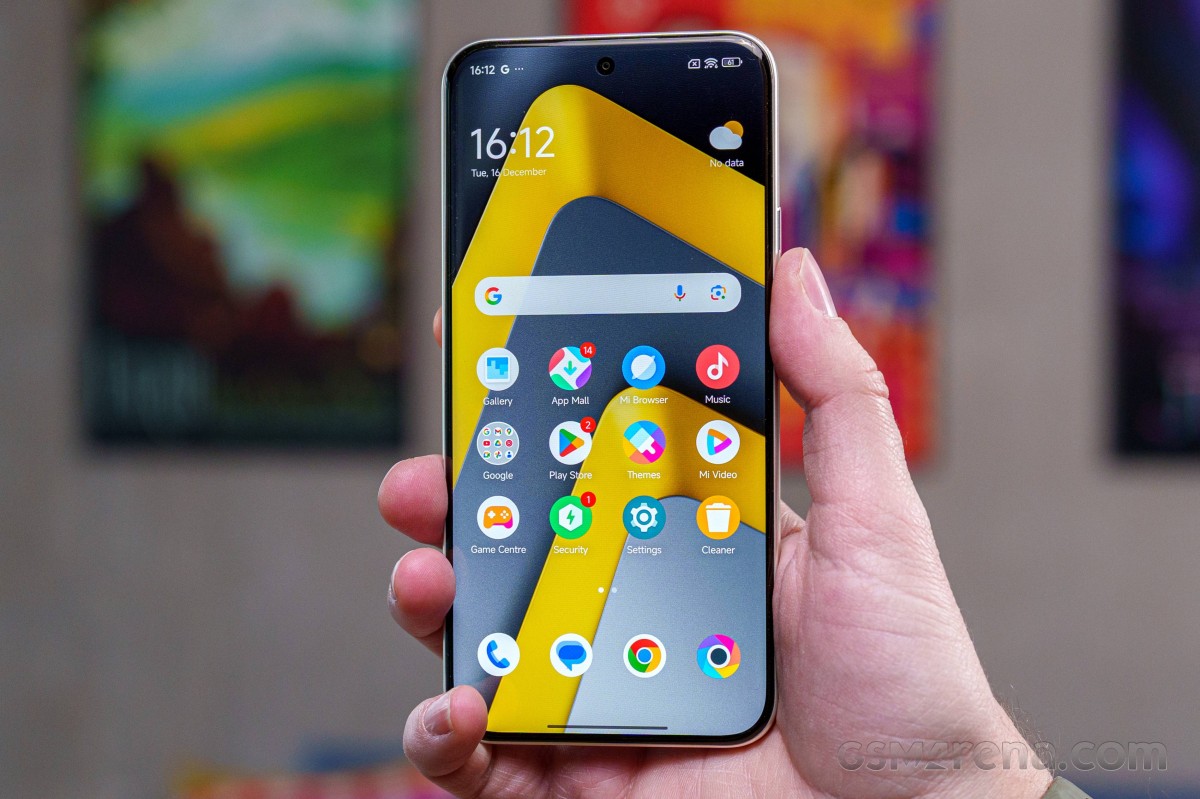
This aggressive pricing places the M8 Pro in a more realistic segment, one it occupies far more comfortably than its pricier twin.
The first obvious alternative is the Samsung Galaxy A56. It offers a more versatile camera system and stronger overall performance, but falls behind in display quality and battery endurance.
The Motorola Edge 60 Pro has dropped to around €350 and represents a much tougher challenge. It delivers a superior camera setup with a high-quality ultrawide and macro camera, a 3x telephoto, and a 50MP selfie shooter. It is also more powerful, more durable, and offers longer battery life, making it a more compelling option overall.
The recently launched Realme 16 Pro+ competes in select markets. It matches the Poco in display and performance, but pulls ahead with a larger battery, a better selfie camera, and a dedicated 50MP 3.5x telephoto unit.
Finally, Poco faces serious competition from within its own lineup. The Poco X7 Pro is difficult to ignore. It runs on the Dimensity 8400 Ultra chipset, delivering near-flagship performance. The X7 Pro offers a comparable display and camera setup, an equally large battery, and fast charging. For users prioritizing gaming and raw performance, it remains the more sensible choice.




Samsung Galaxy A56 • Motorola Edge 60 Pro • Realme 16 Pro+ • Xiaomi Poco X7 Pro
Our verdict
One thing became clear during the review of the Poco M8 Pro. It brings the Redmi Note 15 Pro+ level hardware into a lower price bracket, where it feels more coherent and considerably more competitive. It even raises the question of whether Xiaomi has deliberately priced the Redmi Note 15 Pro+ aggressively high to make the Poco M8 Pro appear like the better value by comparison.
The phone offers a solid and durable build, a well-specced OLED display, impressive battery life, and very fast charging. The stereo speakers are notably loud, while chipet performance is adequate for the class, even if it does not stand out.
Camera expectations were modest, yet the supposedly downgraded main camera proved more capable than anticipated, delivering reliable results in both daylight and low-light conditions. The ultrawide and selfie cameras, however, remain unremarkable.
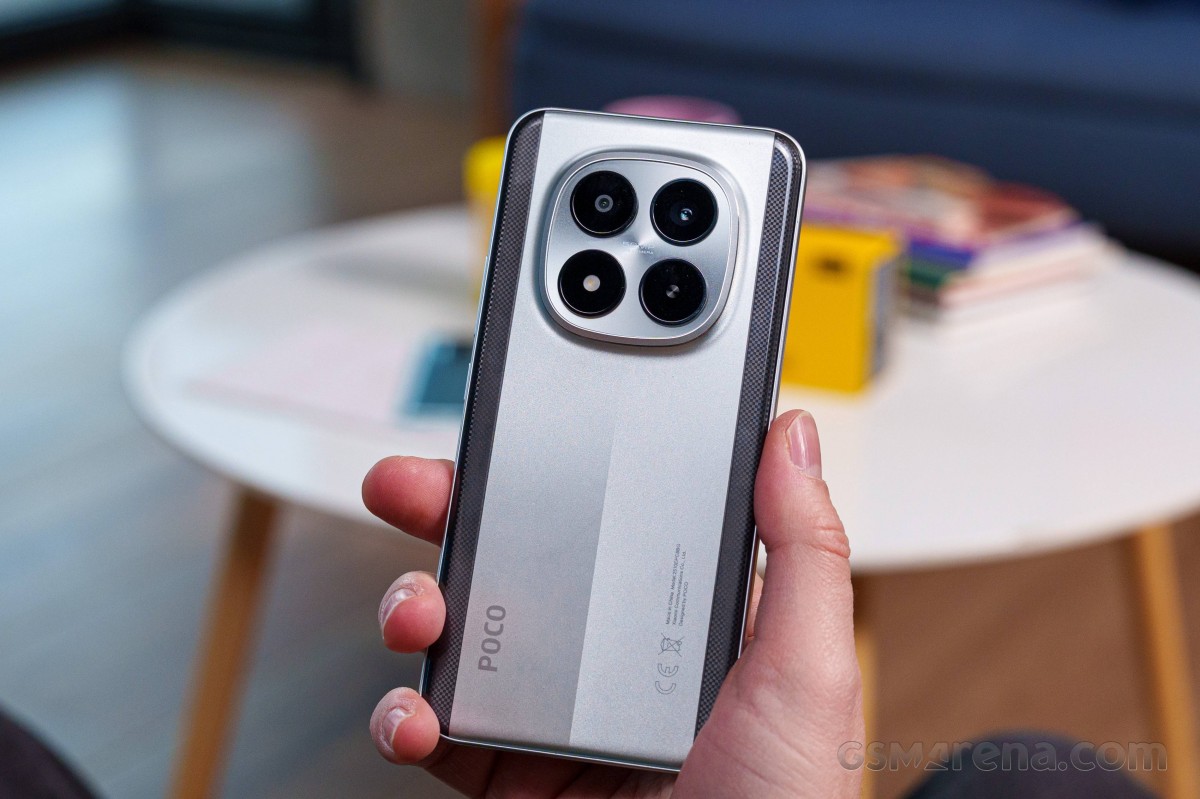
The most persistent issue throughout the review was the aggressive bloatware. Numerous preinstalled apps, including system apps, generated frequent notifications with limited options to fully disable them. While most of the bloat can be removed, the experience remains intrusive and is likely to frustrate users over time.
Overall, the Poco M8 Pro is a strong device at a sensible price. It would have been an easy recommendation if not for the intrusive ads and the presence of the Poco X7 Pro in Poco’s own lineup. As it stands, it is worth considering, but not without reservations.
Pros
Durable design.
Bright OLED, high-res, Dolby Vision.
Very good battery life, fast to charge.
Good speakers, which can get loud too.
Very good photos and videos from the main camera.
Decent performance.
Cons
The microSD slot is gone.
Plagued with ads.
Mediocre ultrawide and selfie cameras.
Doesn’t launch with the latest Android 16/HyperOS 3.