
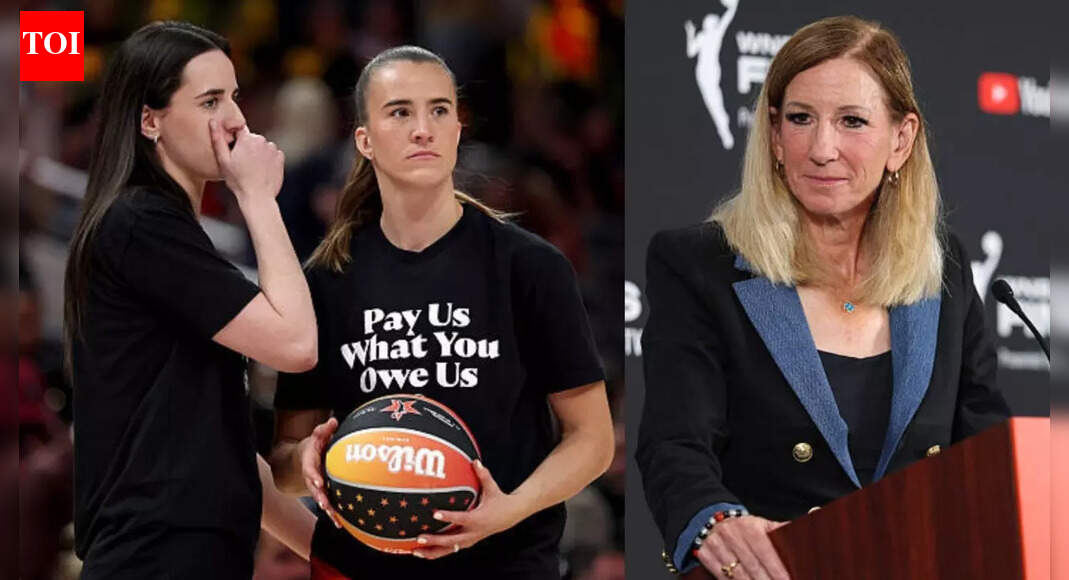
 WNBA and WNBPA at an impasse after missing CBA deadline (Image via Getty) The WNBA stands at a historic crossroads as the Friday deadline for a new Collective Bargaining Agreement (CBA) passed without an official deal. For the first time in the league’s thirty-year history, the players and owners are locked in a high-stakes standoff that has effectively frozen the 2026 off-season. While fans were expecting a flurry of free-agency signings, the league is instead navigating a moratorium period as negotiators haggle over the most lucrative revenue-sharing model since the league’s inception. This isn’t just a dispute over base pay; it is a battle for the soul of the new”WNBA, a league that has seen a 170% increase in viewership over the last year.
Revenue and the “Caitlin Clark” surge
The primary friction point involves how the league defines its basketball-related income. Under the previous CBA, players were largely shut out of a true 50/50 revenue split, a standard feature in the NBA. However, with the recent $2.2 billion media rights deal and the massive influx of sponsorships driven by the arrival of stars like Caitlin Clark and Angel Reese, the Players Association (WNBPA) is demanding a seat at the table.The union, after failing to reach a conclusion with WNBA, released a statement accusing the league of “remaining committed to undervaluing player contributions, dismissing player concerns, and running out of clock.” The union also said, “In the face of the league and team’s actions, the players remain undeterred, unafraid and unwavering in their commitment to doing what is necessary to secure a transformational new CBA.” They ended the states with. “Pay equity is not optional and progress is long overdue.”While the WNBA also released a statement addressing the missed deadline and called it “ongoing.” Players are pushing for a model where their salaries rise with the league’s soaring profits. They proposed to seek 30% of gross revenue and a salary cap jump to $10.5 million, a massive leap from what the league proposed. The union’s argument is straightforward: the league is no longer a charity project of the NBA, but a self-sustaining powerhouse.
The moratorium and free agency limbo
With the deadline missed, the league has entered a state of suspension. As per the schedule, January should have been the month of trades and free-agent signings, yet what dominates the discussions is CBA negotiations. As a result, a moratorium has been established, preventing teams from officially signing new contracts until the CBA framework is finalized. This delay is definitely a nightmare for the league from a logistical point of view, but the players believe fighting for foundational rights is worth the disruption. Also read: The top 5 most expensive contracts in WNBA right now: Kelsey Mitchell, Jackie Young, and more