
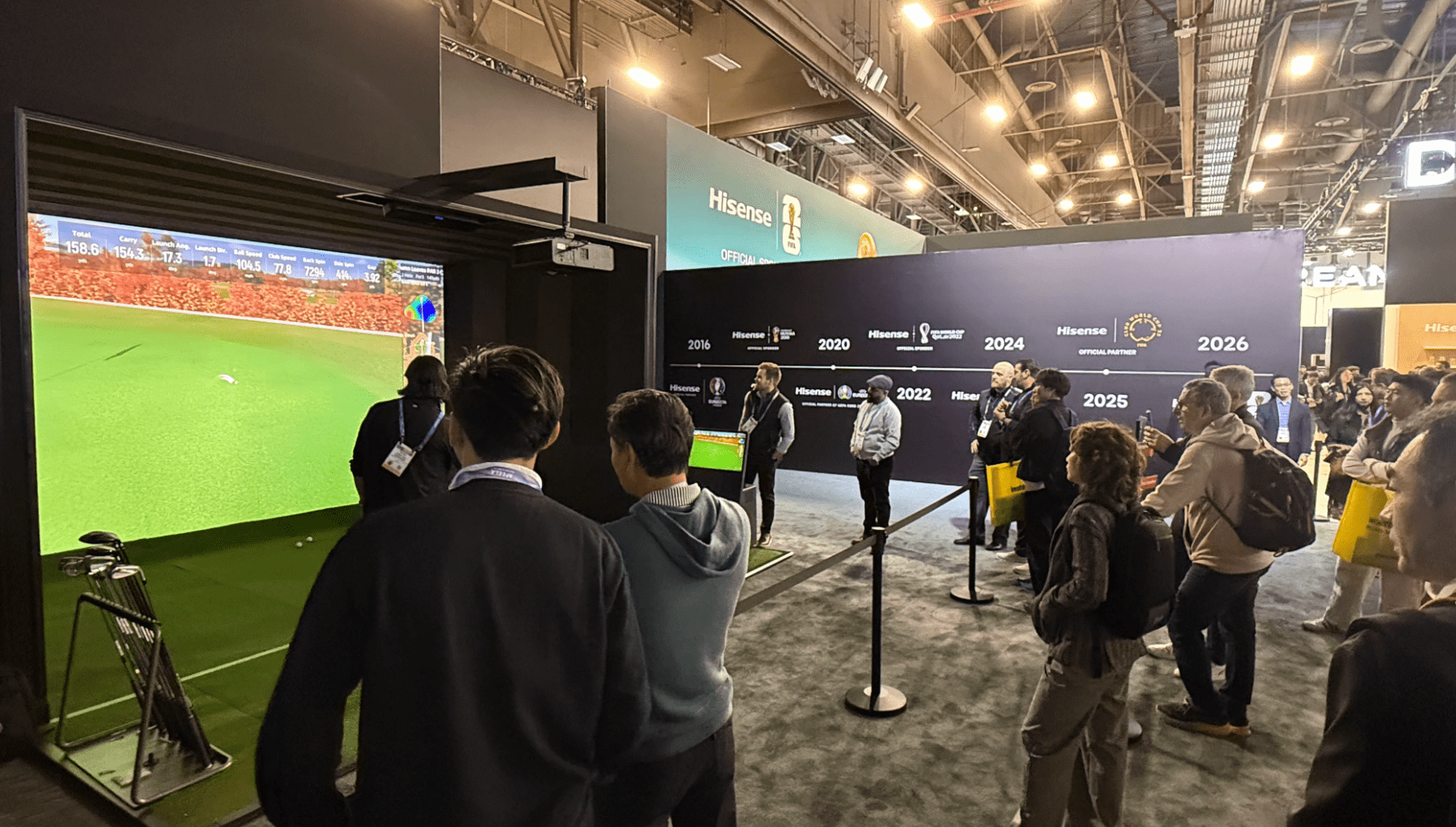
Last week I played golf on one of the most famous courses in the world — Pebble Beach. There was plenty of light, big crowds, and a buzz in the air, even though the weather was cold. But there was one major difference: my tee time wasn’t on the California coast. Instead, it was on the Hisense stand at CES 2026, using one of the company’s latest laser projectors, professional golf software, and a full-size simulator screen.
Golf simulation has been steadily gaining momentum, with companies such as BenQ already selling dedicated golf projectors and screens. This leisure category is now widely tipped to take off as consumers build permanent rigs in basements, spare rooms, and garages — bringing premium golf experiences into the home.
The first thing that impressed me was the excellent image quality of the Hisense projectors on their stand.
Standing three to four metres back with a club in hand, the course looked crystal clear. Pebble Beach felt immersive and realistic, even under the bright lighting of a busy CES exhibition hall — a real test for any projector-based system.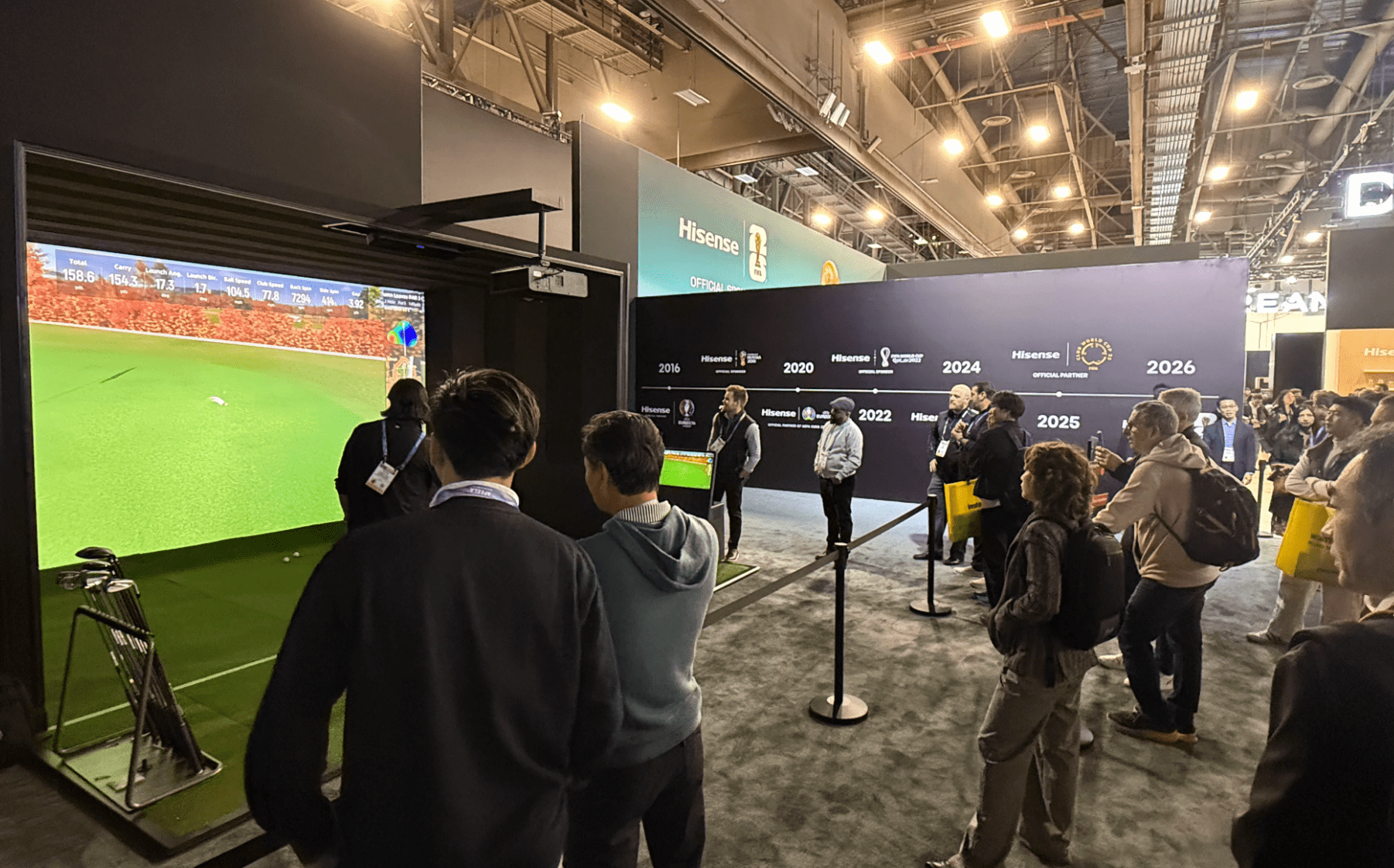
As a concept, this setup is slick, professional, and surprisingly accessible. When you compare the cost to joining a golf club or paying up to $100 for a single round of 18 holes, the value proposition becomes obvious — especially for frequent players or families.
Hisense, a Chinese company best known globally for its televisions — particularly its very large-format TVs — has a unique competitive edge in projector technology, especially laser projection. That expertise translates extremely well into golf simulation.
Among the Hisense projector models suited for golf simulators is the Hisense C2 Ultra (C2UK-ULTRA). This projector delivers 4K resolution, a laser light source, up to a massive 300-inch screen size, and 3,000 lumens of brightness. It also supports IMAX Enhanced, HDR10, HDR10+, and Dolby Vision — all of which help produce a sharp, high-contrast image with excellent colour depth.
For more advanced installations, Hisense has the newly announced XR10 laser projector, revealed ahead of CES 2026. This is a serious piece of kit, delivering up to 6,000 ANSI lumens and supporting screen sizes from 65 inches all the way to 300 inches. With advanced laser optics and lens-shift capabilities, it’s particularly well suited to large screens and high-performance golf simulator environments.
One obvious use case is a garage conversion, where the back wall becomes the impact screen — a clean and practical setup that doesn’t require a dedicated room.
At CES, Hisense management highlighted several key considerations for anyone building a golf simulator. Brightness is critical: golf impact screens reflect light less efficiently than traditional home theatre screens. Hisense recommends a minimum of 3,000 ANSI lumens, with 4,000 lumens or more ideal for brighter rooms.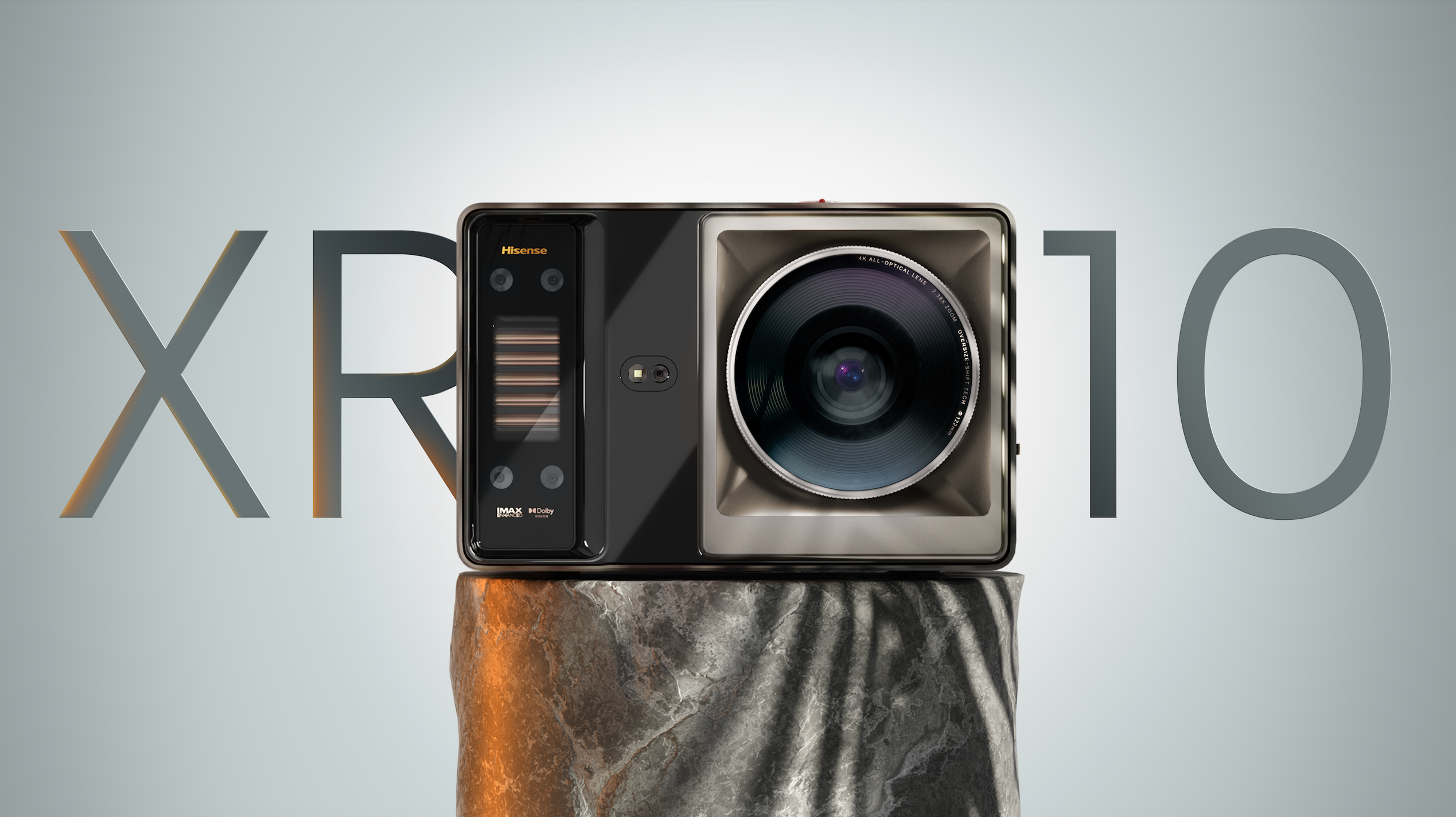
Most golf simulators also benefit from short-throw projectors, typically positioned 2.5 to 3.5 metres from the screen. This helps avoid shadows, keeps the ball safely out of the light beam, and improves overall image consistency. Being too close can introduce shadow issues, while 4K resolution is essential for realism and immersion.
Even in the bright, well-lit CES hall, the image clarity was outstanding — reinforcing just how important brightness and resolution are to the experience.
The final piece of the puzzle was the simulator software and system integration, which was provided by GofJoy.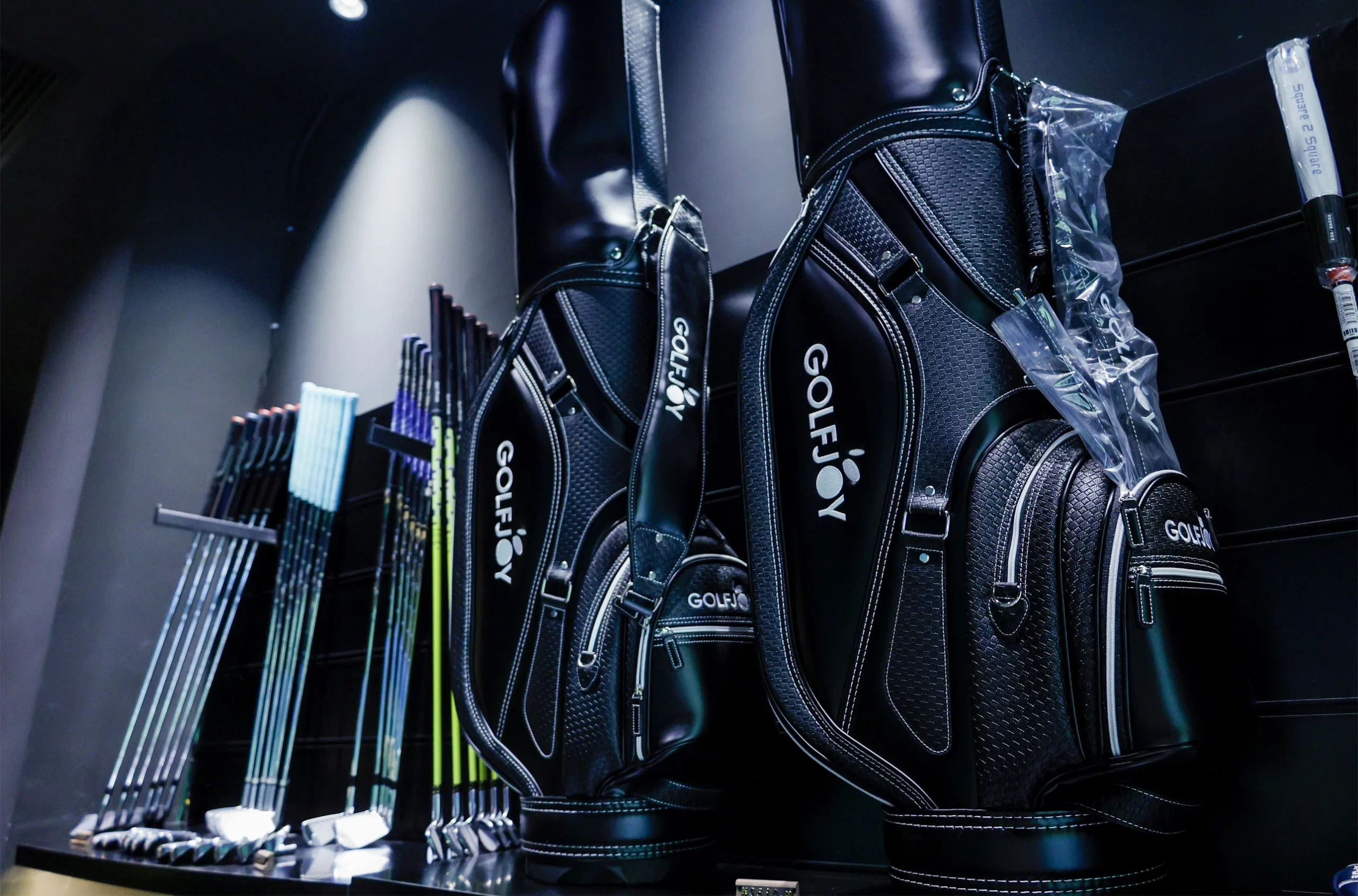
GofJoy delivers a comprehensive golf simulation platform that brings everything together. Their system includes realistic simulator software, detailed virtual courses, advanced practice and training modes, swing tracking, and a polished user interface module. The experience feels intuitive and responsive, whether you’re playing a full round or working on specific aspects of your game.
What stands out about GofJoy is how well their software integrates with high-end projection hardware. The visuals, tracking data, and gameplay work seamlessly together, creating a professional-grade experience that feels equally suited to serious golfers, commercial venues, or high-end home installations.
Taken together, the combination of Hisense’s laser projection technology and GofJoy’s simulator platform shows just how far home and commercial golf simulation has come — and why this category is poised for rapid growth in the years ahead.