
It was a deal reached just in time for the holidays, averting the threat of multiple medical clinic closures and the departure of hundreds of doctors from the health system.
But as the dust settles on the agreement between the Quebec government and family doctors, the initial relief is giving way to sharp questions about who actually stands to gain.
While some clinics have paused plans to shut down, health policy experts are warning that the government’s concessions on their proposed health reform under Bill 2 could come at the expense of taxpayers — and patients.
“I don’t think we can say that patients are winning because we’re basically keeping the status quo,” said Olivier Jacques, a professor at the Université de Montréal’s school of public health who followed the negotiations closely.
Prof. Erin Strumpf, a health economist at McGill University, also believes little has changed under the new deal and access to primary care is likely to remain a challenge for Quebecers.
“It became a sort of an arm wrestling match between the heads of the physicians’ unions and certain members of the government,” Strumpf said. “And I just keep asking, ‘who’s out there planning and speaking on behalf of the Quebec public?’”
Doctors mobilized fiercely against the changes, holding rallies and capturing headlines with warnings of a doctor exodus. In contrast, the Coalition Avenir Québec (CAQ) government did a poor job of communicating the benefits of its reforms, effectively losing the battle for public opinion, Jacques said.
 Thousands of doctors attended a rally at the Bell Centre in Montreal in November. (Graham Hughes/The Canadian Press)The cost of peace
The deal, ratified overwhelmingly by doctors in December, amounted to a retreat for the government’s proposed reforms.
Gone are the financial penalties linked to not meeting performance quotas, the “colour-coded” system for tracking patient vulnerability and the ban on doctors taking “concerted action.”
Instead, the government accepted a plan based on incentives. The new target is for doctors to register 500,000 new patients — including 180,000 vulnerable ones — by June 2026. (The government had originally promised to provide access to the 1.5 million Quebecers who don’t have a family doctor.) The deal also improves funding for telemedicine.
The price tag is steep. The agreement includes a 14.5 per cent increase in total remuneration, at a cost of $435 million.
It also shifts the payment model toward “capitation,” where 50 per cent of a doctor’s income is based on the number of patients on their roster rather than strictly fee-for-service.
The group that represents family doctors, the Fédération des médecins omnipraticiens du Québec (FMOQ), said the agreement is a “clear commitment to transforming front-line care.”
“Family physicians will be able to continue practising high-quality family medicine and focus on what they do best: caring for patients in Quebec,” the FMOQ said in a statement last month.
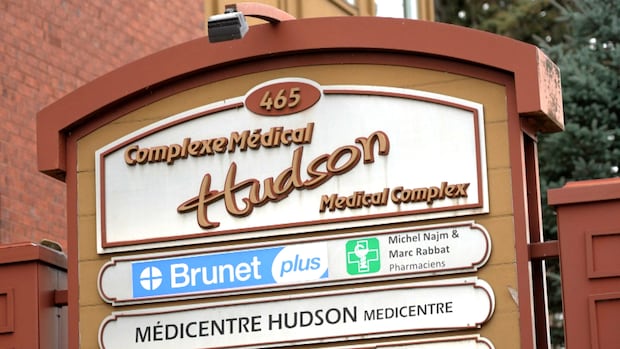
Some Montreal-area clinics say they may not close after all amid changes to doctor pay law
After Quebec’s controversial Bill 2 led to some clinics threatening or planning to close, and others dealing with doctors leaving, some now say they’re reconsidering after the government agreed to both delay and significantly amend the law.Clinics breathe a sigh of relief
On the ground, the immediate impact has been the survival of clinics that had threatened to close.
The Tiny Tots pediatric clinic in Montreal’s Côte-des-Neiges had been set to shut its doors at the start of 2026. Spokesperson Oren Sebag says the facility has now found a way to stay open.
“I think for now, we’re cautiously optimistic,” Sebag said. “As long as it’s been kind of put on hold, we’re continuing to serve the residents and our families that have been trusting us for a long time.”
Georges Zaarour, head of District Medical in Ahuntsic, which lost nine doctors last year during the height of the uncertainty, says the atmosphere has noticeably improved.
“We’re back to focusing on our patients and on the services that we’re providing them rather than focusing on, ‘what’s my next career move?’” Zaarour said.
Political casualties
The concessions were significant enough to spark a political exit at the highest level.
Former Health Minister Christian Dubé, the architect of the original version of Bill 2, resigned from cabinet and left the CAQ caucus shortly after the deal was announced.
In his resignation letter, Dubé signalled he was upset with the way the government had backed off its reforms.
Premier François Legault championed the deal, framing it as a necessary compromise. Legault said the remuneration revision would be a major change.
He said “it would truly be a win-win-win: a win for the doctors, a win for the government, and then, most importantly, a win for the patients.”
Details still to be worked out
While the province still needs to reach a deal with medical specialists, the CAQ government has said the reworked deal could be in place by the end of February.
If adopted, the addition of a capitation system would help modernize how doctors are compensated, bringing it more closely in line with other provinces such as Ontario and New Brunswick.
“I think it opens up more opportunities and potentially more points of access,” Strumpf said.
Doing so would create a financial framework that finally allows doctors to delegate tasks to nurses and pharmacists without losing income, said Jacques.
But he said it’s too early to say if that will happen. “It’s not clear what the capitation formula is going to be,” he said. “If the government may cave in again on this front, which then would mean that basically no change has been made and the system will stay the same.”
Ultimately, the outcome will be more clear if and when the final agreement is made law.
It remains to be seen if the government’s bet on incentives will deliver the “win-win-win” results Legault promised, or if, as the critics fear, the province has simply paid a premium to maintain the status quo.