
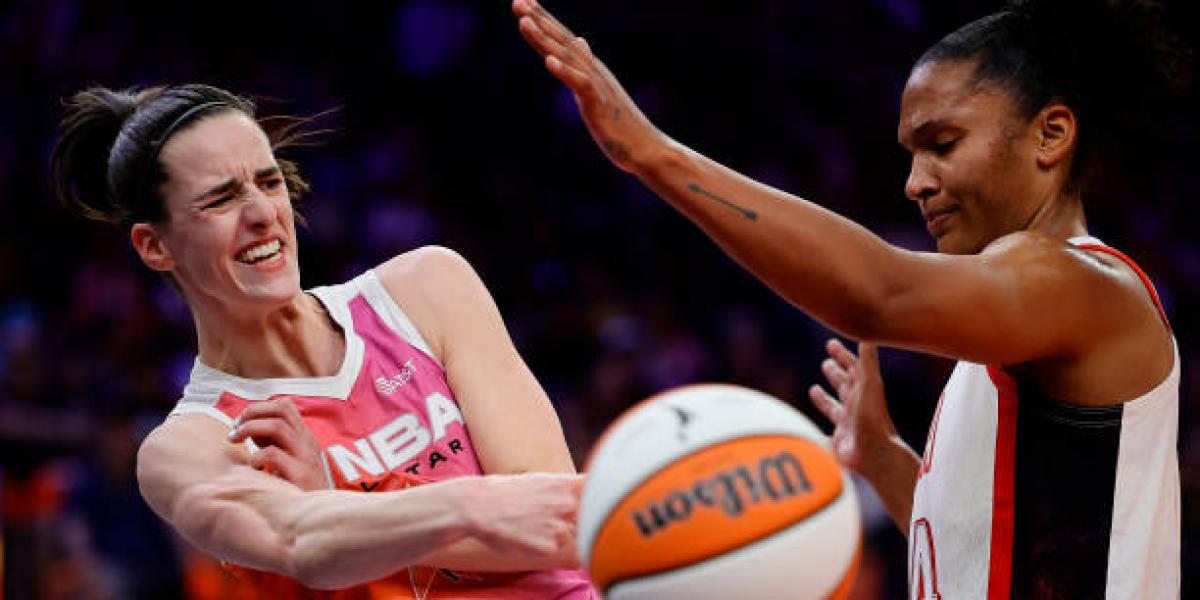
The WNBA and the players’ union remain at an impasse. The Women’s National Basketball Association and the Women’s National Basketball Players Association (WNBPA) have yet to finalize a new collective bargaining agreement after a year of intense negotiations, rejected proposals, and a growing threat of a lockout, according to Reuters.
The previous extension expired on January 9, and with no mutually acceptable deal in place, the parties have entered a moratorium of unspecified length.
During this period, both sides are operating under a “status quo” framework, meaning the terms of the prior agreement remain in effect. The WNBA said in a statement that negotiations are “ongoing” with the players’ union.
This new phase of talks prevents WNBA franchises from issuing qualifying offers or “core designations” to players, as well as from negotiating with or signing free agents, until an agreement is reached and the new collective bargaining agreement takes effect.
In its most recent proposal, the WNBA suggested that total compensation for maximum-salary players could exceed $1.2 million when revenue sharing is included, an increase from the league’s previous offer that placed max salaries around $1.1 million.
The league also proposed a revenue-sharing model that would grant players 50% of a specific revenue metric that would not include all league income and would deduct certain expenses.
Under that structure, players would receive less than 15% of the league’s total revenues, which is why the proposal failed to gain approval from the players and the union.
The players’ main grievance centers on the limited share of revenue they receive from a league that continues to grow rapidly.
Base salaries still hover around $75,000, with some stars barely surpassing $250,000 per year; figures that are well below those of their male counterparts and represent roughly 9% to 25% of what the league generates.
The stalemate has become so entrenched that even NBA commissioner Adam Silver has offered to step in to help break the deadlock, saying that “we are available to do whatever is necessary to get a deal done.”