
The rent cap for 2026 was set at 2.1 per cent but there are some exemptions for buildings constructed after November 2018.
As of Jan. 1, Ontario landlords were able to charge an increase on rent for most buildings in the province, with this year’s rent cap guideline set at 2.1 per cent.
However, there are some exemptions to the cap, such as buildings constructed after Nov. 15, 2018, and also for those living in retirement residences.
Companies that operate retirement homes can raise rent by any amount as there is no cap on how much they can charge for total monthly fees of rent and care services combined.
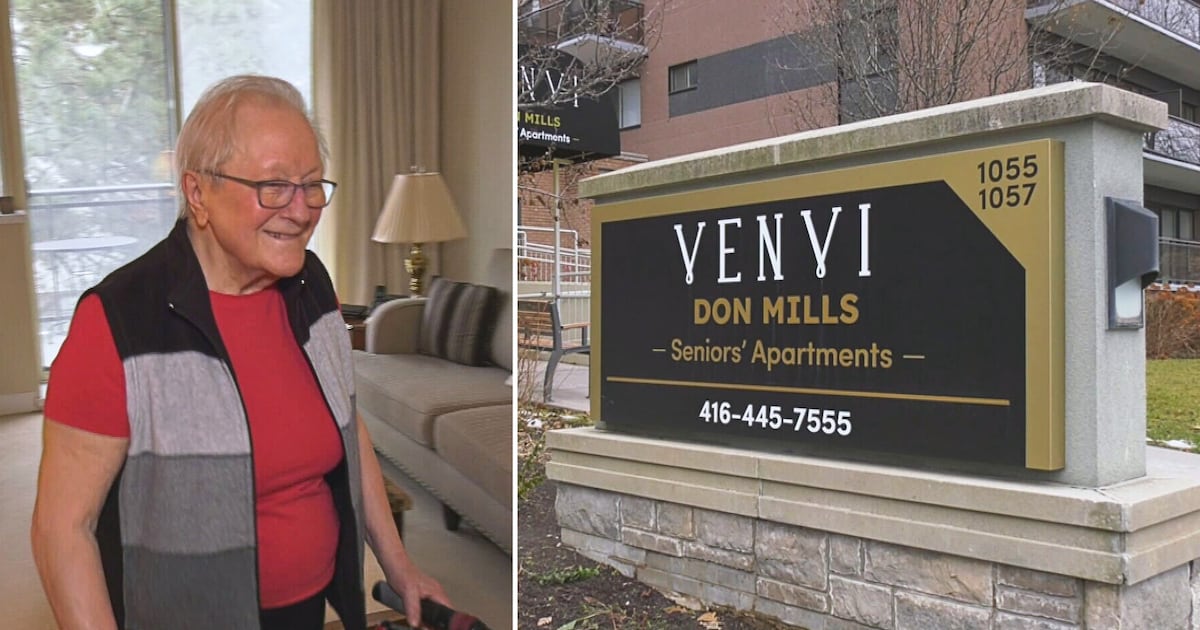
Estelle Arlow, 89, has lived at Venvi Don Mills Seniors’ Apartments in Toronto for the past 16 years. She was expecting her rent to increase 2.1 per cent under this year’s rent guideline, but was shocked to get a notice stating her rent would be going up by 3.99 per cent.
“I think it’s a big cash grab,” said Arlow. “It made me sick.”
Arlow told CTV News that her monthly rent increased from $3,784 to $3,935 a month. Some of the monthly fees she pays for include TV, phone, internet, and the opportunity to visit a physician on-site.
However, she buys her own groceries and makes her own food. She believes the increase is not justified.
“I was flummoxed,” Arlow said. “I couldn’t believe it. It’s going to cost me another $151 a month extra.”
Arlow’s building is managed by Cogir Senior Living. When CTV News reached out to management on her behalf, a spokesperson said in a statement, “At Cogir, we are committed to ensuring our residents continue to receive the high level of service, care, and value they expect and deserve. To achieve this, we conduct an annual review of our operational costs, which may result in an increase to residents’ accommodation and service fees. “
“Each year, rental rates (a combination of accommodation and service fees) are set based on a range of factors. These include the cost of maintaining and upgrading on-site amenities, sustaining a high-quality dining experience amid rising food costs, providing competitive wages to attract and retain qualified staff, and managing increases in utilities and property taxes.”
Cogir added that of the total 3.99 per cent increase, 2.1 per cent applied to rent, and the remaining amount related to services.
‘We need regulations in place’
According to the Advocacy Centre for the Elderly (ACE), retirement homes must adhere to the rent cap on the rent portion of the monthly bill. However, for other services in retirement homes, there is no cap.
Advocates say there should be caps in place to protect seniors.
“Older adults are often on fixed incomes and they can’t afford to pay these exorbitant increases,” said Graham Webb, executive director with the ACE.
The Federation of Metro Tenants Association (FMTA) also says seniors risk homelessness if their rents rise too quickly.
“We need regulations in place to be able to help tenants that are suffering under these economic conditions,” said Yaroslava Avila Montenegro, executive director with the FMTA.
Arlow told CTV News she will have to cut costs to pay her rent and wants the government to introduce a cap on retirement home services to protect seniors from being overcharged.
“It’s a lot of money, and I don’t have $4,000 a month,” she said.