
Protein is a hot topic in the nutrition world, especially with the release of the 2026-2030 U.S. Dietary Guidelines. As a dietitian, I’m often asked how much protein people need daily. The answer depends on three key factors: your body weight, activity level and age.
That’s why one-size-fits-all protein advice can be confusing. The amount that works for a sedentary 30-year-old isn’t the same as an active runner or a 65-year-old walker. But once you understand the basics of “protein math,” meeting your needs becomes much simpler.
Here are some general guidelines to help you determine your daily protein needs, based on the latest Dietary Guidelines for Americans, which continue to emphasize adequate protein intake across the lifespan to support muscle, metabolism and overall health.
How Much Protein Should You Have?
Protein recommendations are based on body weight in kilograms, but since the United States uses pounds, here’s how those numbers translate.
General Protein Recommendation
Until recently, the Dietary Guidelines recommended a minimum of 0.8 grams of protein per kilogram of body weight, or approximately 0.36 grams per pound. However, the 2026-2030 Guidelines increased the protein recommendations to 1.2–1.6 grams of protein per kilogram of body weight per day (about 0.54–0.73 grams per pound). For a 150-pound person, this works out to 81–109 grams of protein daily.
Protein Recommendations for Adults Over 60
After age 60, adults lose about 10% of muscle mass per decade, a process known as sarcopenia. Adequate protein intake helps preserve muscle, strength and independence. Most experts recommend at least 1.2 grams of protein per kilogram of body weight, or about 0.54 grams per pound, for older people. For a 150-pound person, that’s around 81 grams of protein per day. Previously, this number was higher than the recommendation for the general population, but it now falls in line with the standard.
Protein Recommendation for Active Individuals
If you engage in regular physical activity, like walking, running, strength training, cycling or Pilates, your protein needs increase to support muscle repair and growth. Active adults should aim for 1.4-2 grams of protein per kilogram, or 0.63-0.90 grams per pound. For a 150-pound person, that’s approximately 94-135 grams per day.
How Much Protein to Have at Each Meal
All of these numbers can feel overwhelming. Instead of calculating your protein needs down to the gram, a simpler and more practical strategy is to distribute protein evenly throughout the day.
Aiming for 20-40 grams of protein per meal, spaced every three to four hours, helps maximize muscle protein synthesis and keeps you feeling full and energized. If your protein needs are higher, incorporate more at snacks or within meals. Don’t load up on protein at one meal, since the body needs it continuously throughout the day.
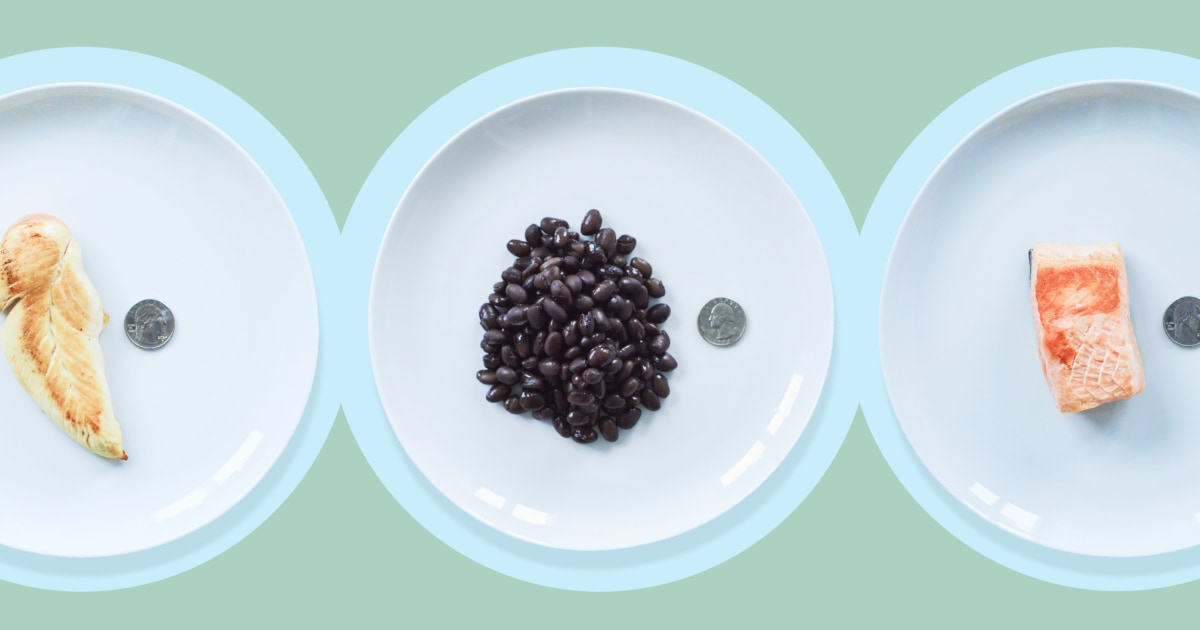
It’s easier to understand protein quantities when you can visualize them. Here’s what one serving of seven common high-protein foods looks like, and how much protein each portion delivers. Mix and match your favorites to build meals that land in that 20–40 gram sweet spot.
Chicken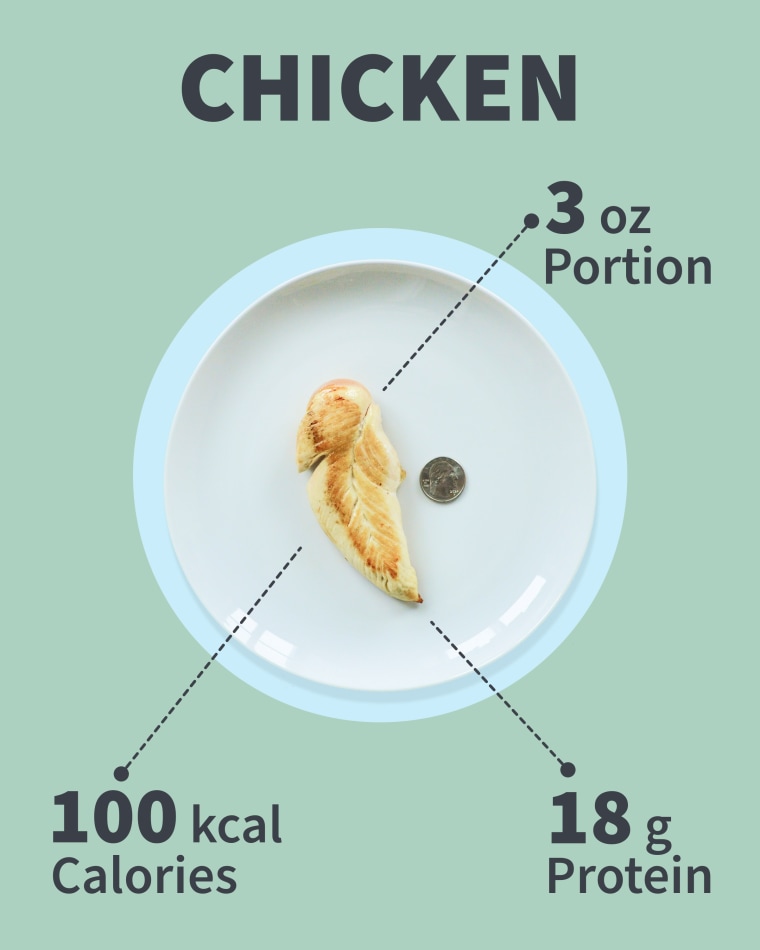 A single serving of chicken breast compared to a quarter.TODAY Illustration One 3-ounce serving: 18 grams protein, 100 calories
Chicken is a lean, versatile and affordable protein source. It’s rich in B vitamins, like B12, as well as iron and choline. These nutrient support energy metabolism, growth and development and brain function.
Eating chicken can easily help you meet your protein needs, especially since people eat tend to 5-6 ounces at a time, which has upwards of 30 grams of protein.
At mealtime, add sliced chicken to a grain bowl with quinoa, roasted vegetables and a tahini or yogurt-based sauce; or toss it into a hearty salad with chickpeas, avocado and olive oil for extra fiber and staying power. You can also pair chicken with a carbohydrate, like brown rice or sweet potatoes to make it a balanced, satisfying meal.
Beans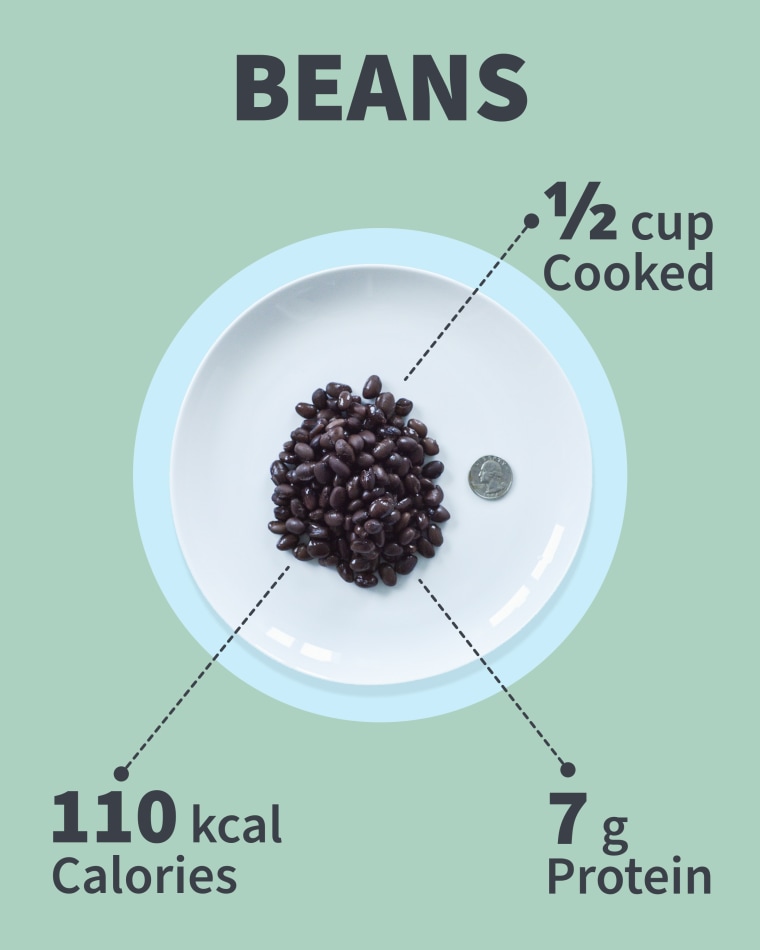 TODAY Illustration One half-cup (cooked) serving: 7 grams protein, 110 calories
Beans may not seem like a high-protein food at first glance, but they bring more to the table than protein alone. They’re rich in fiber, iron, potassium and plant compounds that support gut and heart health.
Because beans are lower in protein per serving, the key is eating multiple servings or pairing them with other foods that also pack a protein punch.
Make a chili with multiple types of beans and vegetables, or build a burrito bowl with rice, beans, salsa and guacamole. Pairing beans with whole grains and legumes, like brown rice or lentils, increases the protein and boosts satiety.
Lentils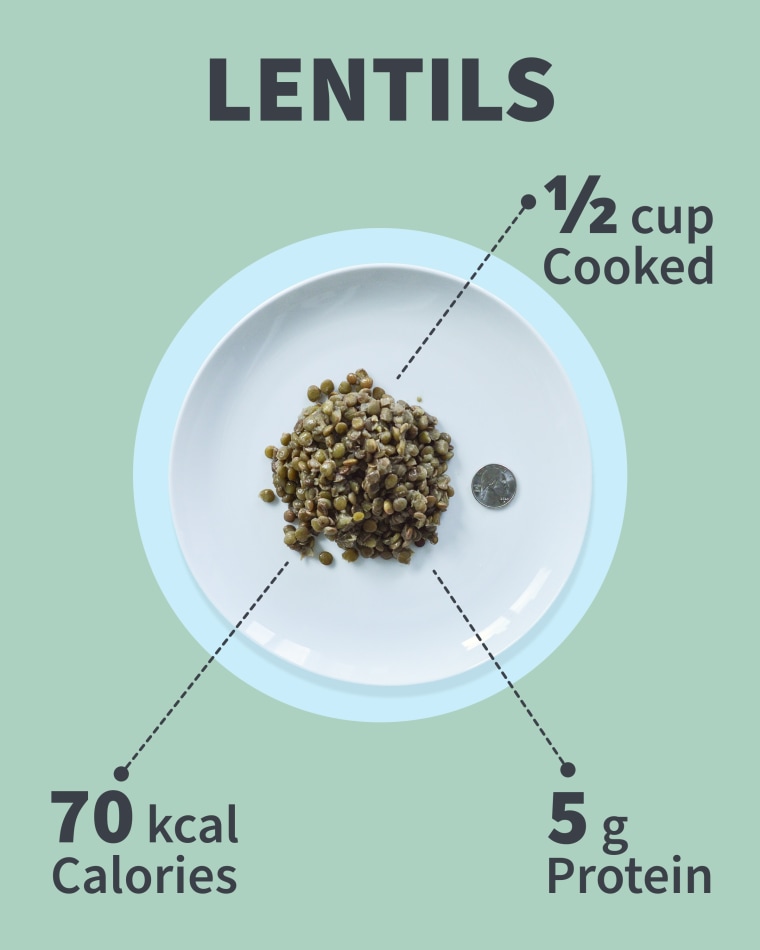 TODAY Illustration One half-cup (cooked) serving: 5 grams protein, 70 calories
Lentils are a nutrition powerhouse, offering protein, fiber, iron and folate. They’re also quick to cook and budget-friendly.
To reach 20–40 grams of protein, plan on 2-3 cups of cooked lentils per meal. While that may sound like a lot, lentils are the star in soups, stews and curries.
Try a lentil-based curry with coconut milk and vegetables, or a lentil “bolognese” served over whole-grain pasta. Adding a side of Greek yogurt or a sprinkle of cheese can further boost protein.
Salmon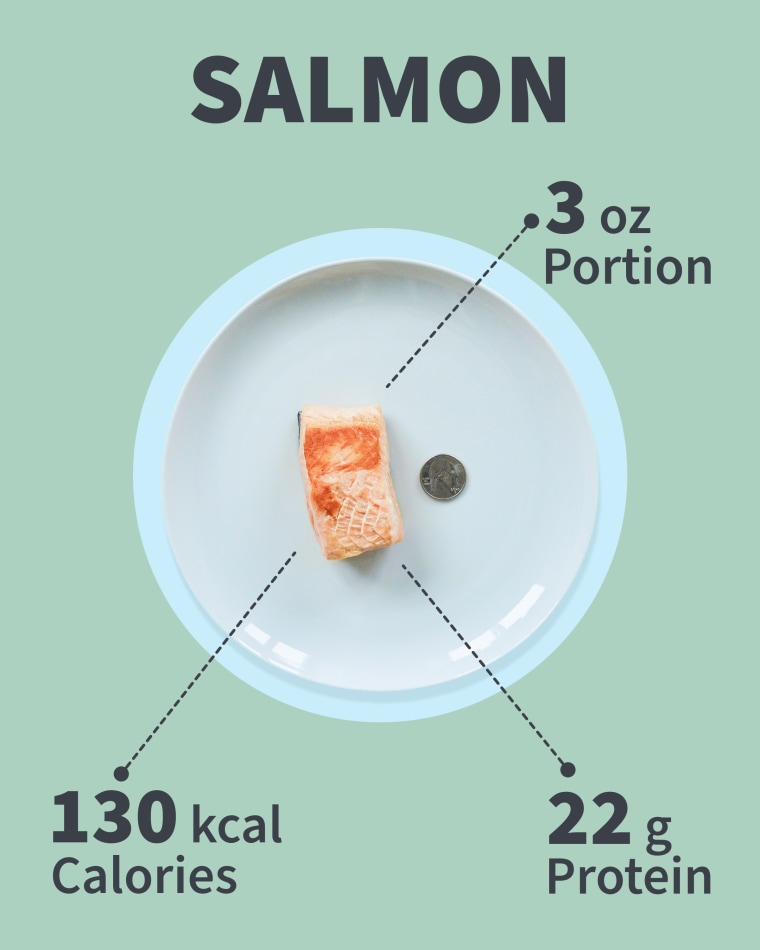 TODAY Illustration One 3-ounce serving: 22 grams protein, 130 calories
Salmon delivers high-quality protein along with omega-3 fatty acids, which support heart health and brain function and help reduce inflammation.
A standard 3-4-ounce serving provides over 20 grams of protein, making salmon an easy choice for hitting your protein goals.
Pair cooked salmon with vegetables and a whole grain, like farro or barley, for a complete and easy dinner. Flake cooked salmon over a salad with lentils or white beans for an extra protein boost. You can also use canned salmon to make salmon patties or mix it into a grain bowl for a quick, nutrient-dense meal.
Tofu (Extra Firm)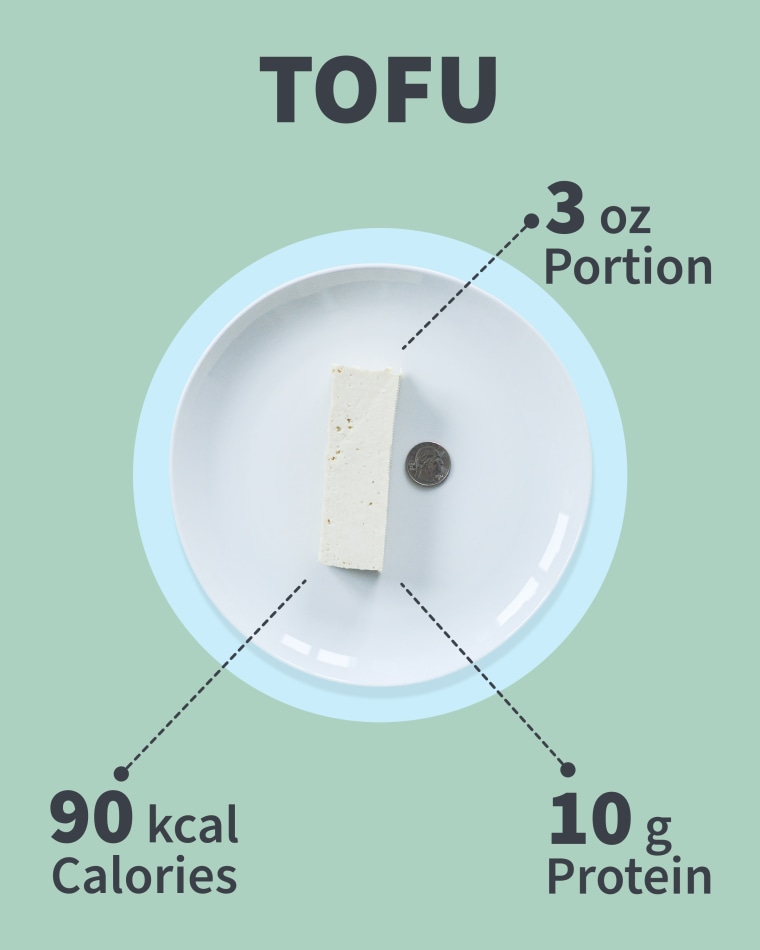 TODAY Illustration One 3-ounce serving (about one-fifth block): 10 grams protein, 90 calories
Tofu is a plant-based protein that is a good source of all nine essential amino acids, as well as calcium and iron.
To reach 20–40 grams, aim for 6–9 ounces of tofu per meal. Extra-firm tofu works best for grilling, baking or stir-frying.
Marinate tofu and roast it until crispy, then serve it over rice with vegetables and a flavorful sauce. Add tofu to noodle bowls, stir-fries or salads, and pair it with edamame or quinoa to further increase protein content while keeping the dish plant-forward.
Greek Yogurt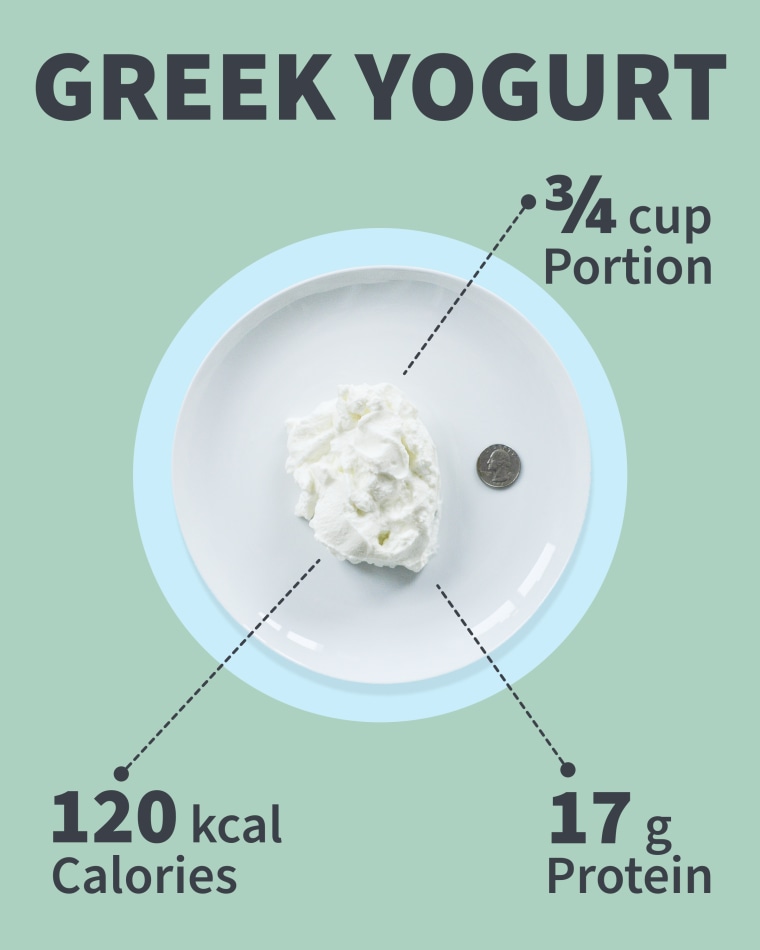 TODAY Illustration One three-quarter cup serving (low-fat plain): 17 grams protein, 120 calories
Greek yogurt is rich in protein, calcium and probiotics, which support gut health. Its thick texture makes it easy to incorporate into both sweet and savory dishes.
A 1-cup serving delivers about 22 grams of protein, making it ideal for breakfast or a post-workout meal.
Use Greek yogurt as a base for parfaits with berries, nuts and seeds. Blend it into smoothies with fruit and nut butter. For savory meals, use it as a high-protein substitute for sour cream or mayo in dips, dressings and sauces.
Eggs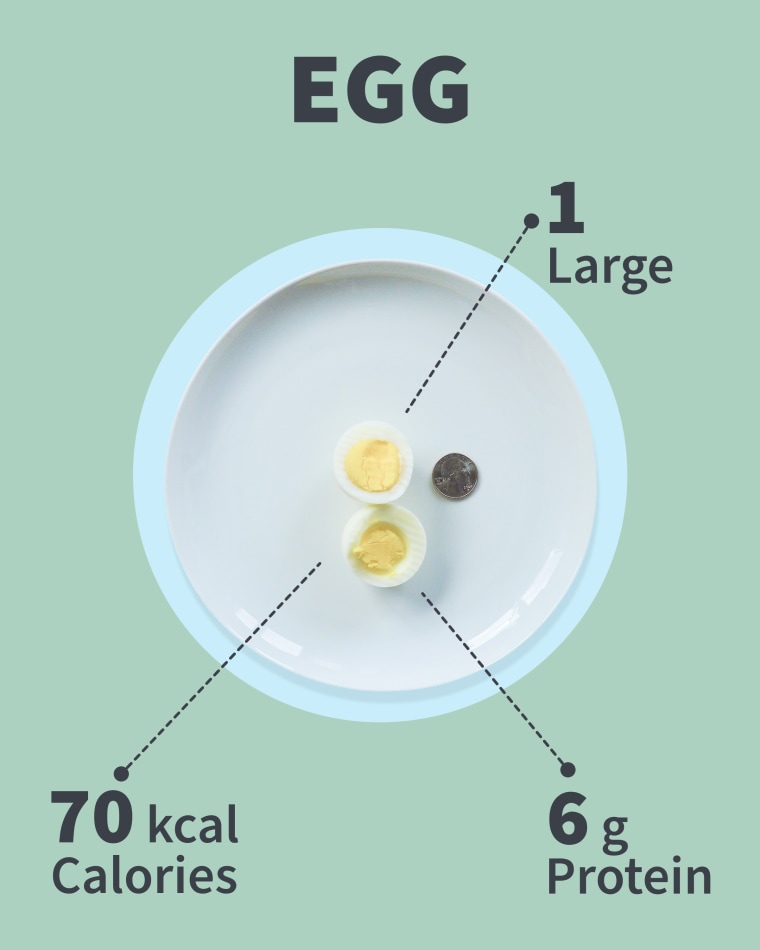 TODAY Illustration 1 large egg: 6 grams protein, 70 calories
Eggs are one of the most popular breakfast protein sources, and they provide nutrients like choline and vitamin D.
For 20-40 grams of protein, eat three to four eggs, or pair eggs with other protein-rich foods.
Try a vegetable omelet with cheese, or scrambled eggs served with beans or tofu. Adding a side of Greek yogurt or whole-grain toast with nut butter can help round out the meal and keep protein evenly distributed.