
Key Takeaways
The U.S. economy grew faster in December, and the trend of the rich growing richer and the poor getting poorer intensified, according to a report from the Federal Reserve.
The Fed’s Beige Book for January was full of examples of high-income people spending more, while those with lower incomes cut back.People with low and moderate incomes ate out less, switched to generic brands, stopped traveling, and even cut back on protein.
Low- and middle-income Americans are switching to generic products, eating less protein, cutting back on travel, and generally having a harder time paying the bills.
That’s according to the Federal Reserve’s Beige Book released Wednesday, which is based on data collected from mid-November to early January. It’s filled with examples from around the country of the “K-shaped” economy, with high-income Americans doing better while others struggle. The Beige Book is a report by eight of the Fed’s branches detailing economic conditions in those regions, compiled by Fed officials who interview local business and community leaders.
Overall, it shows that the economy improved somewhat in December from November, even as hiring remained slow and inflation stayed stubbornly high. While overall economic activity picked up, lower- and moderate-income consumers were squeezed by rising costs and wages that can’t keep up with price hikes.
What This Means For The Economy
Consumer spending makes up two-thirds of U.S. GDP, but the economy cannot rely on wealthy consumers alone. Lower- and middle-income households account for the bulk of total consumption by volume. When they pull back, overall growth becomes more fragile.
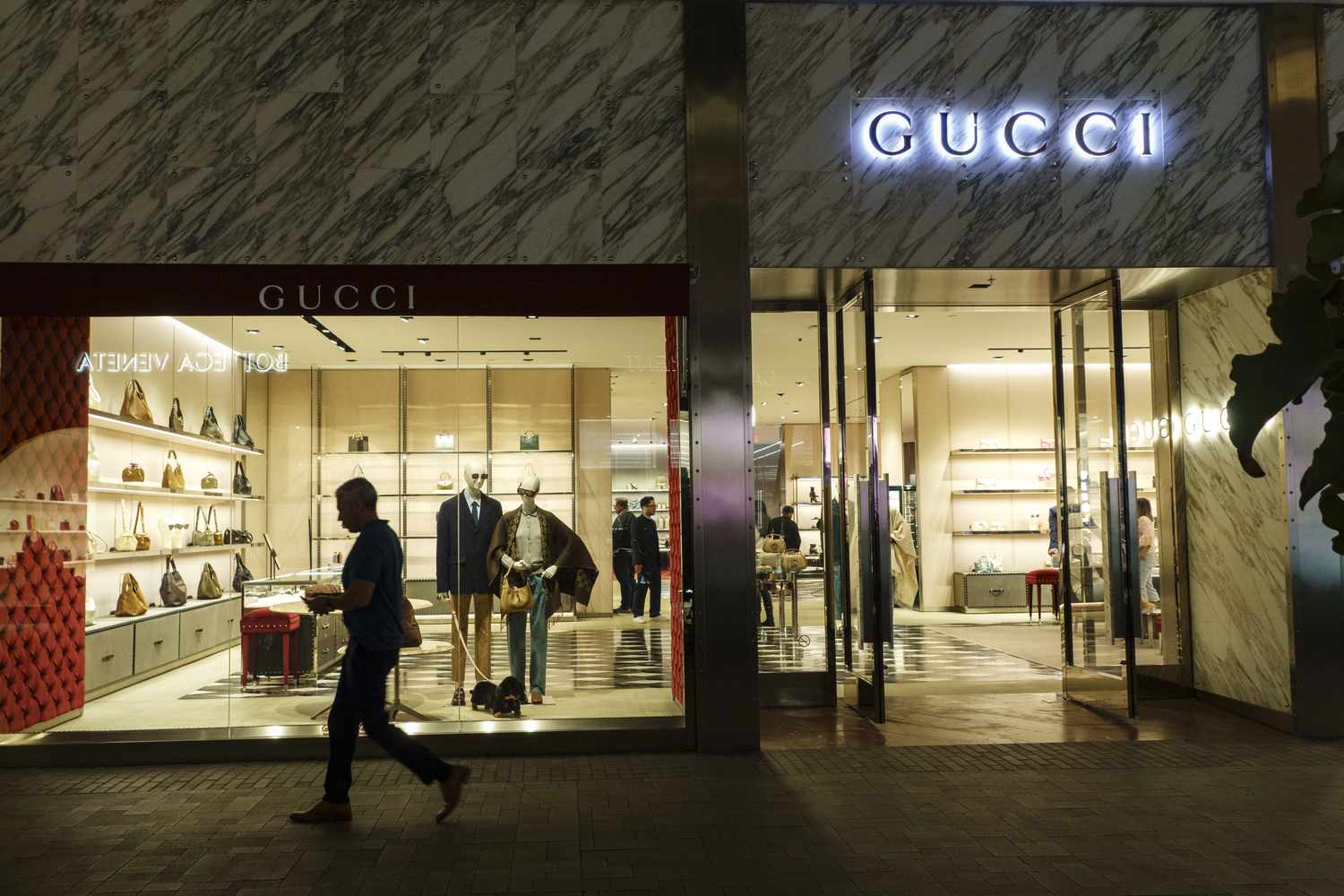
“Several districts also noted that spending was stronger among higher-income consumers, with increased spending on luxury goods, travel, tourism, and experiential activities,” the report said. “Meanwhile, low- to moderate-income consumers were increasingly price sensitive and hesitant to spend on nonessential goods and services.”
For example, retail establishments catering to higher-end customers reported increased sales to the Federal Reserve Bank of Minneapolis.
Many Consumers Are Pulling Back
Elsewhere, it was reported that “furniture and other retailers catering to middle- and lower-income consumers ‘were getting pretty beat up,’ said one contact.” A Montana restaurant owner said that wealthier customers ‘seem to still be spending and eating out frequently,’ while lower-income consumers ‘definitely seem to be pulling back, eating out less, or are more price sensitive.'”
Low- and moderate-income seniors in the New York District were struggling to pay health insurance, because premiums have risen sharply and the end of federal insurance subsidies has raised out-of-pocket costs.
In the Philadelphia region, “Some business contacts are concerned that household incomes are not sufficient for consumers to maintain their spending or manage their debt. Price pressures remain elevated, and affordability problems are a growing concern for low- and middle-income households.”
A survey of lower-income workers in Cleveland found “notable economic pressures,” with half of respondents saying their income doesn’t cover their costs. The Beige Book did not include details about the survey.
In the Fed’s Dallas District, “Lower-income families budgeted more tightly during the holiday season to manage limited resources, seeking bargains and cutting back on travel and dining out.”
The trend stretched coast-to-coast, with the San Francisco Fed observing that “Discretionary spending by high-income households continued at robust levels, with brisk demand for luxury products, while low- and middle-income households continued to trim budgets and trade down to lower-cost and store-label alternatives.”
“Demand at quick service restaurants remained solid overall, although some contacts observed a shift by low-income households toward eating at home and purchasing fewer protein [rich] options in the face of tight budgets and elevated costs.”