
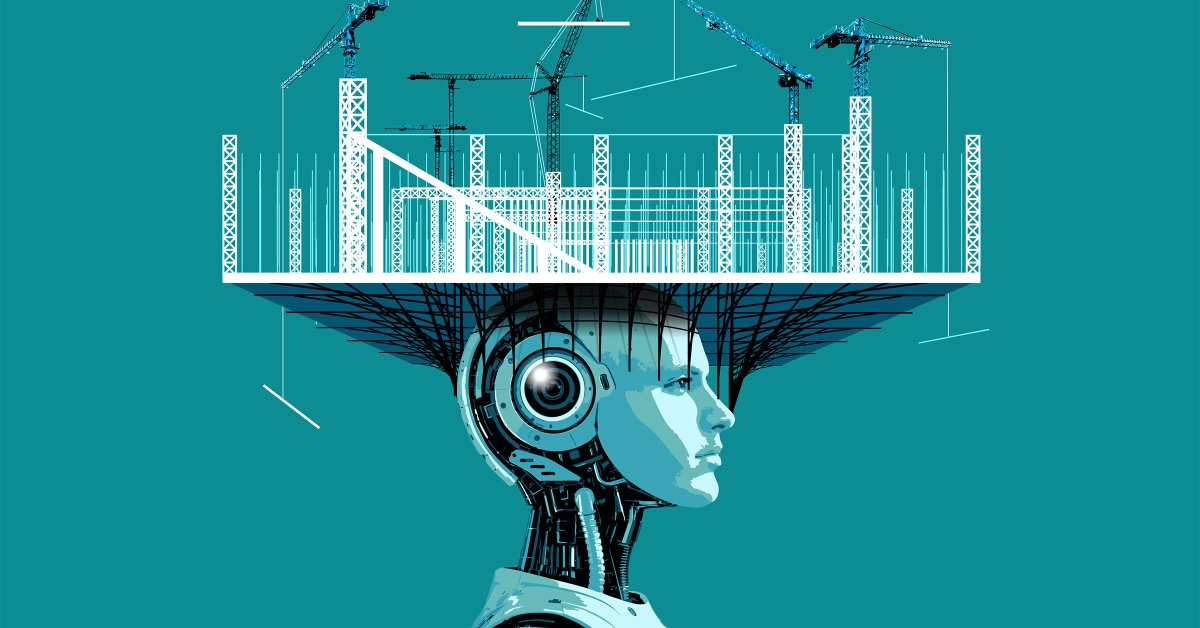
The final truth is the most important one: the role of humans. It is people who bring the creativity to see around corners, the values that guide decisions, the relationships that hold customers and teams together. That’s why I believe deeply that humans must stay at the center of the Agentic Enterprise, with AI working alongside us. AI should elevate humanity, not diminish it.
Until recently, the pace of AI innovation was outstripping adoption. That gap may now be beginning to close. At the World Economic Forum’s annual meeting in Davos this year, Agentforce will provide personalized guidance through the week, recommending sessions based on attendees’ bios and interests, enabling networking, and even booking meetings and sessions on their behalf. At Williams-Sonoma, the “Olive” agent now handles about 60% of customer chats, grounding each interaction in trusted data and improving response times. Inside my own company, our IT Support agent provides instant answers to common issues, now resolving 35% of IT issues independently and saving what we project to be 25,000 hours of work annually.
Nonprofits, governments, and community organizations are also using AI agents to help humans do what humans do best. At Pledge 1%, a nonprofit I co-founded that includes roughly 20,000 companies that have given more than $3 billion back to their communities, AI agents match social needs with volunteers and resources at a scale no team could perform manually. At Blue Star Families, an agent assists staff in helping military families—simplifying a maze of information and partners. At the U.S. Internal Revenue Service, the Office of Chief Counsel, one of the country’s more complex legal operations, now automates as much as 98% of activity in some workflows. This isn’t about replacing people. It is about giving them teammates that make organizations faster, more accurate, and more accessible.
The task before us is not to predict which LLM will win in the marketplace, but to build systems that empower AI for the benefit of humanity. The choices we make now—about architecture, governance, and partnership between people and machines—will determine whether we turn this moment of possibility into lasting progress that strengthens institutions, expands opportunity, and unlocks human potential.