
“We have a very robust suite of medical hardware on board the International Space Station, but we don’t have the complete amount of hardware that I would have in the emergency department, for example, to complete a workup of a patient,” Polk said.
“And in this particular incident that the medical incident was, was sufficient enough that we were concerned about the astronaut, that we would like to complete that workup. And the best way to complete that workup is on the ground where we have the full suite of medical testing hardware.”
Although the crew returned a month earlier than expected, three people will remain on the ISS: Russian cosmonauts Sergei Mikaev and Sergey Kud-Sverchkov and NASA astronaut Chris Williams.
Crew-12, consisting of NASA astronauts Jessica Meir and Jack Hathaway, along with Russian cosmonaut Andrey Fedyaev and European Space Agency astronaut Sophie Adenot, is scheduled to head to the ISS on Feb. 15.
Meanwhile, NASA is preparing for its Artemis II mission, which will see Canadian Space Agency astronaut Jeremy Hansen, along with NASA astronauts Reid Wiseman, Christina Koch and Victor Glover, go around the moon. The launch is scheduled for no earlier than Feb. 6.

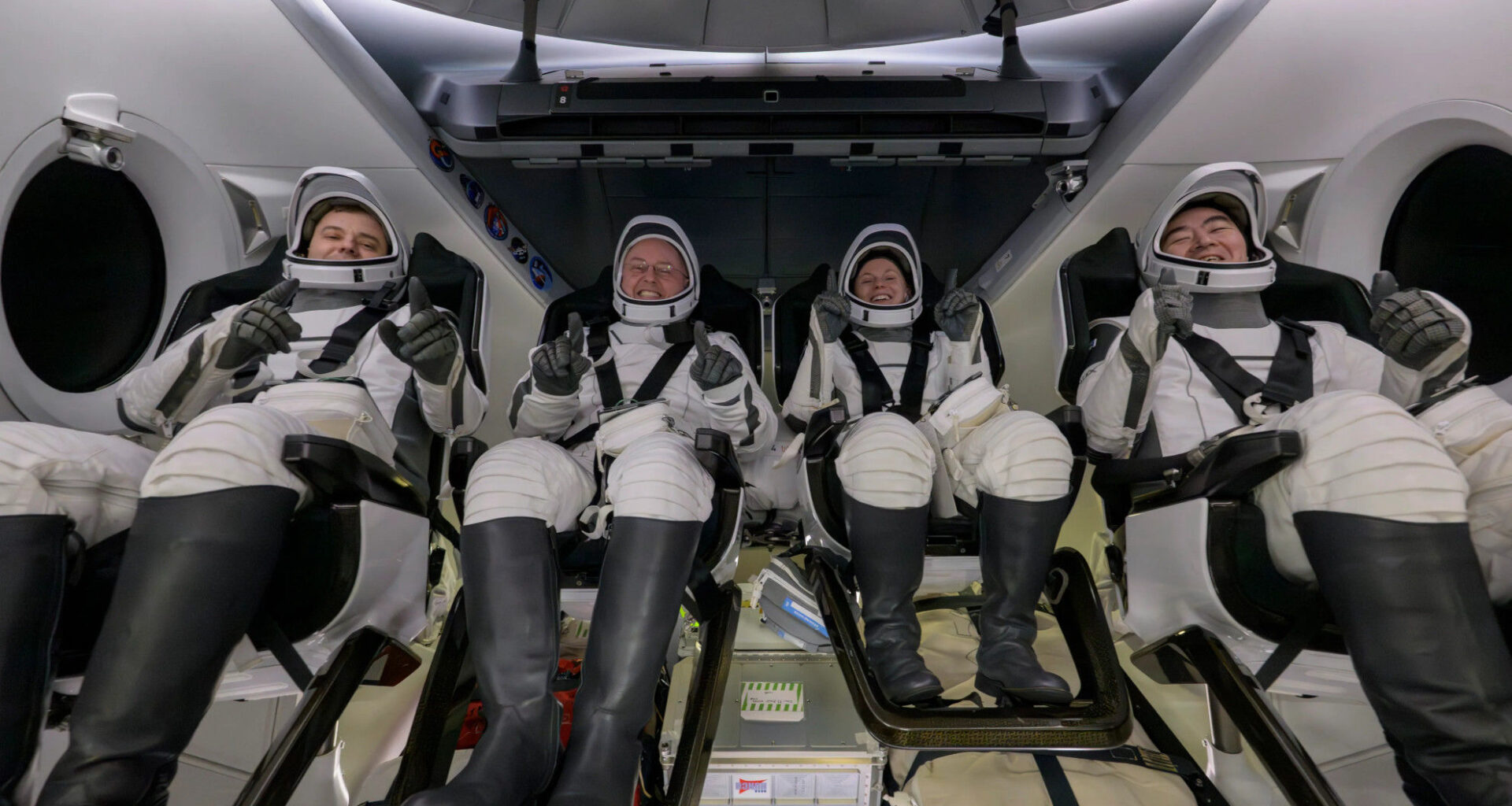
The official portrait of the four members of NASA’s SpaceX Crew-11 mission to the International Space Station is shown. From left to right are Oleg Platonov of Russia, Mike Pincke of the U.S., Kimiya Yui of Japan and Zena Cardman of the U.S. (Robert Markowitz/NASA)
Asrar said while this serves as a reminder about the challenges of space, it also shows how important crew safety is to NASA.