
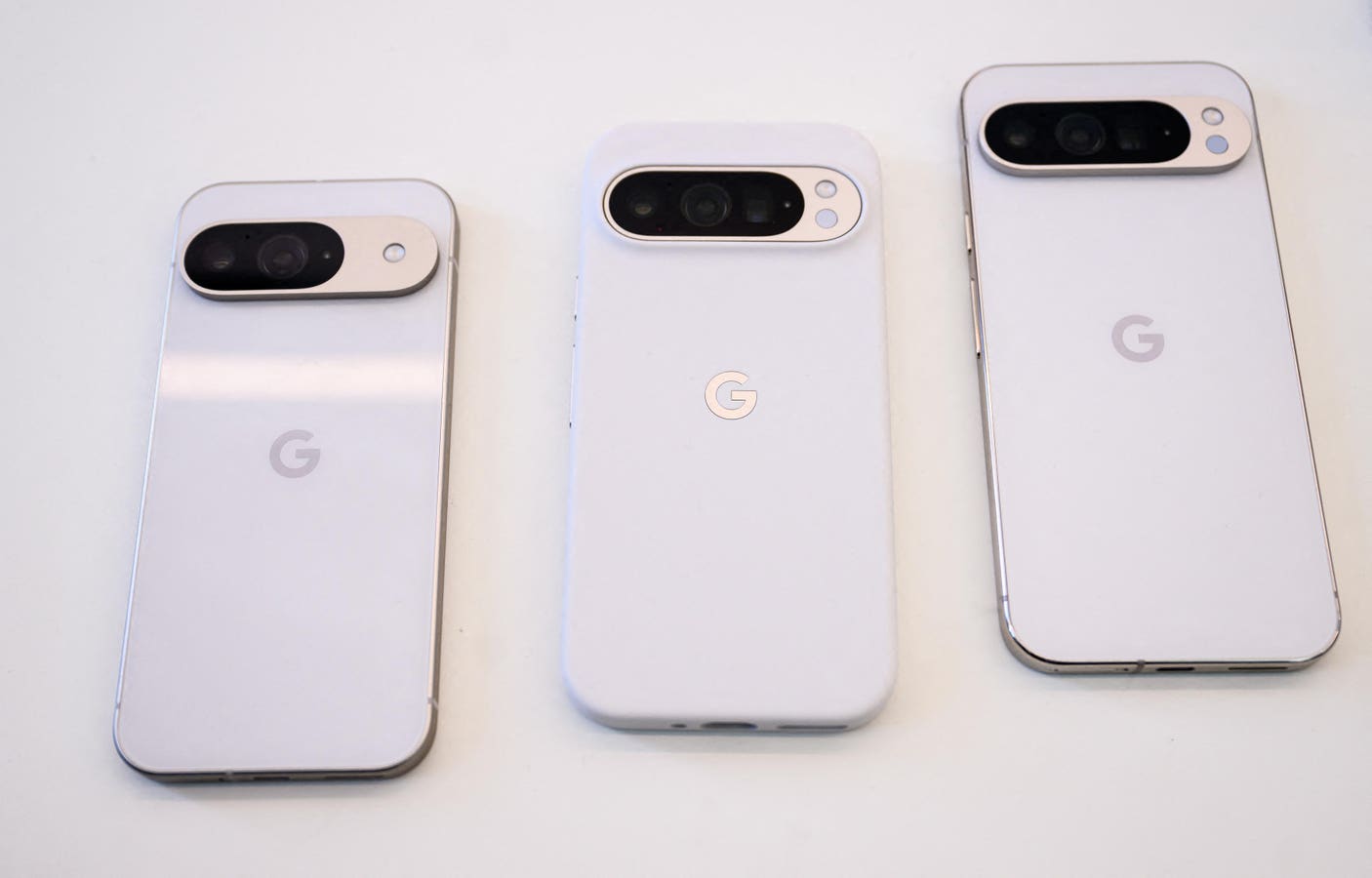
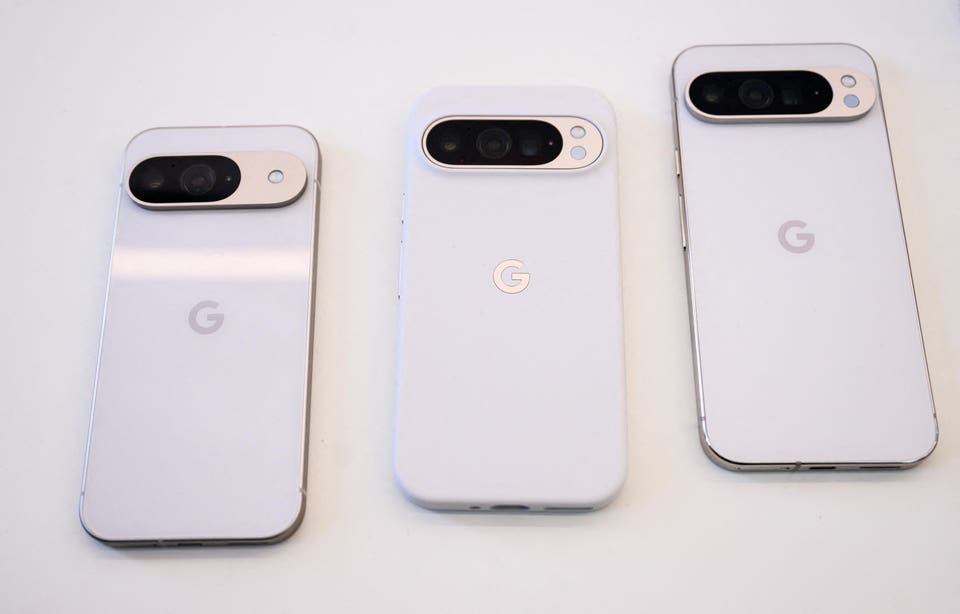
AirDrop functionality could soon arrive for Google’s Pixel 9 series smartphones.
AFP via Getty ImagesKey TakeawaysNew Android code suggests the Pixel 9 series will gain “AirDrop” compatibility. The code now appears in the latest Android 16 QPR3 Beta 2 release.The feature, first introduced on the Pixel 10, allows direct wireless file transfers between Android and iOS devices.This is an unofficial implementation by Google, with important limitations.
Jan 15 Update below: Pixel 9 series AirDrop system files are now present in Android 16 QPR3 Beta2, bringing AirDrop capability one step closer. This article was originally published on Jan 13
Pixel 9 users look set to receive one of the Pixel 10’s most significant upgrades: AirDrop compatibility with iPhones.
Last year, Google surprised the industry by reverse-engineering Apple’s AirDrop protocol, enabling direct native wireless file transfers between Pixel 10 series devices and iPhones and Macs. By adding AirDrop compatibility to Android’s Quick Share feature, Google effectively broke into Apple’s proprietary “walled garden,” allowing AirDrop-compatible transfers on Android devices for the first time.
Now, a report from Android Authority indicates that Google is preparing to implement AirDrop transfers on the Pixel 9 range too, offering hope of a gradual rollout to older Pixel devices.
Evidence of this wider rollout appears in Google’s latest Android “Canary” build (ZP11.251212.007), which, according to the report, adds new AirDrop-related system files for the Pixel 9 series (excluding the budget Pixel 9a model for now).
AirDrop Support Leaks For Pixel 9
Canary builds receive updates long before official production-ready releases, offering a preview of Google’s unreleased features and upgrades.
While testers haven’t successfully enabled AirDrop on a Pixel 9, the code confirms that Google is actively developing AirDrop compatibility for previous-generation hardware.
Will Pixel 8 And Older Devices Get AirDrop?
The leaked system files have not yet been spotted on older devices such as the Pixel 8 series, so owners of these older smartphones may have a longer wait — if they receive the feature at all.
There’s no hardware limitation preventing this; even the aging Pixel 7 series supports the required Wi-Fi Direct protocols and supports Android 16, though the likelihood of receiving major new features decreases as devices age.
The Catch: How Google’s ‘AirDrop’ Workaround Actually Works
Crucially, Apple has not authorized Google’s implementation of AirDrop. It’s an unofficial workaround that allows Quick Share-enabled devices to speak Apple’s proprietary file transfer language. As such, it has a key limitation: it works only in “Everyone for 10 Minutes” mode, which must be manually selected on the Apple device before each transfer session. Because the Pixel’s implementation can’t authenticate with Apple’s servers, it can’t work in “Contacts Only” mode at present.
More importantly, as an unofficial implementation, Apple could push a “fix” for Google’s workaround, instantly rendering it obsolete. You can read more about Google’s AirDrop interoperability feature in this Google Security Blog post, which also details how the company keeps transfers safe through its “Secure by Design” philosophy.
The Impact: Removing The Friction To Switch From iOS
AirDrop support could be a deciding factor for many users who may have been holding off on trying out an Android device.
Google’s “AirDrop” update effectively removes one of the most significant friction points when switching between iOS and Android. Apple users who may currently feel locked into the Apple ecosystem can now try a Pixel device without sacrificing the ability to quickly transfer files from their phone to their MacBook or iPad. It also enables customers to choose a Pixel while retaining the option to AirDrop files with friends and family.
Jan 15 Update — Pixel 9 AirDrop system files now in the latest Android 16 QPR3 Beta 2.
Originally found only in Google’s bleeding-edge “Canary” build, AirDrop system files for the Pixel 9 series have now been found in the latest Android 16 QPR3 Beta 2, just released for Pixel devices, excluding the budget Pixel 9a model.
First, the bad news: It still doesn’t work. Readers of AssembleDebug’s Telegram group report that the feature is still not available to end users, suggesting that Google still has some issues to resolve before AirDrop will actually talk to a Pixel 9 device.
The good news is that by promoting the code to the public beta, Google has most likely finished the experimental phase indicated by the Canary build and is now preparing a wider release. This means we may see AirDrop transfers working on the Pixel 9 series sooner than anticipated.
The next update, Android 16 QPR3 Beta 3, is expected in February. Beta 3 releases are typically “feature-complete,” so if the AirDrop system files are still present at that point, they will almost certainly make the cut and appear in the final stable release.
However, Google can activate individual features at any time by flipping a server-side switch, and there’s no telling when that may actually happen.
Follow @paul_monckton on Instagram.
ForbesSamsung Galaxy S26 Could End No-Service Dead Zones, But The Ultra Is Locked OutBy Paul MoncktonForbesPixel 10 GPU Fix: Gaming Speeds Up 18%, But There’s A CatchBy Paul Monckton