
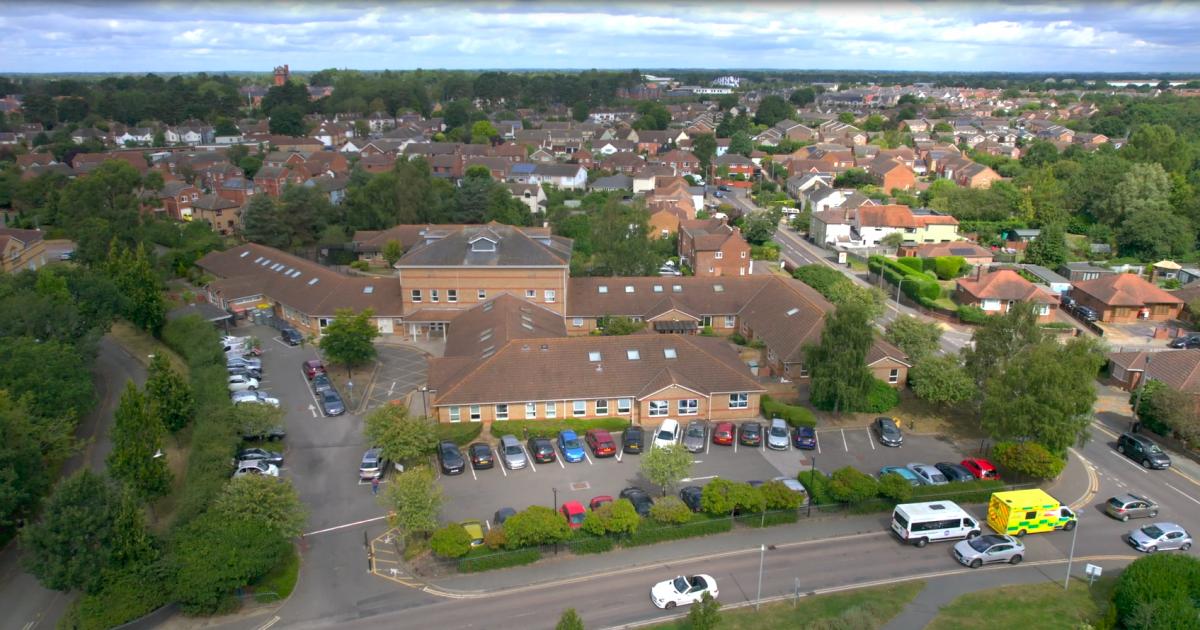
The centre, which will be based at Colchester Hospital, is expected to open in summer 2026 and will support adults experiencing mental health crises.
Another centre will open at the same time at Princess Alexandra Hospital in Harlow.
Developed and operated by Essex Partnership University NHS Foundation Trust (EPUT), the new facilities are part of a wider effort to improve crisis care across the county and will provide rapid assessment and support in a calming environment away from busy A&E departments.
Paul Scott, chief executive at EPUT, said: “The units represent a meaningful investment in our mental health urgent care pathway, providing a therapeutic space for assessment and intervention which will improve the experience of people who come to us in acute distress.
“The units will strengthen the existing mental health crisis support available in Essex, helping to ease pressure on local emergency departments while delivering high-quality care for our communities.”
Specialist staff will work with patients to identify the triggers behind their mental health crisis and ensure they receive the most appropriate care, whether that involves hospital admission or support at home through community mental health teams.
Construction work will see the redevelopment of existing buildings at both hospital sites.
Tom Abell, chief executive designate of the new Essex Integrated Care Board cluster, said: “We know demand for mental health crisis care is rising, and these units will make a real difference by ensuring people across Essex can access timely, specialist support in calm, therapeutic spaces.
“They will improve people’s experience at some of their most difficult moments, while also easing pressure on emergency departments and helping our services keep pace with the needs of our growing population.”
The new units follow the successful launch of a similar facility in Basildon in March 2023.
Although smaller in scale, the Colchester and Harlow units are expected to deliver similar benefits, including enabling more people to access urgent care closer to home.
This will also make it easier for families and carers to be involved in patient care and support.