
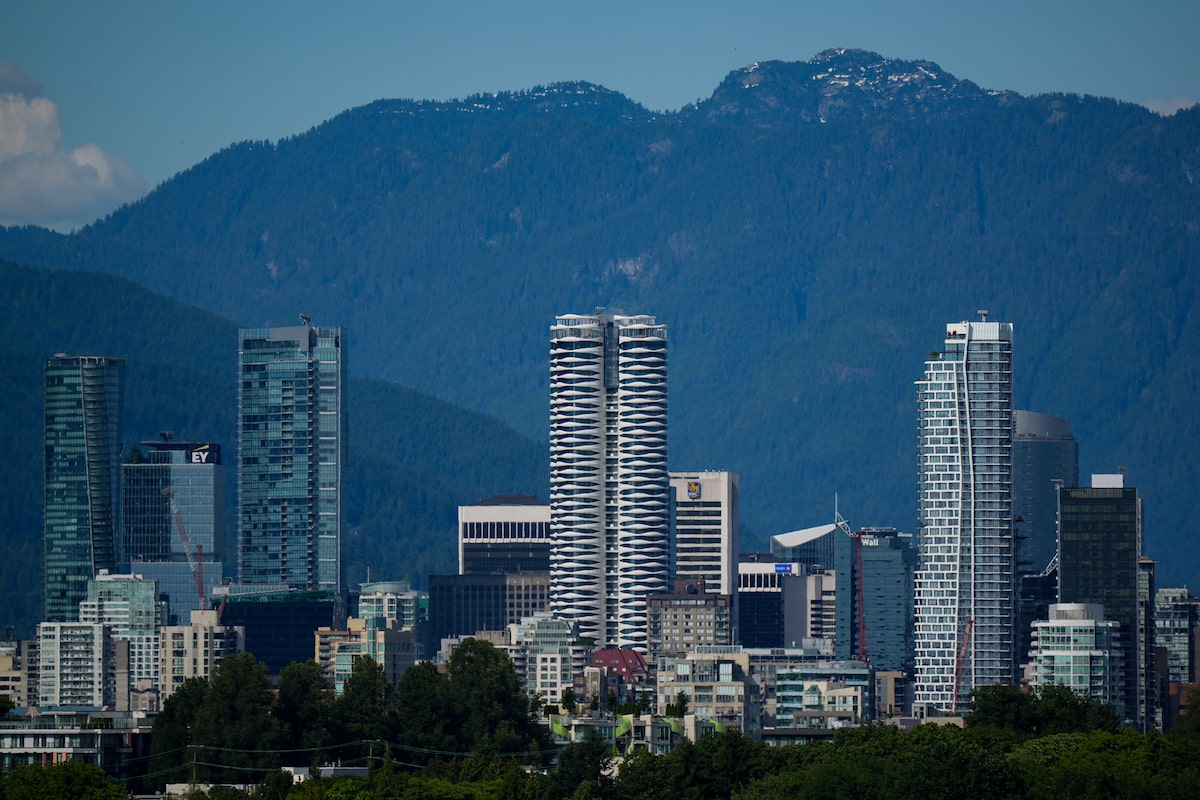
Canada’s three largest metropolitan areas once together attracted the vast majority of new immigrants to Canada, but a combination of eroding affordability and the influx of international students to smaller cities has sent the three cities’ share of new immigrants to a record low.
Over the 12 months ending in mid-2025, the three census metropolitan areas of Toronto, Vancouver and Montreal attracted a combined 46 per cent of new immigrants, down from close to 80 per cent two decades earlier, according to municipal-level population estimates released by Statistics Canada.
Across Canada, the number of new immigrants is in decline as Ottawa tightens its immigration rules, falling 6.2 per cent between 2023-24 and 2024-25. But the drops in Toronto and Vancouver were particularly steep, declining 10 per cent and 14 per cent, respectively.
The decline in the large cities’ share of new immigrants is explained, in part, by the number of international students who attended college or university outside of the three major metro areas, then later obtained permanent residency in those smaller locales, said Mike Moffatt, an economist and founding director of the Missing Middle Initiative at the University of Ottawa.
But the declining share is part of a broader population slowdown for Canada’s largest urban centres, with growth in Toronto and Vancouver in particular coming to a standstill.
Decoder: Want to immigrate to Canada? Learn French
The two cities are the epicentres of Canada’s housing affordability crisis, which has spurred many younger families to move elsewhere and served as a barrier for newcomers.
While the Statscan numbers show Montreal also experienced a population slowdown, the city grew at a faster pace than Toronto or Vancouver for the first time since at least 2002, a reflection of its “better affordability conditions,” said Matthieu Arseneau and Daren King, economists with National Bank Financial, in a note to clients.
Decoder is a weekly feature that unpacks an important economic chart.