
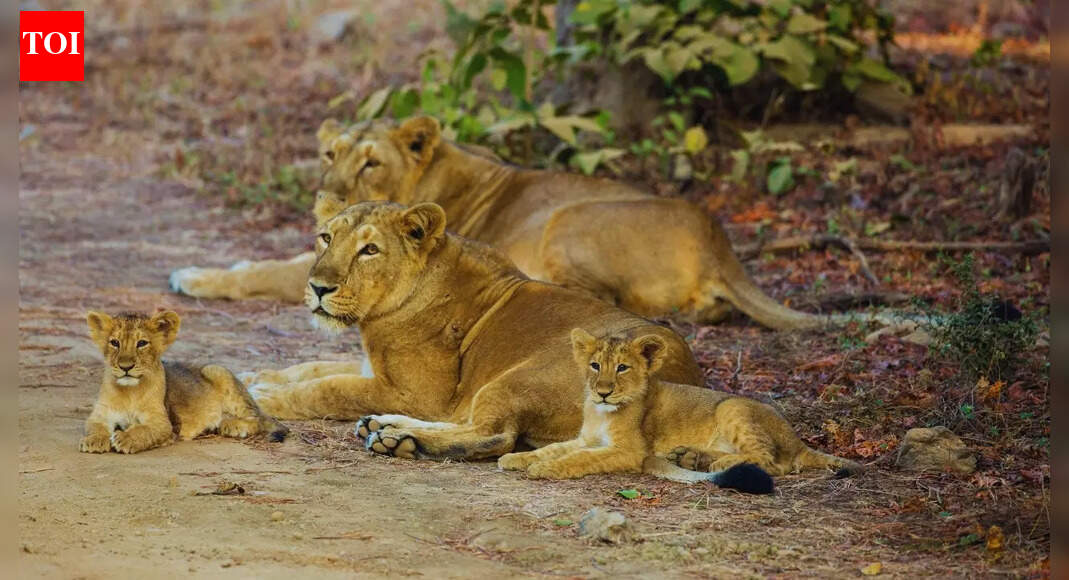
 Asiatic lions in Gir National Park, Gujarat India’s biodiversity experience is as complex and varying as its geography. While there are snow-capped mountains and thick rainforests in some regions, other regions are deserts and grasslands. To represent this diversity, every state of India has its state animal, which signifies its biodiversity or affiliated culture and heritage. These animals are not selected at random; rather, they symbolise significance to nature or culture and associated traditions. India’s 28 state animals essentially map India’s biodiversity and its related geography and culture.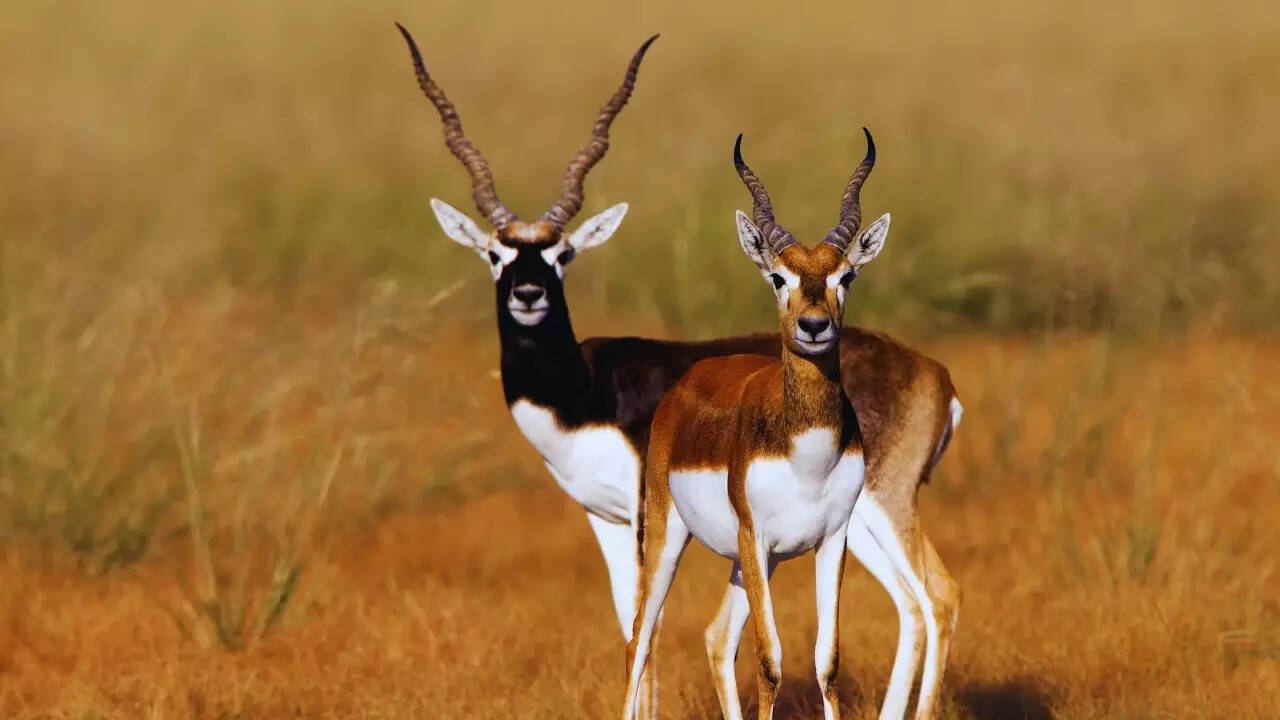
Andhra Pradesh – Blackbuck
Andhra Pradesh – Blackbuck
Surprised? Blackbuck represents the open grasslands and scrub forests of Andhra Pradesh. The animal is known for its speed and spiral horns; this antelope once roamed widely across the Deccan. Its protected status today highlights the need to conserve India’s rapidly shrinking grassland ecosystems. 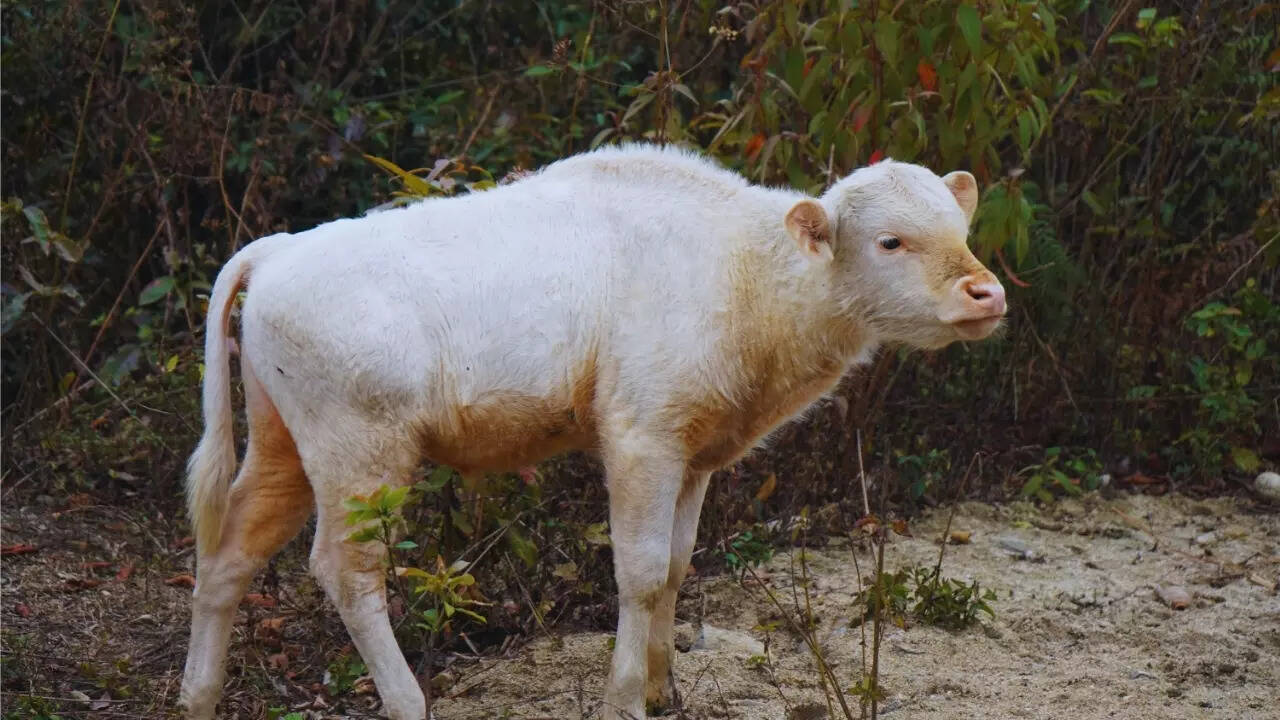
Arunachal Pradesh – Mithun
Arunachal Pradesh – Mithun
The Mithun is deeply tied to tribal life in Arunachal Pradesh. Semi-domesticated and culturally revered, the mithun symbolises prosperity and social status among indigenous communities. Its selection reflects the close bond between people, livestock, and forests in the eastern Himalayan region. When travelling through Arunachal, it’s common to see mithuns on the side of the road. And they are stinking cute. 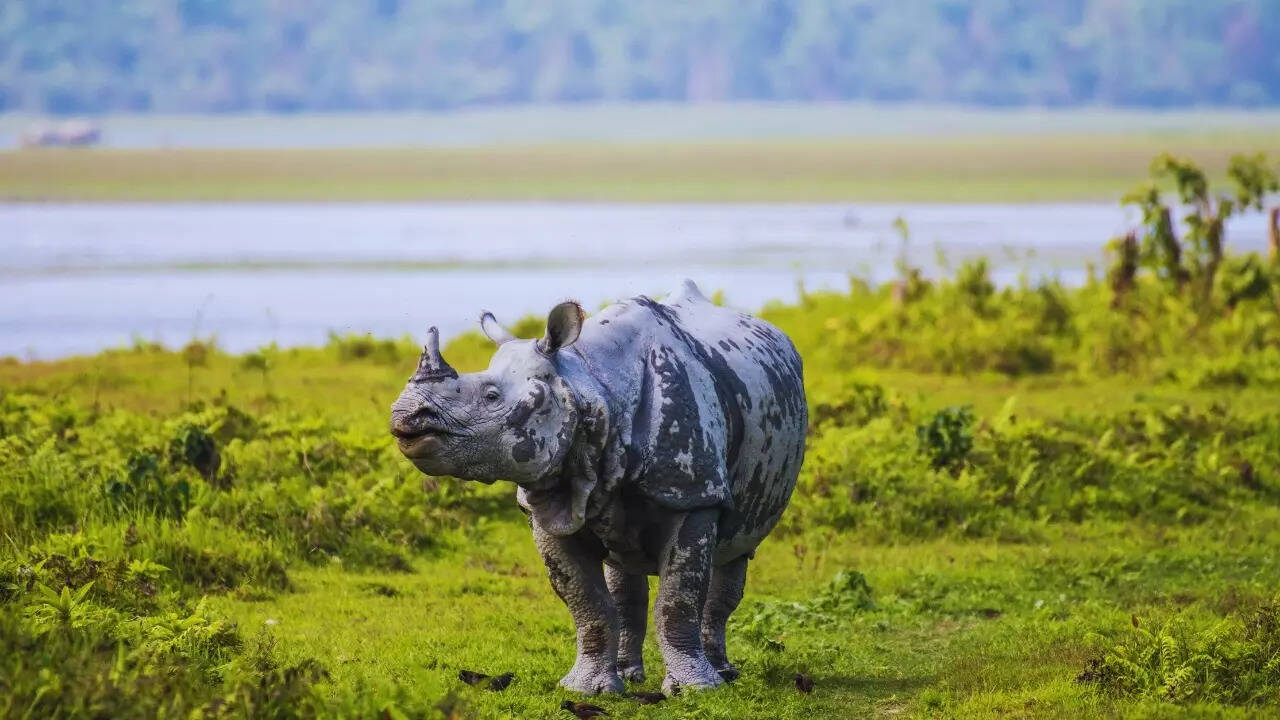
Assam – One-horned rhinoceros
Assam – One-horned rhinoceros
Assam’s state animal is the greater one-horned rhinoceros, famously protected in Kaziranga National Park. Once critically endangered, its recovery is a major conservation success. It shows the global importance of Assam in terms of protection of large, vulnerable species of wild life. 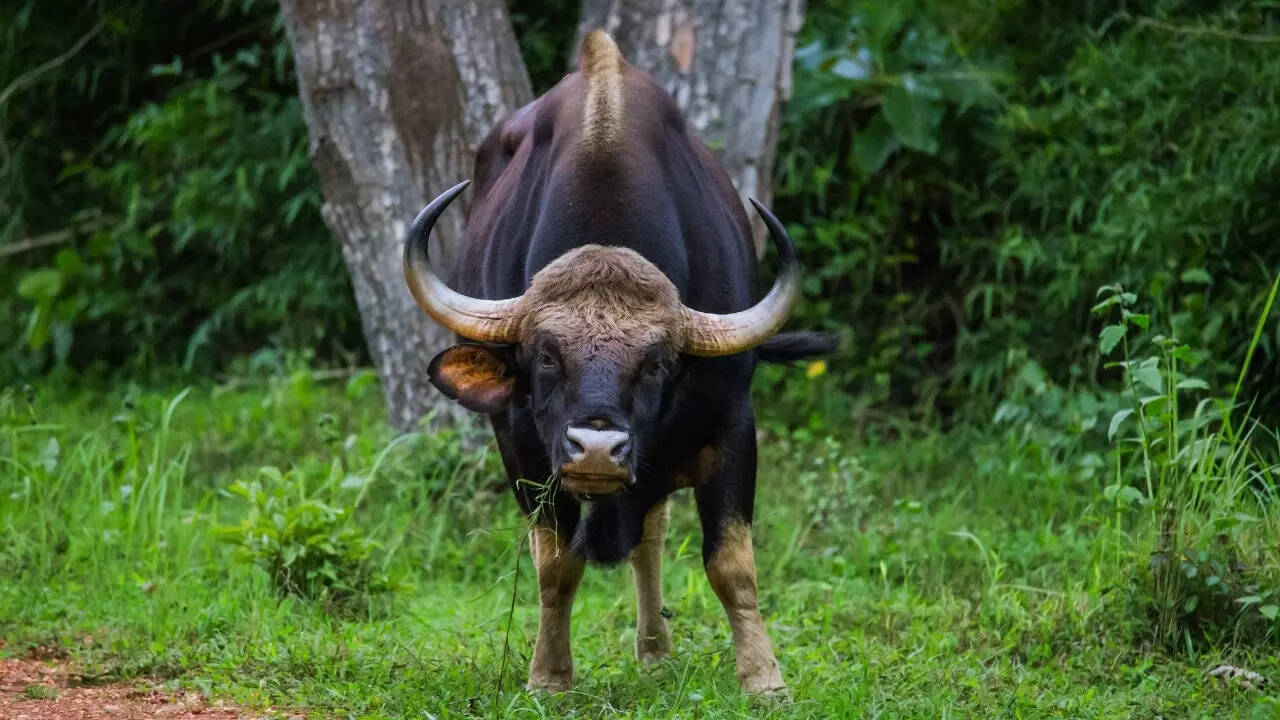
Bihar – Gaur (Indian bison)
Bihar – Gaur (Indian bison)
The Gaur is a representative of Bihar’s forested landscapes and is considered the largest wild cattle species in the world. Though powerful, it is a shy animal that plays a very important role in forest ecosystems. Its designation is important to identify Bihar with its wildlife heritage apart from the already known historical and agricultural identity. 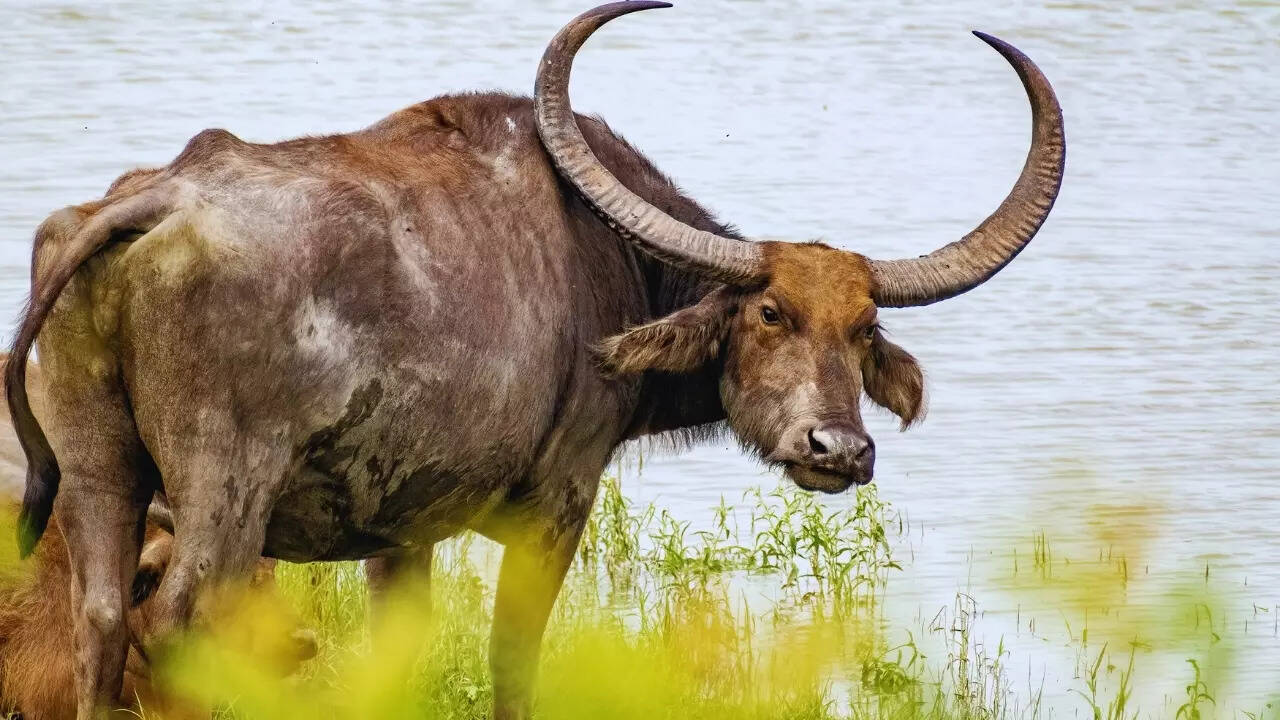
Chhattisgarh – Wild buffalo
Chhattisgarh – Wild buffalo
The wild buffalo is among India’s most endangered mammals, surviving in only a few forest pockets. It is included as the state animal for Chhattisgarh to attract attention towards the dense forests of the state and elicit urgent conservation-driven habitat protection. 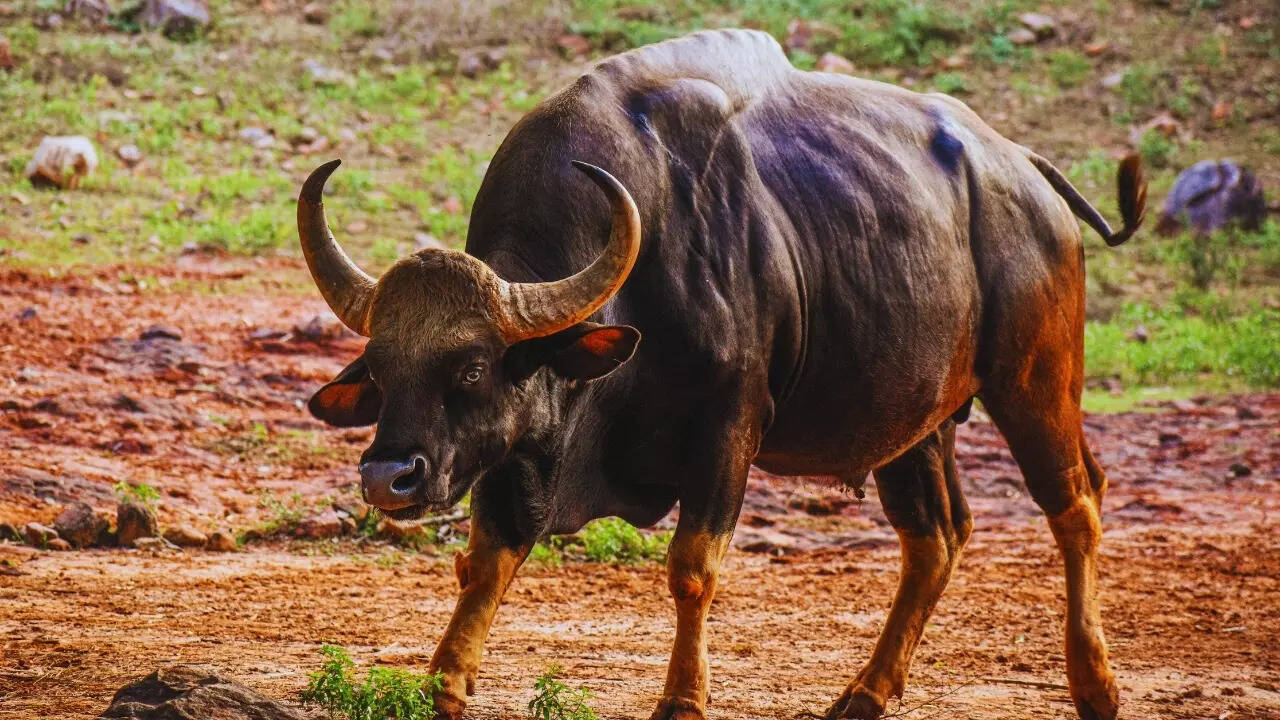
Goa – Gaur (Indian bison)
Goa – Gaur (Indian bison)
Gaur is Goa’s state animal that thrives in the moist forests of the Western Ghats. Commonly seen in the wildlife sanctuaries, it becomes a symbol in order to remind one of the rich inland biodiversity of the state-one should not think that everything in Goa is its beaches. Have you seen one in the wild? 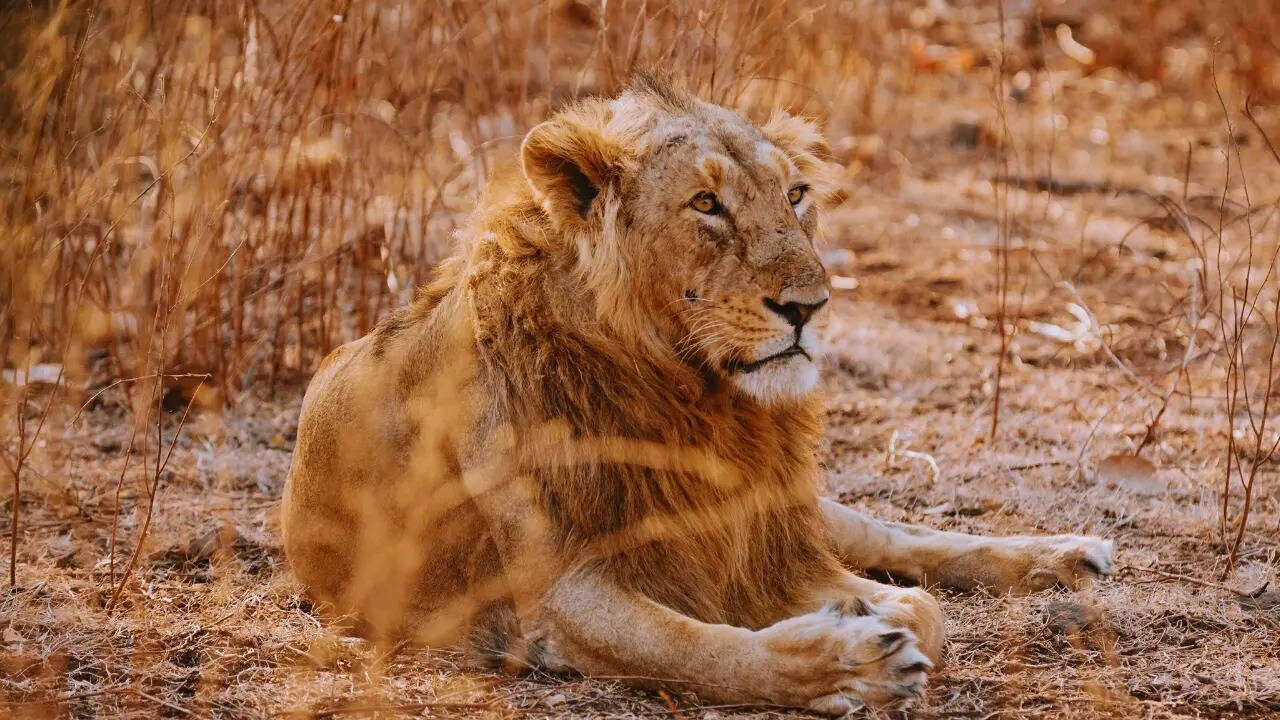
Gujarat – Asiatic lion
Gujarat – Asiatic lion
Did you know that the Asiatic lion survives in the wild only in Gujarat’s Gir forest? As the state animal, it represents conservation pride and responsibility. Gujarat’s success in protecting this species has global significance, as the entire population depends on one landscape. 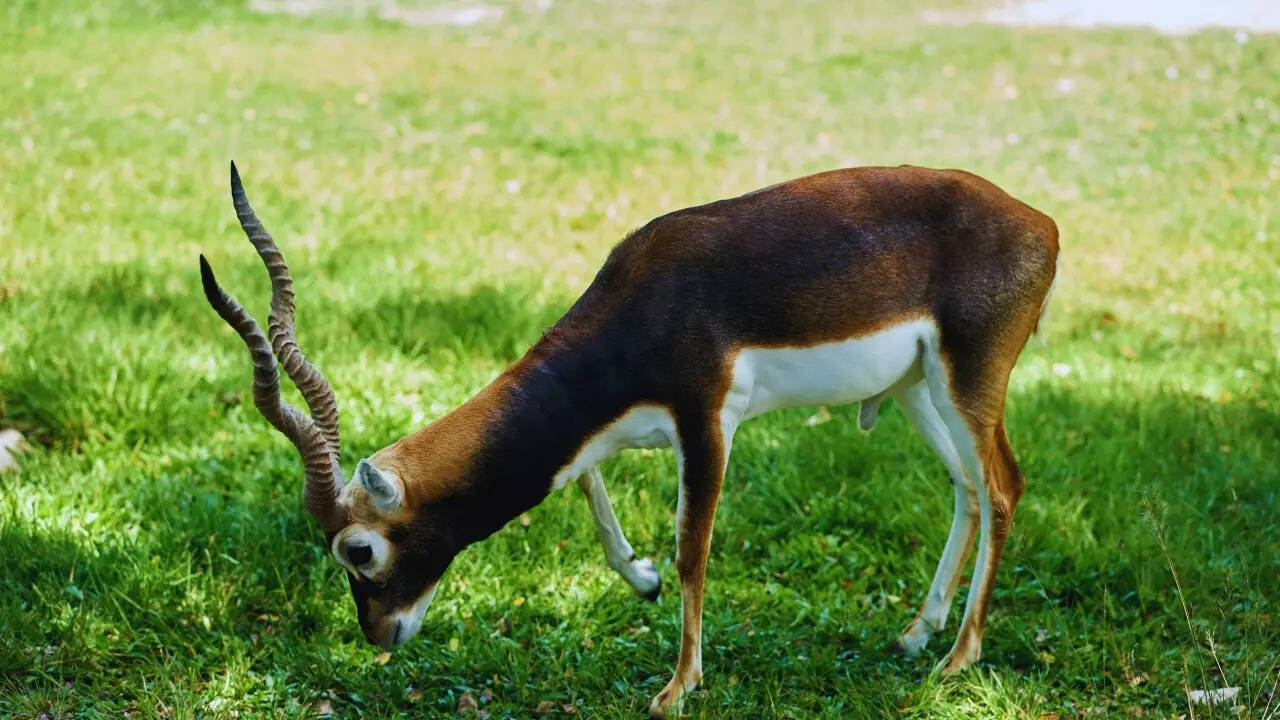
Haryana – Blackbuck
Haryana – Blackbuck
The Blackbuck reflects Haryana’s grassland ecology and strong conservation traditions. Once common across the plains, it now survives in scattered locations, and that too due to protection and community support. 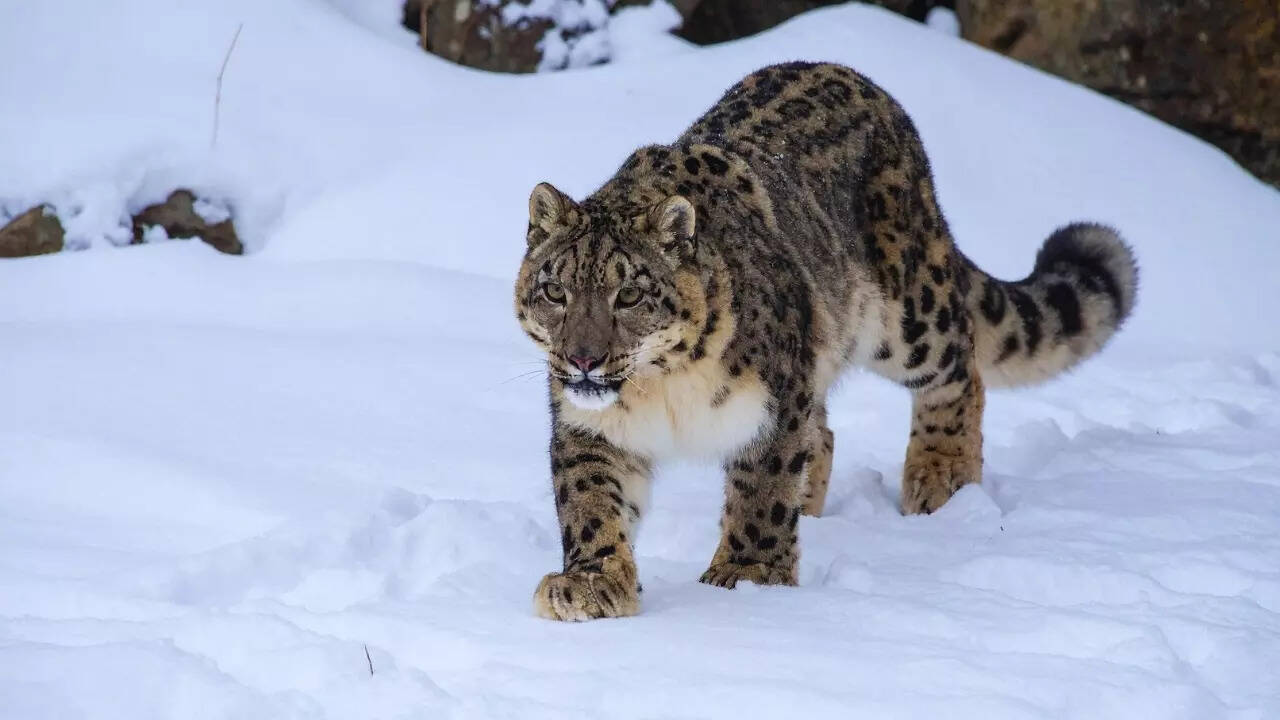
Himachal Pradesh – Snow leopard
Himachal Pradesh – Snow leopard
The elusive snow leopard is seldom sighted and prefers to inhabit the high mountains of Himachal Pradesh. The snow leopard stands for the fragile mountain ecosystem and the need to conserve biodiversity. 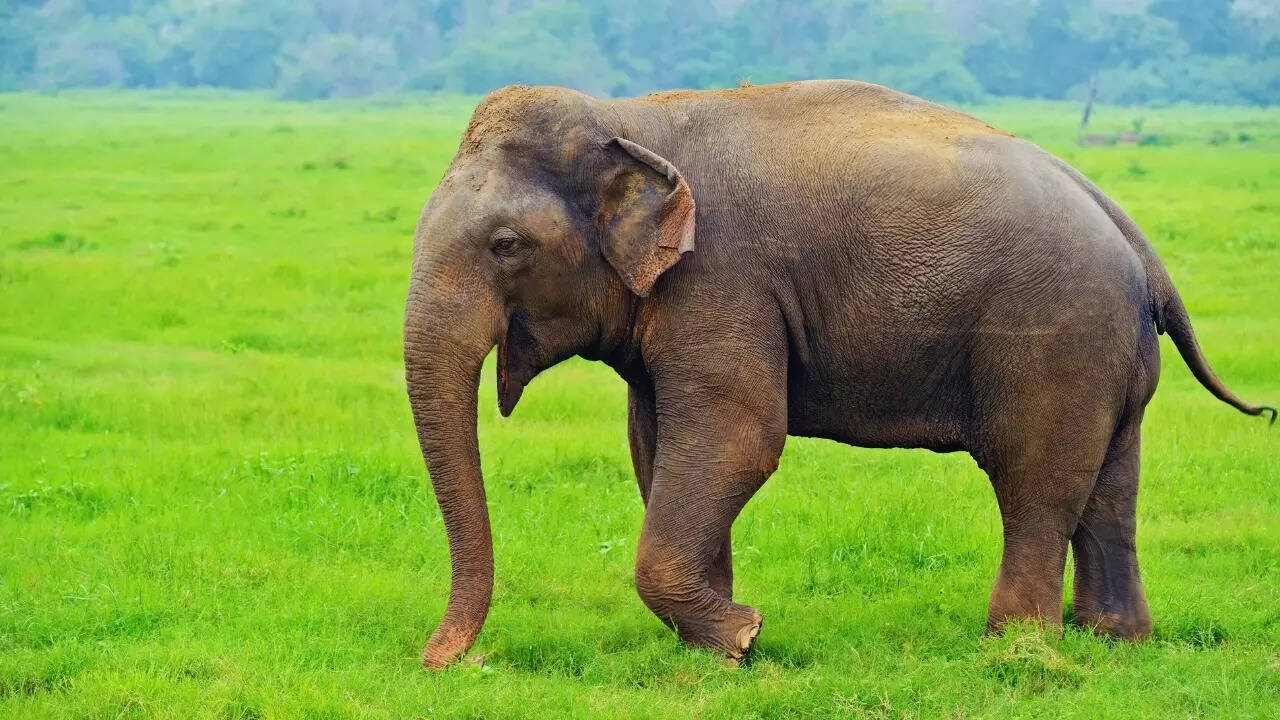
Jharkhand – Indian elephant
Jharkhand – Indian elephant
The Indian elephant plays an integral part in the forests of Jharkhand, as well as in the tribes living there. Being a “keystone species,” it influences the types of ecosystems in forests through the dissemination of seeds. Being the state animal also implies the struggle in making human and elephant coexistence possible. 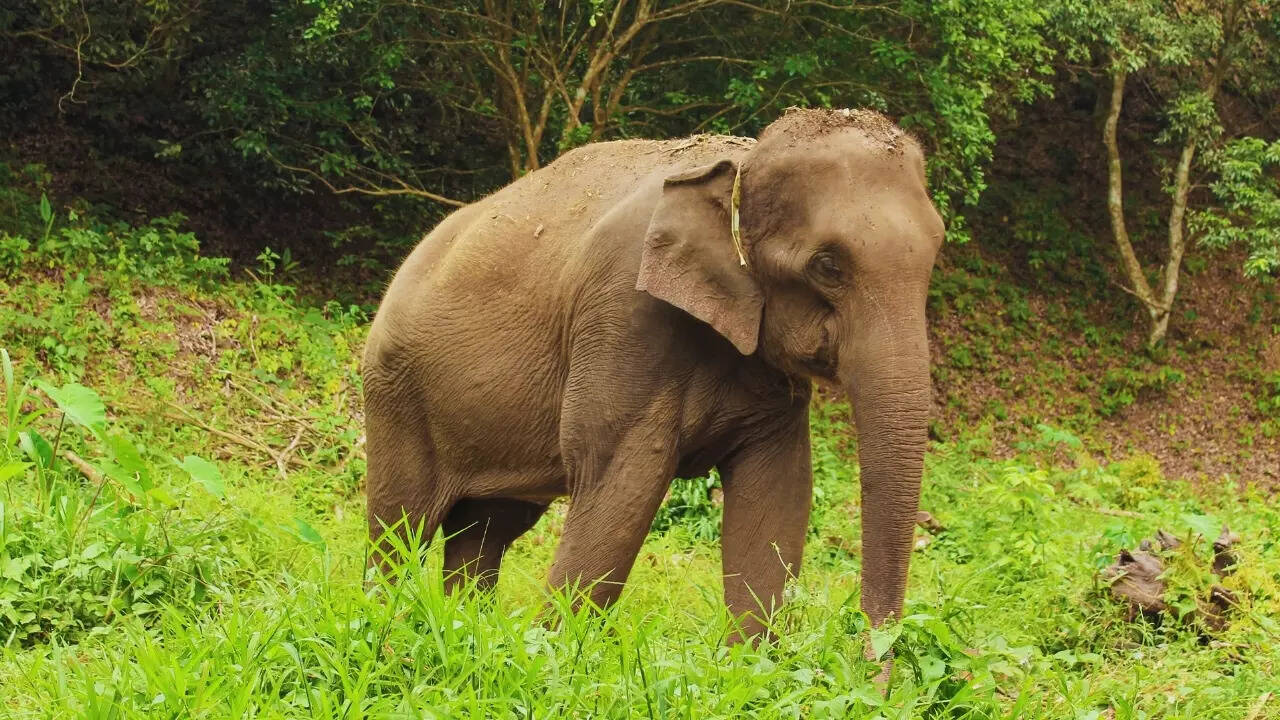
Karnataka – Asian elephant
Karnataka – Asian elephant
Karnataka has one of the largest populations of elephants in India, particularly in the Western Ghats range. The elephant represents conservation, balance in nature, and wildlife tourism, so it’s an important symbol for natural resources in Karnataka. 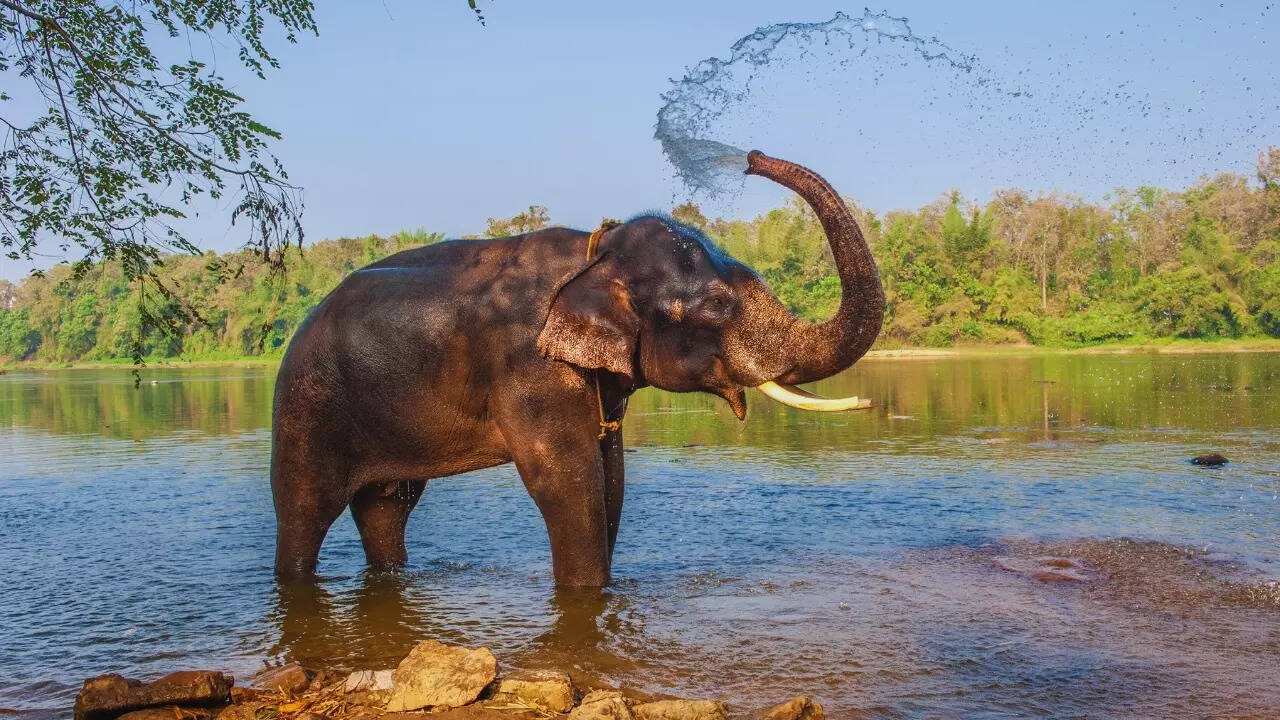
Kerala – Indian elephant
Kerala – Indian elephant
In the state of Kerala, elephants have religious, social, and biological importance. Elephants are part of the festivities held at religious sites, and they are found in forest reserves within the state as well. Elephant status signifies the importance of ethical handling and conservation of wildlife. 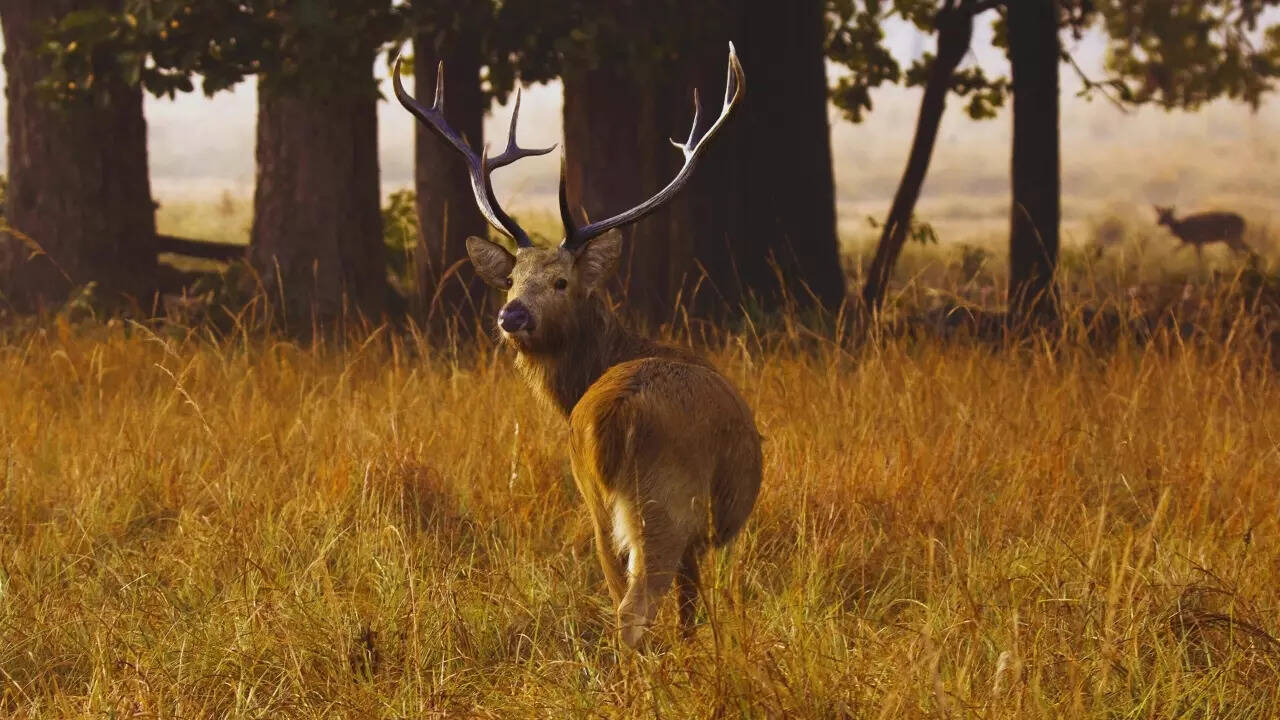
Madhya Pradesh – Barasingha or Swamp deer
Madhya Pradesh – Barasingha or Swamp deer
The Barasingha symbolises one of India’s most celebrated conservation successes. Once near extinction, it recovered in Kanha National Park. Its state animal status reflects Madhya Pradesh’s role as the heartland of Indian wildlife conservation. 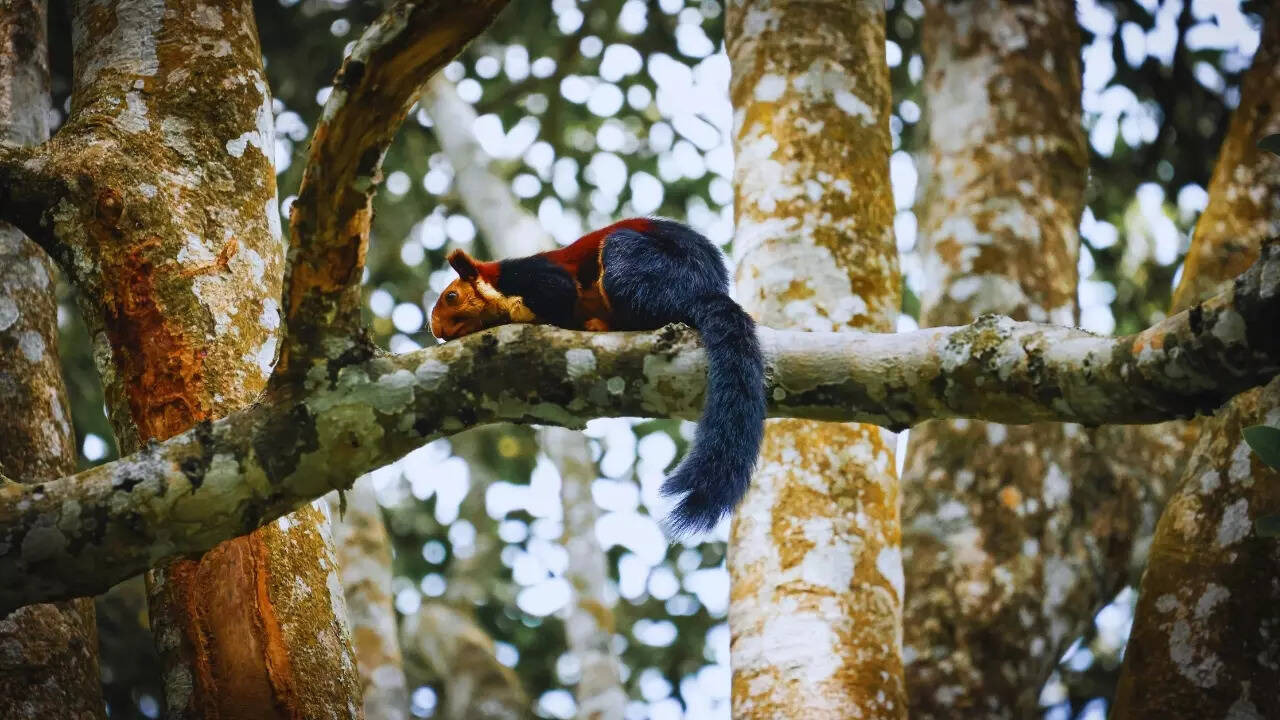
Maharashtra – Indian giant squirrel
Maharashtra – Indian giant squirrel
It is an endemic species of India, recognised by its colourful appearance and tree-dwelling nature, being common in Western Ghats, hence denoting the significance of India’s forests, not limited to massive creatures. 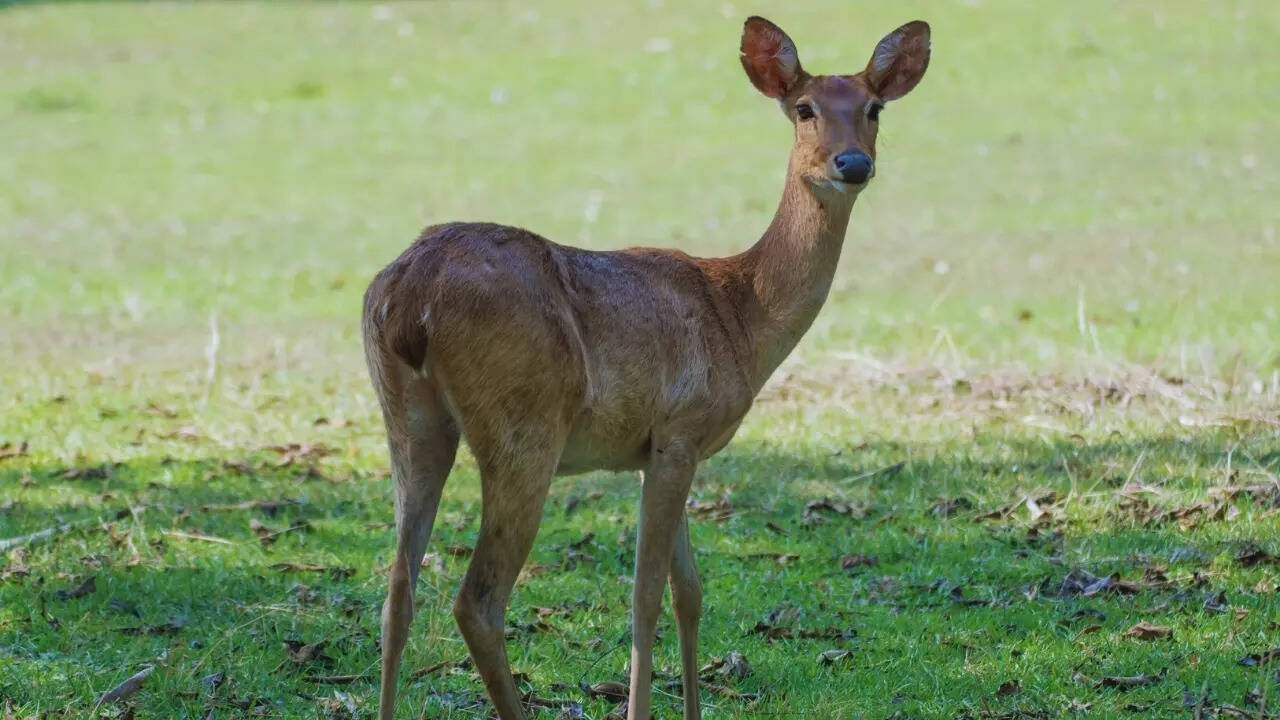
Manipur – Sangai
Manipur – Sangai
The sangai can be found only in one place in the world, the Keibul Lamjao National Park, which is the world’s only floating national park. Often called the “dancing deer,” it symbolises Manipur’s unique wetlands and fragile ecological balance. 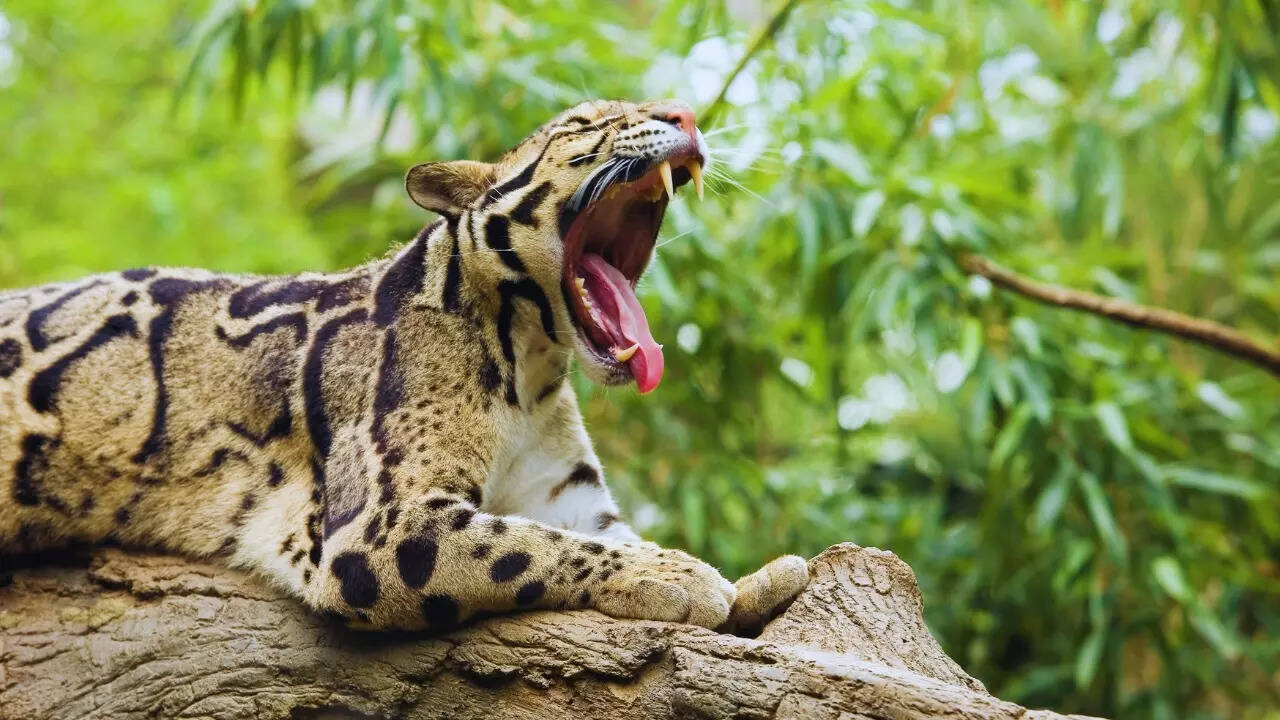
Meghalaya – Clouded leopard
Meghalaya – Clouded leopard
The clouded leopard inhabits the continuous dense, misty forests of Meghalaya. It is an expert climber and reflects the rich but little-seen wildlife diversity of the state. Its selection underlines the importance of conservation of northeast India’s forest ecosystems. 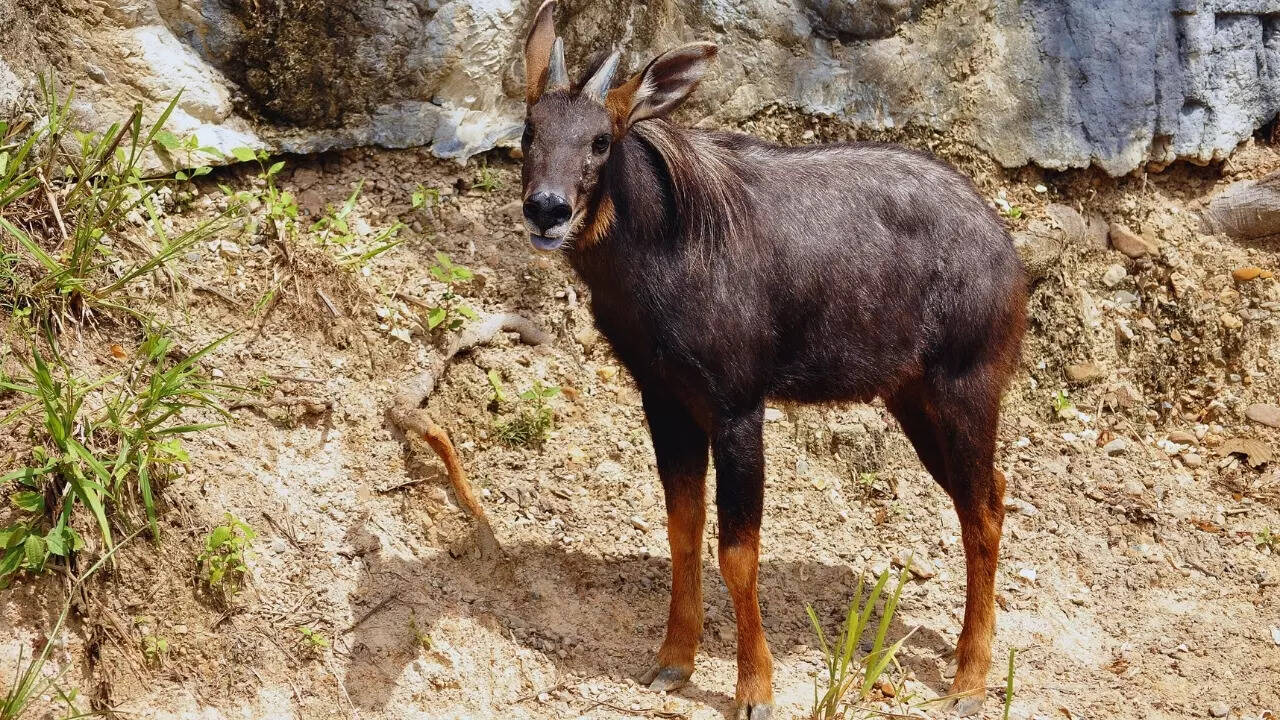
Mizoram – Himalayan serow
Mizoram – Himalayan serow
The Himalayan serow is a goat-antelope adapted to steep, forested terrain. As Mizoram’s state animal, it symbolises the rugged landscape and lesser-known wildlife of the region’s hills and valleys. 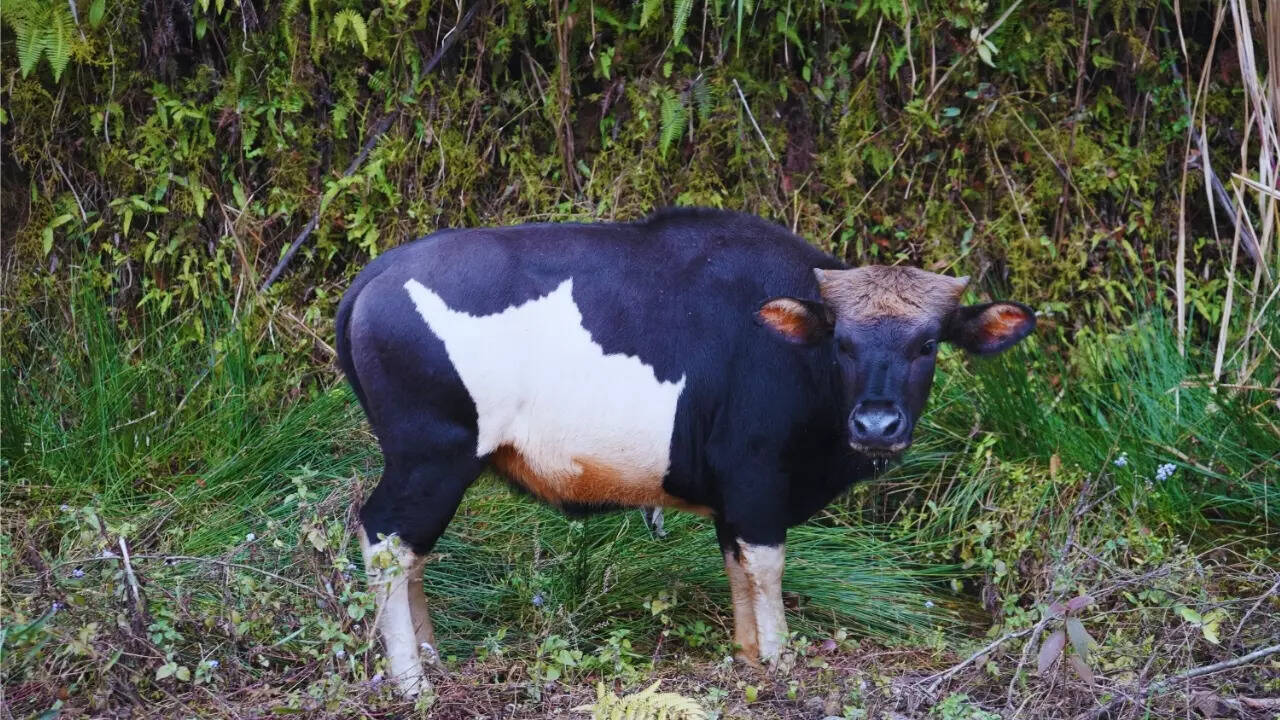
Nagaland – Mithun
Nagaland – Mithun
In Nagaland, the mithun is both a cultural icon and a sign of prosperity. Being part of their tribal tradition and ceremony, it depicts the intrinsic linkage between indigenous identity and native species. 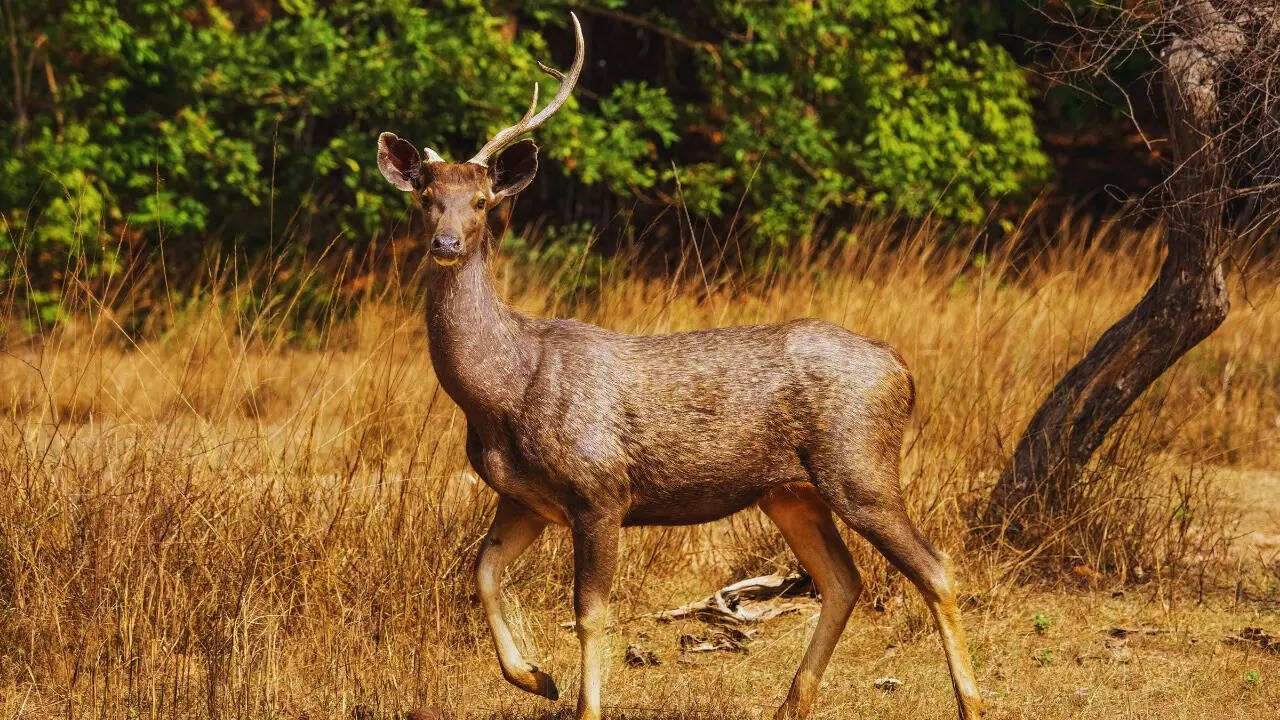
Odisha – Sambar deer
Odisha – Sambar deer
One of the largest deer species in India, Sambar, is widely distributed in Odisha forests. It is believed to support many predators and health status in forests. It is considered a state animal because it represents the importance of protection for mixed forest ecosystems. 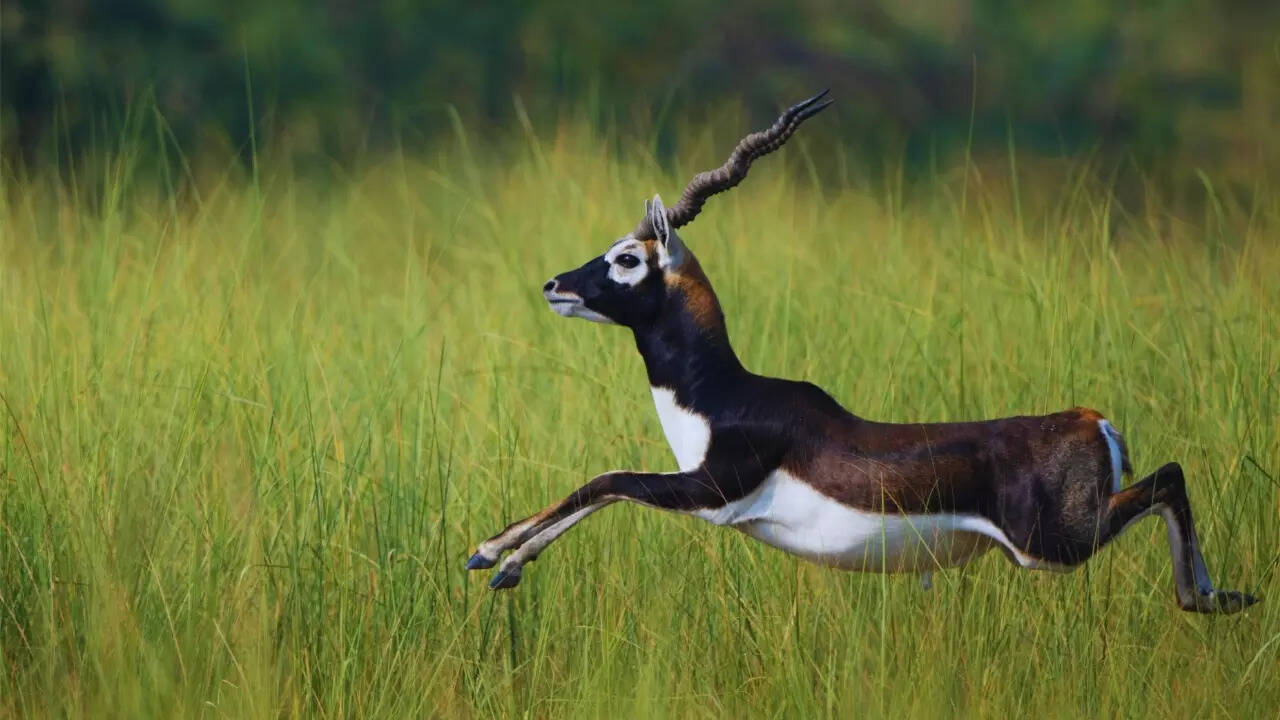
Punjab – Blackbuck
Punjab – Blackbuck
Once common in the plains of Punjab, Blackbuck survives now through concerted conservation efforts. Its designation reflects the commitment of the state to securing wildlife in agricultural and human-dominated matrices. 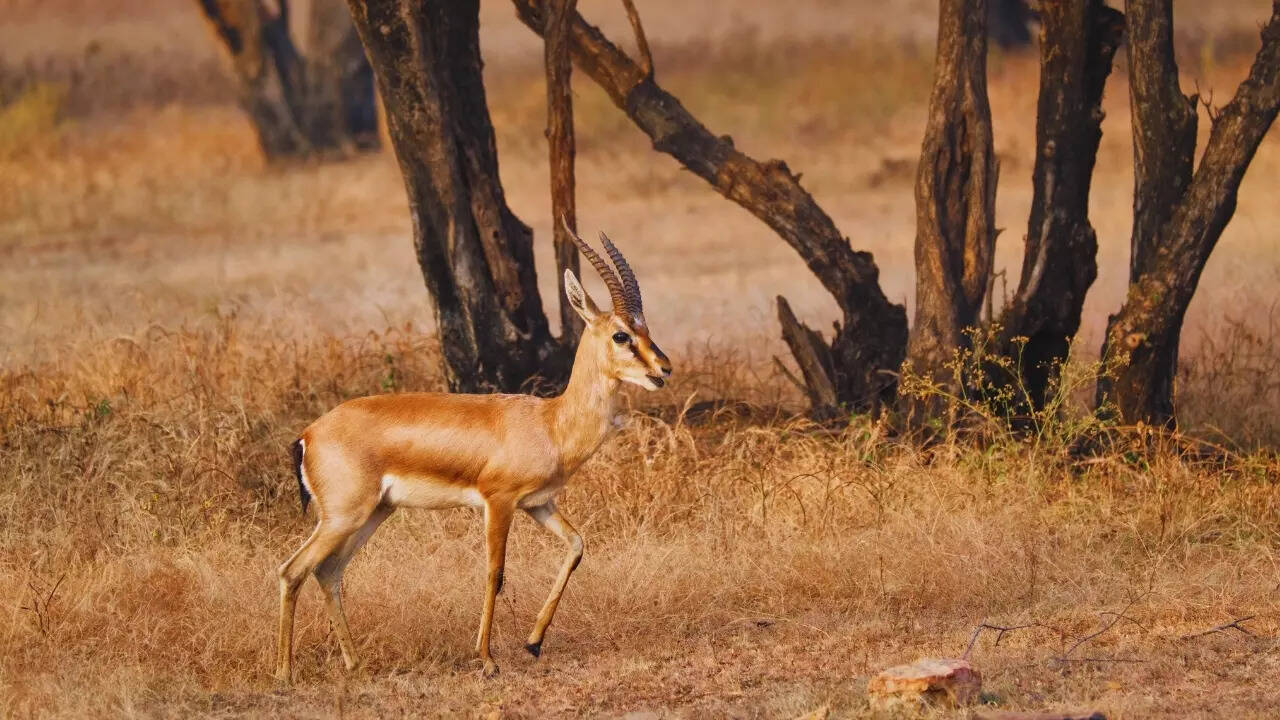
Rajasthan – Camel and chinkara (Indian gazelle)
Rajasthan – Camel and chinkara (Indian gazelle)
Did you know that the state of Rajasthan has not one, but two state animals? The chinkara or the Indian gazelle was declared in 1981 for wildlife, and the camel was declared as state animal (livestock) in 2014. The camel is inseparable from Rajasthan’s desert culture. Both of these animals are perfectly adapted to arid conditions. Their state animal status celebrates resilience, traditional knowledge, and desert ecosystems. 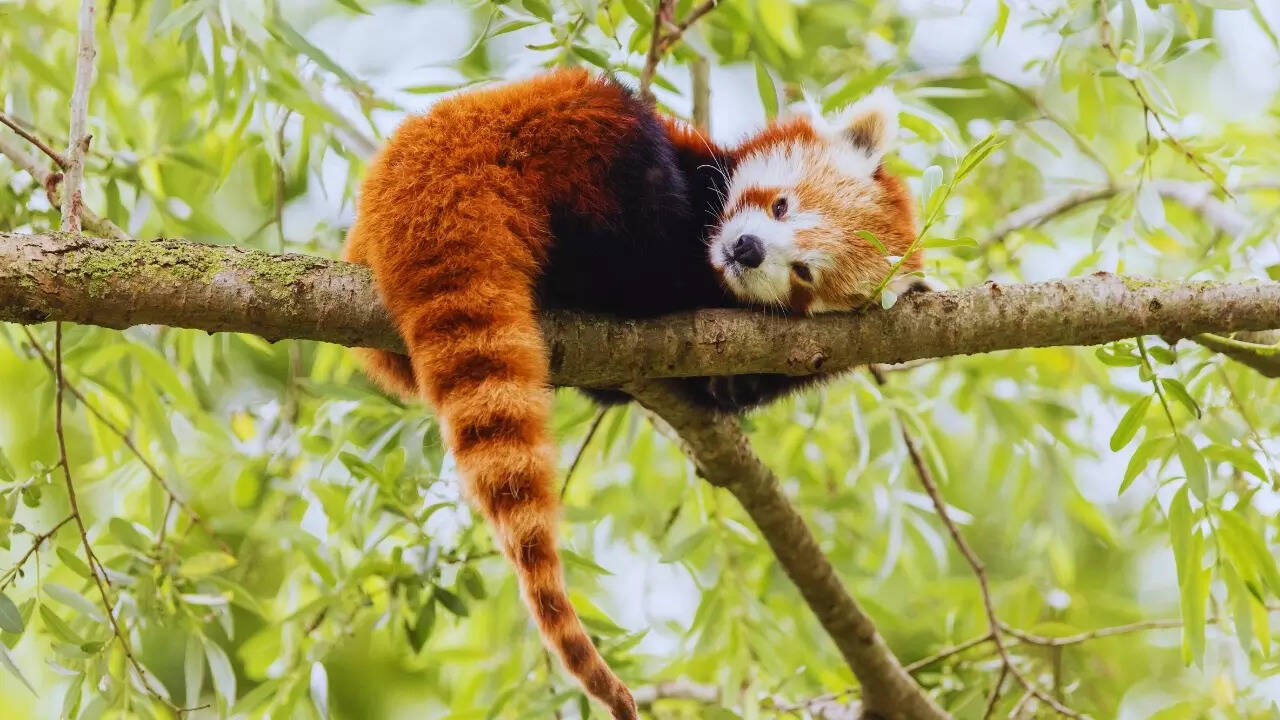
Sikkim – Red panda
Sikkim – Red panda
The red panda inhabits Sikkim’s temperate Himalayan forests. Shy and endangered, it depends on bamboo-rich habitats. Its selection highlights Sikkim’s commitment to biodiversity conservation in fragile mountain ecosystems. 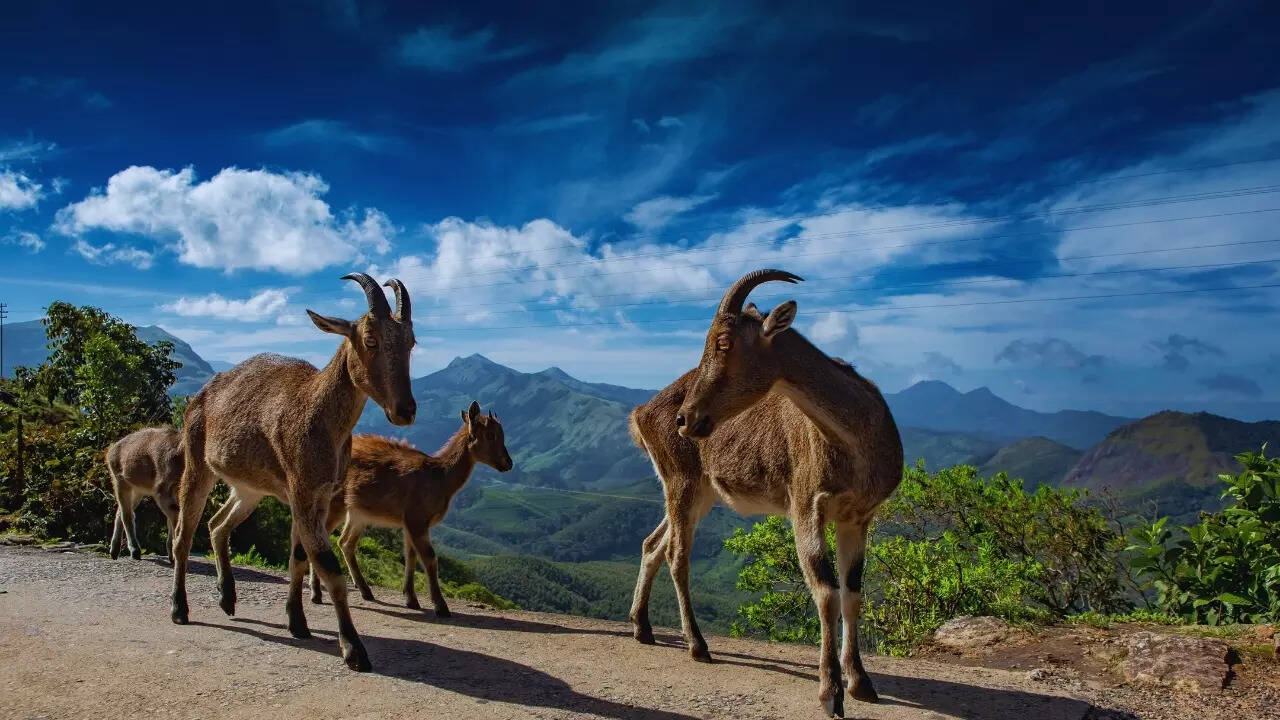
Tamil Nadu – Nilgiri tahr
Tamil Nadu – Nilgiri tahr
Endemic to the Western Ghats, the Nilgiri tahr lives in high-altitude grasslands. Its state animal status reflects Tamil Nadu’s role in protecting montane ecosystems and rare, region-specific species. 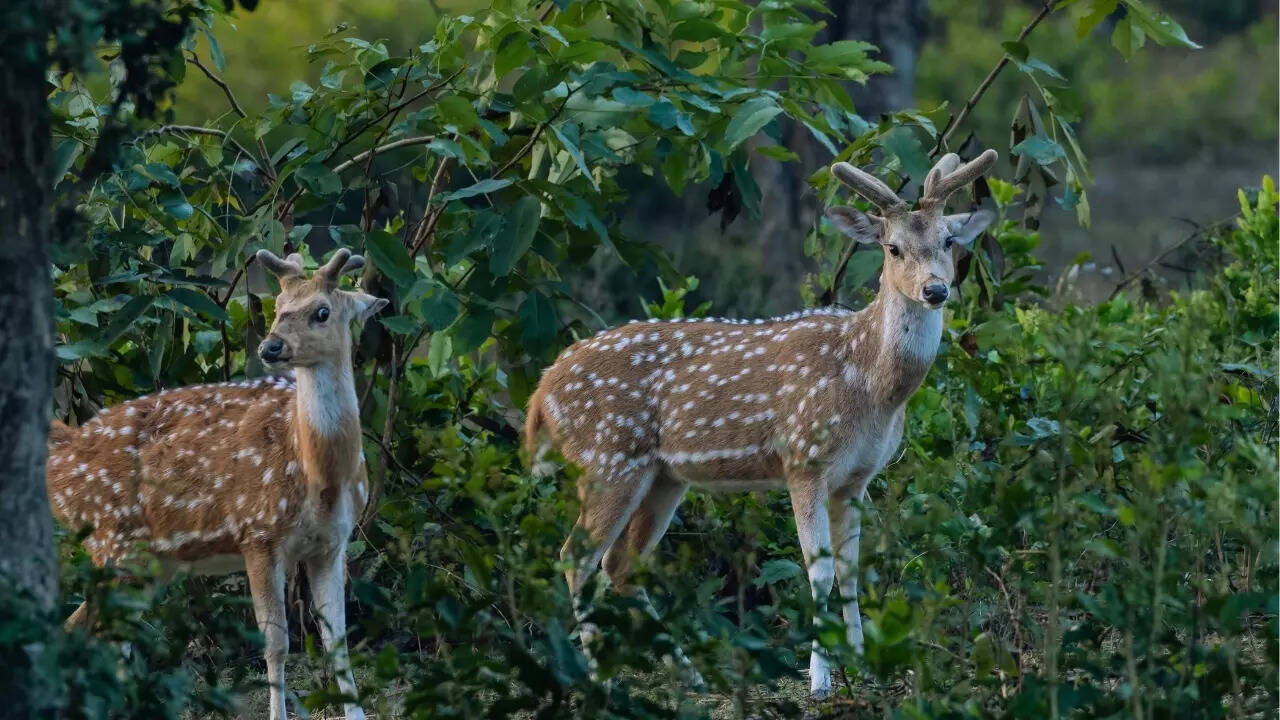
Telangana – Spotted deer or Jinka
Telangana – Spotted deer or Jinka
The spotted deer is common across Telangana’s forests and reserves. As a key prey species, it supports predator populations. Its designation represents the health and balance of forest ecosystems. 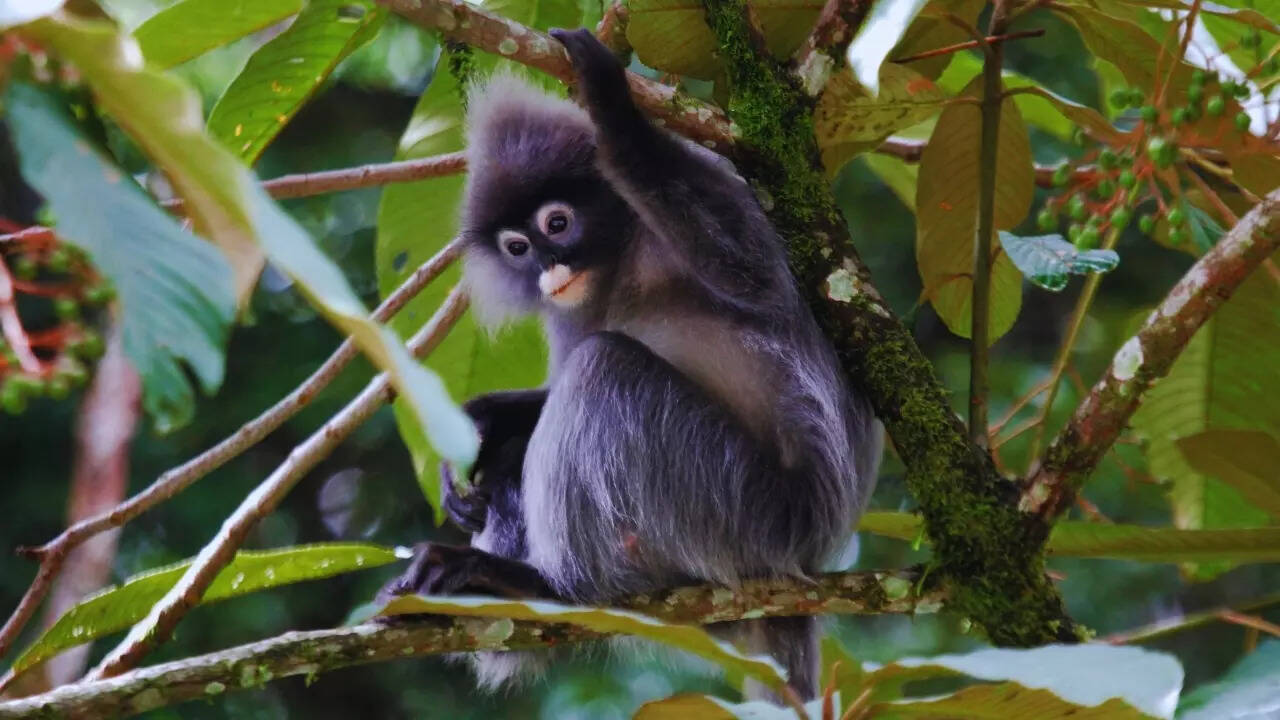
Tripura – Phayre’s langur
Tripura – Phayre’s langur
Did you know this fact about this primate species? Have you come across this species before?The Phayre’s langur is a rare leaf-eating primate species that exists in Tripura. The fact that it is known as the state animal highlights the importance of its primate species and their habitats in northeast India. 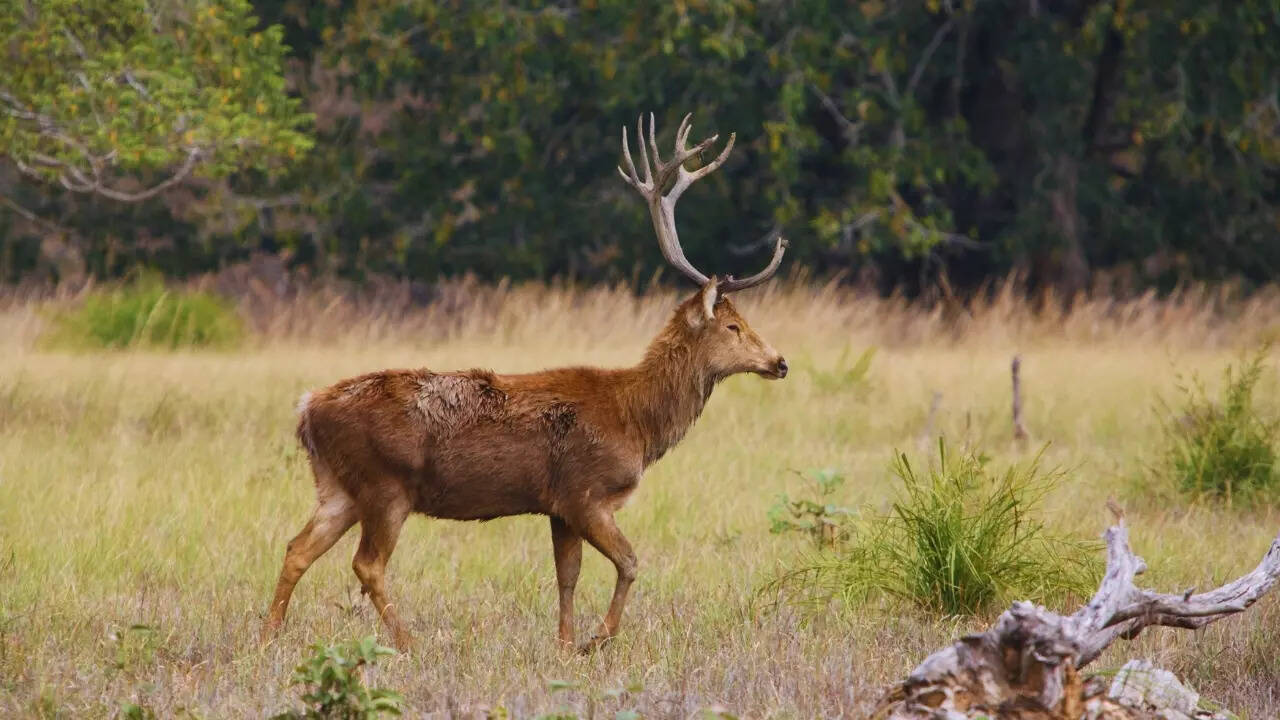
Uttar Pradesh – Barasingha or Swamp deer
Uttar Pradesh – Barasingha or Swamp deer
The Barasingha is an indicator species of wetlands, grasslands, and Uttar Pradesh. The swamp deer, being dependent on marsh lands, points towards the conservation of flood lands and river-side areas. 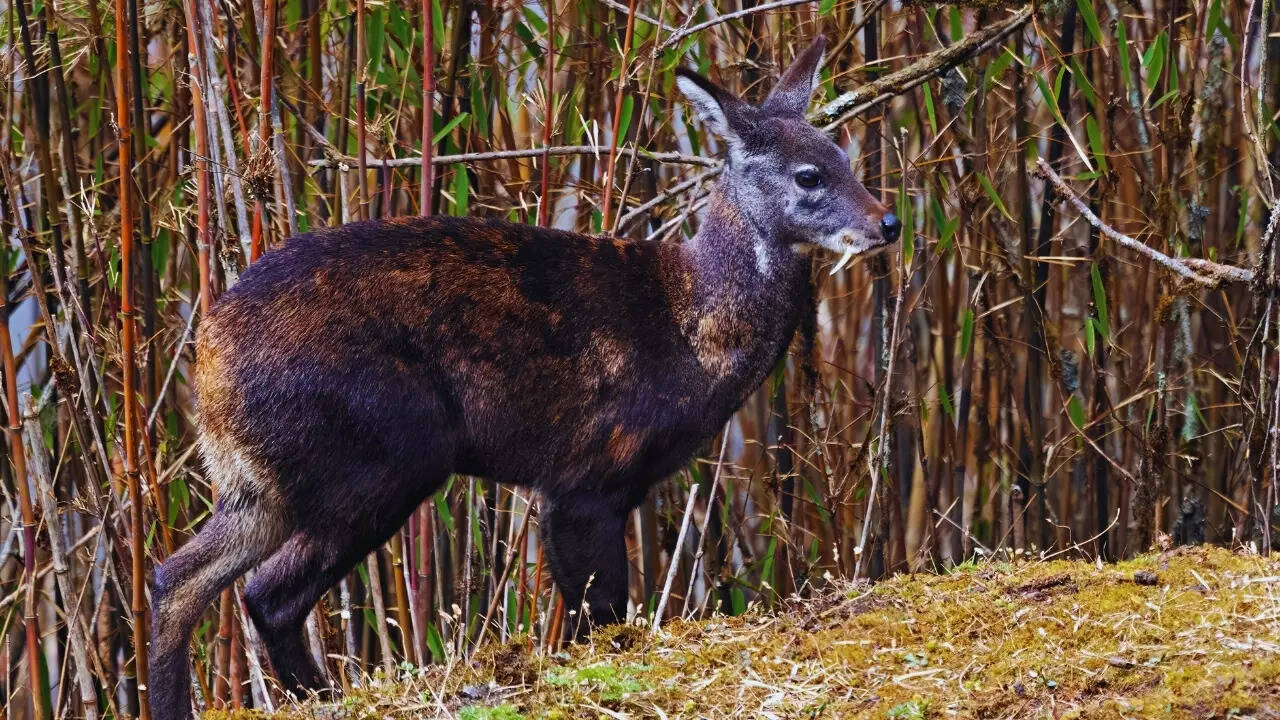
Uttarakhand – Alpine musk deer
Uttarakhand – Alpine musk deer
It prefers living in the Himalayan forest in an elevated region. It is shy, solitary, and showcases the vulnerability of Himalayan biotechnology, therefore requires maximum care in being protected. 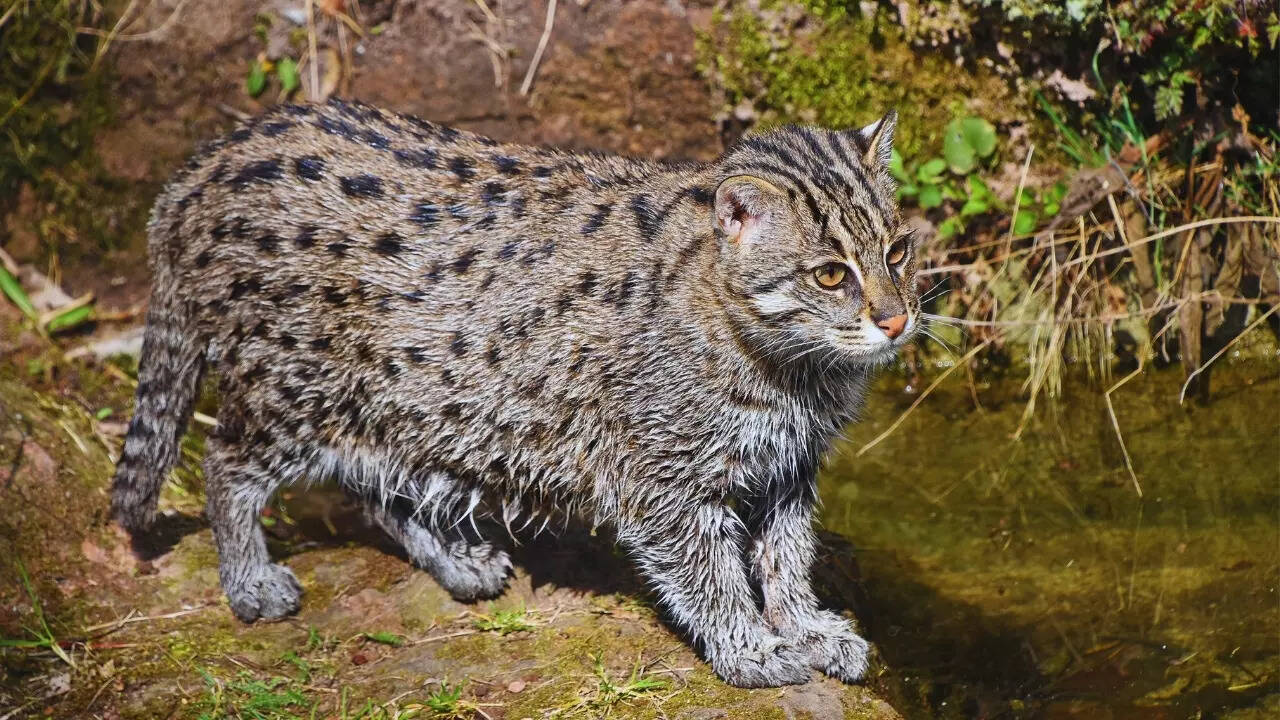
West Bengal – Fishing cat
West Bengal – Fishing cat
Agile and competent swimmers, the fishing cat prefers environments such as the Sundarbans, which comprise mangrove forests and wetlands, as their habitat. This species has been recognised in an effort to bring into focus the importance of wetlands and not.