
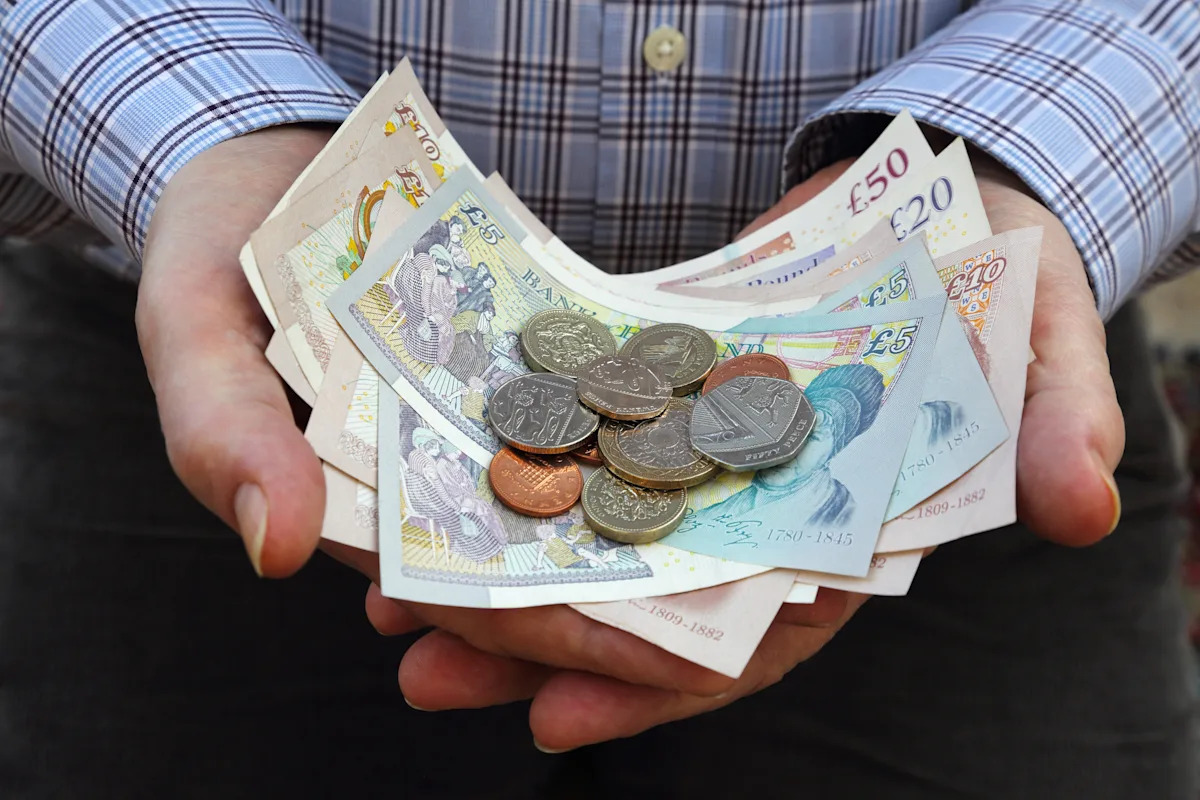
HMRC has confirmed it is “working” with the Treasury to ensure pensioners will be exempt from paying income tax on their state pension if their payments exceed the personal allowance threshold.
Officials from the tax authority confirmed this week that the one million people who are exclusively paid the state pension without any private pension pots will be spared paying 20% basic rate tax on their fund.
In November’s budget, Rachel Reeves announced she was extending the freeze on the personal tax threshold at which people start to pay income tax for a further three years, up to April 2031.
The move sparked concern that this would likely drag at least 500,000 pensioners above the threshold. In April, the state pension will increase by more than £500 to £12,547.60, just short of the £12,570 personal allowance. It would almost certainly go above the threshold the following year – meaning swathes of pensioners would have to fill out a tax return.
Reeves faced initial criticism, but subsequently clarified that anyone only in receipt of the state pension would not have to pay any tax “in this parliament”.
What dates will the protections come into place?
The ‘personal allowance’ is the amount of income you can earn each tax year before you start paying income tax.
With the income tax freeze set to push state pensioners into the next tax bracket from the next financial year, it’s clear the government needs to act quickly to ensure it can keep its promise to spare state pensioners an unexpected tax bill.
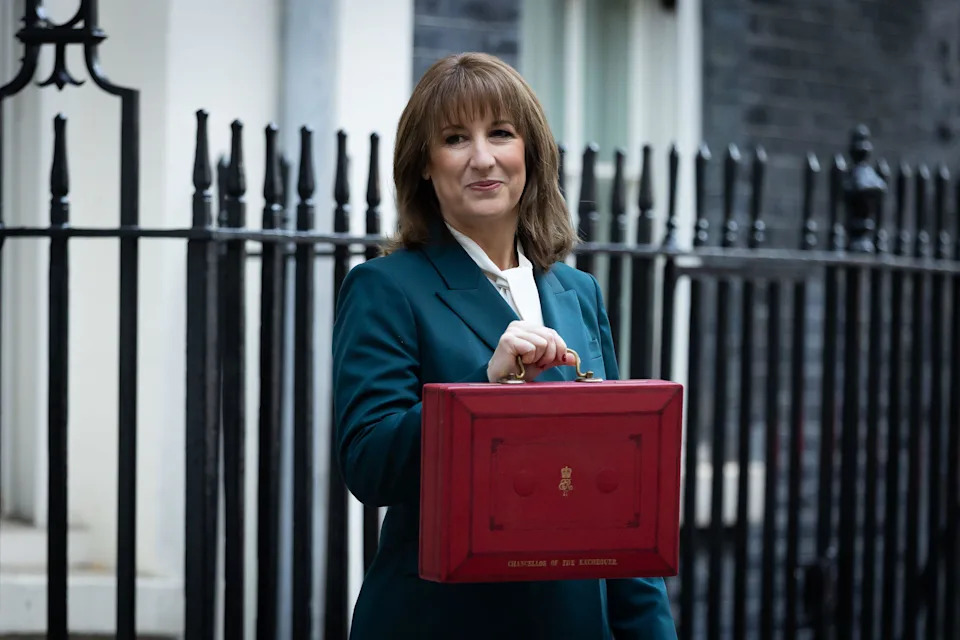
Reeves confirmed the freeze in the budget (Alamy)
(SOPA Images, SOPA Images Limited)
Speaking to the Treasury select committee on Tuesday 13 January, HMRC director Cerys McDonald confirmed that the policy to protect pensioners from taxation would be enshrined in the next Finance Bill, which is due after the Chancellor’s 2026 Budget.
This will ensure that the process is in place before the threshold hits state pensioners in April 2027.
“I can reassure the committee that we are working hand-in-glove with the Treasury on these options to make sure that the final decision is operable from April 2027,” McDonald said, adding that “we are working through the options with her now.”
McDonald confirmed that she “does not expect there to be any customer requirement here or to apply for this. We should be able to automate it.”
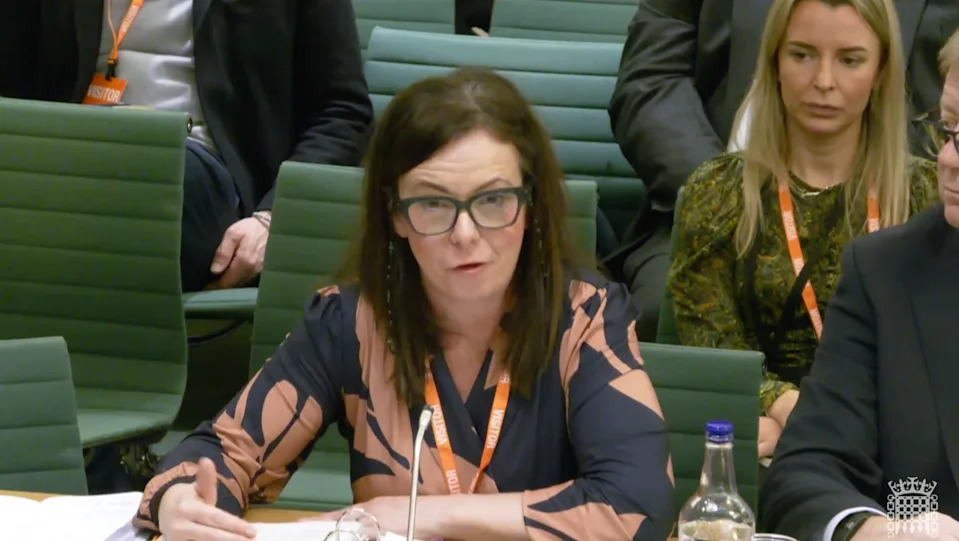
HMRC confirmed the changes will be in place before the 2027 financial year
“Further detail will be set out in due course,” she added.
Will pensioners have to pay tax on their state pension?
On 27 November, Reeves confirmed that pensioners whose sole income in retirement is the state pension won’t have to pay tax if it exceeds the allowance.
However, this relief doesn’t extend to those with private pensions.
Technically, those who are “dependent on the state pension are quite likely to be liable to pay income tax by 2027,” Lily Megson-Harvey, policy director at My Pension Expert, told Yahoo News after the budget.
So even though those pensioners dependent on the state pension would be flagged as having a taxable income, Reeves said she will exempt those who fit under that criterion.
“If it’s not done automatically, pensioners should be able to claim their tax back, which is positive,” Megson-Harvey added.
Will pensioners have to complete a tax return?
Speaking to Martin Lewis in November, Reeves promised that such pensioners “won’t have to pay the tax” or file returns during this parliamentary term, insisting workarounds would be found to avoid people chasing “tiny amounts of money”.
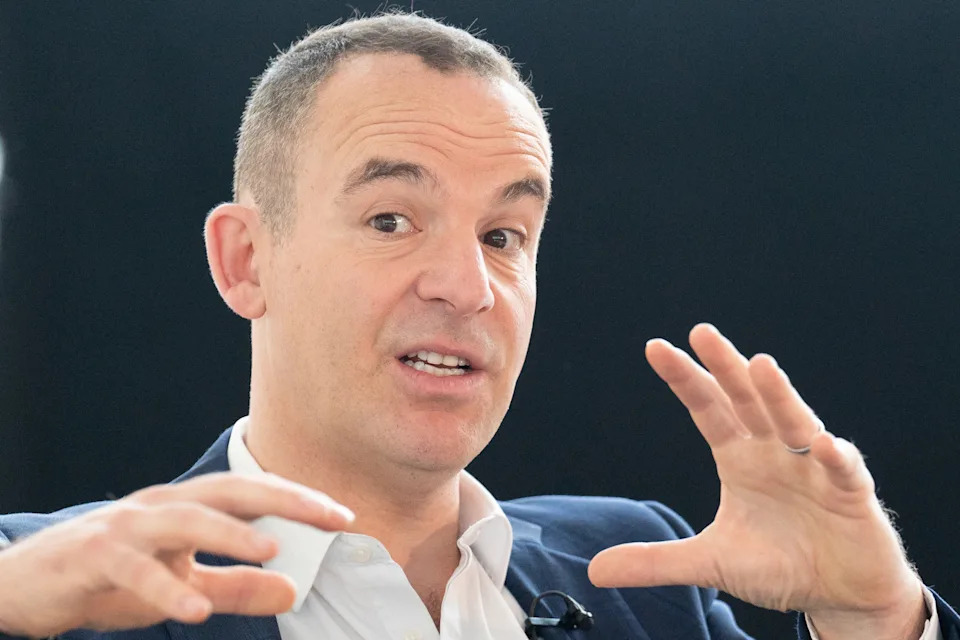
Martin Lewis from Money Saving Expert challenged Reeves over the freeze (PA via Getty)
(Stefan Rousseau – PA Images via Getty Images)
This is also the case for pensioners living off a state and private pension.
“For retirees who have both a private and a state pension, they don’t need to complete a self-assessment tax return,” Megson-Harvey said.
“HMRC typically collects tax owed by adjusting the tax code on the private pension, using the pay as you earn (PAYE) system.”
How do I make my pension savings count?
For those worried about how their pension could be hit by the personal allowance freeze, Megson-Harvey told Yahoo News “there is still time to plan” how to make the most of savings.
“While it’s quite likely these changes will come into effect by 2027, there is time to plan,” Megson-Harvey said shortly after the budget announcement.
“In the months and years to come, we really hope to see that the government does lay out a clear plan to make sure that all information about taxation for pensioners is accessible.”
For pension savers, there’s even more time to take stock of the best options available.
“First of all, for those concerned about salary sacrifice changes, those won’t come in until April 2029, so there’s plenty of time to plan and track down all of your pensions to make sure you know exactly how much you have,” Megson-Harvey said.
“It’s worth considering looking at ISAs, particularly stocks and shares ISAs, if someone feels comfortable with that longer-term investment. It’s also worth looking at different options for personal pensions.”