
The Canadian Football League continues to weigh its long-term future, balancing tradition with the realities of growth in a changing sports landscape. As the league looks beyond its current nine-team alignment, expansion remains part of the conversation, though tempered by practical challenges that have stalled similar efforts in the past.
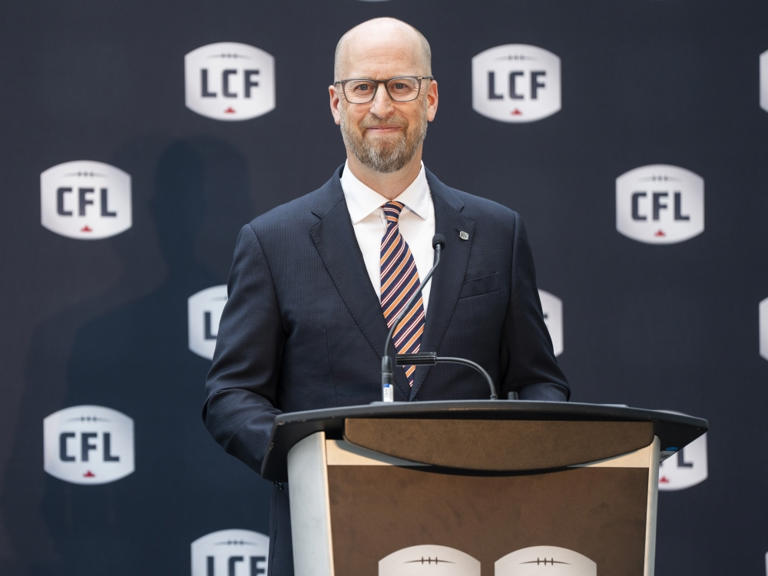
CFL commissioner Stewart Johnston says the idea of reaching an even number of teams is very much alive, even if no formal timeline has been set.
“I would love to see a tenth team join us by 2030. I think that’s a great date to focus on,” Johnston says. “Most people who have followed this league know we want to get to ten teams, and I feel the same way.”
The league has operated with nine franchises since the Ottawa Redblacks returned to play in 2014. Since then, expansion discussions have surfaced periodically, most notably around Atlantic Canada, but none have advanced to the point of a new team taking the field.
Johnston notes that while interest exists, turning that interest into a viable franchise remains complex.
“Stadium issues continue to be the number one problem to solve,” he explains. “There are a couple of areas across the country where there is opportunity, and we continue to receive inbound interest from people who want to be part of the league.”
Potential markets such as Halifax and Quebec City have been mentioned publicly in past years, though both would require significant infrastructure investment before hosting a CFL franchise. League officials have repeatedly stressed that a suitable stadium must be in place before expansion can move forward.
Johnston adds that conversations with prospective ownership groups are ongoing but cautions against reading too much into timelines.
“We’ll keep having those conversations, and I’ll update everyone when there is something meaningful to share,” he continues.
Related stories:
Infrastructure remains key hurdle
While enthusiasm for expansion persists, Johnston acknowledges the league’s history of missed targets. Previous administrations floated earlier expansion dates that ultimately passed without action, reinforcing the need for patience and stability.
“There has to be the right combination of infrastructure, ownership, and long-term sustainability,” Johnston notes. “Without that, expansion doesn’t make sense for the league or the communities involved.”
For now, the CFL remains focused on strengthening its existing markets while keeping the door open to growth. Whether that path leads to a tenth team by the end of the decade will depend largely on whether potential host cities can meet the league’s requirements.