

A B.C. psychologist who led a major study into addiction and criminality is speaking out now that the government is shutting down its decriminalization experiment.

Health Minister Josie Osborne announced on Wednesday that the controversial trial project would end on Jan. 31, admitting it hadn’t achieved the results the government had wanted.
A clinical psychologist from Simon Fraser University, who opposed the decriminalization plan, was part of a two-decade study that spanned addiction, homelessness, housing and the justice system.
“We were looking at everyone who was diagnosed with an addiction, involved with courts or corrections and experiencing other kinds of hardship,” Julian Somers said.
Forty million dollars was spent and dozens of academic papers were published based on that data.
One conclusion was that getting people properly housed was a top predictor of success for people suffering from addiction.
Story continues below advertisement
“When people are offered the opportunity to re-assimilate into healthy communities, they rise to that challenge,” Somers said.

Get weekly health news
Receive the latest medical news and health information delivered to you every Sunday.
However, he told Global News that the B.C. government ordered its data to be destroyed before launching the decriminalization program.
Then-housing minister David Eby was personally briefed by Somers in 2021 about a week before the government ordered the deletion of the data.
More on Health
More videos
Somers said he suspects the government had already made up its mind that decriminalization was the way they were going and his research was politically inconvenient.
The B.C. Ministry of Health told Global News the deletion order was unrelated to decriminalization and it was because a data-sharing agreement had expired.
But Somers disputes the need to erase his files and believes they could have helped the government avoid the situation it is in now.
Trending Now

Trump calls Canada-China deal ‘good thing’ as U.S. officials voice concern

ICE threw flashbangs, tear gas under car with our 6 kids inside, Minneapolis parents say
He said he believes that if the government had not ignored their research, the outcome would have been much better.
“In my view there’s no question that the results that are now apparent to a great many British Columbians, a lack of success, in fact in some cases a worsening of our addiction crisis, that had we had the opportunity to pursue the work that we had had approved and funded, we would have been able to draw attention to some unintended consequences much much earlier,” Somers said.
Story continues below advertisement
“Years ago.”
4:24
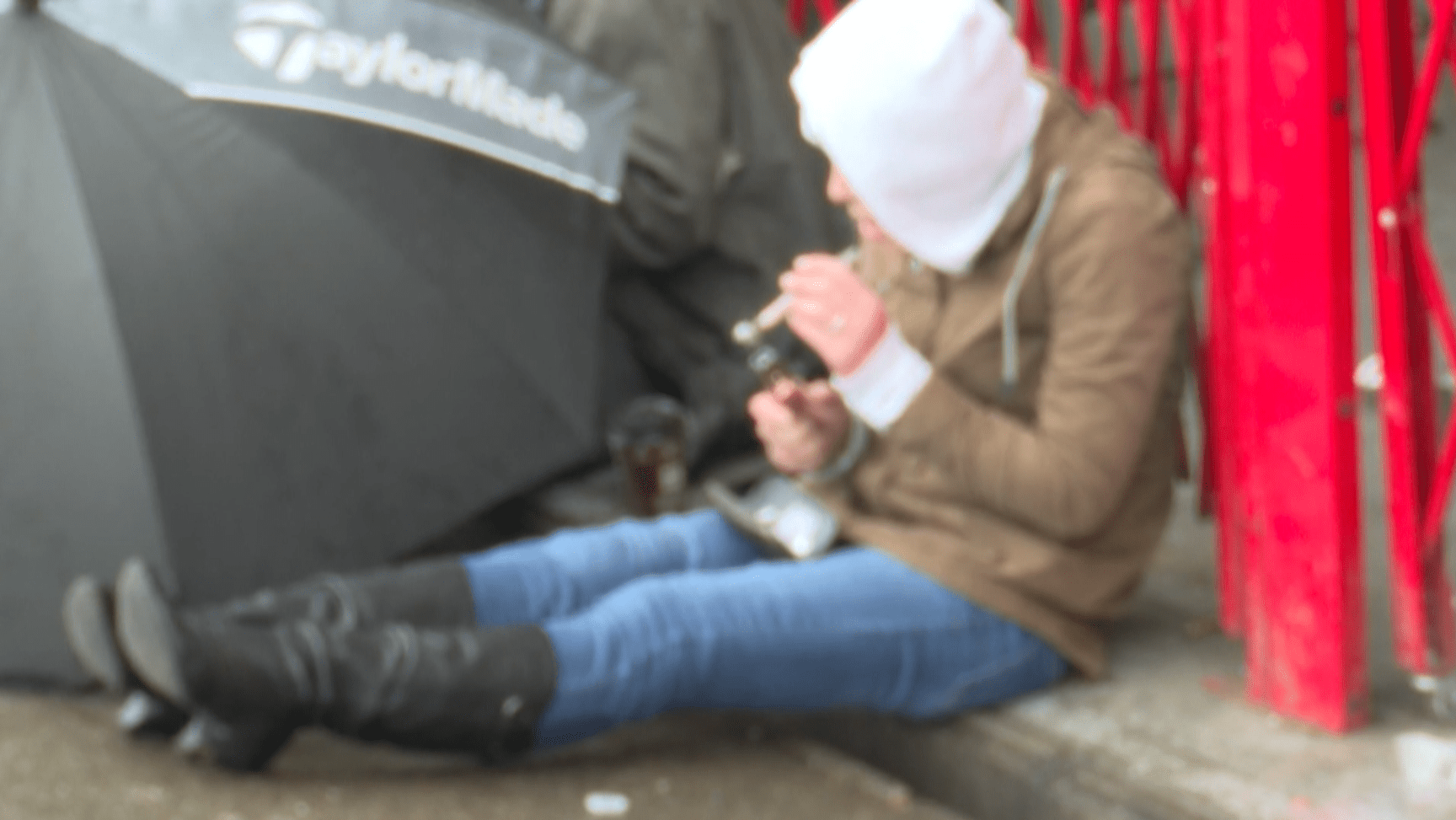
Critics weigh in on B.C. ending its experiment with drug decriminalization
© 2026 Global News, a division of Corus Entertainment Inc.