
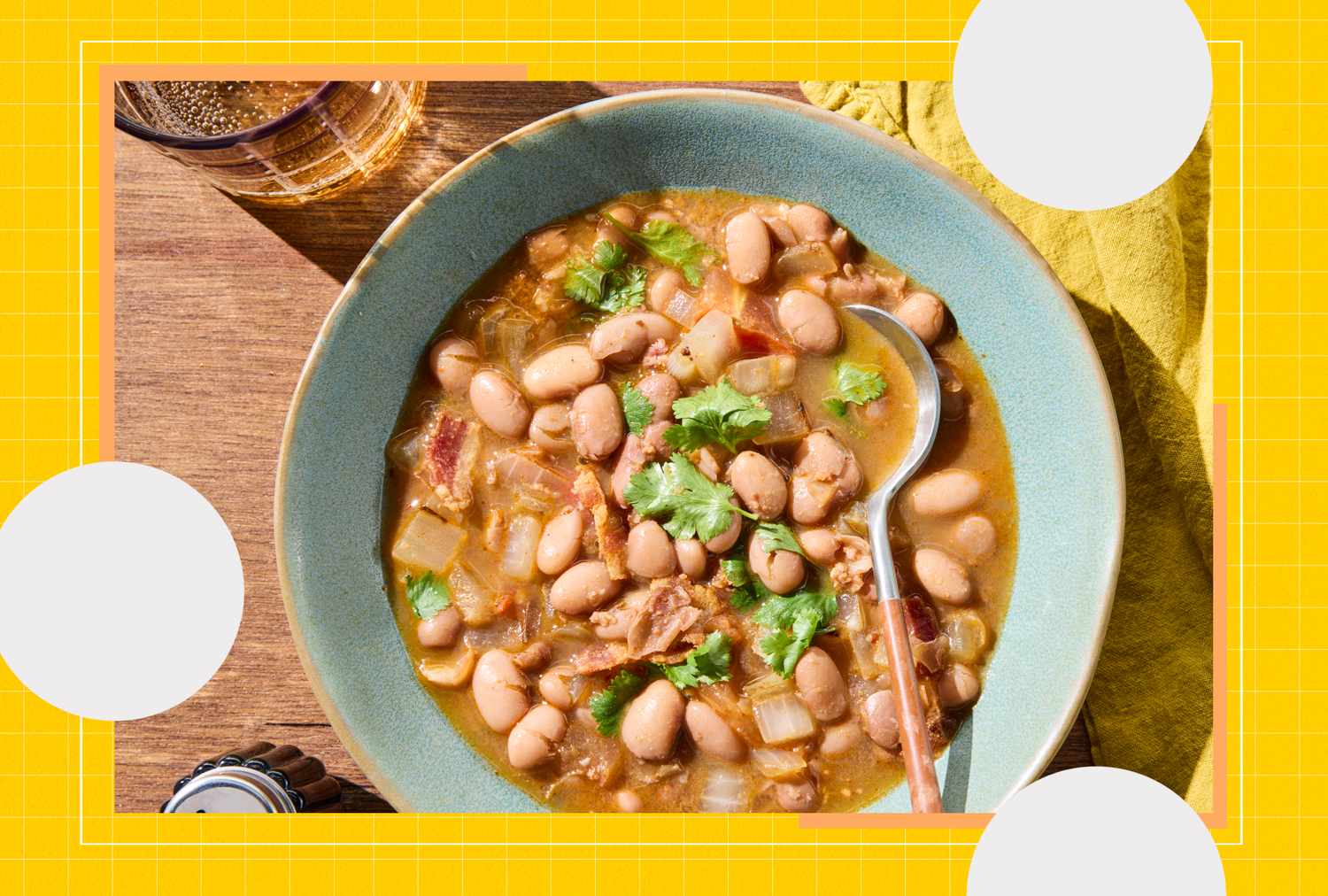
Seasoned beans are a low-cost and delicious starting point for meal inspiration.Seasoned beans are prepared differently than plain beans and traditional baked beans.Flavor combinations range from Latin to Indian and American cuisines.
“Beans, beans, they’re good for your heart” … and we all know how the rest of that rhyme goes! Other things we know about these mighty little bites are that they’re good for plant-based diets, lots of recipes and your wallet, which is perhaps why their popularity is again peaking. It’s also why food manufacturers are increasing their range of products featuring this versatile ingredient with the growing category of seasoned beans.
But what are seasoned beans? And what makes them different from the beans we grew up grabbing off the shelf? Because historically, in the U.S., we’ve had two major categories of canned pantry beans: baked beans, like the sweet, saucy ones Heinz introduced in 1886, and recipe or plain beans, which are mostly untampered with other than firming agents and various levels of salt for preservation and flavor.
The latter are the ones you’ll find by variety at the grocery store under store labels and national or international brands such as Goya, that you then gussy up with seasonings at home. But those end results are what’s now adding a bit more excitement and diversity to the bean aisle, as pre-seasoned beans with global flavor profiles become more readily available.
How Are Seasoned Beans Prepared?
Many of the seasoned beans on the supermarket shelves follow Latin traditions, and it makes sense. As a staple food for that culture, there’s a long history of recipes that honor the ingredient, making already-flavored beans an easy go-to and time-saver for Central and South American–style dishes.
The way James Beard–recognized Peruvian chef Arnaldo Castillo (of Tio Lucho’s in Atlanta) “doctors up” his beans is by starting with a little fat. “I’ll grab some salted fatback or smoky bacon, dice it really small and render it out in a pan. I like to add a splash of olive oil, too, because using a mix of fats helps layer the flavor.
“Next, I build a quick sofrito right in the pan—diced onions, white or red (whatever’s handy), then cook in a little tomato paste. I’ll add a splash of Worcestershire, splash of soy sauce and season with cumin, oregano or Italian seasoning.
“After that, I crack open whatever beans I’m feeling that day—canary beans, pinto, black beans, et cetera—and dump them straight into the pan, loosening everything with some unsalted stock and a sprinkle of chicken bouillon powder. Then I just let it all simmer low and slow for 10 to 15 minutes,” he says.
All of this can sound like a lot of work, which is what’s making seasoned beans a pantry hero. And the sofrito, a labor of finely diced aromatics and bloomed spices, is often what adds the magic.
Ten years ago, when Fillo’s launched, “there were no traditionally seasoned ready-to-eat sofrito beans on the market,” Daniel Caballero, the brand’s president and founder, tells us. “Powders, flakes, extracts or freeze-dried vegetables just can’t replicate the homemade flavor of traditional fresh sofrito!” he says, and it became the premise their entire product line was built around.
Somos has become another favorite among consumers seeking a shortcut, focusing on distinctly Mexican flavors. Co-founder and CEO Miguel Leal shared, “If you want plain beans, there are already plenty of options available, but we felt this category really needed full recipes of slow-cooked beans made with vegetables and spices, just like what they serve in kitchens across Mexico and restaurants in the U.S.”
Another part of the world well-represented in seasoned legumes is India, with brands like Tasty Bite offering easy seasoned solutions. And familiar brand Bush’s Beans has developed a whole Sidekicks line, “incorporating savory, zesty and spicy twists with different spice mixes incorporated into each batch of beans for distinctive flavor,” says Stephen Palacios, their senior vice president of marketing.
Ways to Use
Seasoned beans can be a wonderful jumping-off point for easy meal inspiration, providing a flavor profile to riff off and enhance, or becoming part of a sauce to enhance other components, like rice or a salad.
“Flavorful Mexican beans unlock meals instantly,” Leal says. “Our most popular seasoned beans are our Mexican Black Beans. It’s the one people come back to again and again because it fits into any meal, like tacos, bowls, quesadillas.”
“Our other top seller is actually our recently launched breakout hit: Mexican Street Corn Pinto & Black Beans. They became a fan favorite almost immediately!” he adds. “The flavor is inspired by ‘cowboy caviar’ and is a blend of esquites-style Mexican street corn with beans, chiles, lime and a subtle hit of heat from a little jalapeño. These are really a full side dish and people love that they pack a punch of flavor without needing extra toppings or sauces,” complementing a meal of grilled meats and veggies well.
Bush’s Sidekicks flavors like Southwest Zest and Taco Fiesta are “perfect for taco night or grain bowls,” promises Palacios, and Bush’s chili beans “help you whip up a homemade chili in no time,” he says.
The most important thing is to experiment, Caballero advises. Through the years, “people have shown us new and interesting ways to eat sofrito beans. We’ve seen everything, from salads and sandwich toppings to dips, casseroles, stuffings and tapas.” And Castillo says, “We like to keep beans handy, so our baby girl can have some for dinner. They’re simply great leftovers, and if we’re doing burritos on a particular night, we’ll just add seasoned beans to our filling.”
In short, as Palacio puts it, “Seasoned beans can do more than people think. They’re hearty, versatile and full of flavor whether they’re the star of the show, a satisfying side or a surprise ingredient that steals the dish.” And he couldn’t be more right.
Health Benefits
We mentioned before that beans are good for your heart. But that’s only the start.
Eating beans offers dietitian-confirmed benefits such as improving gut health, helping with weight maintenance and increasing satiety.,, Plus, beans contain potassium, folate and iron, as well as plant protein and fiber.,,,
While there’s a slight trade-off for potentially more sodium, sugar and fat in seasoned beans, the added ingredients can offer benefits of their own. For instance, Caballero points out, “Our sofrito beans have the additional benefit of healthy fat from the extra-virgin olive oil and a variety of vitamins and minerals from fresh vegetables.”
Additionally, many seasoned beans are vegetarian or have vegetarian options, are gluten-free and often come in convenient microwaveable pouches, which are great for storage and eco-friendliness and offer an alternative to canned beans.
How to Store
Whether your seasoned beans arrived in your kitchen in a pouch or a can, they “share a similar shelf-stable window of about two years,” says Caballero, and they should be kept in a cool, dry space. If you’re concerned about storage, he points out that additional benefits of choosing pouch packaging is “a smaller, lighter pantry or packing footprint.”
Regardless of how they came, once opened, any leftovers should be stored in an airtight container in your refrigerator. Palacios recommends no more than three days of storage, and Castillo agrees.
“Make sure they cool down completely before you pack them up,” he warns. “A lot of people put hot food straight into a container, close the lid and stick it in the fridge, but if you do that, the food doesn’t cool properly and you create a danger zone where the beans can spoil a lot faster.”
How to Freeze
“Frozen seasoned beans hold up really well,” Castillo says. His method is to put them in a small deli container or to let them cool fully, then transfer them to a labeled zip-top plastic bag. “Lay the bag flat in the freezer so it freezes evenly and saves space,” he advises.
“When you’re ready to use them, pull the bag out earlier in the day, run the sealed bag under warm water just long enough to loosen the beans, then put them in a bowl to microwave or in a pot on the stove. They come back to life really nicely!” he says.
“You can store opened seasoned beans in a freezer bag or freezer-safe container for up to seven months,” Palacios adds, letting you come back to those flavors any time you like.
Whole-Food Plant-Based Diet Plan, Created by a Dietitian
Our Expert Take
Seasoned beans are a boon to a budget-minded, busy cook looking for quick, healthy meal inspiration with very little effort. And even the best chefs aren’t above using seasoned beans when they’re cooked out, with nationally acclaimed talent like Castillo proclaiming his love for their nutrition, flavor and substance. With a variety of flavor combinations available in stores—including those with fresh vegetable-based sofritos—that range from Latin to Indian and American, seasoned beans are an affordable and delicious starting point for a hearty, comforting belly-buster.