
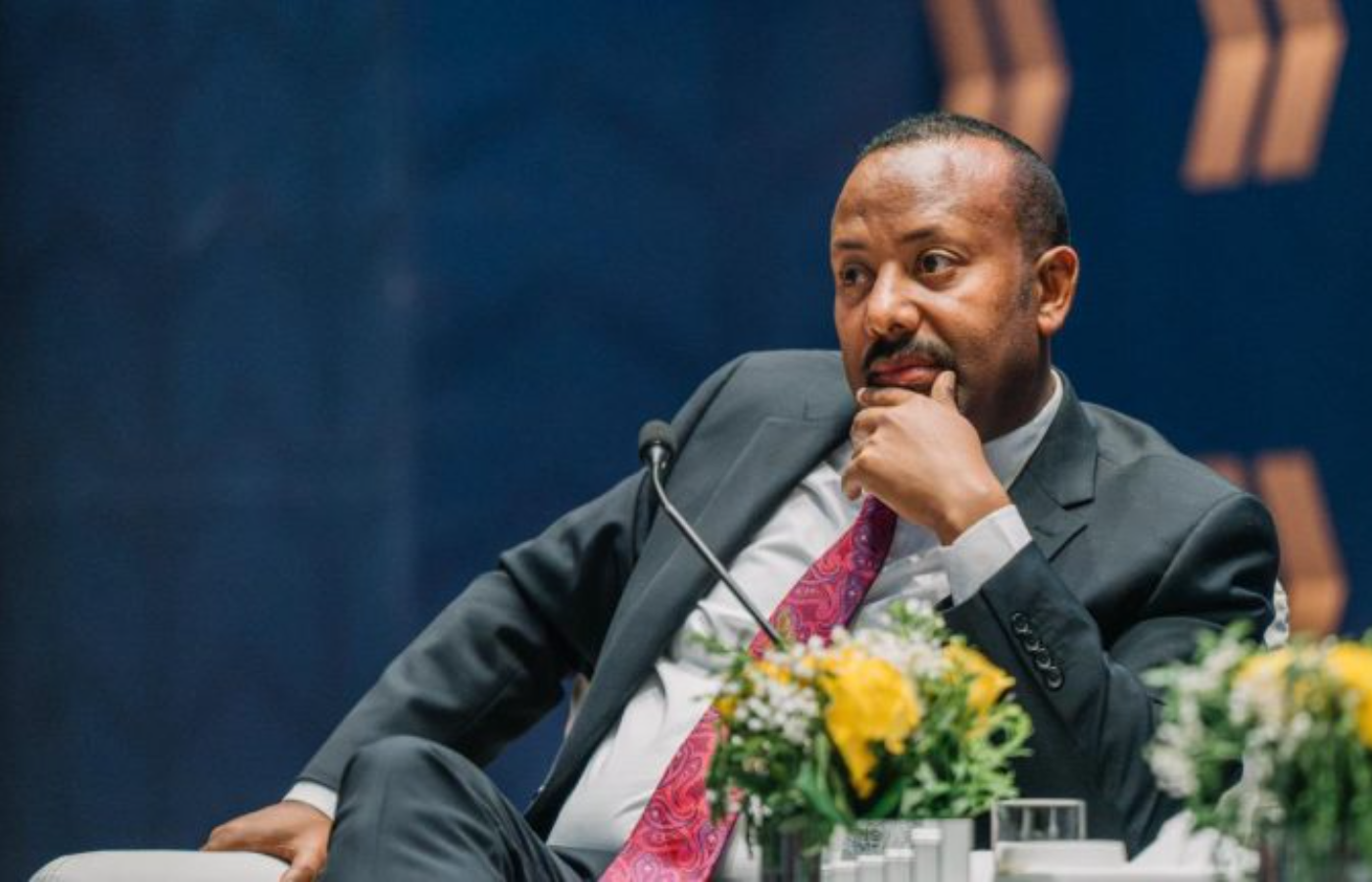
Ethiopian Investment Holdings plans to begin building domestic currency printing capacity as part of a move to reduce risks associated with producing banknotes abroad, Prime Minister Abiy Ahmed (PhD) said on Thursday.
Speaking at the Finance Forward Ethiopia 2026 conference, Abiy said the state-owned asset manager would take on the role as part of a broader strategy to establish key national capabilities under public ownership.
The prime minister said the initiative would form one of several strategic functions to be developed by Ethiopian Investment Holdings, which oversees the government’s commercial enterprises.
“The institution will build many key, untold strategic arms,” he told participants.
Abiy added that the scale of the holding company is expected to expand significantly over the coming years, with its contribution to gross domestic product projected to reach 20 percent by 2030.
“If this target is achieved, Ethiopia will have created a structure that can be transferred to the next generation,” he said.
EIH, established in December 2021, manages over 40 state-owned enterprises across key sectors, applying corporate governance and investment practices to improve performance and attract capital. The fund has built an asset base of 8.2 trillion birr, with combined revenues rising from 704 billion birr to 6.1 trillion birr over four years, and foreign exchange holdings reaching 48.66 billion US dollars.
Abiy also highlighted that many state-owned enterprises had previously suffered from weak oversight and poor management, despite controlling substantial national wealth. Several did not pay taxes, while their revenues and expenditures were poorly recorded, and operating costs were excessive. He said the holding company was created to manage these enterprises under a corporate framework, improve profitability, and diversify their operations.
The prime minister also unveiled that the holding group is working with crypto mining firms, describing the initiative as one that is expected to deliver returns in the coming years.
In addition, Abiy said EIH has begun constructing a gold refinery, marking what he described as a shift away from exporting raw gold.
“For many years, Ethiopia has been selling gold in its raw form,” he said. “For the first time, EIH is building a gold refinery, and it will be finalised in the coming months. This will help preserve national wealth and create additional value.”