
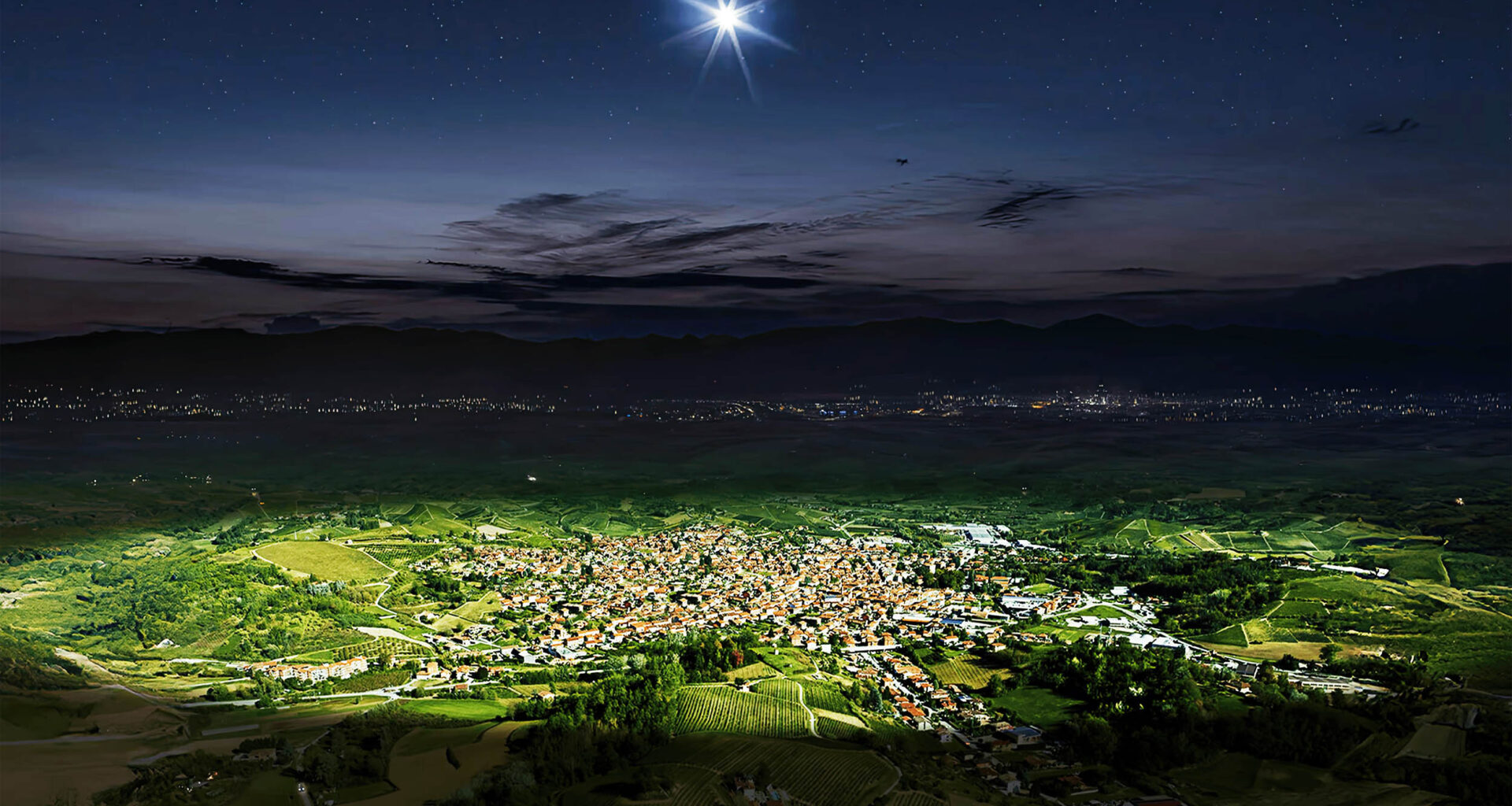
The night sky may no longer belong entirely to the darkness if a new space project moves ahead as planned. The vision of the developers is to use sky mirrors to reflect sunlight onto Earth after dusk falls
The idea promises extra light for cities and energy sites, but it also puts one of Earth’s oldest shared resources at risk.

The proposal comes from a California startup called Reflect Orbital, which plans to place 4,000 large sky mirrors into orbit to reflect sunlight onto targeted areas of Earth after dark.
Night sky observation relies on dependable darkness, and even small changes can hide faint objects or confuse time-sensitive measurements.
The work was led by Alejandro S. Borlaff, Ph.D., at NASA’s Ames Research Center. His research focuses on how large satellite constellations can streak images and raise background glare for telescopes.
Sky mirrors reflect sunlight
Reflect Orbital designed the plan to send sunlight to Earth at night using mirrors of up to 180 feet (55 meters) wide.
Each reflector redirects incoming sunlight, so extra light reaches a chosen solar site when panels would otherwise sit idle.
Because the Sun has a real width in the sky, the reflected beam spreads out, limiting brightness and concentrating power poorly.
Engineers want the sky mirrors to ride a sun-synchronous orbit, an orbit that keeps a steady local solar time.
That path stays near the day-night boundary, so the mirror plan can still catch sunlight while targets on Earth already sit in the dark.
The same geometry also places bright reflectors near dusk and dawn skies, when many observatories and animals stay active.
Testing the first sky mirror
A Federal Communications Commission (FCC) license request covers the first sky mirror satellite named Earendil-1, with a target launch in early April 2026.
During the planned 2026 demonstration, people watching from approved test locations are expected to notice the reflection as a bright object moving across the sky.
After a pass, the company says the sky mirror will tilt away from Earth, shortening exposure time and reducing stray brightness.
Sky mirrors that look like stars
Reflected light can travel beyond the target because atmospheric scattering, air molecules and aerosols spreading light sideways, brightens nearby skies.
Some astronomers warn that the direct beam could appear four times brighter than the full moon, and remain noticeable 60 miles (96 kilometers) away.
Even with tight pointing, those moving highlights can sweep across telescopes and habitats, turning brief tests into wide concerns.
Space junk problem
Low Earth orbit now hosts many working spacecraft plus space debris, leftover human-made fragments racing around Earth, and NASA teams track the traffic constantly.
Objects meet at several miles per second, so even a small fragment can punch holes or shatter systems on impact.
Adding more reflective satellites raises the odds of close calls and collisions, and cleanup options stay limited once debris spreads.
Sky mirrors and telescopes
A 2025 forecast shows satellite trails could contaminate images taken by orbiting telescopes that are meant to avoid city lights.
“Our results demonstrate that light contamination is a growing threat for space telescope operations,” wrote Dr. Borlaff.
Satellite numbers climbed from about 2,000 in 2019 to 15,000 in 2025, with 560,000 projected by 2040, leaving one-third of Hubble images affected.
Night sky brightness rises about 10% each year in many places, creating skyglow, a diffuse bright haze that hides faint stars.
Mirror reflections add moving light sources, and each extra streak raises background noise in images, masking dim asteroids or galaxies.
Even when software removes a trail, researchers can lose data where it crossed the target, limiting what long surveys detect.
Wildlife depends on darkness
Many species time feeding, hunting, and migration using a circadian rhythm, the body clock that times sleep and hormones.
Artificial illumination can reset that clock by changing hormone release, and bright skies also blunt natural cues like starlight.
If the mirror plan creates repeated bright passes, nocturnal animals and migrating birds could face stress during periods in which they usually rest.
Disrupting human sleep
Human eyes send light signals to the brain, and bright nights can suppress melatonin, a hormone that helps start and keep sleep.
Later bedtimes can follow, and repeated disruption can worsen mood and concentration, especially when light arrives unexpectedly from outdoors.
Communities could also worry about equity, because people cannot choose whether a satellite passes over their homes on a given night.
Rules lag behind launches
U.S. regulators can ask for an environmental impact assessment, a formal review of likely harms, before approving large deployments.
That process weighs brightness, debris risk, and ecological sensitivity, yet space law still treats sunlight reflection as a new case.
If decisions stay scattered across agencies and nations, the sky mirror plan could move ahead faster than shared standards can form.
Who owns the sky?
Satellites cross borders every orbit, so choices about brightness and pointing affect people who never buy the service.
International coordination could set limits on apparent magnitude, a scale that astronomers use to rank brightness, and designers could publish schedules for avoidance planning.
Without those guardrails, bright mirrors risk becoming normal, and future companies may copy the idea for other markets.
Future of sky mirrors
Grid planners already extend solar value with batteries, demand response, and transmission, keeping night skies darker while meeting peaks.
Those tools store energy instead of adding light, and the basic physics stays on the ground where rules are clearer.
If the mirror plan proceeds, public debate should compare benefits against lasting changes to astronomy, wildlife, and sleep.
Reflect Orbital’s mirror plan ties energy ambition to the sky itself, and small design choices could ripple across science and nature.
Clear limits, public review, and shared tracking could decide whether night stays dark in most places, even as the space business grows.
—–
Like what you read? Subscribe to our newsletter for engaging articles, exclusive content, and the latest updates.
Check us out on EarthSnap, a free app brought to you by Eric Ralls and Earth.com.
—–