

Listen to this article
Estimated 3 minutes
The audio version of this article is generated by AI-based technology. Mispronunciations can occur. We are working with our partners to continually review and improve the results.
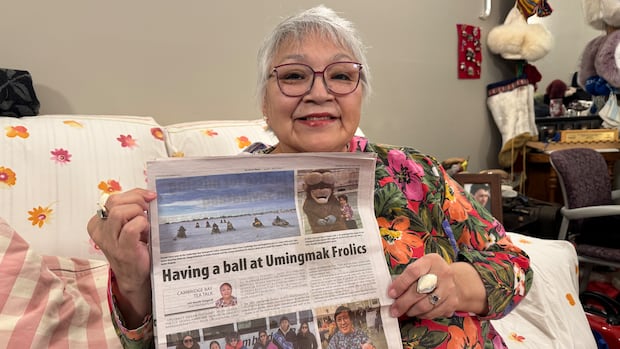
Helen Navalik Tologanak loves a good cup of coffee – no matter the time of day.
But she also likes tea – specifically, tea about life in her home community of Cambridge Bay, Nunavut, in her weekly column in Nunavut News, a Northern News Services Limited (NNSL) newspaper. She’s been writing Cambridge Bay Tea Talk since 1995.
She says what’s driven her all those years is her love for her language and people.
“My favourite part is sitting with the elders and talking with them. While I sit and talk with them, I learn and enhance my Inuinnaqtun,” she said, adding that she had to relearn the language after being sent to residential school.
Inuinnaqtun is an ailing language. In 2021, there were just over 500 speakers in Nunavut. Most are in the Kitikmeot region, which had a population of around 6,500.
“I also took a Nunavut Arctic College and University of Victoria language revitalization course and I graduated from learning back my language Inuinnaqtun. And I graduated at the age of 65 during COVID in 2019,” Tologanak said.
Her former editor and publisher, Bruce Valpy, who worked for NNSL for 32 years before his retirement, says Tologanak always has elders in mind and is very protective of the language.
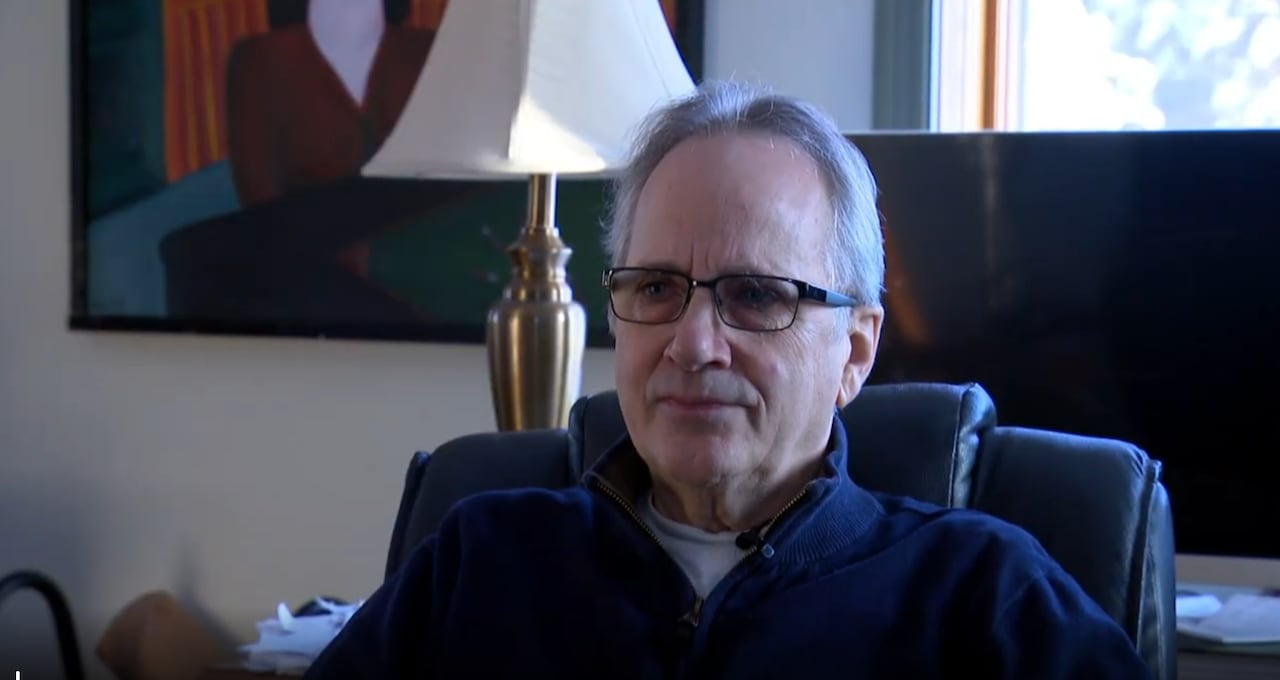 Bruce Valpy, the former publisher and editor of NNSL, says Tologanak was committed to providing stories for her elders and community. (Elliot Pope/CBC )
“If you’re getting something translated into Inuinnaqtun, you’d be paying probably close to a dollar a word or something like that. But she didn’t want to be in that business. She just wanted to provide the language to the people,” he said.
“That’s huge these days because the younger generation coming up doesn’t have that skillset.”
More Inuinnaqtun media representation
Cambridge Bay’s mayor, Wayne Gregory, says Tologanak is a beacon of knowledge and is always sharing that with others.
“She’s an ambassador for Nunavut,” he says. “She’ll quiz me on some of the topics she speaks on [in the column] … she speaks on the history, and she speaks highly of the territory itself.”
“Helping get the knowledge of what’s happening in Inuit culture, or anything, getting that information out there is very pivotal.
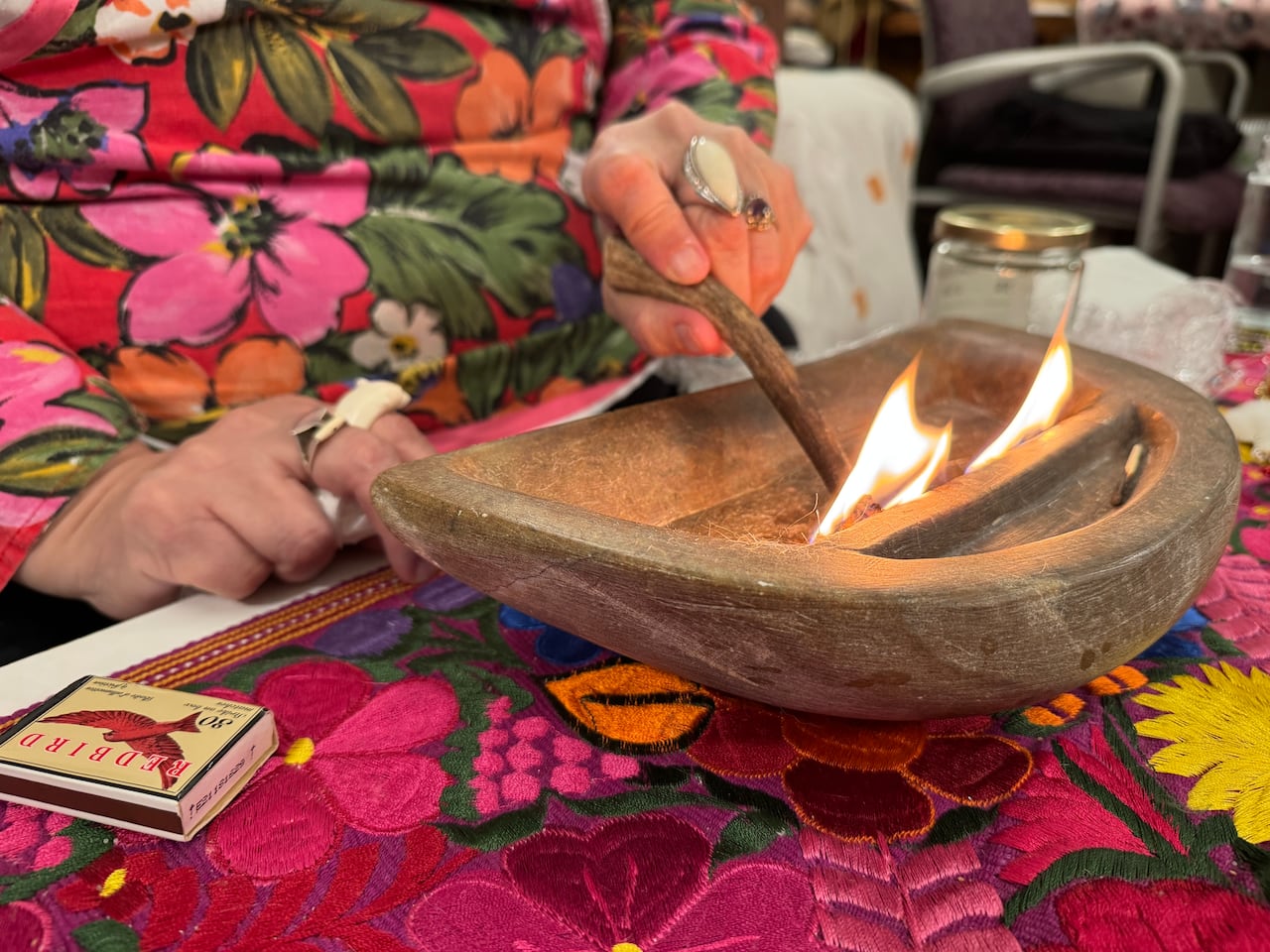 Helen Navalik Tologanak lighting a qulliq (oil lamp). She says she’s able to reconnect with her Inuinnaqtun roots when she speaks with elders. She lost some of those schools when she was in residential school. (Samuel Wat/CBC)
Tologanak says that’s important to her, because outside of her column, there really isn’t much Inuinnaqtun representation in the media.
For example, the Kivalliq and Qikiqtaaluk regions of Nunavut have their own CBC Inuktitut radio shows in the main hubs of Rankin Inlet and Iqaluit – but the Kitikmeot region has no dedicated shows in its unique dialect.
“So there’s no real programming on what’s going on daily, and what people can know from across Nunavut, what’s going on in Cambridge Bay. And we really need that,” she says.
She has no plans to slow down with her columns just yet, but she is hoping others will put their hand up in the future to share stories from the Kitikmeot region in the media, whether it be in television, radio or print.
“Someday I’m going to have to teach someone to take over, [because] we don’t want it to stop.”