
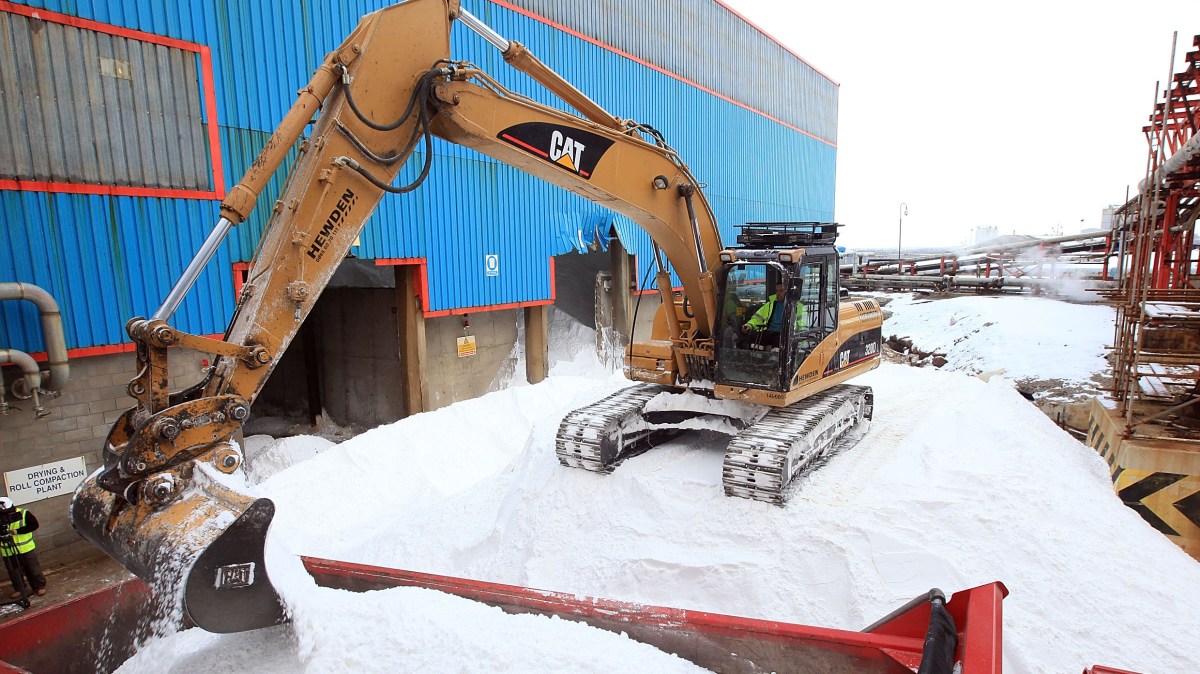
This is one of those questions you probably shouldn’t google, for fear of being red-listed by GCHQ. But it’s worth pondering it for a moment, if only because it’s increasingly relevant these days. In light of the war in Ukraine, the military is, we are told, making plans to build up our security, including making more explosives on these shores. So what are the key ingredients you need to make what are these days euphemistically referred to as “energetics”?
Well, two of the most important feedstocks are ammonia — a nitrogen-rich compound — and sulphuric acid. Without those two, no bombs.
But as of a few years ago, Britain no longer makes either ammonia or sulphuric acid. We did have the plants, pretty good ones at that, but they were mothballed then shut down in the face of high energy prices. So, even if we wanted to make our own bombs again, we would still have to import the main ingredients, most probably from America or, yes, China.
By the way, the ammonia that goes into explosives is also the main ingredient in fertiliser. So, for all the talk in the last year or two about the importance of farmers and food security, we are still entirely dependent on foreigners for the chemicals they use to grow their crops.

If you are startled to hear that we can no longer make the equipment we need to feed and defend ourselves then I have more bad news. I’ve spent the past few months travelling the country to get a sense of the scale of the crisis facing Britain’s chemicals sector. Not that long ago, this was one of the most important segments of the economy. Britain may no longer have been making textiles or ships, but we were producing plastics, pharmaceuticals and formulas that were shipped all around the world.
But in the past decade at least 11 major plants have shut down, including the sulphuric acid and ammonia units at Runcorn and Billingham respectively. These closures rarely get as much attention as, say, a steel plant, mostly because it’s only a few hundred jobs culled each time. But with each cut, another piece of the foundations of Britain’s physical economy disappears.
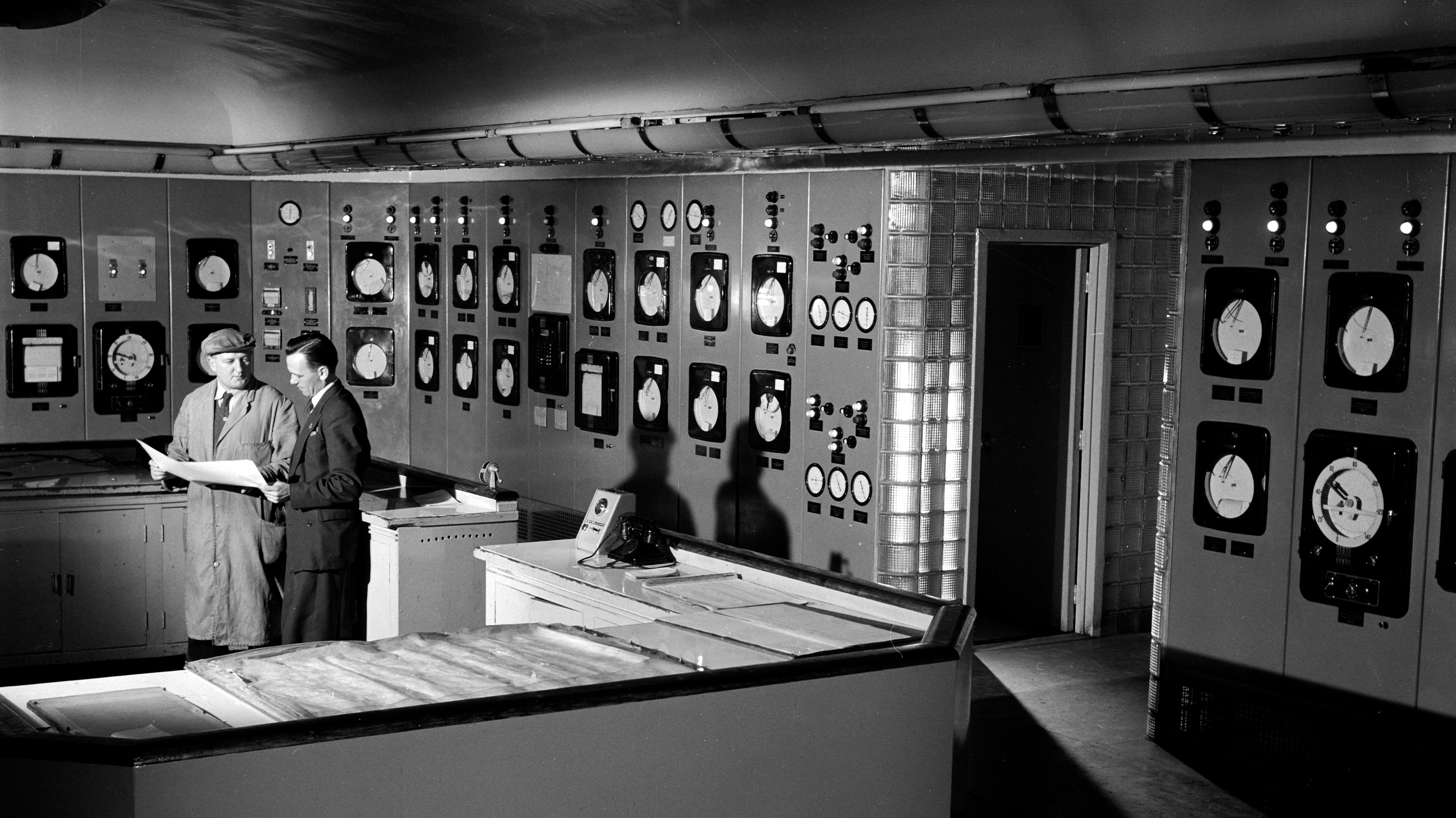
ICI Billingham employed 20,000 people in its 1960s heyday
WALTER NURNBERG/SSPL/GETTY IMAGES
Until now, some of these closures haven’t even made the national news. Take the Tata Chemicals Europe soda ash plant at Lostock, Greater Manchester. Making sodium carbonate, to use its scientific formula, is one of the single most important tasks in industrial chemistry. Without it you can’t make glass, paper and a list of other basic materials too long to run through here. Britain’s chemicals industry began with soda ash plants two centuries ago.
So you might have thought the fact that Lostock shut last year, and that Britain is no longer making this critical material for the first time in industrial history, would be front-page news. On the contrary, few if any officials in Whitehall are even aware of it.
In fairness, the decline of our chemicals sector (down 20 per cent in the past three years alone) is hardly a UK-specific story. Across Europe, many other firms, most notably the German giant BASF, have been shutting plants. Mostly it comes back to the fact that making most chemicals is an expensive, often carbon-intensive process. Many of these chemicals use inordinate amounts of gas, either as a feedstock (ammonia) or to power and heat the reactions (soda ash). The sharp spike in gas prices after the invasion of Ukraine has proved fatal for many sites.
Then there’s the competition. A couple of decades ago China was still learning to make bulk chemicals. Today it is able to produce them far more cheaply than we can in Europe, partly thanks to hidden subsidies, partly thanks to the fact that they mostly use cheap, dirty coal as a feedstock. American chemicals, produced with shale oil and gas are, if not quite as cheap, considerably better value than the stuff made in Europe.
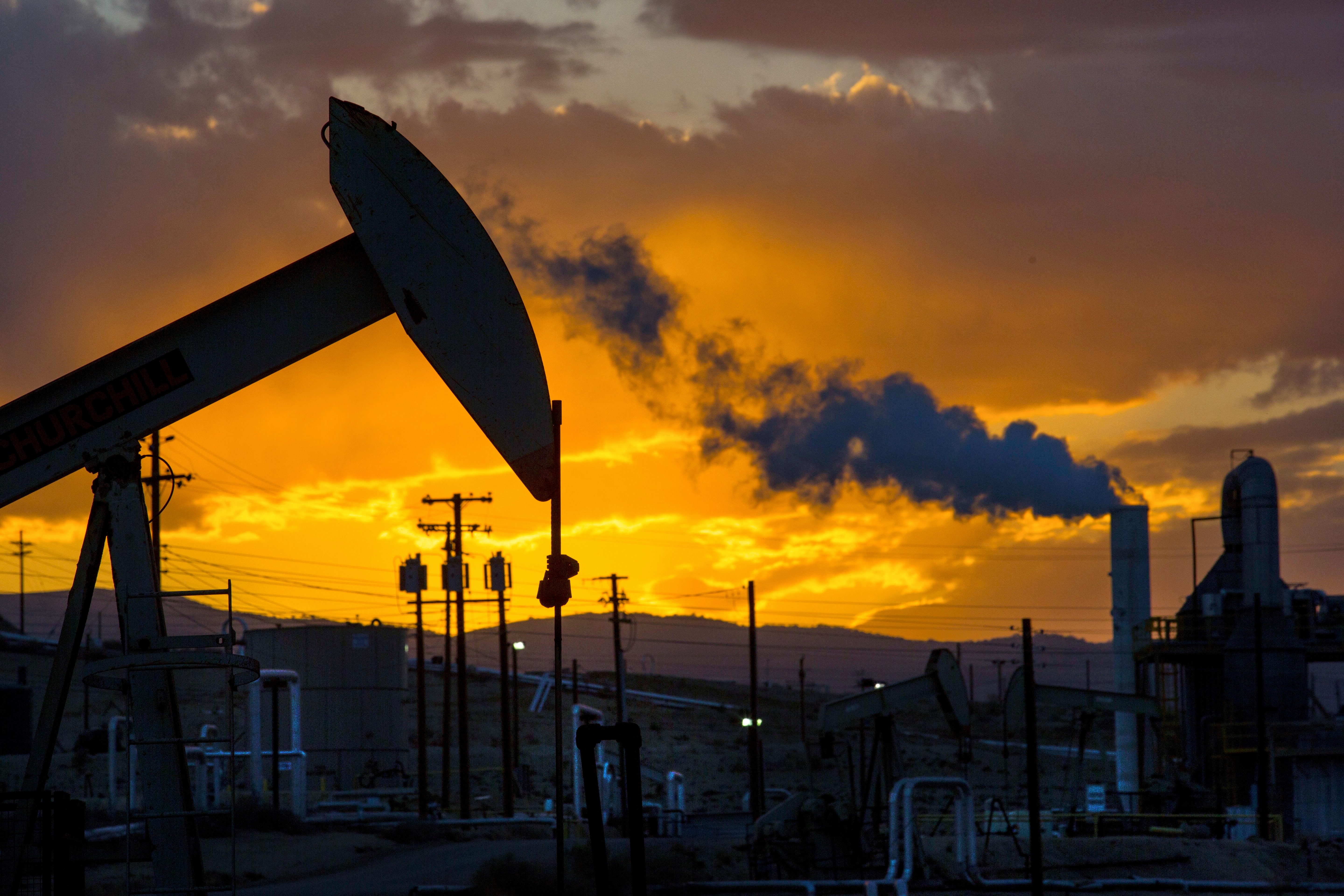
But Britain’s decline has been more precipitous than the rest of Europe. Ask anyone in the sector why and they tell you the same thing: net zero and the constellation of carbon taxes and regulations pushing up the cost of making stuff. The great paradox is that the more of these plants shut down, the lower Britain’s carbon emissions and the closer we edge to net zero. What about the fact that we now have to import chemicals, often with far higher embedded carbon emissions? Well, that doesn’t show up in our emissions figures, since it’s happening somewhere else.
At some point in the distant future, it should be possible to make some of these basic chemical building blocks without carbon emissions. But that time is still some way off and, in the meantime, Britain’s self-sufficiency in certain chemicals has fallen by 90 per cent, according to Sharon Todd, chief executive of SCI, a charity focused on industrial chemicals.
There are some glimmers that suggest government is now taking this more seriously. Before Christmas it stepped in to save the ethylene cracker at Grangemouth. (Without ethylene we’d no longer be able to make plastics, soaps and certain pharmaceuticals.) But given its grant does little to change the prevailing challenges facing the sector, it’s hard to see it as much more than a sticking plaster.
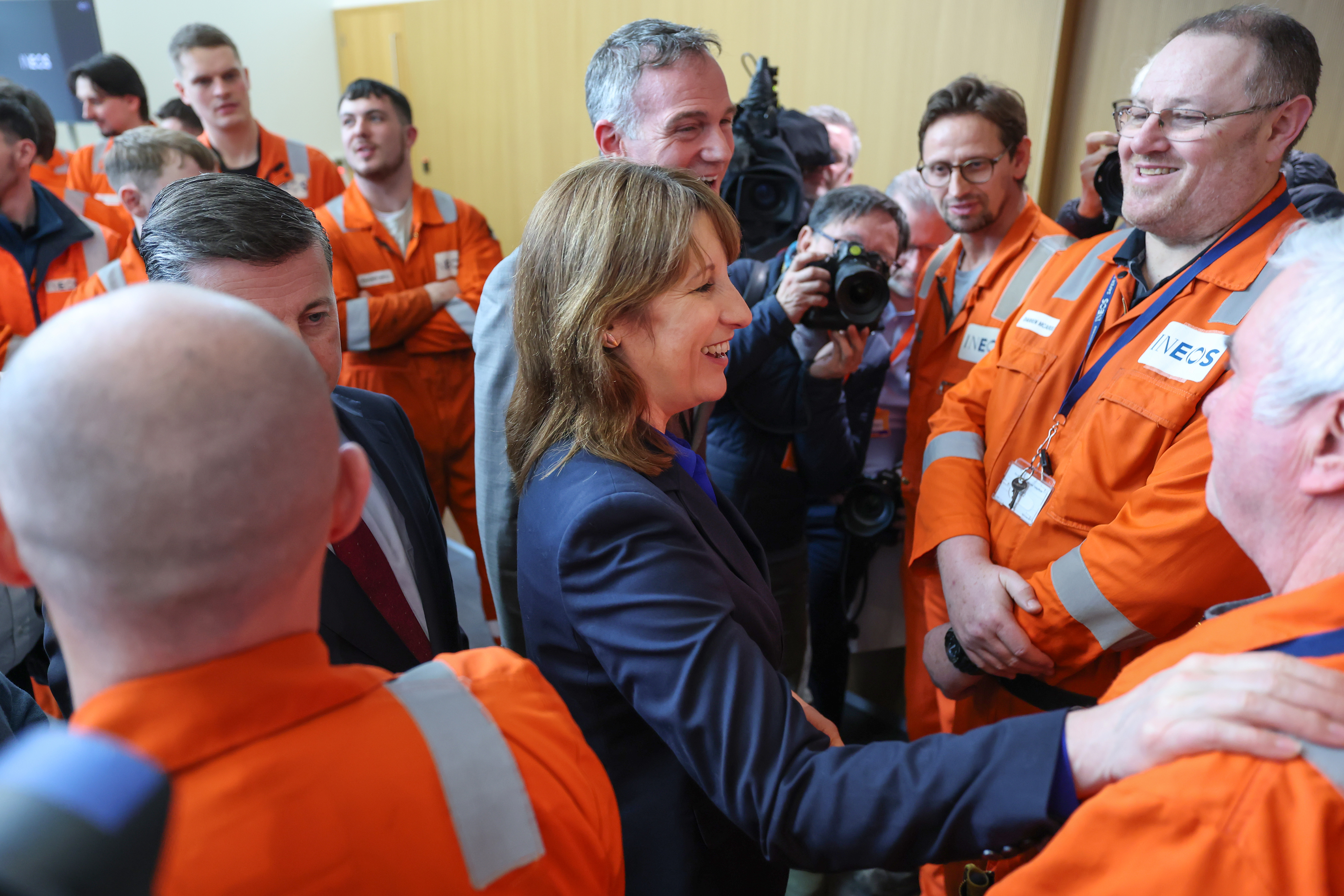
Rachel Reeves at Grangemouth last month
JEFF J MITCHELL/GETTY IMAGES
There could be even more serious closures to come. Among the places I visited while making my film for Sky News was the salt plant at Runcorn, run by Inovyn, a part of Sir Jim Ratcliffe’s Ineos empire. If you’re in the UK and have consumed salt in the past 24 hours (spoiler alert: you have) some of it will have come from this place.
Well, now Ineos has told me that if it doesn’t get government assistance the Runcorn salt plant will have to close. It’s hard to overstate the magnitude of this. For the first time in modern civilisation Britain will no longer be able to provide all the salt it needs to keep its population alive and its pharmaceutical sector functioning. It would all have to be imported instead.
Many economists think such things don’t matter. But for anyone worried about Britain’s national security in the coming years, these warnings and closures will be desperately worrying.
Ed Conway is economics editor of Sky News. His film is available on Sky and online