
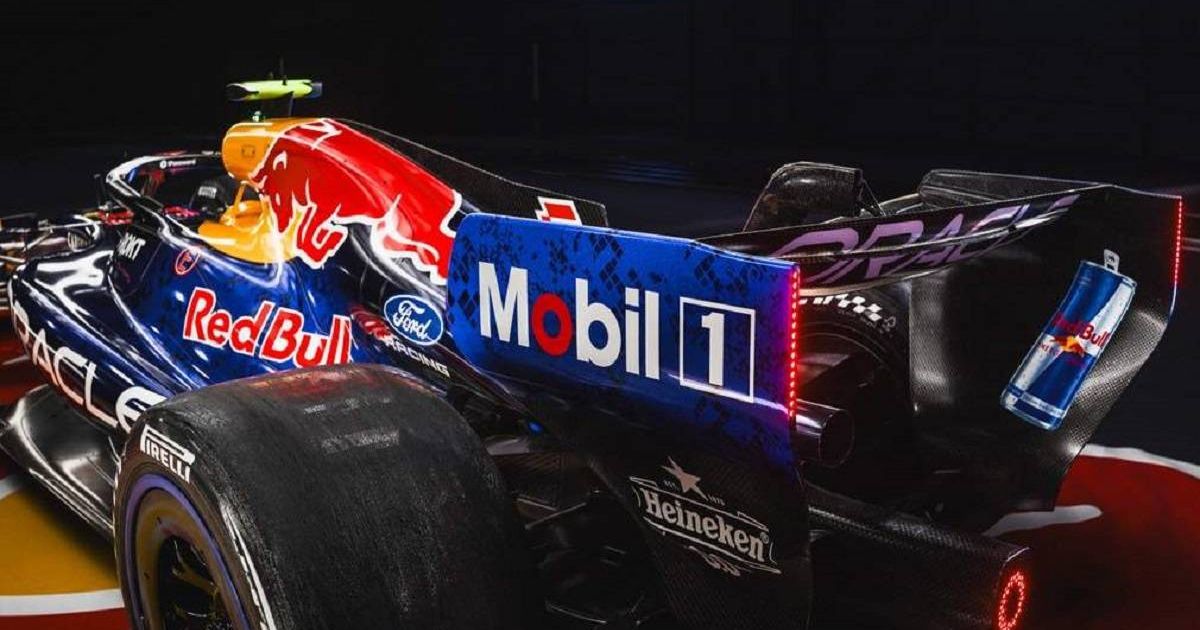
No one can really know what each Formula 1 team is up to ahead of the 2026 season with the new regulations. Historically, several car concepts emerge at the start but then converge as the regulations mature.McLaren ended the previous F1 regulations set on top, while Red Bull Racing were dominant at the beginning back in 2022.
But with the 2026 regulations, which will introduce new power units and chassis, there will be a full reset, and it would be interesting to see how each team interprets the rules and which interpretation will end up being the best one.
But as soon as the cars are revealed and running, teams will get an idea of what their rivals are doing, and as such, the copying of successful ideas will start.
Former Ferrari engineer Jock Clear gave his opinion about this topic, giving some valuable insights on how the teams operate based on his long experience in F1.
When rules change, everything has a knock on effect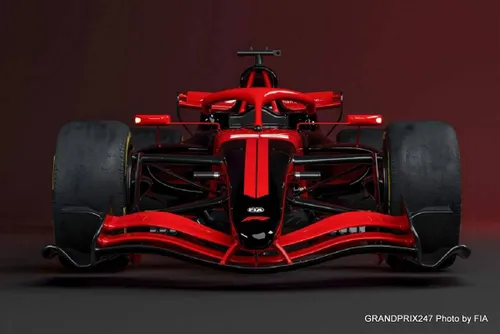
He said: “Well, yes, I think it’s always difficult to know exactly what any change in regulation or change in technology is going to deliver.
“Because everything has a knock-on effect, and you can’t very accurately predict how people are going to respond to what new technology or new developments or new regulations, what doors they open, what doors they close.
“People are then going to wind a varied path at what’s available from then on. So, the point being, the prima facie of a regulation change, you tend to impose that on what we have already.
“So people think the cars from 2025 are just going to have new power units, and therefore, that’ll result in this, this, and this,” he pointed out. “But of course all of us, before the season has even started, are already recognizing the more extended implications of that as we learn, and as the sport learns, and as the fans respond.
“We can’t know what everybody else is doing in any team; until you compare what they’re doing on track with what you’re doing, you don’t have the opportunity to either respond or copy or whatever might be your reaction.
“Three races in, engineers are already going to be finding things that will be looking into and looking at how the opponents are performing,” Clear claimed. “You’re going to get a cross-pollination very quickly in those first three or four races that’s going to allow teams to explore different routes and explore different routes that perhaps have been open to them by looking at what other teams are doing.”
Copying solutions is nothing new in F1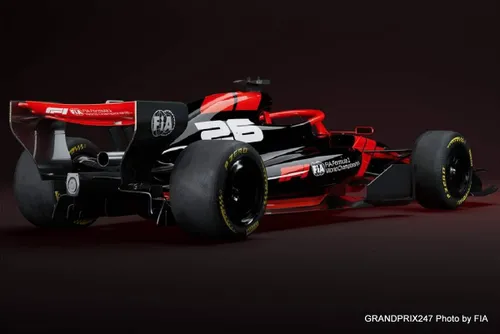
Clear went on giving historical references; he continued: “We’ve been used to, over the years, all of these aerodynamic developments like the F-duct and things like that that quickly cross-pollinate through the teams, and people find different routes and different solutions that applies to their car.
“The fact is, we don’t really know what 2026 is going to look like by the end of next year. We can all predict what we think it’s going to look like, but that will be relatively inaccurate.
“When I say relatively inaccurate, we’re not all going to be completely wrong about how these cars are going to look by the end of the next year. But, given that qualifying times are differentiated by thousandths of a second, it’s only going to take a small deviation from what we expected to be the route of next year and how we thought things were going to work with these power units and how the drivers interacted with them.
“Asking more of the driver, or asking different skills of the driver, it’s only going to take a small deviation for the differences that we’re looking for to actually come from areas that we didn’t expect them to come from,” Clear explained.
“You’ve got the base performance,” he went on. “You’ve got what you expect to the drivers to be having to deliver, what skill sets the drivers might have to develop over next year to work with the new power unit.
Fascinating how each driver skills mix things up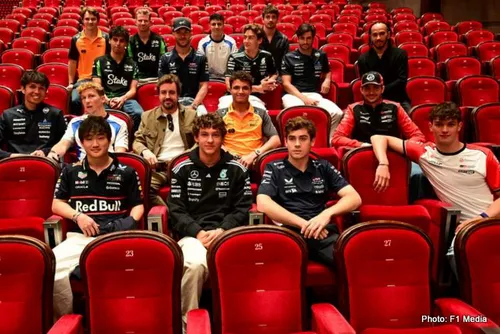
“But you don’t know what will be the differentiator, and that’s what’s quite exciting for me. From someone who’s specialized on the driver psychology side over the years, I think it’s going to be fascinating to see whether this does mix things up in terms of the driver’s skills and attributes and the talents that they have that maybe will come to the fore.
“They suddenly become more important over the next year in terms of interacting with the car and getting the most out of a very, a very different power unit.
“The new regulations might show some drivers have adapted to it better and some drivers find it less comfortable,” the Briton revealed. “It may mix up the picking order from a driver’s point of view.
“As we know in F1, however strong the technology is, you can’t get away from the fact that the best drivers develop the best cars with the best teams. And that will be the case next year.
“I’m looking forward to seeing how that pans out, because I think that’s the biggest unknown for most of us.
“We can do a lot of simulations, and we can do a lot of predictions with our AI capabilities nowadays that the teams are tapping into.
“We’re going to have a very good statistical idea of what the technology might look like, but we’re not going to have a very good idea of how those 22 drivers are going to adapt themselves to better perform with a new car.
“It’s fascinating,” the 62-year-old concluded. (Source: CasinoHawks)