
Home » America Travel News » After Canada and China, Denmark Joins Norway, Sweden, France, Germany, UK, Netherlands and Finland in Facing Serious New Trump Tarriff Trade War, Now a US Economy Earthquake and Tourism Slump Hovering the Skies, Here is How This Conflict Keeps Tourists Out of America
Published on
January 18, 2026
By: Tuhin Sarkar
 After Canada and China Denmark Joins Norway Sweden France Germany UK Netherlands and Finland in Facing Serious New Trump Tarriff Trade War Now a US Economy Earthquake and Tourism Slump Hovering the Skies Here is How This Conflict Keeps Tourists Out of America
After Canada and China, Denmark joins Norway, Sweden, France, Germany, the UK, Netherlands, and Finland in facing the intense fallout of Trump’s tariff trade war. The US economy earthquake caused by these aggressive tariffs is shaking the foundations of global trade, and it’s sending shockwaves through tourism. With escalating tensions between the U.S. and these key countries, the tourism slump is becoming inevitable, as travelers rethink their visits to the U.S.
As the Trump trade war deepens, countries like Denmark, Norway, and Sweden are not just battling economic challenges, but also tourism slumps that are now hovering over the U.S. What happens next is crucial: how long can the U.S. economy withstand this fierce conflict before it affects tourism and global trade relations on an even larger scale? With Denmark and several European nations facing Trump’s tariffs, it’s clear that this trade battle is beginning to impact tourists’ decisions to visit America. The world is watching as this global economic clash spills over into the tourism industry.
How this ongoing trade war affects tourism is now the central question for every would-be traveler. The conflict is making it harder for Europeans to justify trips to the U.S., and the consequences could be devastating.
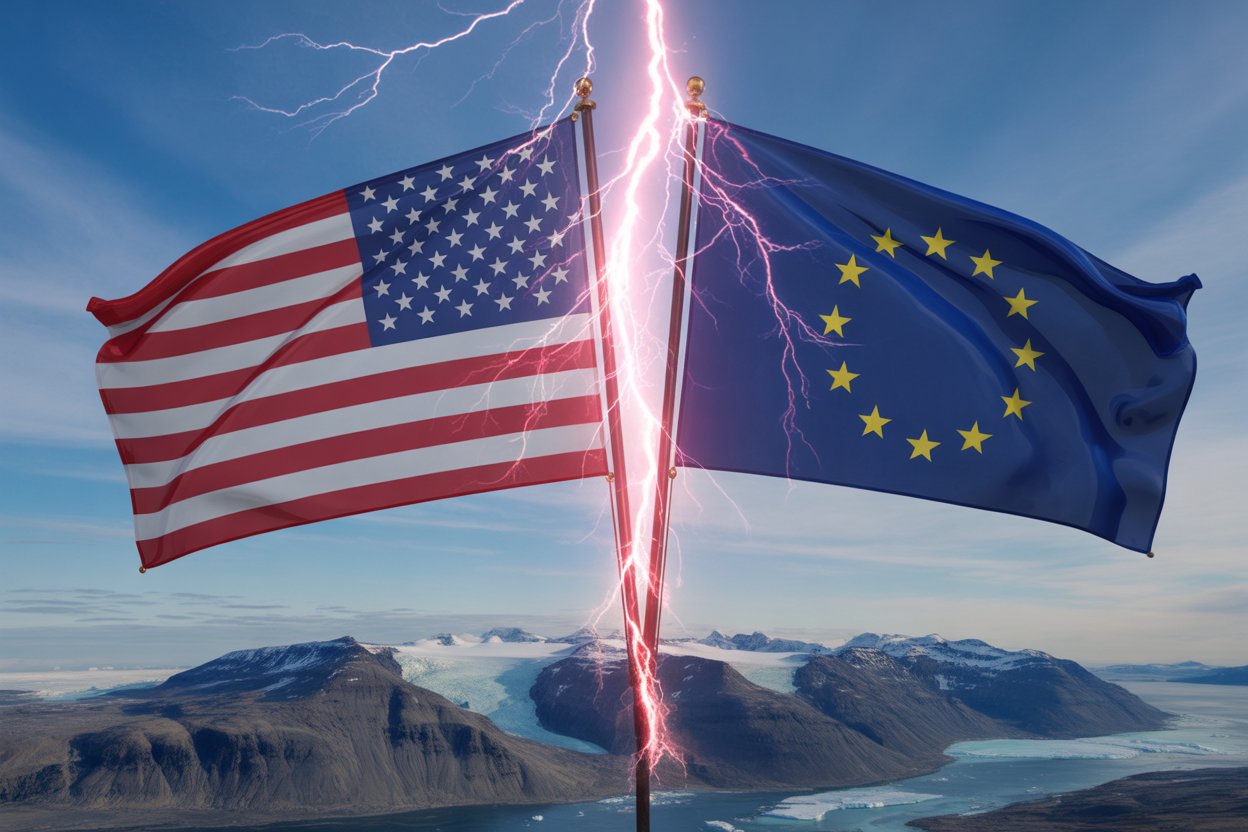
Trump’s Shocking New Tariffs: Will Greenland’s Fate Spark a Global Trade War?
In an unexpected twist of geopolitics, Donald Trump’s latest tariff plan has sent shockwaves through the global economy, with dramatic consequences for countries like Denmark, Norway, and Sweden. The issue at the heart of this international uproar? Greenland – a cold, remote island suddenly becoming the centerpiece of a fierce diplomatic showdown. Trump’s Tariff Shock is not only challenging the sovereignty of Greenland but could ignite an international trade war that shakes the very foundations of global commerce.
Trump Targets Europe: Tariffs That Could Shatter Alliances
The bold new tariffs, designed to force Denmark and its allies to come to the negotiation table, have sent waves of anger across Europe. Starting from 1 February 2026, Trump’s 10% tariff on European goods will hit hard — and if no deal is struck regarding Greenland, this could soar to a staggering 25% by June 2026. This move has angered leaders from across the continent, but it also raises a crucial question: Could this really lead to a global trade war?
With European exports to the U.S. worth billions annually, these tariffs threaten to devastate entire industries — from luxury goods to automotive manufacturing. And if Trump’s gamble doesn’t pay off, the 25% tariff will hit harder, potentially sparking a retaliation from European nations. Could this set off a domino effect that devastates the global economy?
The Greenland Dispute: A Game of High Stakes
But what’s really behind this aggressive move? At its core, this Trump tariff is about much more than trade; it’s about control over Greenland. A remote, icy island in the Arctic, Greenland holds immense strategic value, from its rare-earth minerals to its geopolitical significance in the Arctic Circle. By imposing tariffs, Trump is essentially holding Greenland hostage in a high-stakes gamble to gain control of a piece of land that could potentially change the global power balance.
Europe’s response has been fierce. Denmark has rejected Trump’s proposal outright, and Greenland’s self-governance means they are making it clear that the island is not for sale. The Greenland tariffs have become an issue of national sovereignty versus strategic ambitions. With tensions soaring, the question remains: Will Greenland succumb to the economic pressures of the U.S., or will it stand its ground against a massive world power?
The Impact on Europe: Economic Chaos or Strategic Reset?
From Germany’s luxury car industry to Sweden’s furniture exports, the Trump tariffs could have devastating effects on European countries. Countries like France and the United Kingdom have already expressed outrage, calling the move “unacceptable” and warning of severe economic repercussions. But could this tariff war be the wake-up call that forces Europe to rethink its approach to the U.S.? Could European nations unite in retaliation, leading to a new era of protectionism?
These are questions that will dominate the geopolitical stage in the coming months. As businesses brace for the storm, some experts fear that the tariff battle could lead to crippling inflation and job losses across Europe. From automakers to tech giants, no sector is immune. Could Trump’s tariffs change the global economic landscape forever?
Greenland’s Future: Will It Remain Independent or Succumb to Trump’s Pressure?
While the Greenland tariffs are being imposed on European nations, the ultimate target is Greenland itself. With the U.S. desperate to establish control over the island, Trump’s rhetoric suggests he is willing to risk everything for Greenland’s natural resources and strategic military positioning. But how far is the U.S. willing to go?
Greenland has long enjoyed self-governance under the Kingdom of Denmark, but with the world’s attention now focused on this distant island, will Greenland’s sovereignty be enough to protect it from external pressures? The global community is watching closely. Will Greenland remain independent, or will it become just another pawn in the world’s power struggle?
The World Responds: Retaliation, Backlash, and the Battle for Greenland
As the Trump tariffs escalate, countries from around the world are considering their next moves. China, already in a bitter trade dispute with the U.S., may use this moment as an opportunity to advance its own geopolitical goals. Russia, watching from the sidelines, has its own interests in the Arctic and could find an ally in Greenland if tensions continue to rise.
The question is whether the global community will stand up to Trump’s unilateral action, or if his tariff war will set a dangerous precedent for future international relations. Could the world see an increase in tariff battles, economic sanctions, and trade wars over the coming years?
The U.S.-China Trade War: A Deep Dive into Trump’s Tariffs on China
In 2018, President Trump initiated a trade war with China, imposing tariffs on billions of dollars worth of Chinese goods. This decision was primarily driven by concerns over China’s trade practices, including intellectual property theft, forced technology transfers, and unfair subsidies to Chinese industries. Trump’s tariffs on Chinese goods were the most significant trade move aimed at shifting the trade balance between the two countries.
The Impact of Trump’s Tariffs on China
The Trump administration’s tariffs on China started with a 25% tariff on steel and a 10% tariff on aluminum imports in 2018 under Section 232 of the Trade Expansion Act of 1962, citing national security concerns. These tariffs were extended to a wide range of Chinese products in multiple phases, ultimately covering $370 billion worth of goods. The industries impacted included electronics, machinery, toys, and consumer goods.
Key Reasons for the Tariffs:Trade Imbalances: The U.S. had a large trade deficit with China, meaning the U.S. imported far more from China than it exported. Trump’s tariffs were meant to address this imbalance.Intellectual Property Theft: The U.S. accused China of stealing intellectual property and forcing American companies to transfer technology to Chinese firms as a condition of doing business in China.Unfair Trade Practices: The U.S. also argued that China’s industrial policies were unfair and distorted global trade by providing unfair subsidies and state-backed support to Chinese companies, particularly in high-tech sectors.Escalation of the Trade War
The tariffs escalated over time as the trade war deepened. Trump’s administration imposed tariffs on $50 billion worth of Chinese goods, with a 25% tariff on key technological products. In retaliation, China implemented its own tariffs on U.S. goods, such as soybeans, automobiles, and agricultural products. The retaliatory tariffs led to a full-blown trade conflict.
The Phase One Agreement (January 2020)
After months of negotiations, U.S. and China signed the Phase One Trade Deal in January 2020, which led to a partial easing of the tariffs. The deal included:
China’s commitment to purchase $200 billion worth of U.S. goods over the next two years, including agricultural products, energy, and manufactured goods.Intellectual property protection provisions to address U.S. concerns about IP theft.Currency manipulation agreements, where China agreed not to devalue its currency to gain a trade advantage.
Despite the deal, many of the tariffs on Chinese goods remained in place, and other contentious issues, such as state subsidies to Chinese companies and China’s industrial policy, were left unresolved.
Trump’s Tariff Legacy: Economic Consequences
The tariffs imposed by Trump on Chinese goods had far-reaching impacts on the U.S. and global economy:
Supply Chain Disruptions: The tariffs led to higher costs for U.S. companies that depended on Chinese-made components. For instance, electronics and technology companies were hit hard by the higher tariffs on Chinese products.Price Increases for Consumers: Many American consumers faced higher prices on products such as clothing, electronics, and home appliances as a result of tariffs.Retaliation from China: China’s retaliatory tariffs hurt U.S. exporters, especially those in the agriculture sector. American farmers saw a significant decline in soybean exports to China due to tariffs.Trade Diversion: Some U.S. companies looked to other markets or moved production outside of China to avoid tariffs, leading to a shift in global supply chains.The Global Impact
The trade war between the U.S. and China affected not only the two countries but also global trade:
Global Trade Slowdown: The uncertainty caused by the trade war slowed down global trade growth. Countries in the European Union, Japan, and other parts of the world saw declines in exports to both the U.S. and China due to tariffs.China’s Economic Slowdown: China’s economy faced a slowdown, partly due to the tariffs, as it struggled with reduced exports and the trade war’s impact on global demand.Shift in Trade Alliances: Some nations, like Vietnam and Mexico, benefited from the U.S.-China trade war by attracting U.S. companies seeking to avoid Chinese tariffs.Conclusion: Trump’s Tariff War with China – A Complex Legacy
Trump’s trade war with China was a pivotal moment in modern trade relations. The tariffs imposed were an attempt to reorient the global economic order in the U.S.’s favour, but the effects were mixed. While China made some concessions, many of the underlying issues that triggered the tariff war, such as intellectual property theft and China’s industrial policy, remain unresolved.
While the Phase One trade deal provided temporary relief, U.S.-China relations are likely to remain strained for the foreseeable future, with tariffs continuing to impact trade and businesses. Whether the Biden administration will take a different approach remains to be seen, but Trump’s legacy in U.S.-China trade relations has changed the global economic landscape.
The Global Economy: A Trade War in the Making?
It’s undeniable that Trump’s tariffs on Europe represent a high-risk, high-reward strategy. The stakes are incredibly high, and the impact could be felt for decades. If Europe retaliates with its own tariffs or sanctions, the global economy could face a disastrous downturn. Countries that rely heavily on trade with the U.S. — like Germany, France, and the UK — are already preparing for the worst.
But the question remains: Can Trump’s gamble pay off? Will these tariffs force Europe to bend to his will, or will it lead to a trade war that could send shockwaves across the globe? The world is watching, and the next few months will be crucial in determining the fate of Greenland and the international community as a whole.
