
Silicon Valley is, if nothing else, very good at selling a fantastical vision of the future and lately it has gone into overdrive. There is a widely held belief on the US west coast, from hacker houses to the boardrooms of the largest tech companies, that within three to six years the industry will achieve “artificial superintelligence”, or ASI — a self-improving system that is smarter than the sum of all humans. A digital god.
Despite fears of an AI bubble that could prove more destructive than the dotcom bust a quarter of a century ago, Eric Schmidt, the 70-year-old former Google chief, reckons that the changes about to be unleashed by this boom remain “underhyped”.
What will this mean for society, for business, for the world? The chatbot maker Anthropic has predicted that half of all white-collar work could be replaced by AI within five years. Techies have become obsessed with the idea of universal basic income — cheques that will be doled out to one and all because when the robots take our jobs we will still need to buy groceries. The most optimistic boosters reckon these systems will soon free us not just from disease but death itself.
Yet for every eyeroll-inducing prediction, there are signs of the very real changes AI has begun to unleash. In “AI-exposed fields”, the Stanford Digital Economy Lab has already found a 13 per cent drop in hiring for young graduates. Millions of people meanwhile are forming intimate relationships with AIs, sometimes leading to psychosis or even suicide. The foundations of education, where an algorithm can craft a passable essay or crack a physics problem with a simple prompt, are being dramatically recast.
All the while, tech giants, energy firms and governments are spending an estimated $5 trillion (£3.7 trillion) between now and 2030 on constructing energy-guzzling data centres to send us hurtling into this future. It is a generational building boom akin to the laying of railroads or the digging of canals.
There may be a lesson to be learnt from the dotcom era. That bubble vaporised thousands of businesses and sent the economy into recession. But all the promises of the web eventually came true. It just took longer, and the process was a lot more chaotic and painful than predicted. So if the question is “is AI ‘real’ or a bubble?”, the answer is “yes” — both can be true.
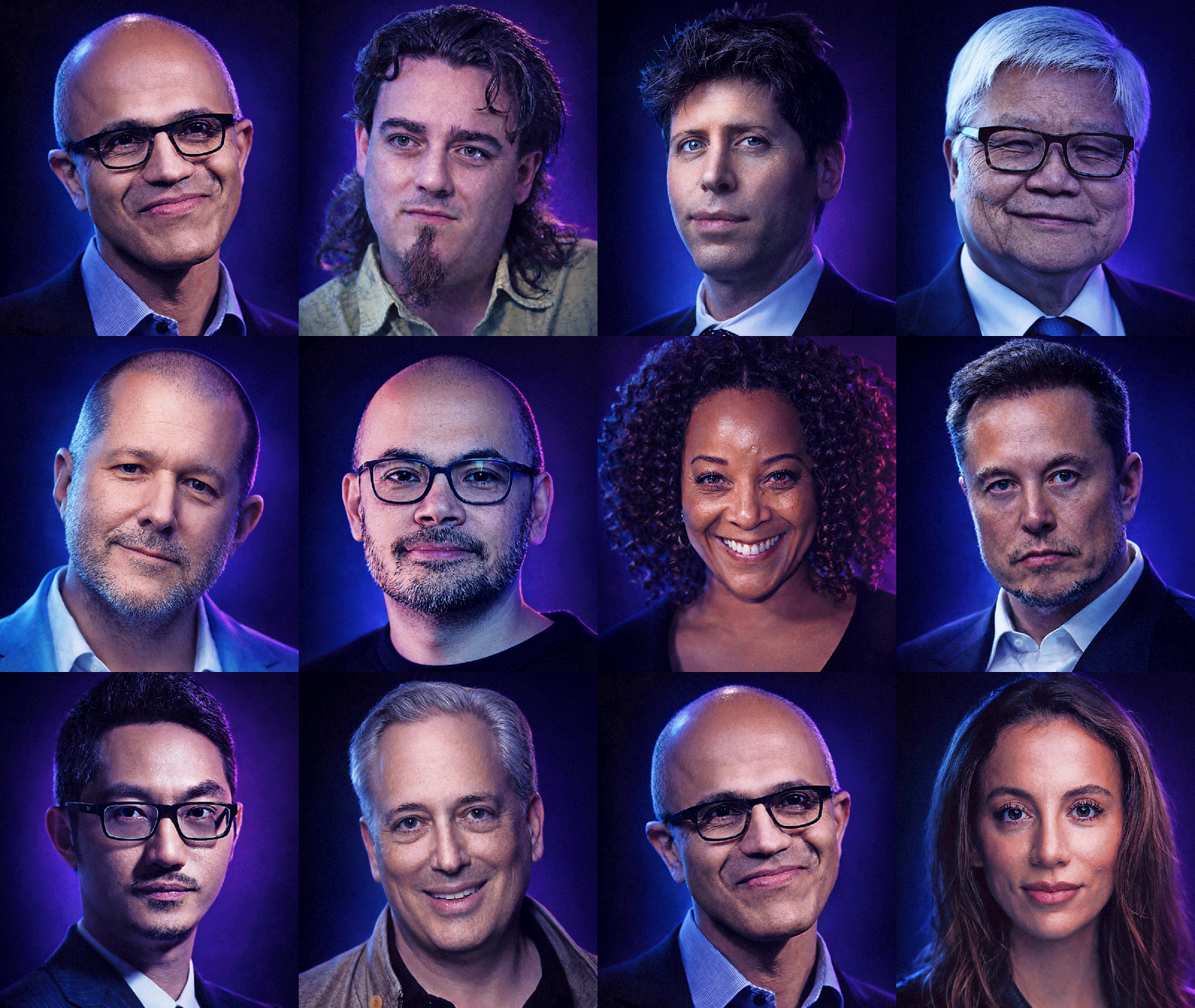
Perhaps most extraordinary about this moment, however, is how few people are shaping this world for the rest of us. The AI Power List takes you behind the curtain, to introduce you to or remind you of the select cast of characters, mostly men, mostly on the west coast of America, who are leading the charge.
This list is not exhaustive. If the past three years have taught us anything, it is that AI moves extremely fast. Companies rise and fall. Ideas and schemes materialise and burn brightly, only to fizzle, implode and get replaced by “the next thing”. So herewith The Sunday Times AI Power List, a living document that will evolve with these unprecedented times.
Sam Altman OpenAI visionary
Age: 40
Nationality: American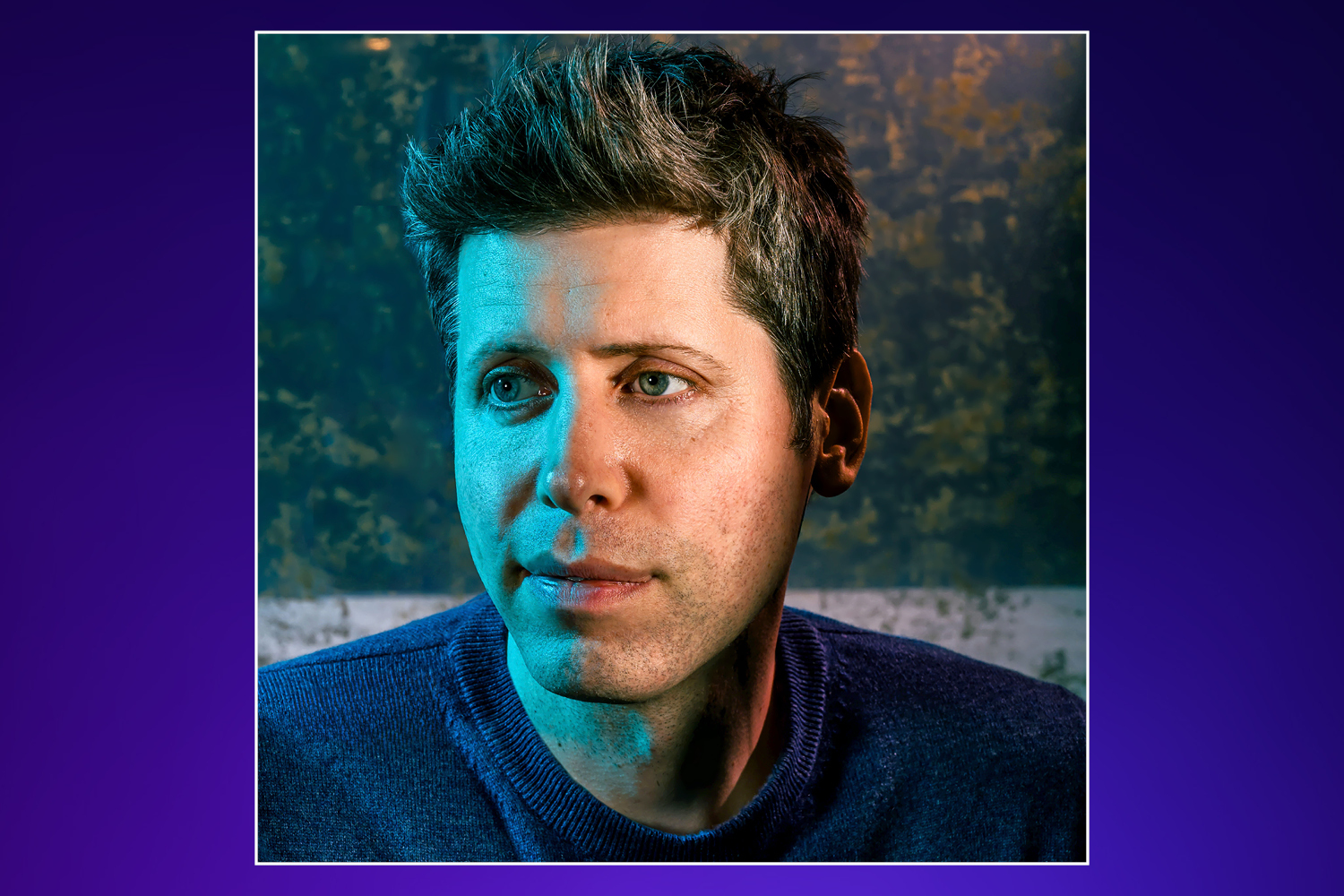
The Chicago-born Sam Altman ushered in the AI revolution in November 2022 with the debut of ChatGPT, a powerful chatbot. His mission is to turn it into a digital butler that can manage your entire life — book your holiday, do your taxes, build your website, even help your kids with their homework. “In a decade perhaps everyone on earth will be capable of accomplishing more than the most impactful person can today,” he wrote in a blog post last February.
Under Altman, the San Francisco-based OpenAI has been transformed from an oddball non-profit pursuing an oddball idea, artificial general intelligence (AGI) — a hypothetical AI with cognitive abilities on a par with those of humans, which Altman predicts is just years away — into one of the most important companies on the planet.
OpenAI has seen its valuation soar to $500 billion. Starting from effectively zero users three years ago, more than 800 million people use ChatGPT each month. Amid this breakneck growth, Altman has become the chief inflator of the much discussed AI bubble. OpenAI has pledged to spend $1.4 trillion on data centres, yet only brings in less than 2 per cent of that figure — $20 billion — in sales. It has racked up tens of billions of dollars of losses, a sum that grows by the day.
Altman admits his strategy is risky not just financially but potentially for all of us should AI slip the leash and enslave humanity. But it is a risk worth taking, he says. Imagine a world where everyone, be they working class or posh, in sub-Saharan Africa or New York City, will be able to tap into their very own pocket genius. What forces of creation, commerce and science will that unleash?
Whether he succeeds or fails, the implications will be profound. He is not taking any chances: he has spoken about being a doomsday prepper who has a California compound complete with gold bars, gas masks and potassium iodide pills to protect against nuclear radiation. He and his husband, Oliver Mulherin, a software engineer, welcomed their first child, a baby boy, via surrogacy last February.
• How you’ll be using AI in 2026: note-taking rings and robotaxis
Jensen HuangNvidia chip mastermind
Age: 62
Nationality: Taiwanese-American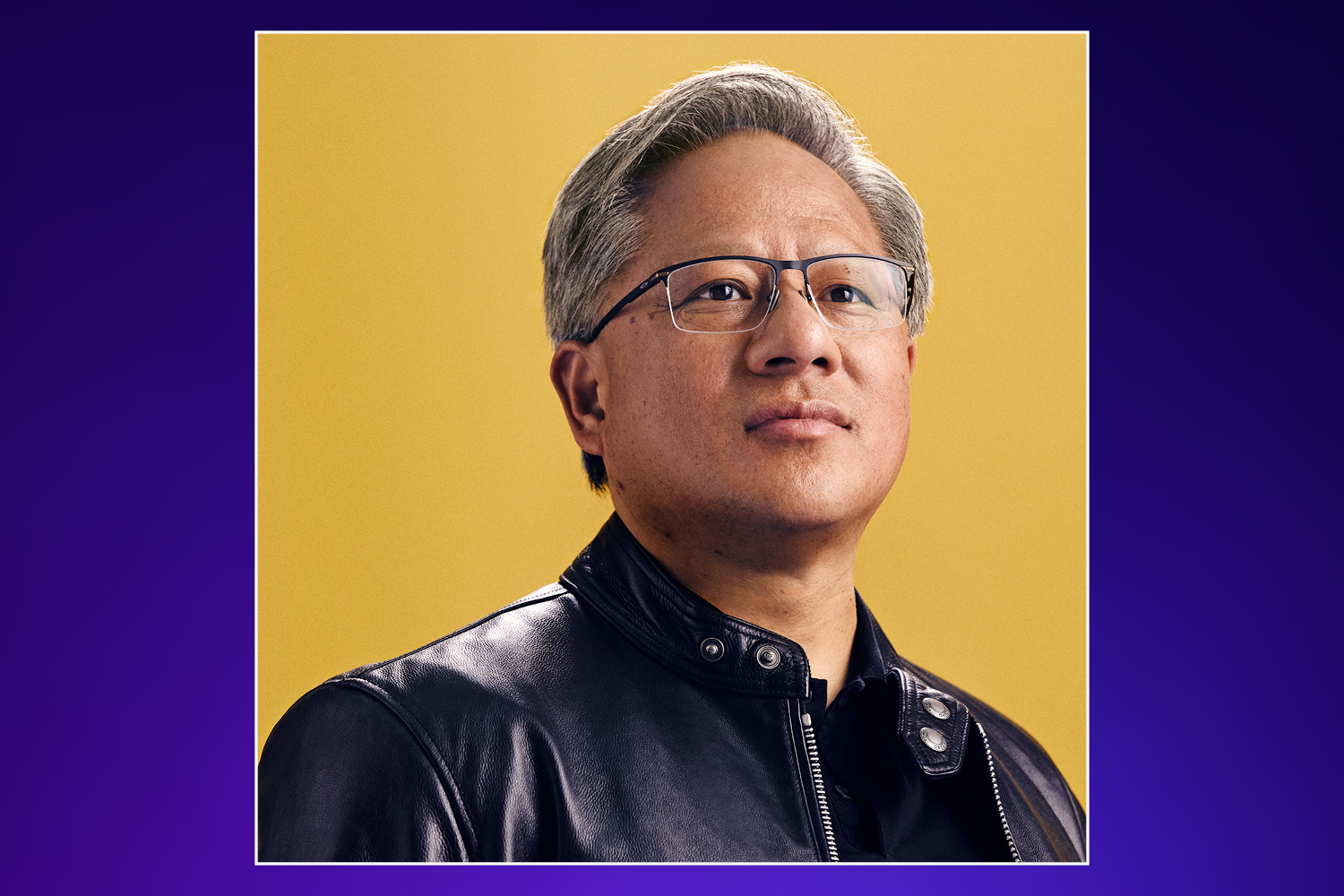
It all started at Denny’s, a downmarket chain diner in San Jose, California. It was 1993 and Jensen Huang, a Taiwanese immigrant who worked as an engineer, met with two friends to hatch their plan for a semiconductor start-up. They called it Nvidia. Today it is worth $4.6 trillion, the most valuable company on the planet — worth more than the roughly 2,000 companies traded on the London stock exchange combined.
In the great AI gold rush, Huang’s company is selling the most sought-after picks and shovels: GPUs, or graphics processing units. These chips were originally designed to render 3D video games, but it turned out that they were particularly well suited to training AI’s “deep learning” systems. Sensing an opportunity, Huang went all in, tuning his chips for AI. Nvidia’s sales in the three months to October hit $57 billion — ten times what it sold in the same period three years ago. Nvidia now sells $630 million worth of chips every day. The boom has turned Huang into one of the world’s richest people — eighth, according to Forbes, worth $166 billion — and a corporate politician of sorts, who is sought after by world leaders from Saudi Arabia and Britain to America and China.
Earlier this month in Las Vegas, dressed in a signature shiny black leather jacket, Huang announced Nvidia’s next generation of even more powerful chips as well as a big push into self-driving cars and other “physical AI”, meaning robots and real-world machinery.
It’s been quite the journey. Born in Taiwan, he moved to Thailand with his family at the age of five. When he was nine political instability led his parents to send him and his older brother to the US, to a boarding school in Kentucky. Life was tough. Kids carried knives. Huang cleaned lavatories. The experience gave him a sense of grit he has not lost.
“My work/life balance is great,” he said last year. “I work from the moment I wake up to the moment I go to bed. I work seven days a week. When I’m not working I’m thinking about working. I sit through movies, but I don’t remember them because I’m thinking about work.”
He married the Oregon-born Lori Mills in 1985 after they met at Oregon State University. Their two children, Spencer, 35, and Madison, 34, both work for Nvidia.
Jony IveiPhone designer with a new project
Age: 58
Nationality: British-American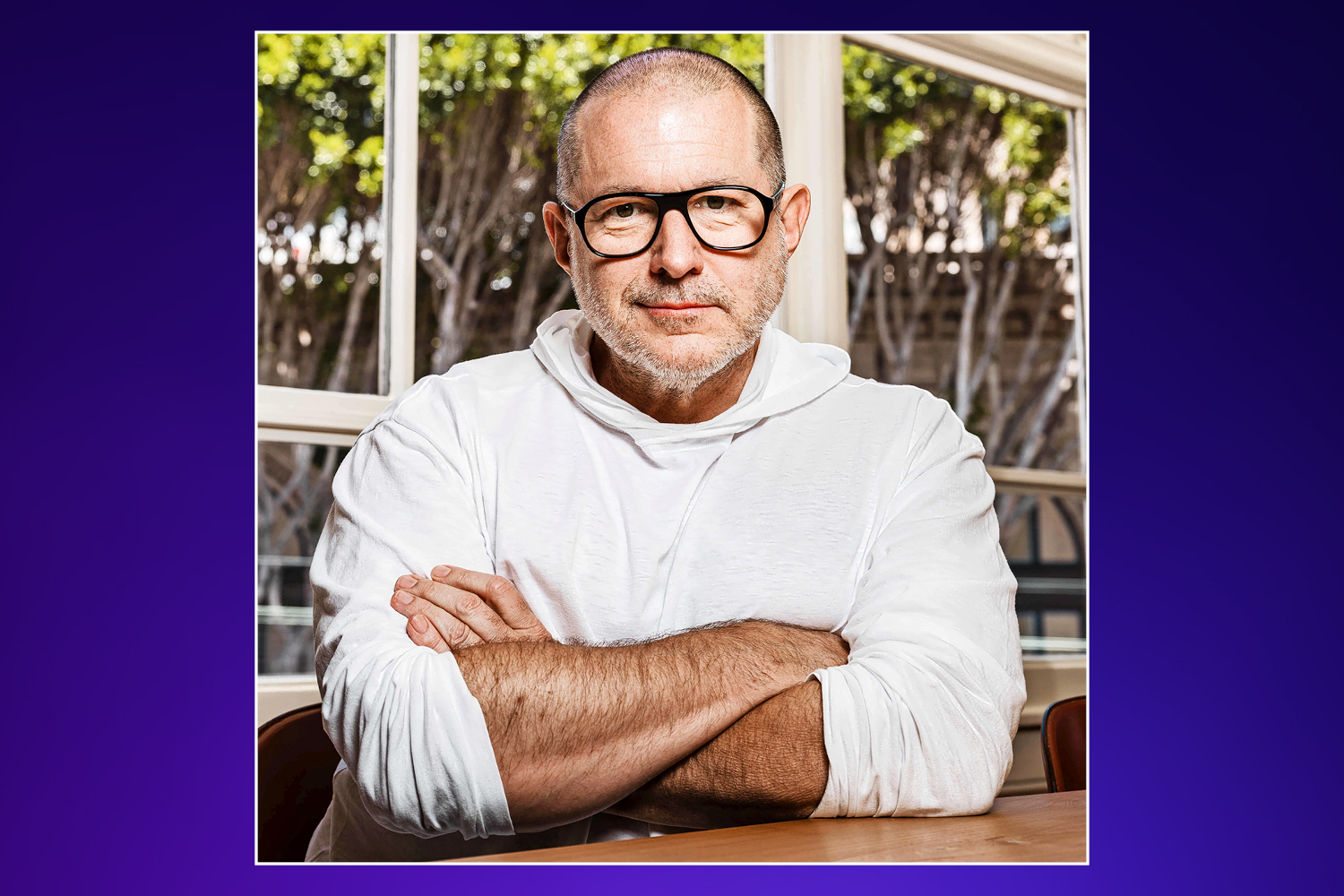
The east London-born industrial designer, famed for his mind-meld relationship with the Apple co-founder Steve Jobs, faded from view in 2019 when he left the iPhone giant after 27 years. Until eight months ago. That is when Jony Ive, designer of the iPod, iPad, MacBook Pro and iPhone, sold his small firm, called io, to OpenAI for $6.5 billion. In the multitrillion context of the AI race it was a small deal but based on a very big idea.
Since Jobs unveiled the iPhone in 2007 people have obsessed about what might come next. Ive’s bet is that AI has created an opportunity for the next big thing because it is fundamentally different. One can talk to a language model and receive an answer, not a list of links. It can, increasingly, go off and do tasks on your behalf. Which raises the question: is pecking at a small rectangle of glass the best way to access this technology?
Ive, who was knighted in 2012 for services to design, joined OpenAI to build an entirely new “family of devices”. The first is expected to hit the market this year. He has kept shtoom on the details but it is thought that it may be screenless. Speculation is rife that it could be some type of wearable, always-on, responsive microphone.
Ive moved to California in 1992. He lives in San Francisco’s posh Pacific Heights neighbourhood and has twin sons with his British wife, Heather, whom he met at school in Stafford in the late 1980s.
He admitted last year that he feels responsible for the “not so positive” effects of smartphones on society. AI gives him a shot at redemption. No pressure.
Mark Zuckerberg The Meta chief playing catch-up
Age: 41
Nationality: American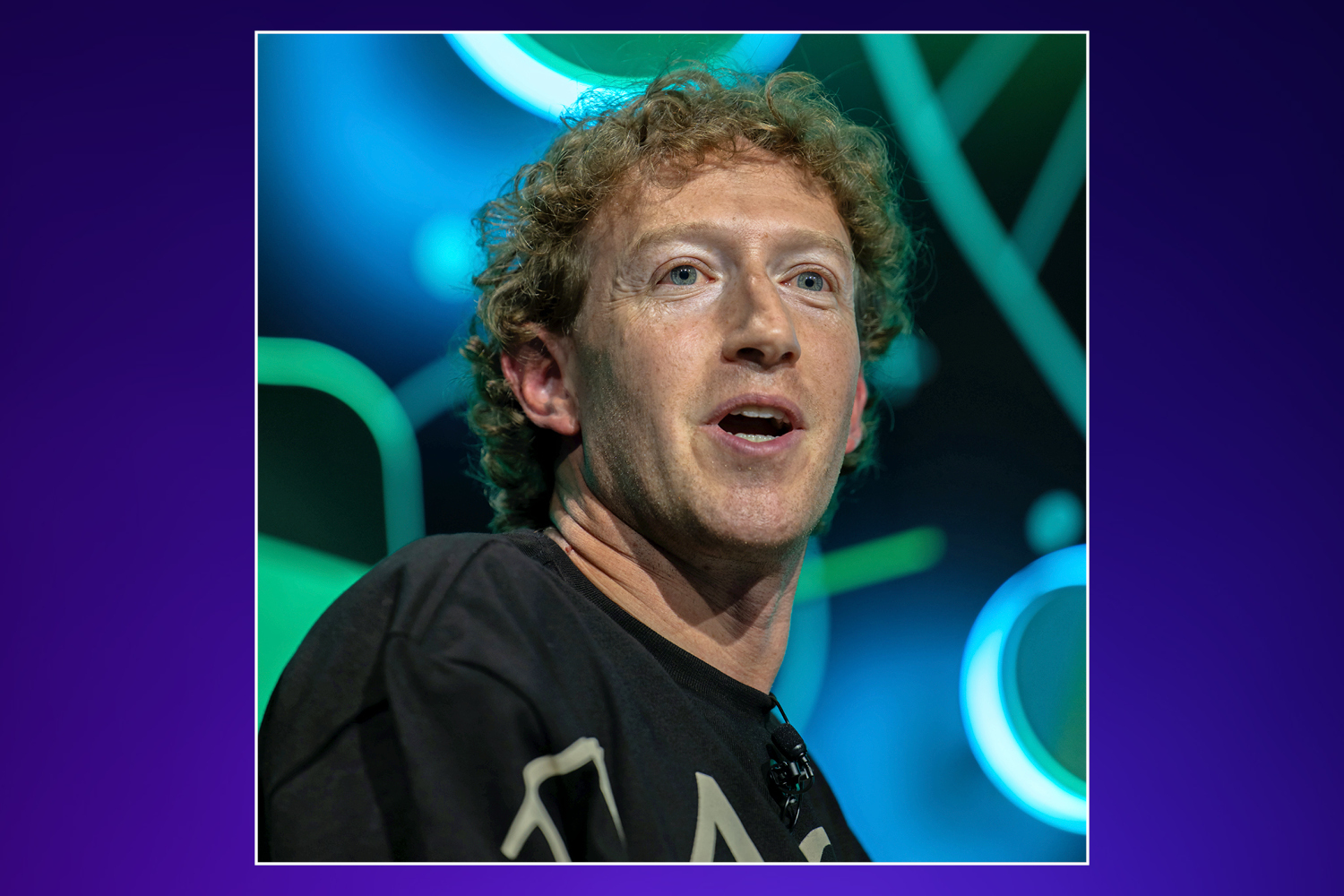
The Meta boss does not like to lose. This is a man, after all, who grew up playing Alpha Centauri, a fantasy game about dominating the galaxy, and named his children after Roman emperors: Aurelia, August and Maxima. So last year, in a fit of fear about being left behind in the great AI race, Mark Zuckerberg went shopping — for coders. In a matter of months he spent nearly $20 billion on a hiring spree, doling out footballer salaries, or better, for a handful of the world’s leading AI developers. His goal is to staff up a new unit, Meta Superintelligence Labs, and beat everyone to the goal of self-improving, hyperintelligent AIs.
His latest recruit: Andrew Tulloch, co-founder of Thinking Machines Lab, launched by the OpenAI émigrée Mira Murati. Zuck is reportedly paying Tulloch an eye-watering $1.5 billion over six years.
Less clear is why Zuckerberg, who has in recent years undergone a transformation from pasty coder to combat sports enthusiast with an unruly mop of curls and gold chains, is spending so dearly to do so. His $27 billion Hyperion data centre in Louisiana, for example, will be nearly as large as Manhattan.
Wall Street investors are scratching their heads. Is this a way to simply supercharge Meta’s ad business? Does he want to build the next big device, à la Jony Ive? Or perhaps it is simply filling an unmet need. Zuckerberg said last year that most people believe that they don’t have enough friends. He wants to solve the loneliness epidemic with AI companions. “I would guess that over time,” he tried to explain in April, “we will find the vocabulary as a society to be able to articulate why that is valuable.”
• Will Mark Zuckerberg’s AI drive fare better than his metaverse?
Tekedra MawakanaQueen of self-driving taxis
Age: 55
Nationality: American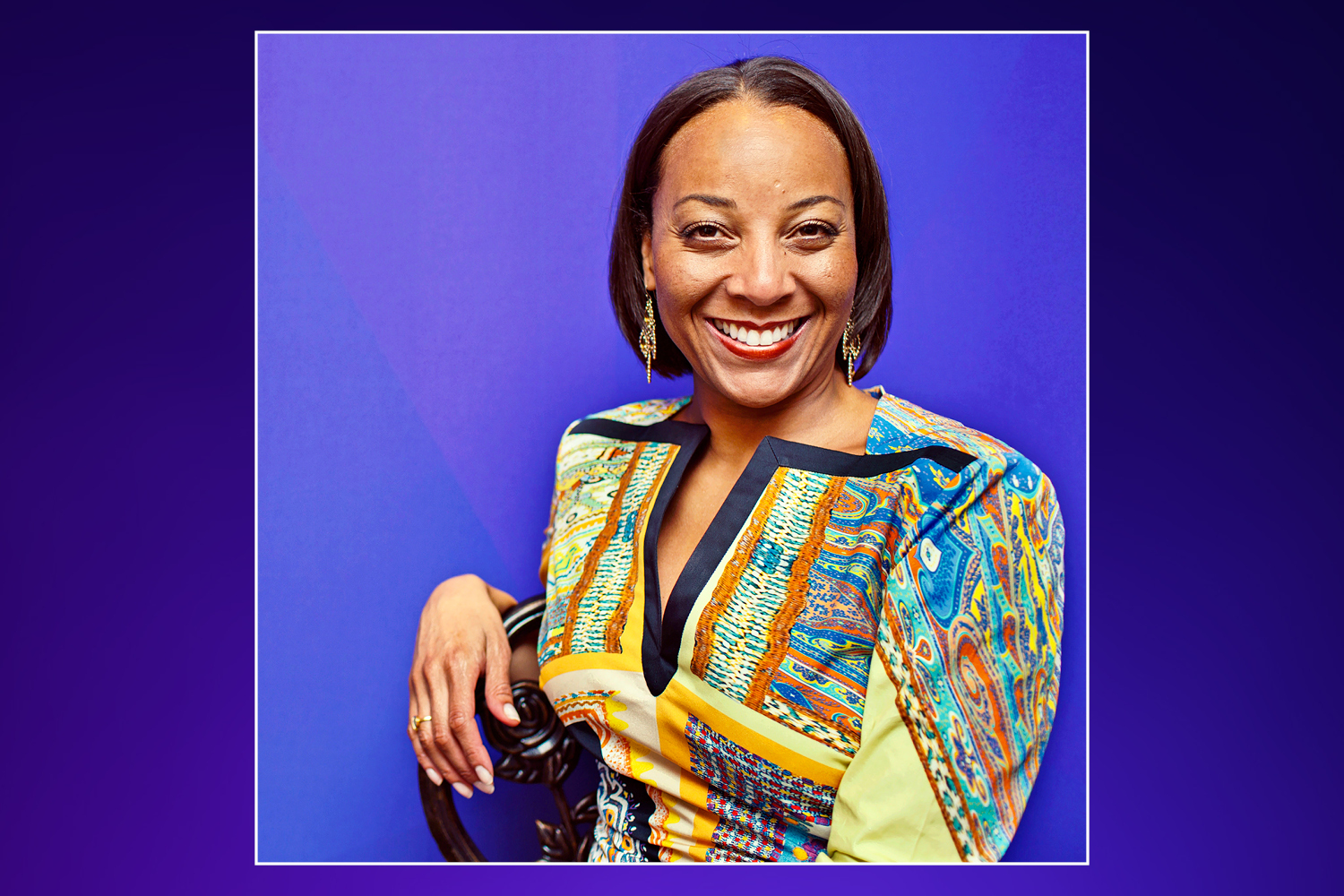
The Mississippi-born, Georgia-raised Tekedra Mawakana is not a technologist. But in the very male, often Caucasian tech world she is unique: a black woman and former lawyer with the operational and political nous to turn a science project into what could become a society-altering invention.
The hardest problem to crack in AI, most agree, is self-driving cars. If an AI is the “driver” behind the wheel of a 900kg vehicle ferrying passengers through hectic city streets, there is no room for hallucinations or mistakes. Countless companies have burnt through billions of dollars trying to solve this problem. Yet Mawakana, the co-chief executive of Waymo, the robotaxi subsidiary of Alphabet, is bringing the technology to the masses, succeeding where even Elon Musk has failed. After proving its mettle in Phoenix, Arizona and San Francisco, Waymo in the past year expanded its operations to Los Angeles, Austin and Atlanta. This year it expects to launch in Denver, Colorado and London, its first international site.
Roughly 1.4 million people globally die in traffic accidents each year. Humans get drunk, tired and distracted; computers don’t. Mawakana’s pitch is that Waymo’s “driver” gets in 90 per cent fewer accidents, and thus will save thousands or even millions of lives. She has proven adept at making the case, coaxing policymakers into more lenient laws, convincing anti-drink-driving non-profits to support Waymo, all while avoiding safety incidents that have sunk many a rival. (The company was hit with a small uproar, however, after a Waymo ran over a much loved stray cat in the Mission District of San Francisco last October.) Waymo is now handling 450,000 driverless rides a week.
Divorced, Mawakana has a teenage son — who is learning to drive, she told Vanity Fair last year, because “Waymos won’t be everywhere before he’s out in the world”.
Palmer LuckeyAI weapons prodigy
Age: 33
Nationality: American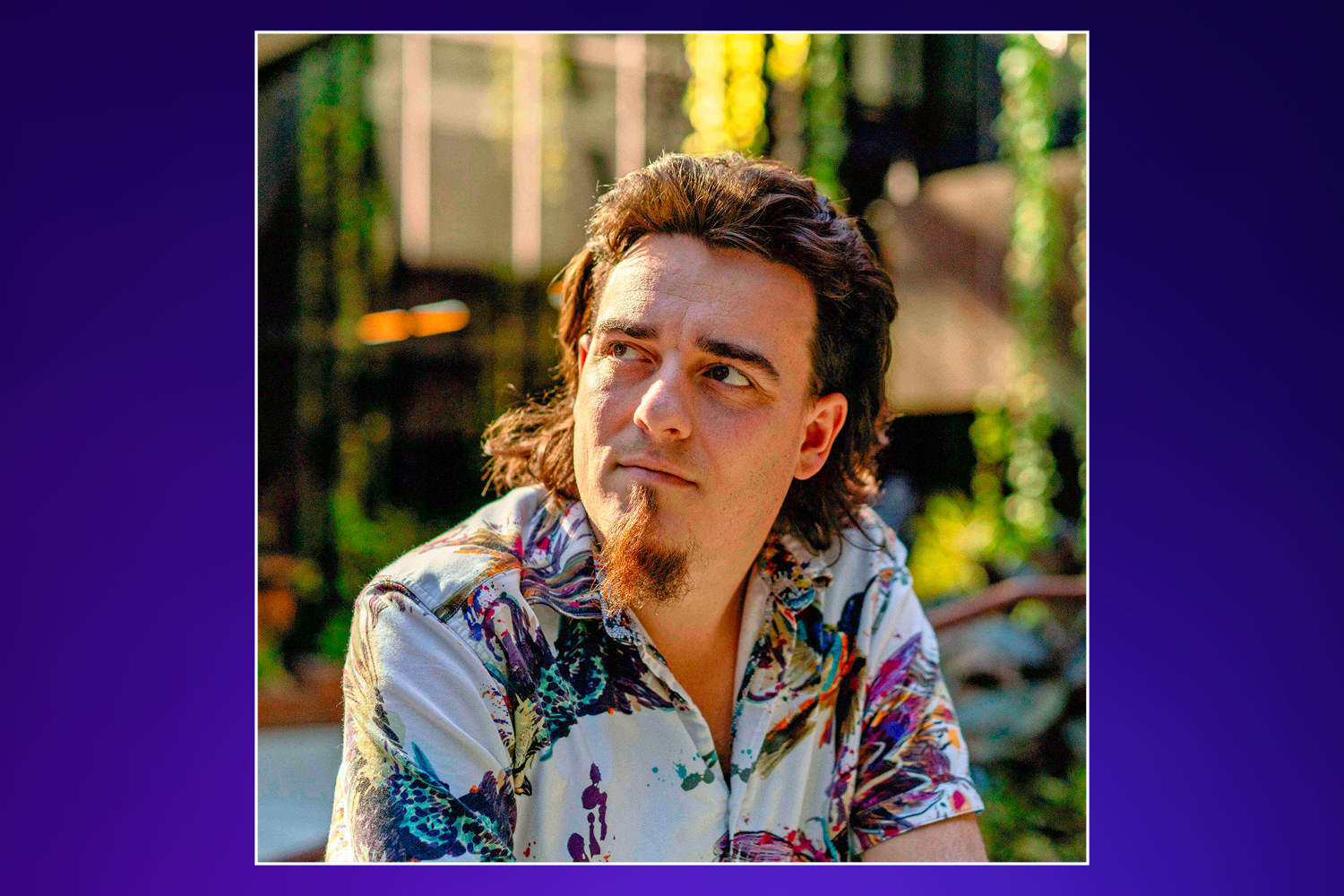
“I love killer robots.” That was the answer Palmer Luckey had for a questioner who asked about the ethics of creating AI-powered weapons systems last year. To the 33-year-old billionaire founder of Anduril Industries, building a new generation of autonomous killing machines is an imperative because tomorrow’s war — most likely with China — cannot be won with yesterday’s tech. “Tesla has better AI than any US aircraft. Your Roomba [vacuum cleaner] has better autonomy than most of the Pentagon weapon systems, and your Snapchat filters, they rely on better computer vision than our most advanced military sensor,” he explains.
So Luckey, a child prodigy turned inventor famed for his Hawaiian shirts, flip-flops and strident political views, has made it his mission to build the West’s most formidable family of AI-powered drone swarms, autonomous submarines, jets and weapons.
His route to becoming Washington’s favourite arms maker has been circuitous. Home schooled by his mother, he sold his start-up Oculus to Facebook in 2014 for $2 billion, based on a virtual reality headset he knocked up in the family trailer. He was just 21 at the time. Luckey was fired three years later amid an uproar over a $10,000 contribution he made to a political group that supported Donald Trump at a time when Silicon Valley’s leaders were much more stridently and openly progressive.
Facebook said Luckey’s politics had nothing to do with his dismissal but paid $100 million to settle his lawsuit over the affair. With his social media riches, Luckey started Anduril in 2017.
He married his longtime girlfriend, Nicole Edelmann, in 2019. The couple have a child and live in the exclusive enclave of Lido Isle in Newport Beach, California.
• ‘I hired a million of the world’s smartest people to fact-check AI’
CC Wei Chipmaking titan
Age: 73
Nationality: Taiwanese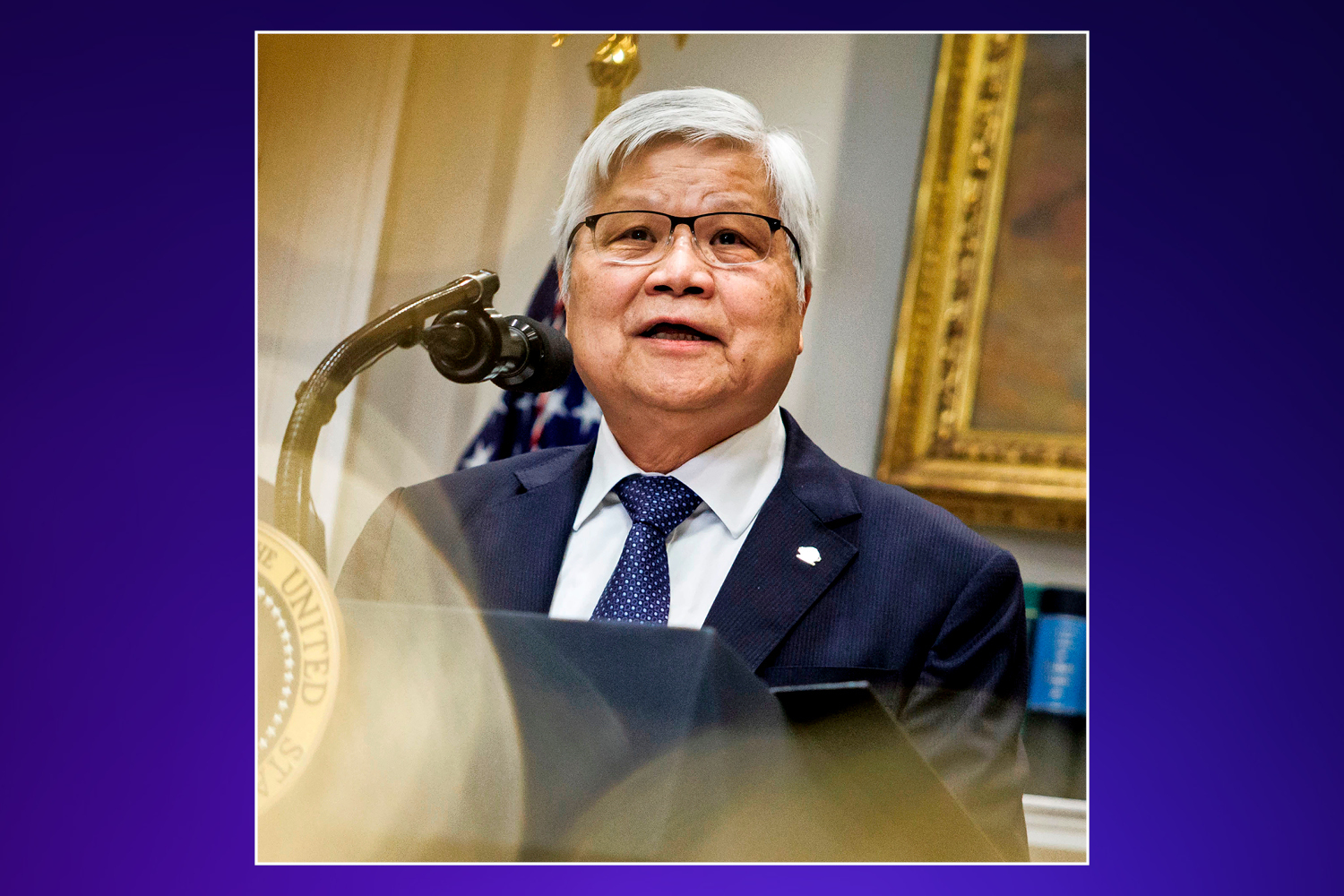
There is a growing sense from Washington and London to Silicon Valley that AI supremacy will be the defining geopolitical fight of our time. Whoever “wins” will control the next century, the belief goes.
At the centre of the conflict between the West on one side and China on the other sits one company, Taiwan Semiconductor Manufacturing Company (TSMC), and one man, its chief executive, CC Wei.
Because while the chip designer Nvidia may be the world’s most valuable company, it would be nothing without Wei, whose business is uniquely capable of making the impossibly complex kit that powers AI systems. Nvidia’s H100 chip, for example, contains 80 billion transistors etched at an atomic scale. TSMC makes those, as well as the most advanced chips for Apple and others. Its capabilities are unmatched by any other company.
Wei, known for his humble bearing, voluminous grey coif and a penchant for clipped, one-word answers to prying Wall Street analysts, has quietly built what may be the most important operation on the planet.
China has long believed that Taiwan is a breakaway state that must be “reunified” with the mainland under the control of the Chinese Communist Party. National security officials fear that China’s President Xi will, at some point, launch a war to retake the island. TSMC would be the great prize.
So Wei, who grew up in rural Taiwan and received a PhD in electrical engineering from Yale University, has begun making moves. In March he announced alongside President Trump a $100 billion plan to build five chip factories in America. He has also expanded into Europe, breaking ground on a giant new plant in Dresden, Germany.
In the great power chess game, Wei’s TSMC is the queen.
Liang WenfengDeepSeek founder and ChatGPT rival
Age: 41
Nationality: Chinese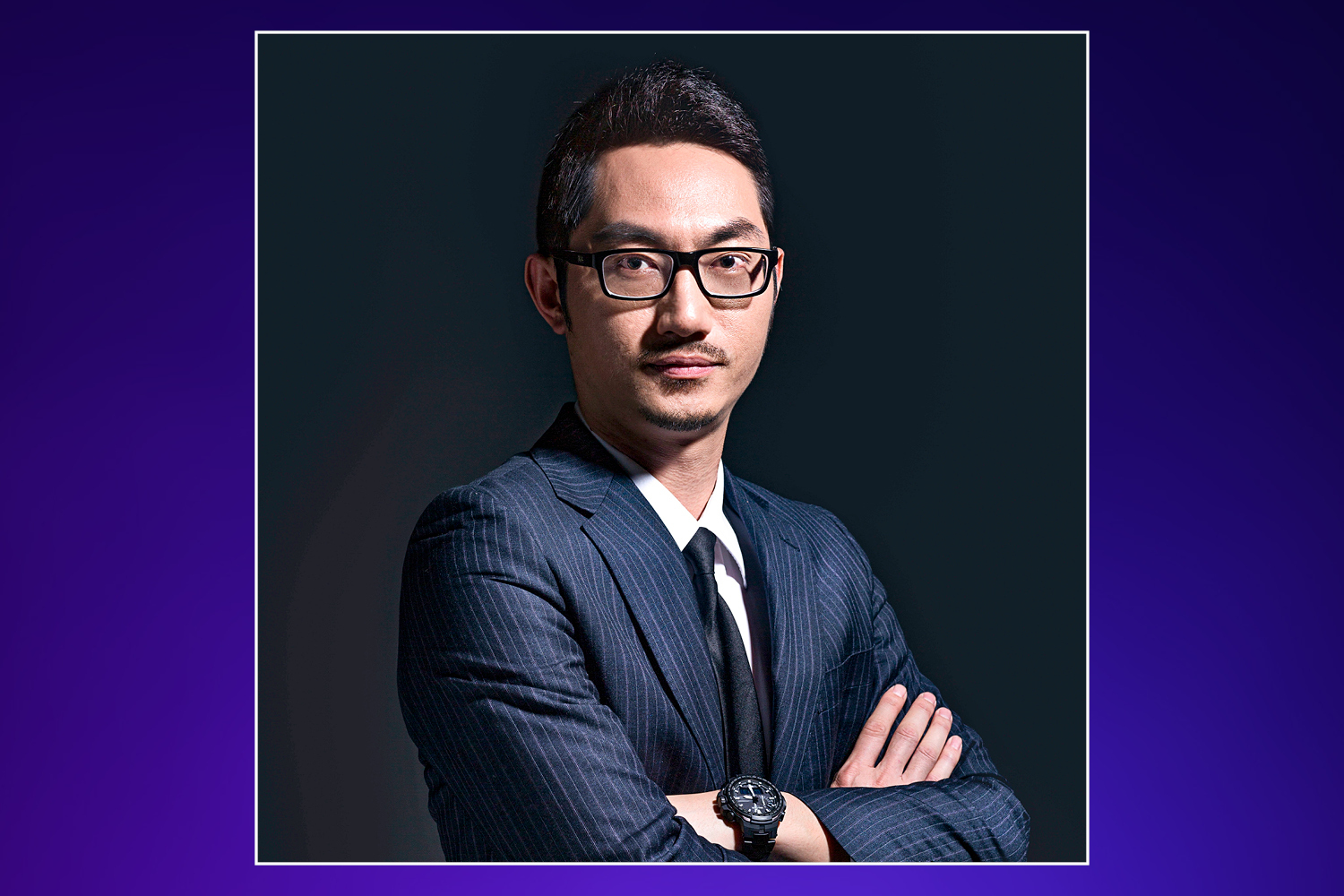
In the China-versus-the-West race for AI supremacy, Liang Wenfeng is the other central player. The 41-year-old Hangzhou-based entrepreneur rose to the world stage in January last year when an offshoot of his little-known hedge fund, High-Flyer, released a powerful AI model — DeepSeek. It was remarkable for two reasons: DeepSeek was developed using a less powerful family of Nvidia chips because top-of-the-line hardware was subject to an export ban; and it made the model freely available, or “open source”.
The release sent shock waves through Silicon Valley and a spasm of fear through Wall Street. If a relative unknown could build state-of-the-art models and give them away free, why was corporate America spending trillions on AI start-ups and data centres? What’s more, DeepSeek wasn’t even a well-established tech company. Wenfeng made his first fortune via High-Flyer, which relies on algorithms to spot mispricings in the market and make trades. DeepSeek was a spin-off of that.
Weeks after Wenfeng’s coup, the Chinese president, Xi Jinping, invited him to an event that was broadcast widely by state media. Despite the fanfare, Wenfeng, the son of teachers, has maintained a low public profile. Instead he lets his technology speak for him. Last month DeepSeek released two free models that again surpassed the performance of several of America’s top AI systems. Upon the announcement, a user on X wrote: “Rest in Peace, ChatGPT.”
Elon MuskTesla’s demon disruptor
Age: 54
Nationality: South African-American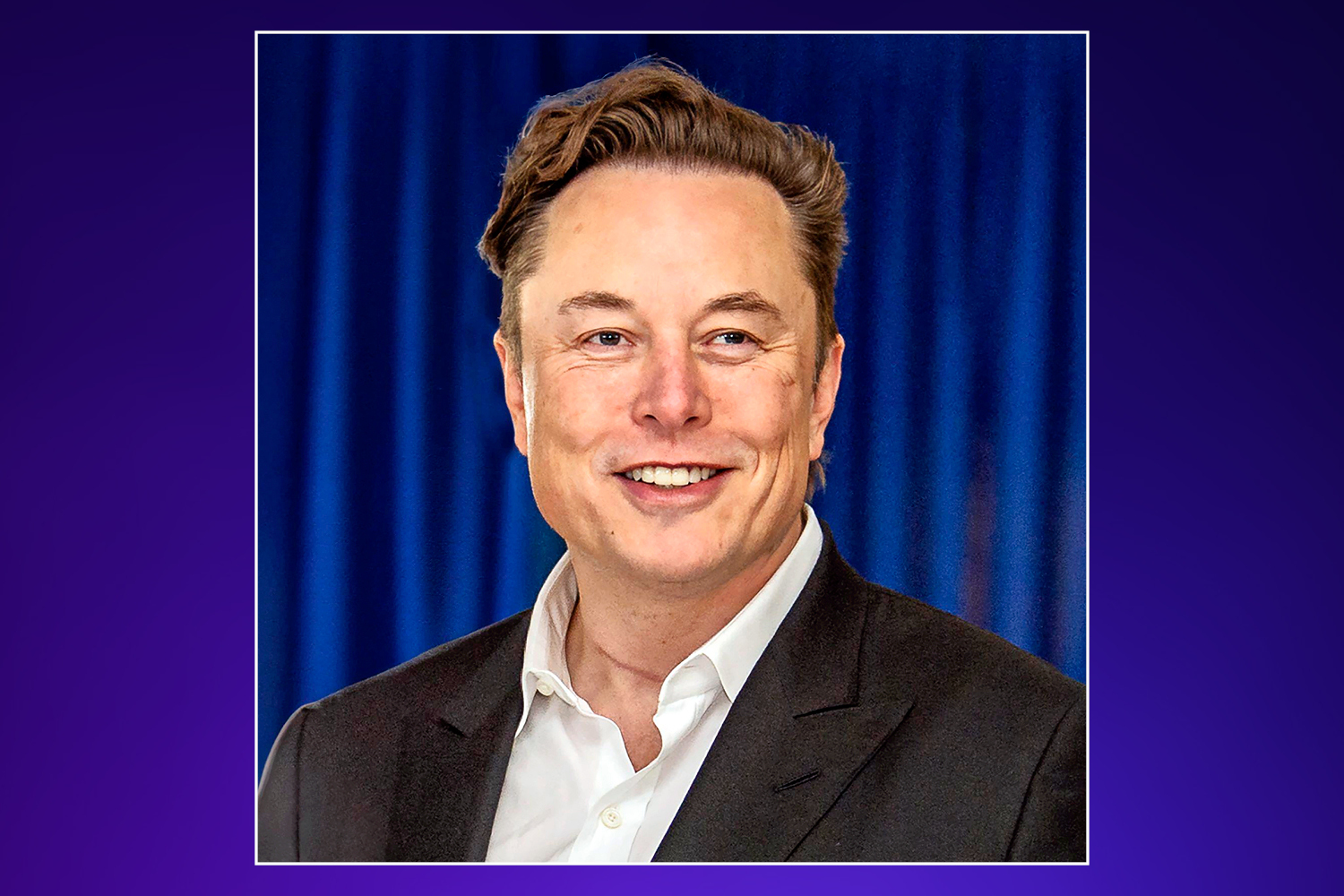
The Tesla tycoon was once perhaps the world’s most prominent AI Cassandra. Elon Musk equated the quest for hyperintelligent machines to “summoning the demon”. Yet as the boom took hold after ChatGPT’s 2022 launch, the father of 14 was not content to let someone else summon said demon. He decided to do it himself, with an approach befitting that of the world’s richest man.
At an estimated cost of $4 billion he built Colossus, believed to be the world’s largest AI supercomputer, inside a vacant kitchen appliance factory in Memphis, Tennessee. He was told it would take 24 months. Musk got it done in 122 days, importing a fleet of diesel generators for power, over the objections of locals, and snapping up 200,000 top-of-the-line Nvidia GPUs.
Among its outputs? Grok, a chatbot billed as an antidote to the “woke” systems of Musk’s rivals. Grok has been highly controversial. It called itself “MechaHitler” and spewed racist content, which Musk’s company xAI scrambled to rectify. This month the bot had to apologise again, this time for apparently creating child sexual abuse material. A further outcry over users on X using Grok to digitally strip people of their clothing led to xAI curbing Grok’s image-editing abilities.
The chaotic nature of Grok appears to dovetail with its founder, whom the White House chief of staff, Susie Wiles, called an “avowed” ketamine user. Musk has a penchant for going into what his ex-partner the Canadian singer Grimes called “demon mode”, relentlessly pushing his employees.
Chatbots are just one part of his grand plans. His brain implant start-up Neuralink is working on a device that would allow us to “achieve a sort of symbiosis with artificial intelligence”. He is also building AI-powered humanoid robots to make work “optional”, and robotaxis, having launched Tesla’s pilot programme (with human safety drivers) in Austin, Texas, last summer.
Fei-Fei LiGodmother of AI
Age: 49
Nationality: Chinese-American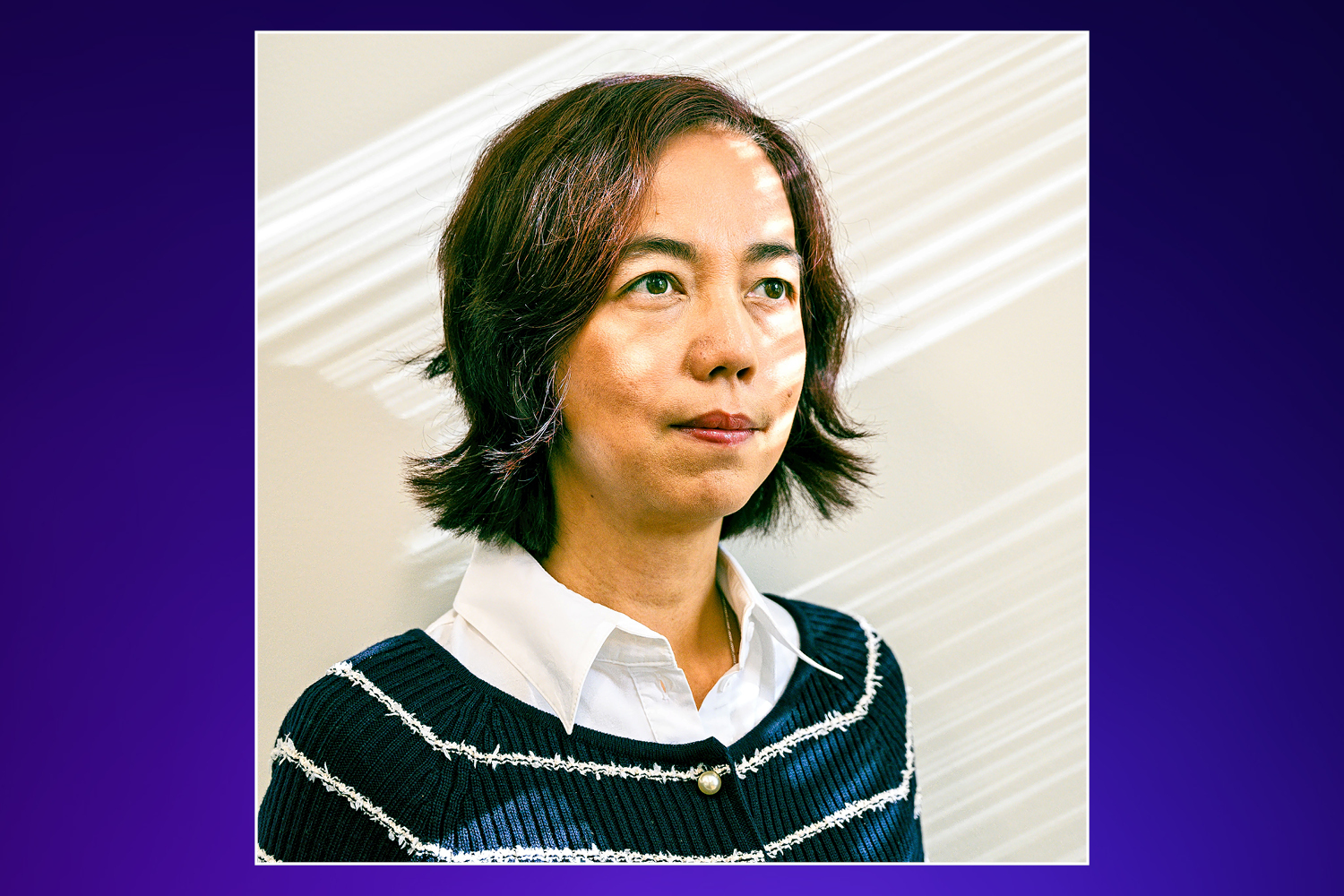
The AI boom of today would not have happened without a project conceived in 2006 by Fei-Fei Li, then a relatively anonymous computer science professor at Stanford University. Back then AI was a technological backwater. A key roadblock: developers had very limited data upon which to train their systems. Li’s idea was to create the world’s largest shared dataset to act as an AI training ground. The result was ImageNet, a database of 14 million images, painstakingly labelled by nearly 50,000 contractors over a two-year period.
Li, a Beijing-born immigrant who worked at her parents’ dry-cleaning business in secondary school, then launched a competition in 2012 to see who could create the most capable system for identifying images. An AI called AlexNet won in a landslide. It was created by a three-person team including the researcher Ilya Sutskever, who went on to co-found OpenAI, and Geoffrey Hinton, the British computer science professor who last year quit his position at Alphabet so he could speak freely about the existential threat he believes AI poses to humanity.
AlexNet’s victory convinced the industry that “deep learning” systems held immense promise. It set in motion a series of breakthroughs that led to the ChatGPT moment. Li has since founded Stanford’s Institute for Human-Centered AI, raised $240 million for her start-up World Labs and has become a leading voice in AI policy, arguing that the technology’s main purpose should be to enhance human potential rather than replace human labour.
Demis HassabisDisease-killing DeepMind founder
Age: 49
Nationality: British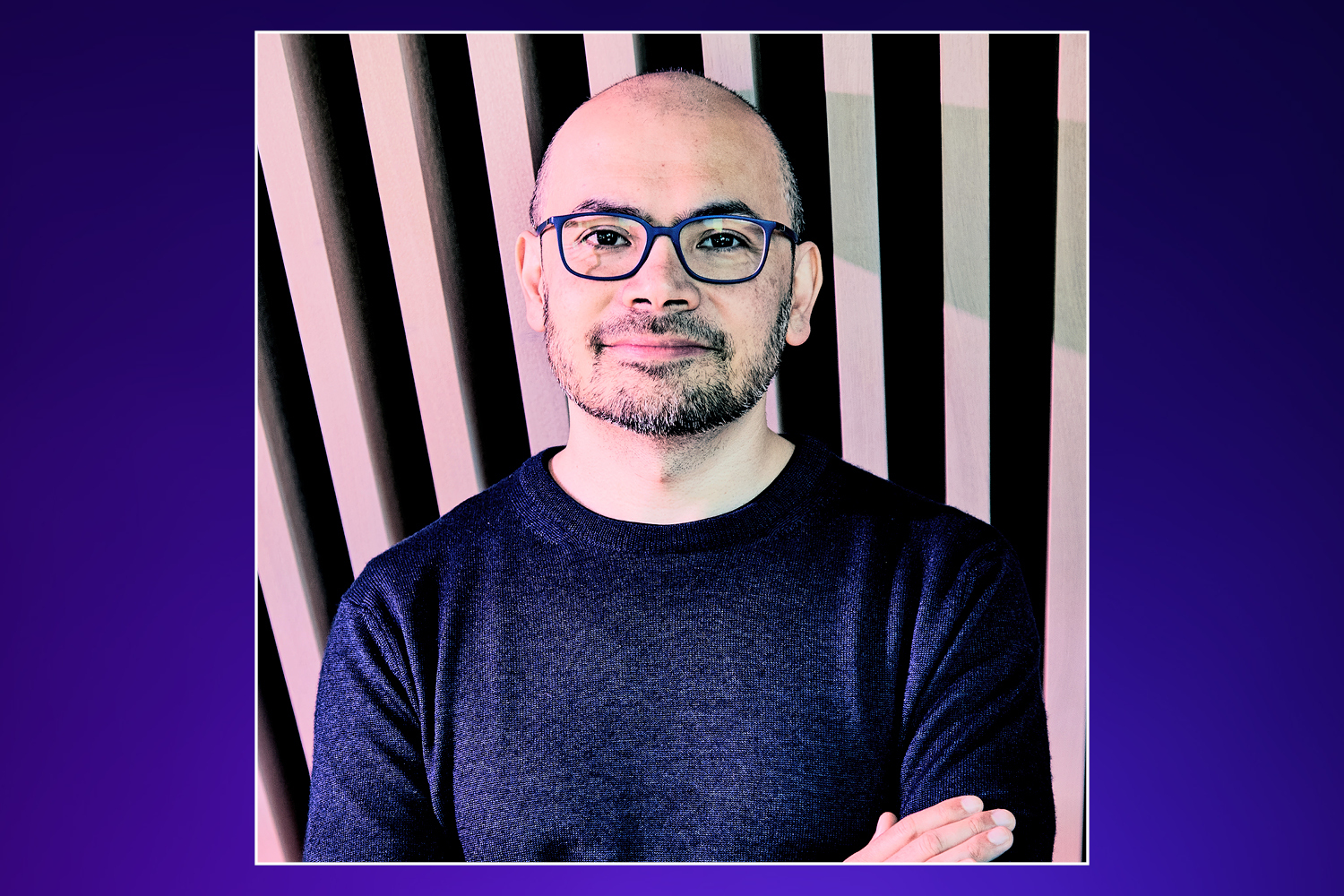
CHRIS MCANDREW FOR THE TIMES
Born to working-class parents, Demis Hassabis was a child prodigy and chess master by the age of 13. He was awarded the Nobel prize in chemistry in 2024 for AlphaFold, the system devised by his team at Google DeepMind to predict three-dimensional protein structures, a critical research bottleneck. His next trick? Use AI to “cure all disease”.
Since he sold his London start-up DeepMind in 2014 to Alphabet, the parent company of Google, the north London native and Cambridge graduate has risen to become one of the most powerful executives at the $3.9 trillion tech giant.
After OpenAI released ChatGPT in 2022, Alphabet declared a “code red” amid fears it would be left behind. It merged the company’s disparate AI efforts into DeepMind under Hassabis, who has led a resurgence in Google’s dominance. Its latest Gemini model is now used by 650 million people, with capabilities so powerful that Sam Altman declared his own “code red” inside OpenAI last month.
Hassabis has also launched Isomorphic Labs, an Alphabet division developing AIs for drug discovery. He said that by using tools such as AlphaFold, autonomous scientists will slash the time it takes to develop new treatments from roughly a decade to “weeks or months”. He foresees a “disease-free” era, possibly within a decade.
Satya NadellaMicrosoft’s saviour
Age: 58
Nationality: Indian-American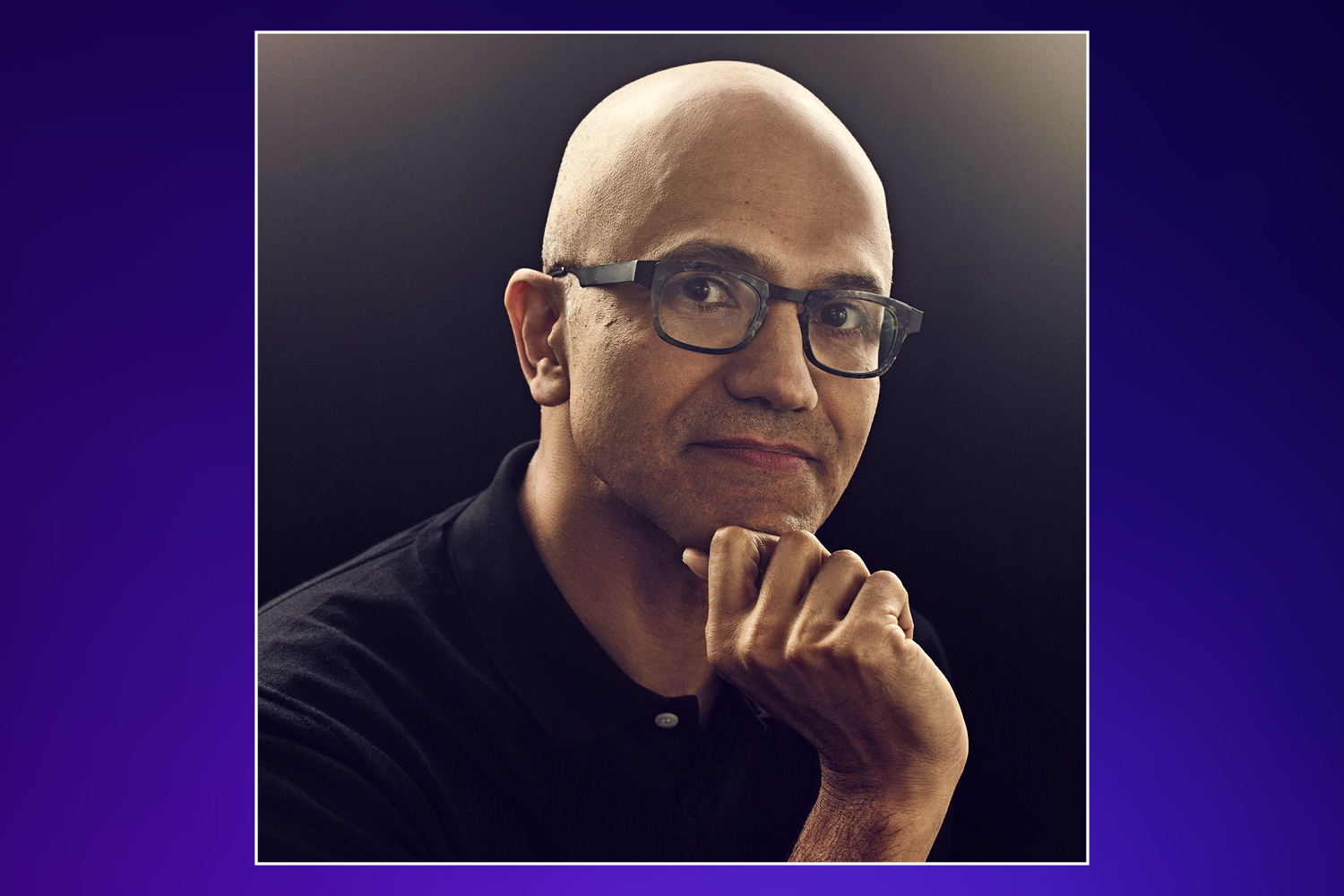
Satya Nadella, the CEO of Microsoft, was one half of the most important bromance in technology. In 2019 he invested $1 billion into OpenAI — then a little-known NGO run by Altman. OpenAI was working on an outlandish idea: that artificial general intelligence (AGI) was not a science fiction idea but an achievable goal. Even Bill Gates thought it was a bad idea, warning Nadella that he was about to “burn a billion dollars”.
Nadella’s endorsement, cash and, crucially, access to Microsoft’s powerful cloud computing data centres were just the rocket fuel Altman needed. After ChatGPT’s release in 2022, Nadella doubled down, ploughing $13 billion in total into OpenAI.
The 58-year-old cricket and poetry lover from Hyderabad, India, who is just the third CEO to run Microsoft, has played a blinder. In exchange for his cash he secured access to all of OpenAI’s models, which he is busily integrating into every product at Microsoft. The company remains the dominant software provider to governments and large businesses. His $13 billion investment in OpenAI is now worth $130 billion.
Nadella is deeply respected in corporate America, having joined Microsoft in 1992, climbing the greasy pole to the top job and reviving Microsoft after many moribund years. Thousands of start-ups now rely on its global fleet of data centres to build and run their AI systems. It is hard to think of anyone who is doing more to push AI into every nook and cranny of modern life than Nadella.
David SacksTrump’s AI tsar
Age: 53
Nationality: South African-American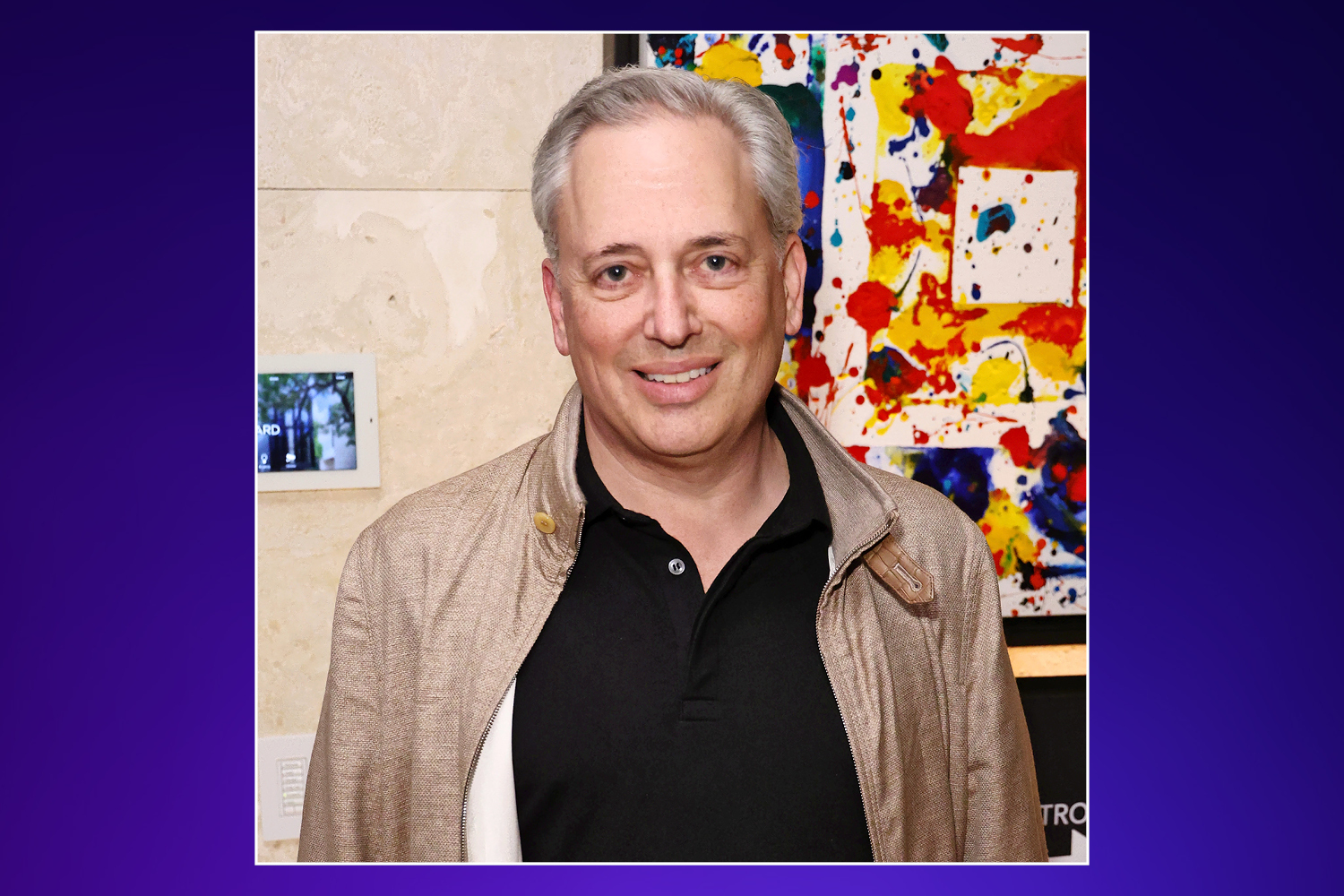
The most powerful tech bro in the Trump administration, David Sacks began his journey to the White House via political donations. The billionaire Silicon Valley investor and member of the “PayPal Mafia” — the executives including Elon Musk and Peter Thiel who founded the payments company at the dawn of the internet — donated $1 million to a group supporting JD Vance’s Senate run in 2022. He then held a $12 million fundraiser for Trump in 2024 at his San Francisco mansion. When Trump won he appointed Sacks, who was born in South Africa, as an unpaid “AI and crypto tsar”.
Sacks marked himself out as an outspoken conservative student at Stanford University, where he became friends with Thiel, the billionaire Facebook investor and founder of the defence giant Palantir Technologies.
A diehard Maga supporter, Sacks has become a mouthpiece for the Trump administration in Silicon Valley via the popular All-In podcast, where he and three fellow unapologetically wealthy investors talk about tech and politics. From his position at Trump’s elbow, Sacks has pushed back against AI “doomers” warning about out-of-control technology and instead helped craft Trump’s light-touch regulatory approach, which stands to benefit many companies backed by his venture capital firm Craft Ventures, as well as his techie friends.
His view is that America “wins” by ensuring the world builds its AI infrastructure with American kit — despite national security concerns over making the most advanced tools available to rivals. A close ally of Nvidia’s Jensen Huang, he was central to Trump’s repeal of an export ban on advanced chips to China.
• From urban decay to fabulous wealth, how AI revived San Francisco
Mira MuratiOpenAI’s breakaway star
Age: 37
Nationality: Albanian-American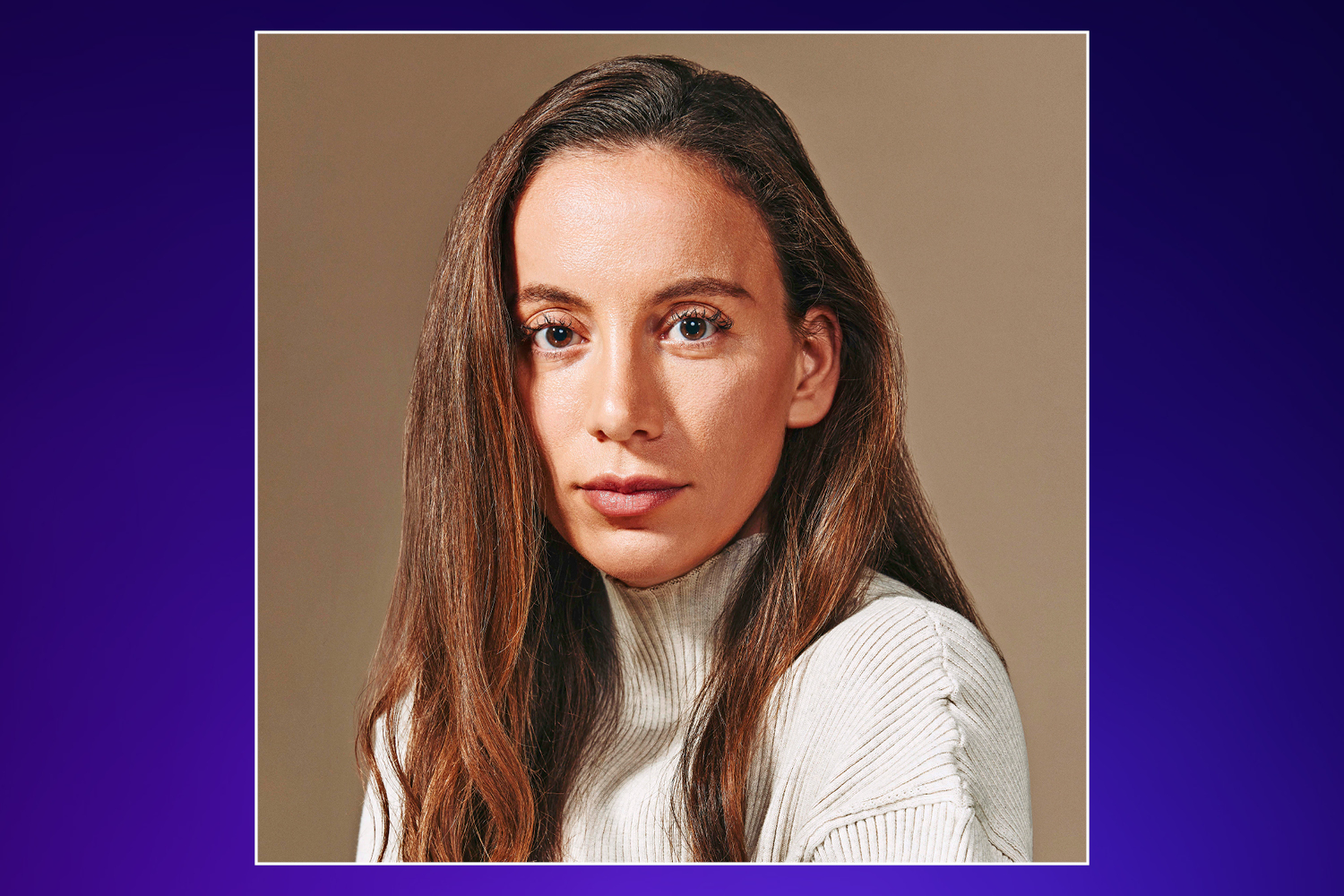
She has been swimming in the elite circles of AI for years, but Mira Murati has retained an air of mystery. One tech website dubbed her “the $10 billion enigma” — a reference to the value of her one-year-old start-up, Thinking Machines Lab, which only recently released its first product: a tool to allow developers to fine-tune large language models.
Through one lens her tiny company could be a poster child of the AI bubble. It employs a few dozen people yet is more valuable than Marks & Spencer. But Murati has proven herself a canny operator.
For a few days in November 2023 the Albanian-born engineer was chief executive of OpenAI after the board defenestrated the company’s co-founder Sam Altman. She had told the board of her concerns about Altman’s management style. Altman spent just a weekend outside the walls before an employee revolt returned him to the top job.
Having had a hand in his removal, Murati, who is known for her emotional intelligence, forcefully supported Altman’s return. But her days were numbered. She left OpenAI in 2024 and raised a record $2 billion for a start-up despite playing coy with her investors about Thinking Machines’ long-term strategy.
Murati previously worked at Musk’s Tesla, bringing projects to market. Now she appears to be trying to reconstitute OpenAI 2.0, a research-orientated lab populated by a handful of top coders and researchers she poached from Altman. Thinking Machines is undergoing some upheaval, however, as two of its co-founders last week announced they were heading back to OpenAI.