
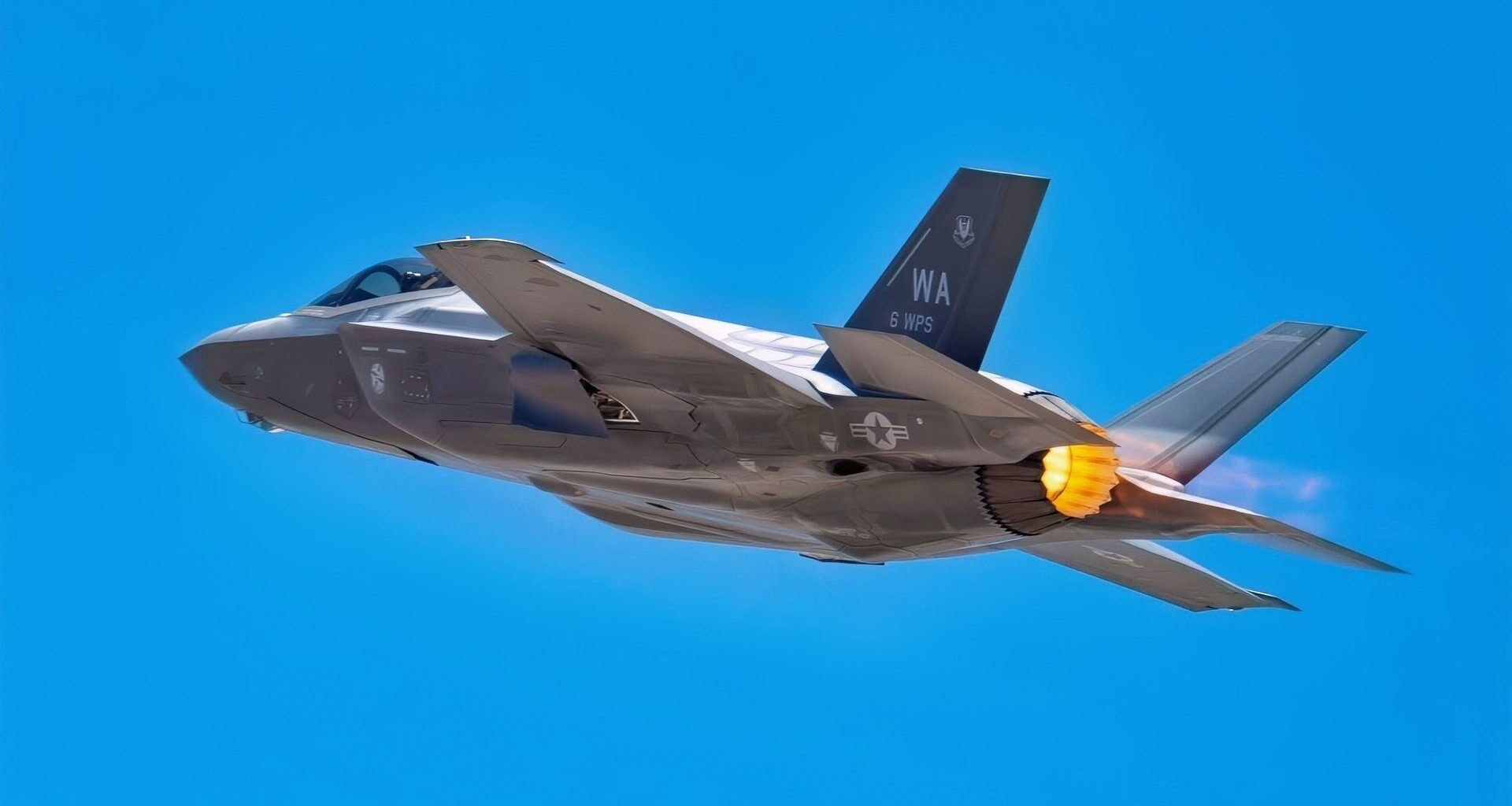
Canada’s 88 F-35s Are Under Review—And Saab’s 72-Gripen Offer Is Getting Real
Canada’s long-running effort to replace its aging CF-18 Hornet fleet hit a bump in the road when Prime Minister Mark Carney ordered a review of the country’s purchase of 88 Lockheed Martin F-35 fighter jets amid trade tensions with the U.S. and concerns over the C$19 billion price tag – and as it looks increasingly likely Canada will turn to Sweden’s Saab for its new fleet, new arguments are emerging that support a break from the U.S. aviation industry.
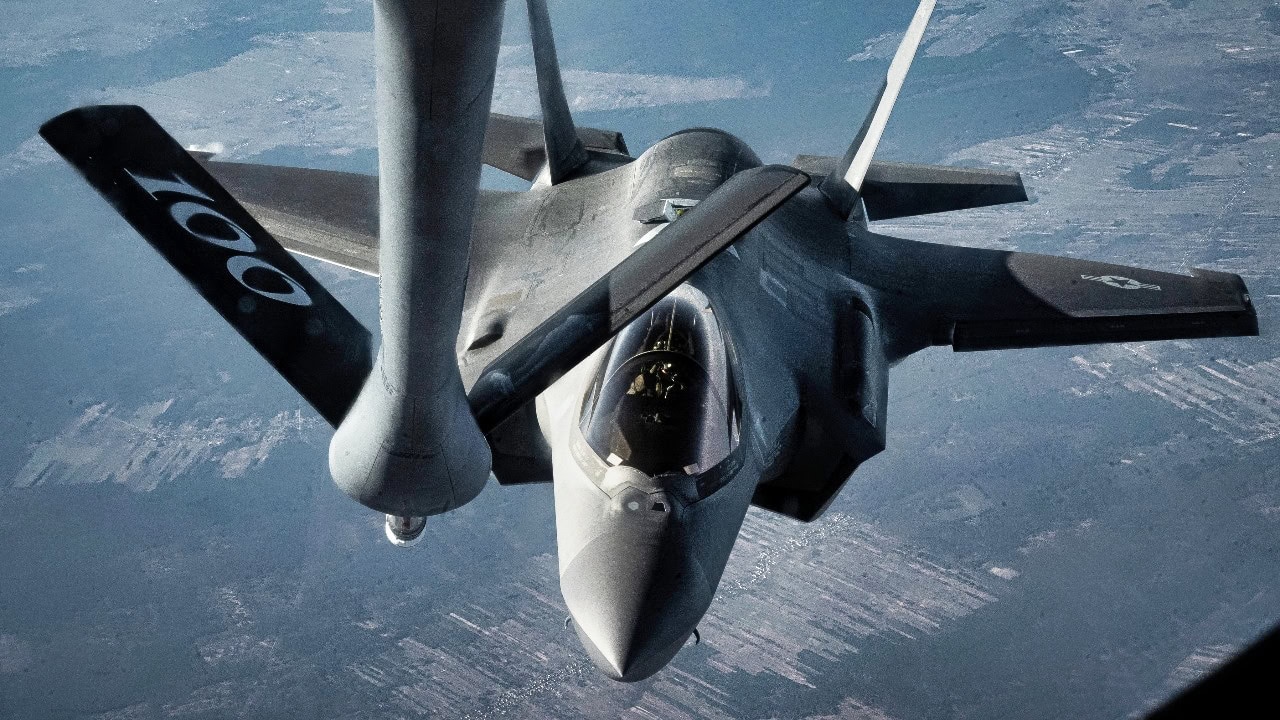
The 388th Fighter Wing’s F-35 Lightning II fifth-generation fighter prepares to receive fuel from a U.S. Air Force Boeing KC-135 Stratotanker attached to the 100th Air Refueling Wing in Eastern European airspace, Feb. 28, 2022. The KC-135 platform is key to enabling U.S. Air Forces in Europe – Air Forces Africa to project credible air power and air operations in concert with NATO allies and partners. (U.S. Air Force photo by Airman 1st Class Edgar Grimaldo)
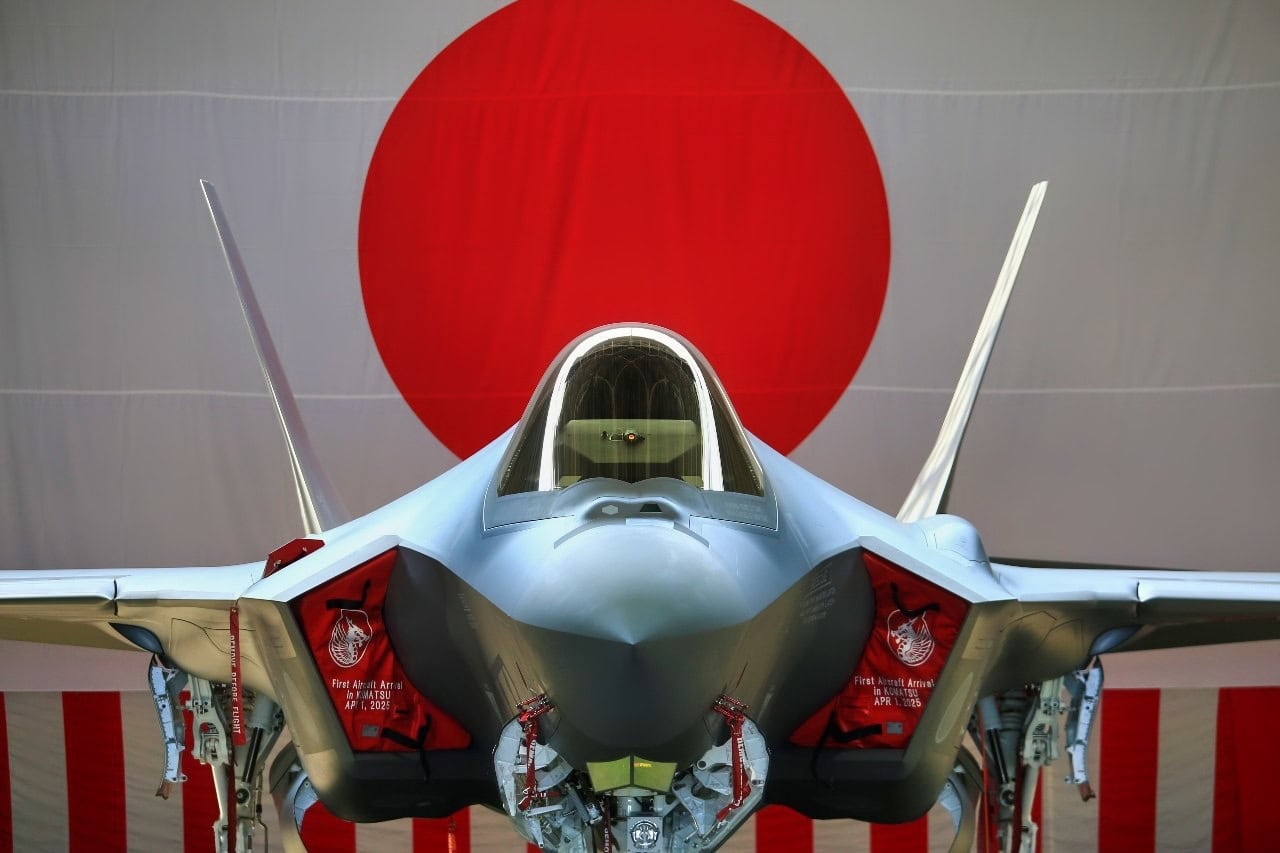
The Japan Air Self-Defense Force (JASDF) held an F-35 aircraft delivery ceremony at Komatsu Air Base, Japan, April 26, 2025. Japan received its first three F-35 aircraft in country, marking a historic milestone for the nation. Image provided to the F-35 Joint Program office by the JASDF.
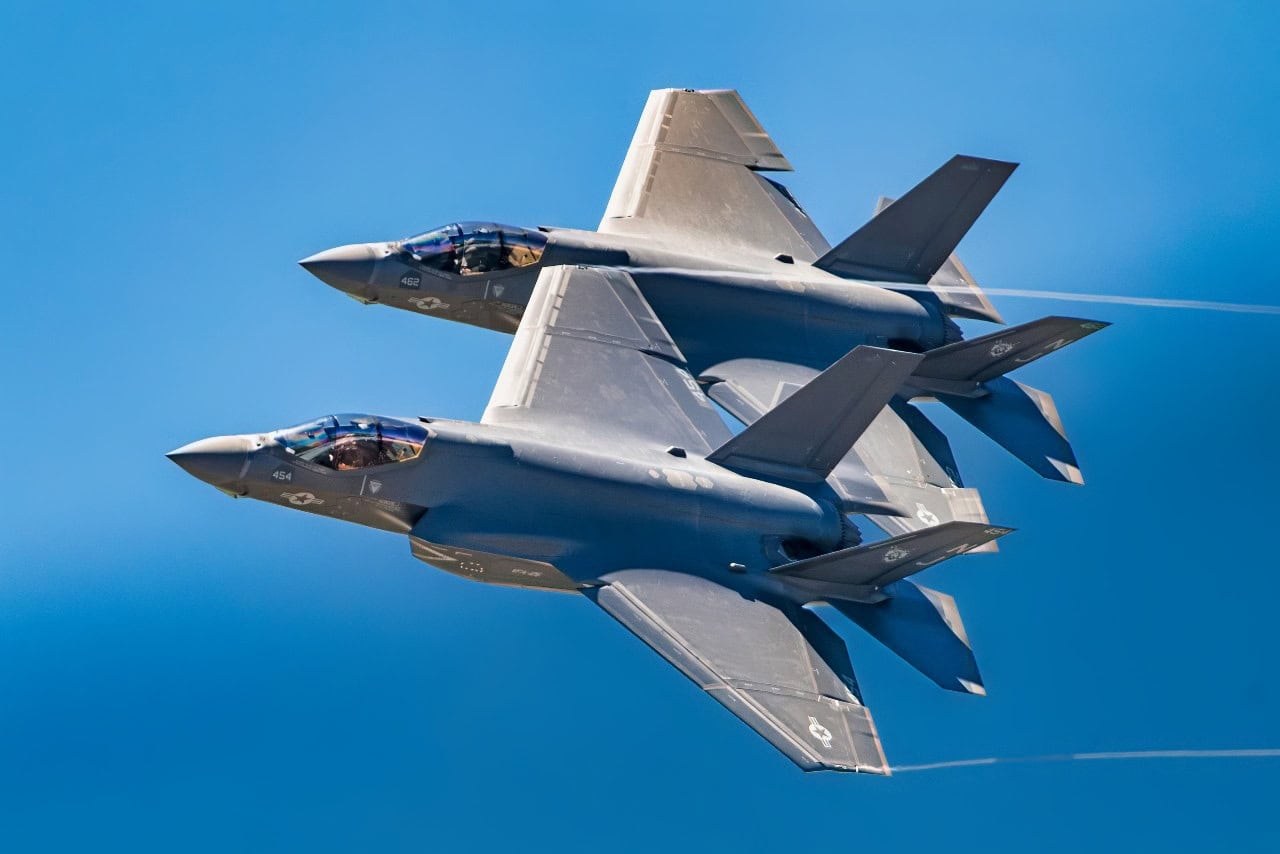
The U.S. Navy F-35C Lighting II Demo Team performs a flight demonstration at the Wings Over South Texas Air Show. This year’s air show marks Wings Over South Texas’s first return to Naval Air Station Corpus Christi since 2019.
In 2022, the Canadian federal government selected the Lockheed Martin F-35A Lightning II as the winning aircraft in the Future Fighter Capability Project, with an initial plan to acquire 88 jets to modernize the Royal Canadian Air Force (RCAF) and sustain its continental defense obligations. After a formal order for 16 F-35s was placed and delivery of those aircraft began, the remainder of the fleet is now under review by Ottawa, with an offer from Sweden’s Saab being actively considered.
Saab says that its JAS 39 Gripen E is the ideal lower-cost alternative, promising local production and job creation in Canada if Ottawa opts to purchase 72 Gripens to establish a new mixed fighter fleet. But what was once a debate over which aircraft would better suit Canada’s current infrastructure and needs has now turned into a discussion about the very shape of Canada’s air force.
Why the F-35 Makes Sense for Canada Right Now
For much of the past decade, the F-35A Lightning II has been positioned as the only platform capable of meeting the full spectrum of Canadian defense requirements. As a fifth-generation stealth fighter, the F-35 is designed to operate in contested airspaces, conduct surveillance, and provide deep sensor fusion – capabilities that older 4.5-generation designs cannot match without significant compromise.
That advanced capability set matters for roles like continental air defense, where the RCAF must patrol vast, sparsely populated Arctic regions and work seamlessly with the United States under the North American Aerospace Defense Command (NORAD). U.S. officials have publicly warned that abandoning the F-35 could carry “serious consequences” for joint air defense operations, stressing the value of the two countries using interoperable platforms.
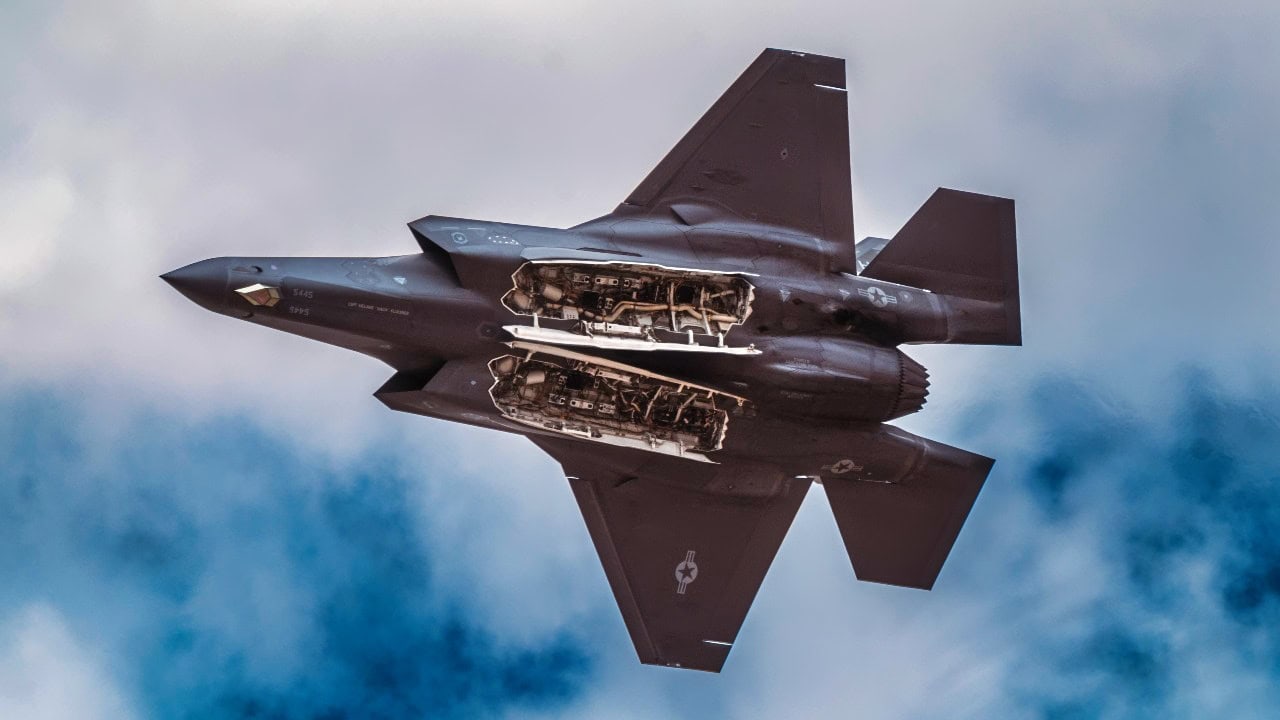
An F-35 Lightning II, assigned to the F-35 Demonstration Team, pays tribute to the past present, and future of Air Force aviation customs and capabilities during Luke Days airshow, March 23, 2024, at Luke Air Force Base, Arizona. Luke Days demonstrates the Air Force’s continuing progress in building the future of airpower with military and civilian air acts including the U.S Air Demonstration team the “Thunderbirds,” F-35A Lightning II, static displays, science, technology, engineering, and math exhibits, and military operations demonstrations. (U.S. Air Force photo by Airman 1st Class Mason Hargrove)
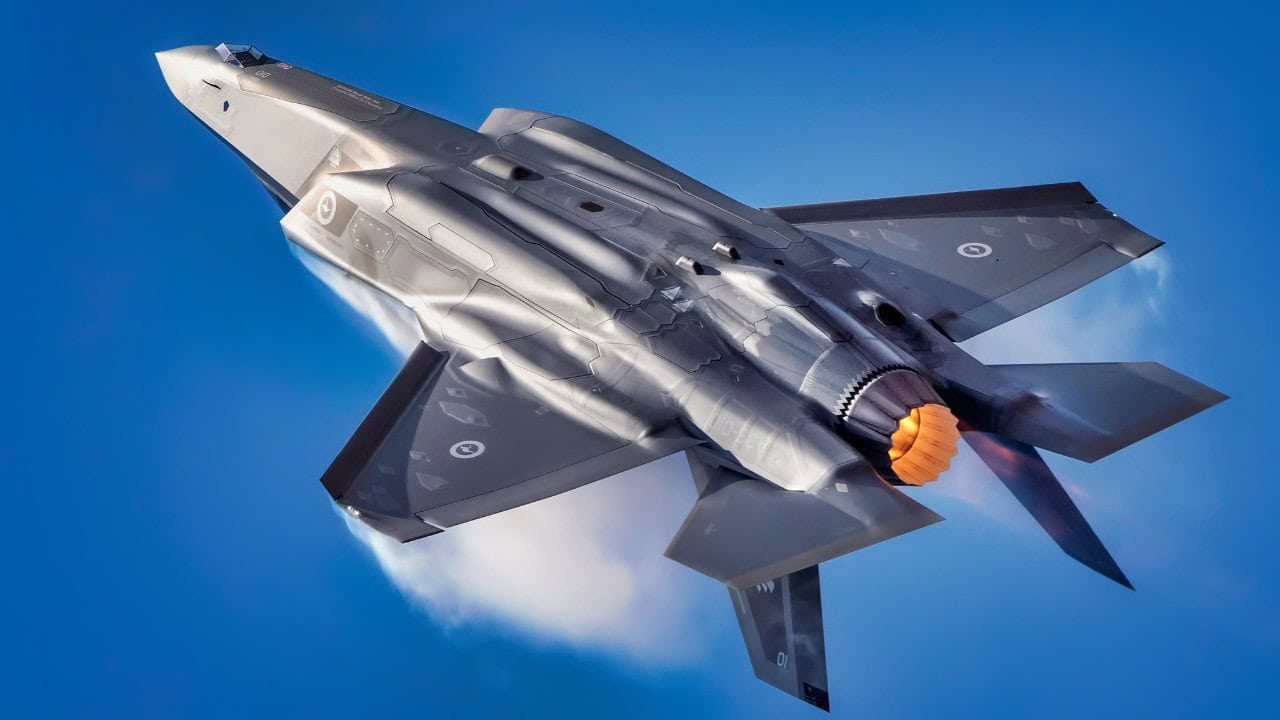
F-35 fighter. Image Credit: Creative Commons.
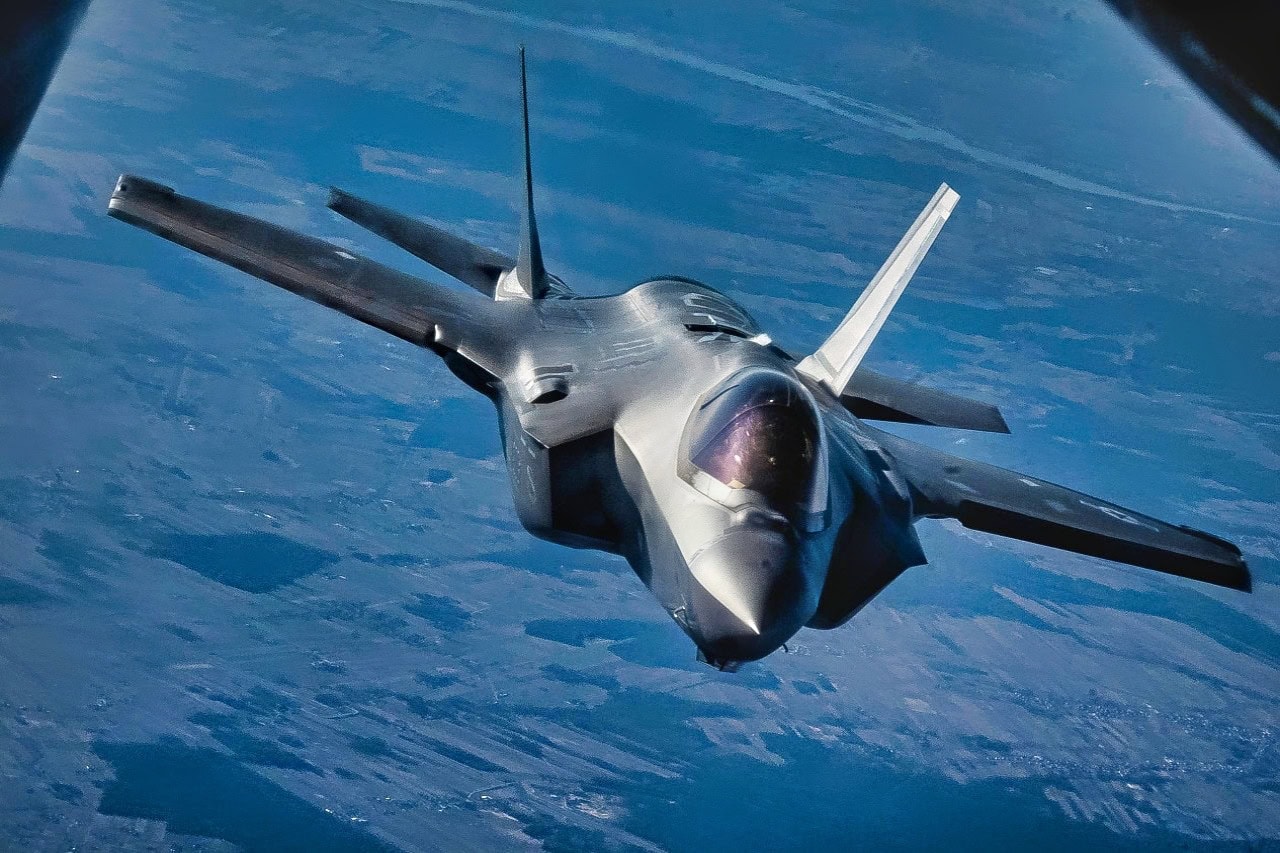
The 388th Fighter Wing’s F-35 Lightning II fifth-generation fighter cruises in Eastern European airspace, Feb. 28, 2022, in support of NATO’s collective defense. U.S. Air Forces in Europe – Air Forces Africa’s ability to support and integrate with NATO’s air policing missions continually hardens the alliance’s solidarity, collective resolve, and ability to adapt to a dynamic warfighting environment. (U.S. Air Force photo by Airman 1st Class Edgar Grimaldo)
NORAD’s mission, which encompasses aerospace warning, control, and the defense of North American airspace, relies on a network of radar, satellites, and fighter aircraft integrated across both sides of the border. When platforms use compatible systems and data links, pilots and ground controllers are more easily capable of sharing targeting information and reacting in a more flexible way to incursions or unidentified contacts. The F-35’s advanced data fusion and networking capabilities are, therefore, hugely valuable in this respect.
Canada’s history with the F-35 program runs deep, too, dating back to before the initial 16 F-35As were purchased in recent years. Ottawa has, in fact, been involved in the Lockheed Martin Joint Strike Fighter initiative in various capacities since the late 1990s, first joining as an “informed partner” and later as a level-3 participant in production and sustainment. The country’s industrial base also benefits from involvement in the F-35 supply chain, with dozens of Canadian companies already contributing to components and assembly processes.
Moreover, military analysts and RCAF officials themselves have argued since the review was initiated – and indeed during the original competition – that moving to a mixed fleet that combines the F-35 with a lesser-capable alternative like Sweden’s Gripen would bring logistical complexity, excess maintenance and training burdens, and sustainment challenges that would not otherwise occur.
From the RCAF’s perspective, the F-35 represents not only the most capable single platform but also the most seamless way to integrate into allied operations today and into the future.
The Gripen Defense Evolves
Despite the clear operational and economic case of the F-35, the political and economic winds in Ottawa suggest to me that Canada could well opt for Sweden’s Saab Gripen E as its primary fighter. Saab’s current proposal includes a manufacturing line in Quebec and the promise of more than 12,000 jobs if both Gripen fighters and the GlobalEye surveillance aircraft are built locally.
The industrial benefits angle is growing stronger all the time, and a combination of domestic politics and growing geopolitical strain between the United States and the rest of NATO suggests that a decision to field a mixed fleet could well be on the horizon.
A recent EKOS poll indicated that a plurality of Canadians favors future purchases of JAS 39 Gripen aircraft over the F-35, with nearly half of respondents supporting the Swedish fighter as Canada’s next platform – and only a small minority continuing to back the F-35 as the sole long-term option.
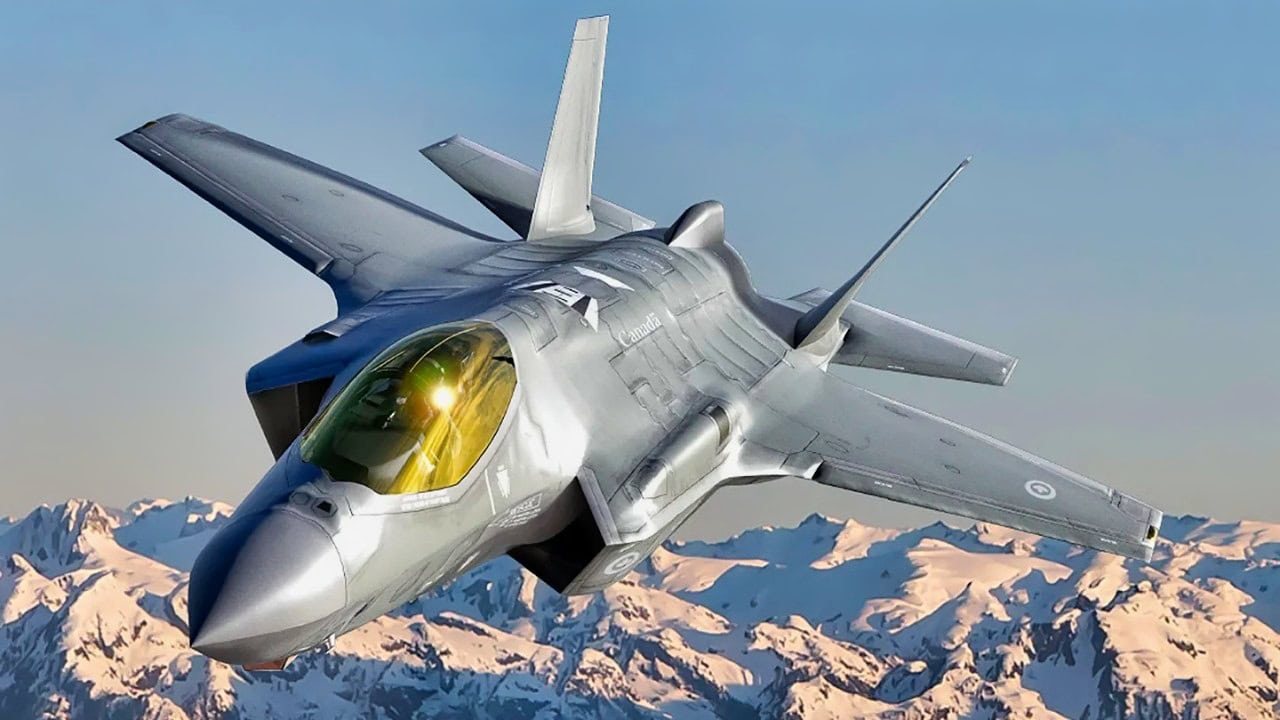
Canada F-35. Image Credit: Creative Commons.
Trade tensions between Ottawa and Washington have also introduced a new layer of strain to what was previously a relatively smooth bilateral defense partnership, with tariffs and other economic disputes prompting Canadian policymakers to question whether reliance on U.S. defense equipment is always in Canada’s strategic interest. In that light, a pivot to Gripen – despite the capability tradeoffs – is being framed as a bid for greater autonomy and sovereign industrial capacity.
That line of thinking was articulated in more detail by Modern Diplomacy contributors Raymond Floreani and Julian Spencer Churchill, who argued in a January 15 analysis that the F-35A is “entirely the wrong aircraft for the missions that the RCAF performs,” and that Canada should instead redesign its force structure around aircraft optimised for Arctic interception, availability, and cost control rather than deep-strike stealth operations.
In their view, Canada should adapt its air force to aircraft that fit its real missions, rather than forcing platforms like the Gripen to conform to an F-35-driven doctrine built around U.S. expeditionary warfare.
A new public narrative is hardening in defense of what seems to be an inevitably positive outcome for the JAS 39 Gripen proposal, despite repeated indications from the RCAF that it remains unconvinced that the aircraft aligns with its operational requirements.
But so far, no firm date has been set for a final decision, despite the formal federal review originally scheduled to conclude by late September, 2025.
About the Author:
Jack Buckby is a British researcher and analyst specialising in defence and national security, based in New York. His work focuses on military capability, procurement, and strategic competition, producing and editing analysis for policy and defence audiences. He brings extensive editorial experience, with a career output spanning over 1,000 articles at 19FortyFive and National Security Journal, and has previously authored books and papers on extremism and deradicalisation.