
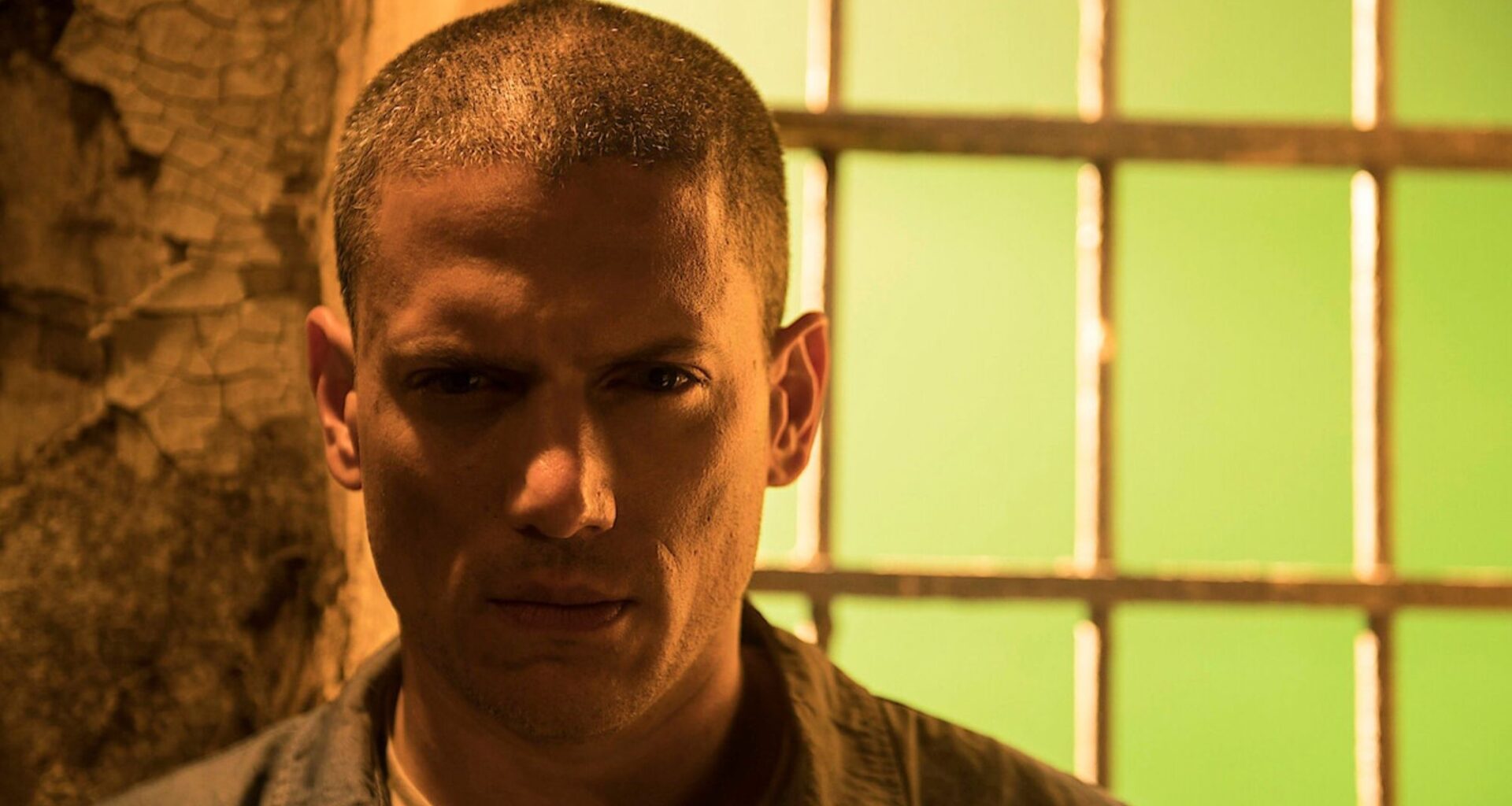
The television industry operates on a model of perpetual growth, where a massive critical and commercial success often forces networks to extend narratives beyond their natural expiration dates. In the modern era of streaming dominance, this pressure has only intensified as platforms like Netflix and Prime Video prioritize long-term subscriber retention over the structural integrity of a story. While some series utilize a successful debut as a foundation for years of world-building, many others fall victim to the “sophomore slump,” a phenomenon where the internal logic and stakes of a show crumble once the original premise is exhausted. This decline is frequently the result of a creative team losing sight of the character-driven elements that initially resonated with viewers, replacing them with convoluted conspiracies or repetitive plot loops to justify continued production.
Identifying the exact moment a television program loses its momentum is a common pastime for dedicated fanbases, especially when the quality gap between seasons is as vast as the examples on this list. For these specific titles, the first season represented a high-water mark for the medium, utilizing tight scripts and innovative visual styles to capture the cultural zeitgeist. However, the subsequent years often felt like a desperate attempt to replicate a magic that had already dissipated.
5) Wayward Pines
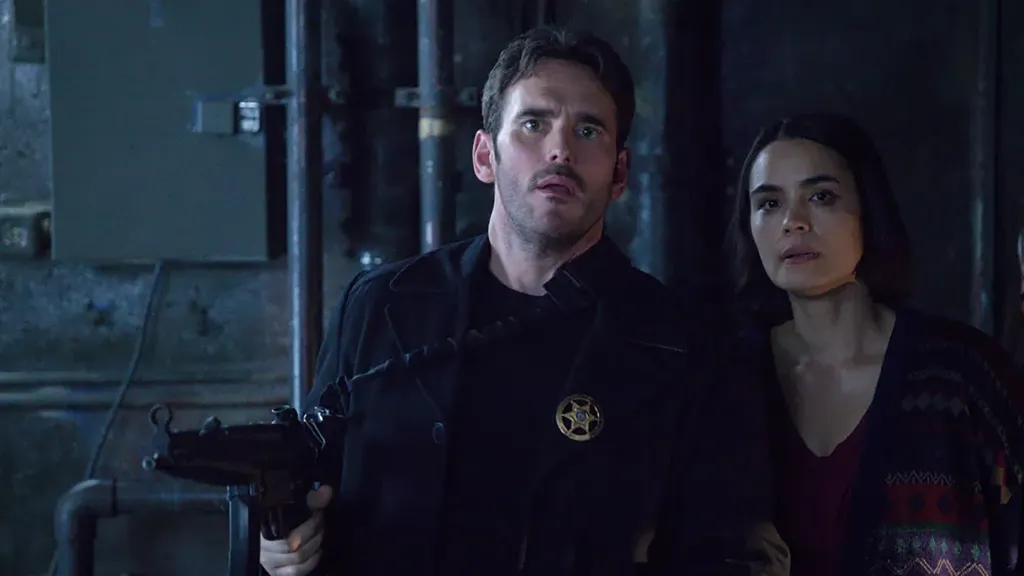 Image courtesy of Fox
The first season of Wayward Pines functioned as a mystery box, utilizing the atmospheric direction of M. Night Shyamalan to build a sense of inescapable dread. Based on the trilogy of novels by Blake Crouch, the story followed Secret Service agent Ethan Burke (Matt Dillon) as he investigated a picturesque Idaho town where the laws of physics and society seemed to have fractured. The strength of the debut lay in its definitive answers, as the mid-season reveal regarding the “Abbies” and the true nature of the year 4028 provided a satisfying, albeit terrifying, resolution to the central enigma. Because the first season effectively adapted the core arc of the source material, the show possessed a clear sense of purpose and a definitive ending for its primary protagonist.
The decision to renew Wayward Pines for a second season proved to be a fundamental error in judgment. Without Ethan Burke to ground the emotional stakes, the show pivoted to Dr. Theo Yedlin (Jason Patric), a character who lacked the investigative drive that made the first year compelling. The production also shifted from a psychological thriller into a generic survival horror drama, focusing on the internal politics of the town’s remaining residents and the increasingly repetitive threat of the mutated humans outside the fence. By revealing its biggest secrets too early and then attempting to sustain the narrative in a post-revelation world, Wayward Pines lost the tension that defined its identity.
4) Bloodline
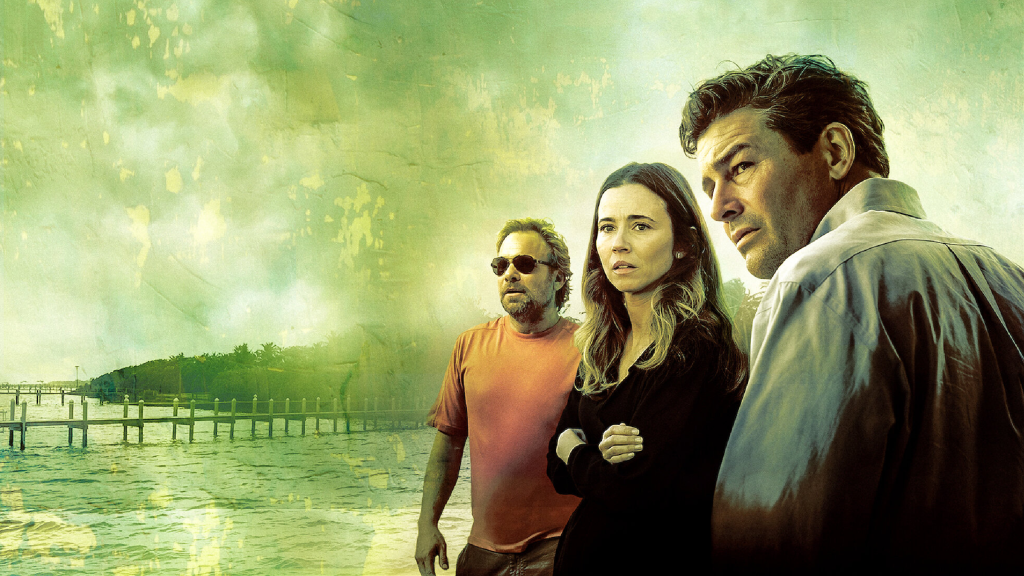 Image courtesy of Netflix
When Bloodline debuted on Netflix, it was hailed as a prestige family noir that utilized the claustrophobic atmosphere of the Florida Keys to heighten its interpersonal drama. The first season focused on the Rayburn family, a respected pillar of the community hiding a dark history of abuse and resentment. The narrative engine was the return of the eldest brother, Danny Rayburn (Ben Mendelsohn), whose presence acted as a catalyst for the eventual moral collapse of his siblings. Mendelsohn’s performance was the undeniable highlight of Bloodline, earning him an Emmy and providing the series with a tragic antagonist that the audience couldn’t look away from.
The subsequent seasons of Bloodline failed to justify their existence because the show had already removed its most interesting character. With Danny Rayburn dead, the writers were forced to focus on the legal and psychological fallout of the crime, a direction that lacked the tension of the first year. In addition, John Rayburn (Kyle Chandler) and Meg Rayburn (Linda Cardellini) became increasingly unlikable as they engaged in a series of clumsy cover-ups that felt disconnected from the nuanced character work seen in the debut. Finally, the pacing slowed to a crawl, and the introduction of Danny’s estranged son served as a desperate attempt to bring the spirit of the character back without his actual presence.
3) 13 Reasons Why
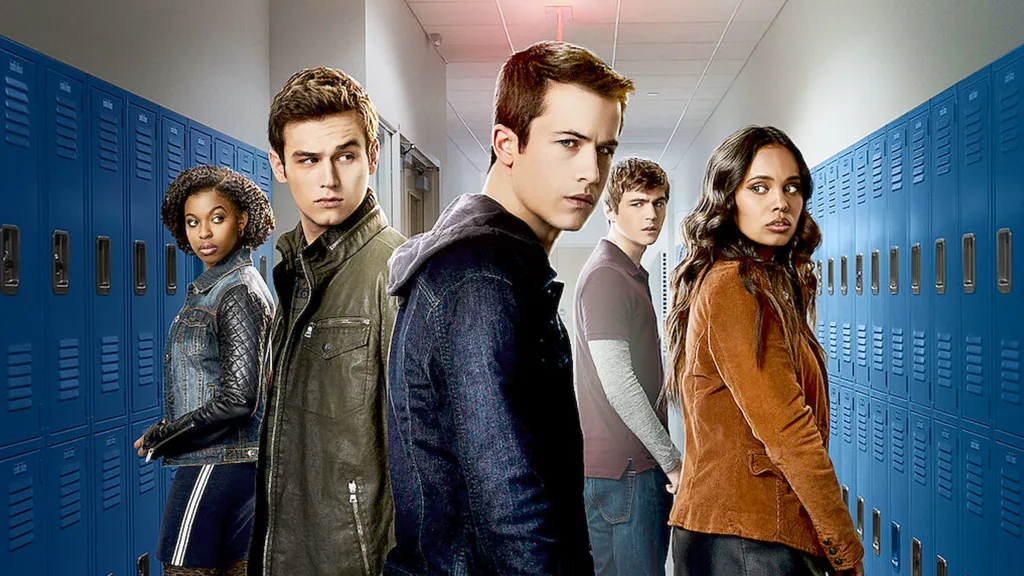 Image courtesy of Netflix
The first season of 13 Reasons Why adapts the novel by Jay Asher into a harrowing exploration of teen suicide and the systemic failures of high school environments. The structure of the show—built around thirteen cassette tapes recorded by Hannah Baker (Katherine Langford) before her death—provided a clear and finite roadmap for the story. This format allowed the series to examine the ripple effects of trauma through the eyes of Clay Jensen (Dylan Minnette), creating a poignant dialogue about mental health. Despite the debate surrounding its graphic content, the first season of 13 Reasons Why was a cohesive narrative that reached a definitive conclusion once the final tape was played and the legal consequences for the school were set in motion.
Netflix’s choice to extend 13 Reasons Why for three more seasons fundamentally undermined the gravity of Hannah Baker’s story. To keep the series going, the writers were forced to retcon significant portions of the first season, introducing new secrets that Hannah supposedly left out of her tapes to justify further investigations. The show eventually abandoned its grounded perspective entirely, pivoting into a convoluted murder mystery involving the death of Bryce Walker (Justin Prentice). By the fourth season, 13 Reasons Why had devolved into a bizarre psychological thriller featuring hallucinations and secret societies, bearing no resemblance to the sensitive character study that initially captured the public’s attention.
2) Prison Break
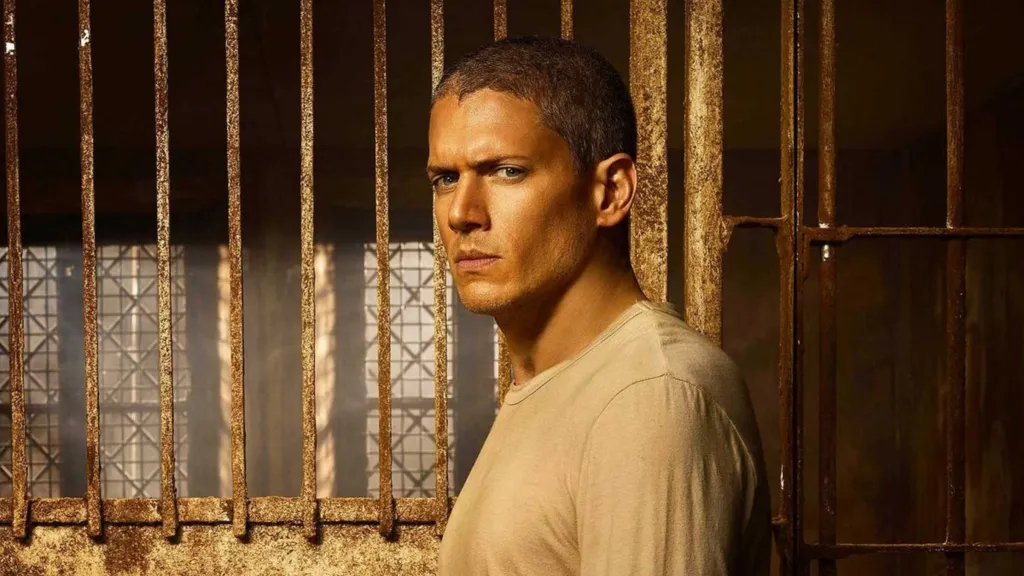 Image courtesy of FOX
The premise of Prison Break was one of the most ingenious hooks in the history of network television. The first season followed Michael Scofield (Wentworth Miller), a structural engineer who intentionally robs a bank to be sent to the same prison as his wrongfully accused brother, Lincoln Burrows (Dominic Purcell). Once inside, Michael uses his intellect to plan an escape. The strength of the show lay in Michael’s elaborate full-body tattoo, which concealed the blueprints of the facility. Every episode was a high-stakes puzzle, utilizing a colorful ensemble of inmates like T-Bag (Robert Knepper) and Abruzzi (Peter Stormare) to create a pressurized environment where any mistake could lead to disaster. The first season of Prison Break functioned as an extended heist movie, culminating in a breathtaking escape that felt earned and final.
The problem with a show titled Prison Break is that the story should logically end once the characters are no longer in prison. The second season, which followed the characters on a cross-country manhunt, managed to maintain some momentum, but the series eventually collapsed under the weight of an increasingly absurd global conspiracy involving a group known as “The Company.” To recapture the magic of the debut, the writers even forced the characters into a new prison in Panama during the third season, a move that felt like a transparent attempt to reset the status quo. Subsequent seasons and a 2017 revival further diluted the stakes by resurrecting dead characters and introducing nonsensical plot twists.
1) Heroes
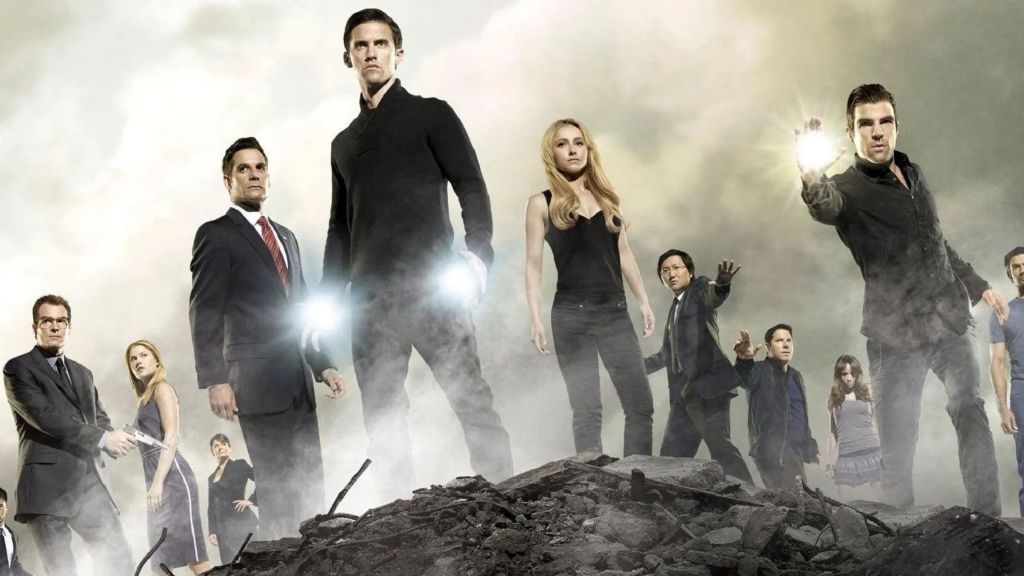 Image courtesy of NBC
In 2006, Heroes was the undisputed king of television, arriving before the Marvel Cinematic Universe made superhero tropes a common part of the cultural diet. The first season was a masterwork of serialized storytelling, weaving together the lives of disparate individuals across the globe who were discovering they possessed superhuman abilities. The tagline “Save the cheerleader, save the world” became a global phenomenon, and characters like Hiro Nakamura (Masi Oka) and the terrifying serial killer Sylar (Zachary Quinto) became instant icons. That was possible because creator Tim Kring successfully balanced a sense of comic book wonder with a character-driven approach that made the threat of a nuclear explosion in New York City feel genuinely terrifying.
The fall of Heroes is often cited as the most dramatic decline in television history. The second season was severely impacted by the 2007 writers’ strike, resulting in a shortened run that failed to resolve its primary arcs and left several characters, like Peter Petrelli (Milo Ventimiglia), stranded in narrative dead ends. Even after the strike ended, the show never recovered its creative footing. The stakes were constantly reset, the rules of time travel became incomprehensibly messy, and the once-fearsome Sylar (Zachary Quinto) was shuffled between being a villain and a hero so many times that his threat was completely neutralized. By trying to top the world-ending stakes of the first season every year, Heroes became an exhausted shell of itself, eventually being canceled and later revived in a failed attempt to reclaim its former glory.
Which television series do you think suffered the most from a disappointing second season? Leave a comment below and join the conversation now in the ComicBook Forum!