
The television industry’s pivot toward the prestige model was solidified in the early 21st century as premium networks like HBO prioritized subscription-based depth over the advertiser-driven syndication of the past. This business strategy, intensified in the streaming era, has shifted the focus of major productions toward auteur-driven narratives that emphasize narrative complexity and technical precision. Furthermore, by allocating massive budgets to limited-run projects, showrunners have the freedom to explore systemic failures and historical tragedies with a level of uncompromising realism that was previously reserved for independent cinema. As a result, some universally acclaimed TV shows demand a total psychological commitment from the audience, effectively stripping away the traditional safety of the screen.
The “one-watch” phenomenon identifies a specific category of television that achieves perfection through its ability to confront the viewer with uncomfortable truths or relentless tension. While a standard sitcom or procedural thrives on the comfort of familiarity, the series on this list function as immersive experiences that leave a permanent mark on the collective consciousness. Consequently, a second viewing feels less like a revisit and more like a deliberate re-traumatization.
5) Sharp Objects
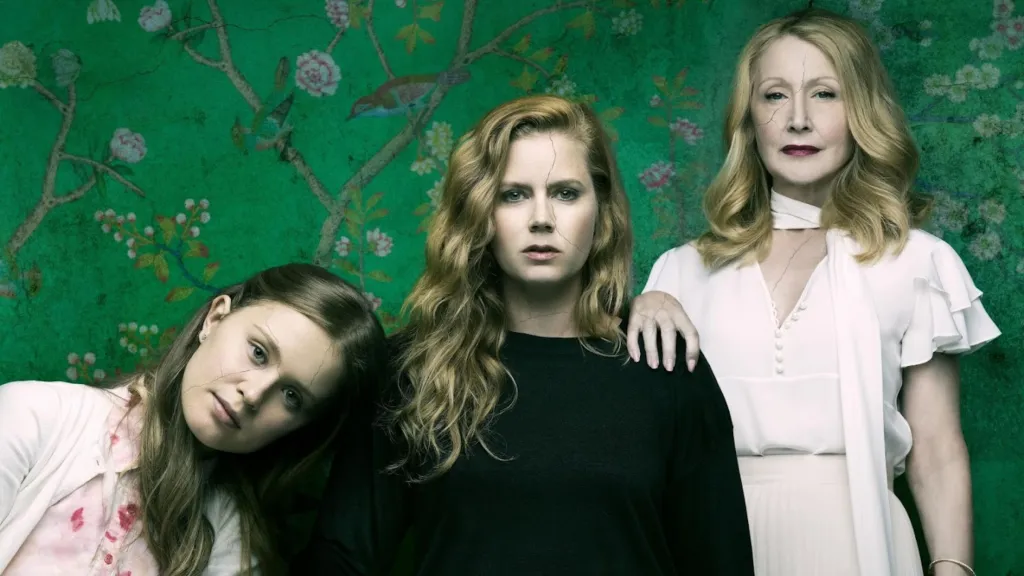 Image courtesy of HBO
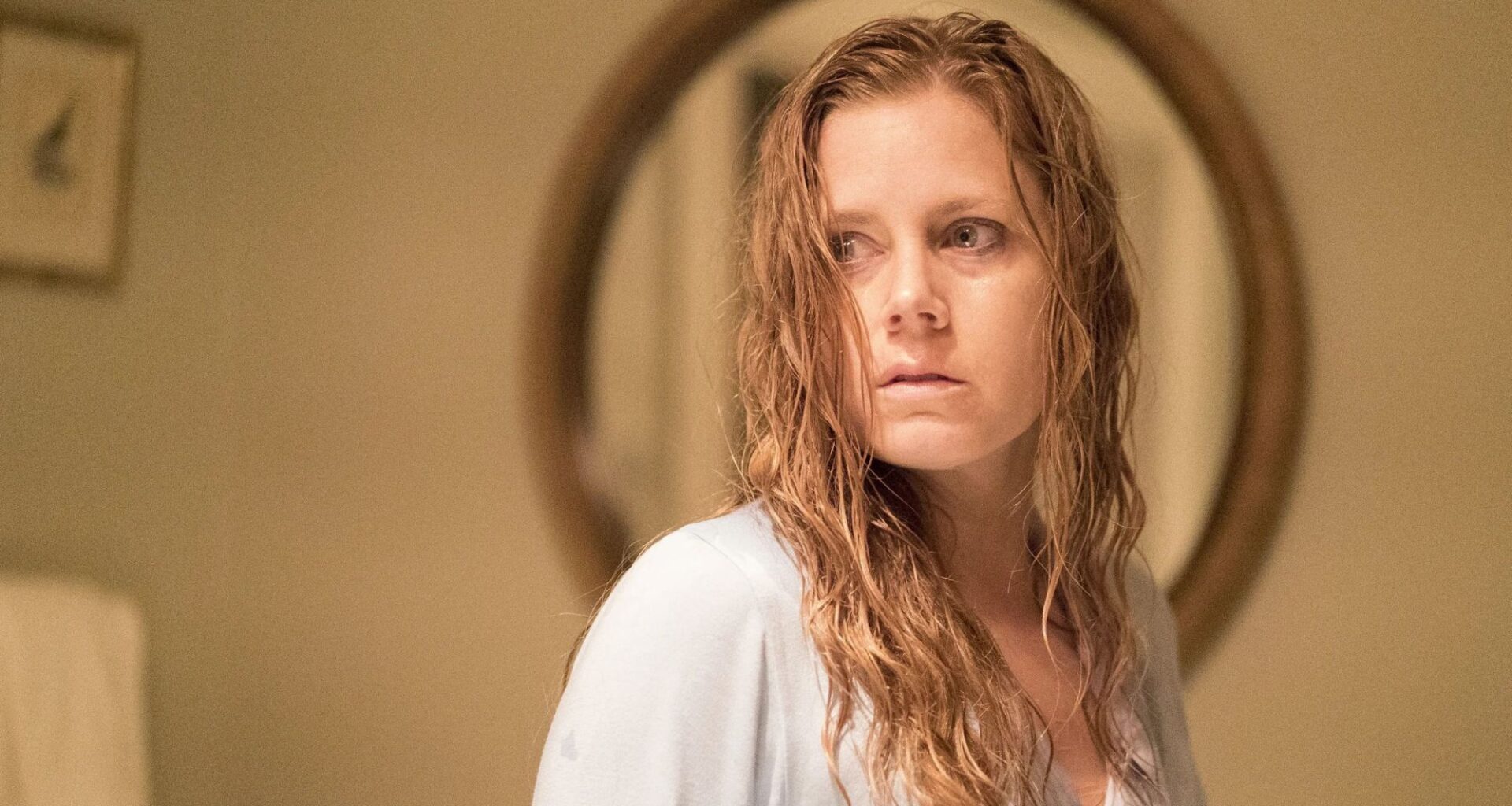
The 2018 limited series Sharp Objects established a new benchmark for psychological thrillers by transforming a standard murder mystery into a suffocating study of generational trauma. Directed by Jean-Marc Vallée, the production utilizes a fragmented editing style to mirror the fractured psyche of Camille Preaker (Amy Adams), a journalist who returns to her hometown to investigate a string of child murders. The series is a triumph of atmospheric tension, relying on the toxic dynamic between Camille and her manipulative mother, Adora Crellin (Patricia Clarkson), to generate a sense of impending doom. While the technical execution of Sharp Objects is flawless, the unrelenting focus on self-harm and psychological abuse makes the viewing experience incredibly draining. Furthermore, the narrative revelation in the final seconds of the series finale provides a definitive shock that recontextualizes the entire story, but the sheer misery of the environment ensures that few viewers possess the fortitude to endure the slow-burning agony of Wind Gap a second time.
4) The Night Of
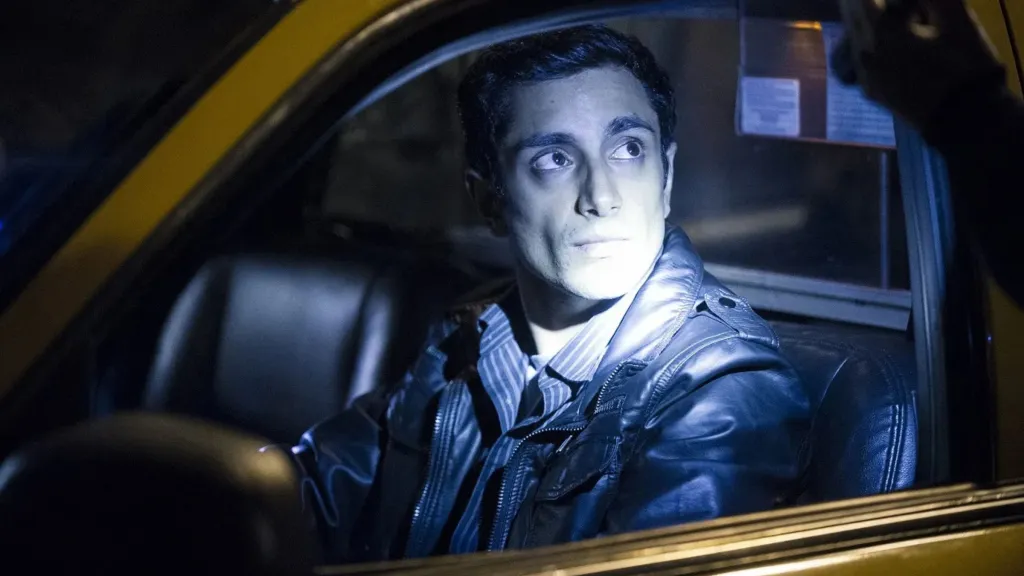 Image courtesy of HBO
Created by Steven Zaillian and Richard Price, The Night Of serves as a grim exploration of the American criminal justice system through the lens of a single, life-altering mistake. The story follows Nasir Khan (Riz Ahmed), a college student whose night of partying ends with him being accused of a brutal homicide. The first episode is a study in anxiety-driven filmmaking, capturing the terrifying realization of a character caught in the gears of a bureaucracy that prioritizes efficiency over truth. After that, as Nasir navigates the dehumanizing reality of Rikers Island under the influence of Freddy Knight (Michael K. Williams), the audience witnesses the systematic destruction of his innocence. Supported by the cynical legal maneuvering of Jack Stone (John Turturro), The Night Of also highlights the permanent scars left by incarceration, regardless of a legal verdict. The meticulous attention to detail and the oppressive atmosphere of the New York legal landscape create a narrative that is as impressive as it is exhausting to watch.
3) I May Destroy You
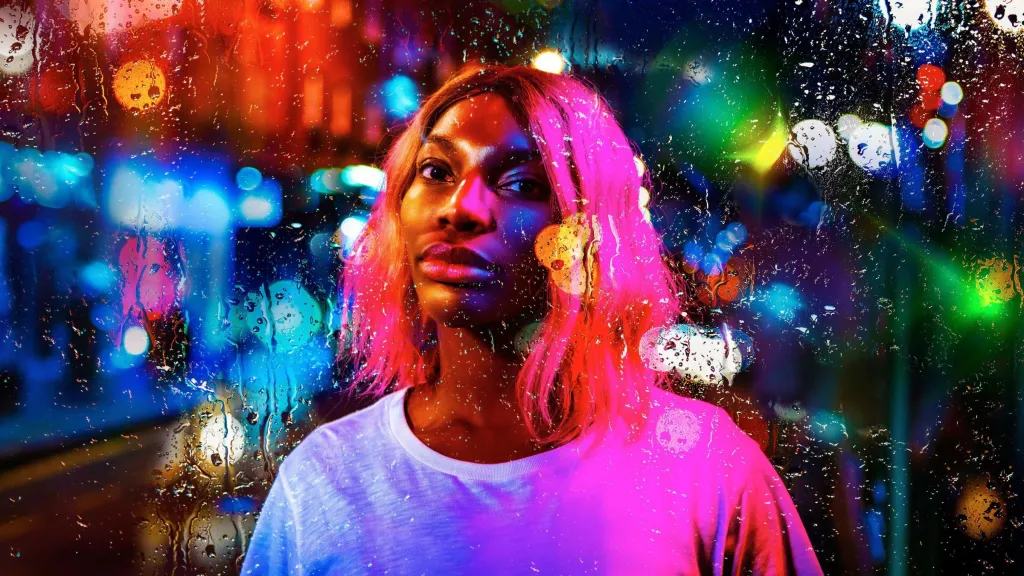 Image courtesy of HBO
Michaela Coel achieved a historic creative feat with I May Destroy You, a series that deconstructs the complexities of sexual consent and the erratic nature of trauma recovery. Coel stars as Arabella, a writer who must piece together the events of a night she cannot remember after being drugged and assaulted. The production avoids the tropes of the typical victim narrative, opting instead for a non-linear and often darkly comedic exploration of how personal tragedy intersects with modern social dynamics. In addition, by casting Weruche Opia and Paapa Essiedu as central figures who face their own violations, the show presents a comprehensive look at a culture struggling to define boundaries. The brilliance of the I May Destroy You writing lies in its refusal to offer easy catharsis, leading to an experimental finale that forces the viewer to confront multiple potential resolutions. Because the show demands such intense empathy and intellectual engagement with its harrowing subject matter, it remains a transformative experience that is best left as a one-time viewing.
2) When They See Us
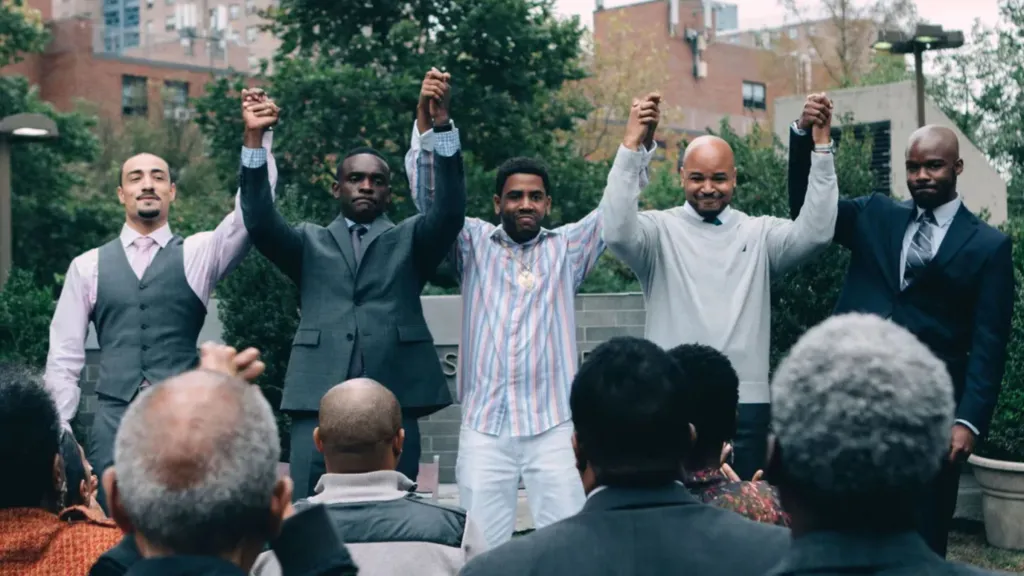 Image courtesy of Netflix
Ava DuVernay delivered a visceral indictment of systemic racism in the 2019 limited series When They See Us, which chronicles the wrongful conviction of the Central Park Five. The four-part narrative spans twenty-five years, beginning with the 1989 arrest of five teenagers and culminating in their eventual exoneration. The production is notable for its refusal to sanitize the interrogation process, showcasing the psychological manipulation used by law enforcement to coerce false confessions from minors. On top of that, Jharrel Jerome provides a powerhouse performance as Korey Wise, specifically in the final episode, which details the brutal reality of his years in adult prison. The emotional weight of watching innocent children lose their youth to a failed judicial structure is nearly unbearable, creating a level of heartbreak that stays with the viewer long after the credits roll. While When They See Us is an essential historical document with phenomenal performances across the ensemble, the profound sense of injustice it evokes makes it a difficult project to revisit.
1) Chernobyl
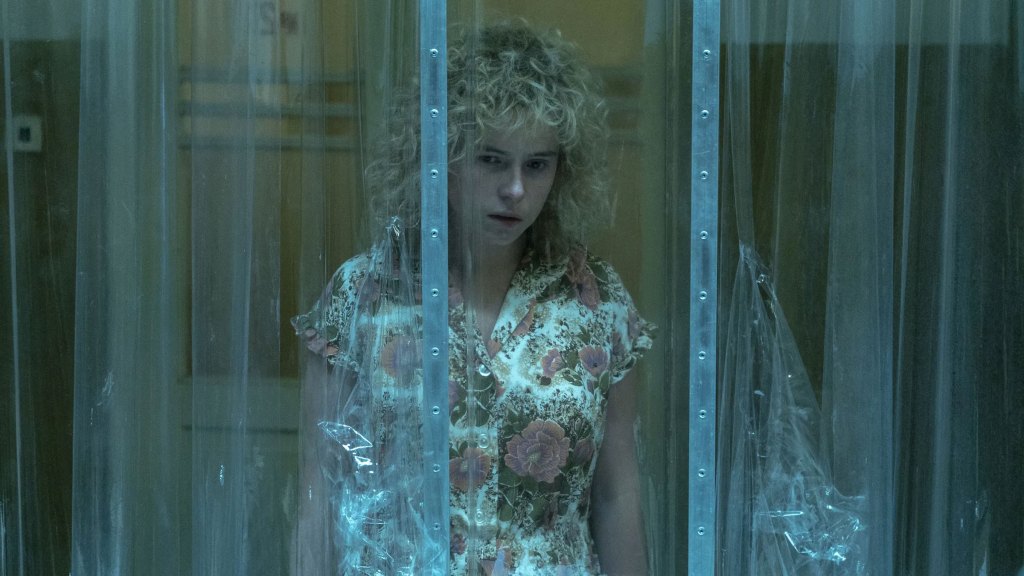 Image courtesy of HBO
The 2019 miniseries Chernobyl stands as the definitive example of a television masterpiece that is too harrowing for a second viewing. With it, showrunner Craig Mazin utilizes the 1986 nuclear disaster to craft a terrifying parable about the cost of lies and the fragility of human infrastructure. The series begins with a heart-stopping depiction of the core explosion, immediately plunging the audience into the invisible, but lethal, radiation. Through the perspective of Valery Legasov (Jared Harris) and Boris Shcherbina (Stellan Skarsgård), the narrative explores the desperate attempts of scientists and workers to contain a threat that could render half of Europe uninhabitable. The technical accuracy of the radiation sickness effects and the grim depictions of the liquidators’ sacrifices provide a level of realism to Chernobyl that borders on horror. Finally, the sheer scale of the tragedy and the palpable sense of dread make the series a flawless production that remains a massive psychological burden.
Which acclaimed television series do you think is the most difficult to watch a second time? Leave a comment below and join the conversation now in the ComicBook Forum!