
Quebec’s housing tribunal has released its rent-setting guidelines for 2026.
Rents in Quebec should go up by 3.1 per cent this year, closely matching inflation in the province, the Tribunal administratif du logement (TAL) is suggesting.
That’s for leases beginning between April 2, 2026, and April 1, 2027, and for which notice was given on or after Jan. 1, 2026.
Tenant groups say the increases are among the highest Quebec has seen in nearly two decades. They warn the new rates come at a time when many Montrealers are already struggling to keep up with soaring housing costs.
“What tenants needed this year was a reprieve, as well as steps put in place to curb abusive rent hikes in the years to come,” said Amy Darwish, the coordinator of Parc-Extension Action Committee (CAPE).
Housing advocates say the new rent formula is unprecedented, allowing a five per cent increase for renovations, and expanding what counts as renovations to include things like painting or adding an electrical outlet.
“That’s actually insane” said Montrealer Shaminie Suntharam. “I mean, as a Gen Z myself, especially, it’s hard coming out of living with parents and then trying to make a life for yourself.”
“Living in Montreal now is becoming a project in itself,” sad Jessica Regias. “Like you have to really commit to living in Montreal to subsists in it. … I really think that they should listen a little bit more to the people because sooner than later, they’re going to lose almost everybody.”
“The rent, it takes a big part of my pay,” added Anthony Coronhotte.
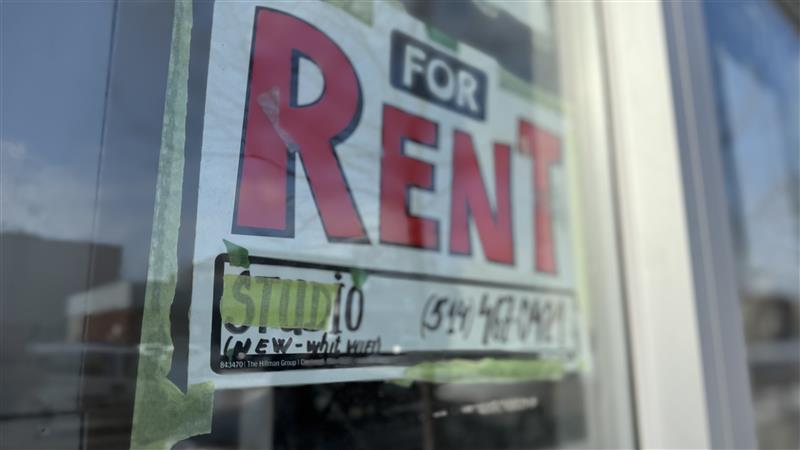 For rent sign in front of an apartment building in Parc-Extension, Montreal on Jan. 19, 2026. (Martin Daigle, CityNews)
This year’s recommended rent increase, calculated for the first time using a new formula, is lower than last year’s recommendation by the TAL for landlords to increase rents by an average of 5.9 per cent.
“The good news is that inflation has come down, and so finally that means that it’s not as bad as last year when it was up at 5.9 per cent,” said Steve Baird, the community organizer at the Coalition of Housing Committees and Tenants Associations of Quebec (RCLALQ). “The bad news is that the government changed its calculation method, and now it’s based on the inflation of the last three years.”
The Quebec Landlords’ Association, however, argues the rent setting isn’t enough. The group believes calculating increases will now be simpler, based on consumer index changes, and it hopes it makes negotiations with tenants easier.
“I think it’s still not enough if we look at the expenses for landlords,” said Martin Messier, the group’s president.
“I think it was done to reach not some form of consensus, because there isn’t one, but to reach a point where it’s not so bad for anyone. But at some point, we’re going to need to be able to address the situation of older buildings in need of repair.”
Housing advocates argue landlords already make enough money to cover repairs and want to remind tenants of their rights.
“Many landlords come door to door and will tell them things along the lines of ‘either you accept this rent increase or you leave,’” said Darwish. “That’s false. You’ve always had the right to refuse a rent increase and remain in your apartment.”