
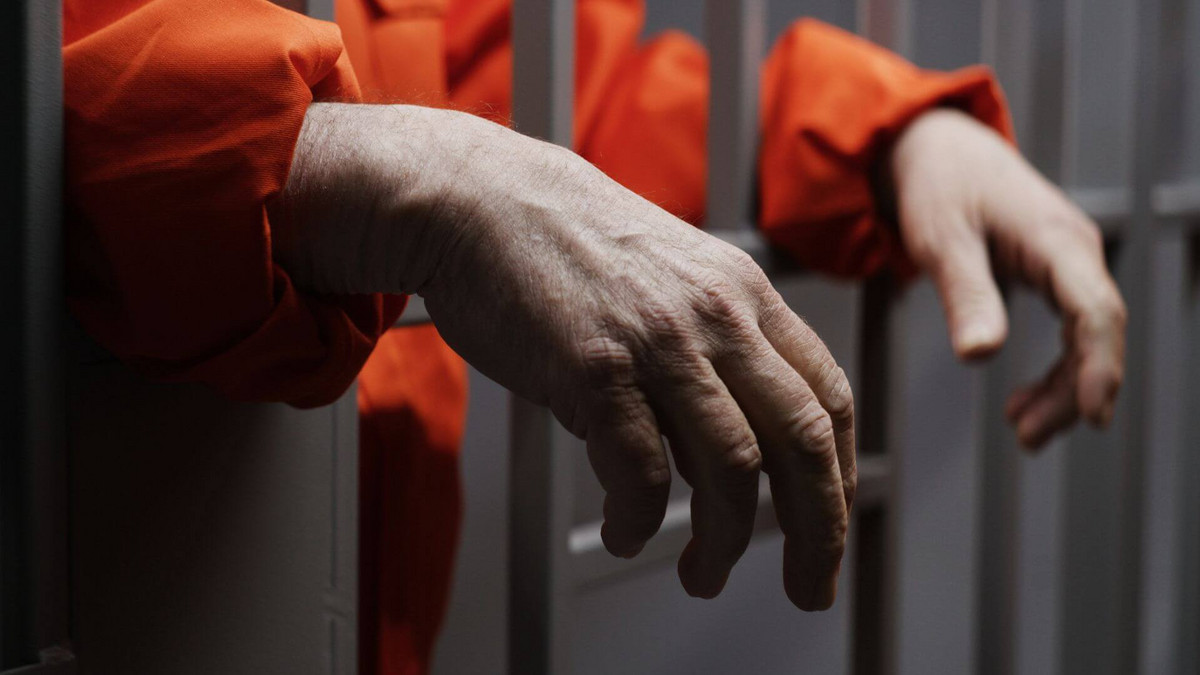
Prison accelerates aging beyond the norm in the general population, explained Paradis-Gagné, a researcher at the Philippe-Pinel forensic psychiatric hospital research centre. While people are generally considered “elderly” around age 65 or 70, the threshold drops to 50 behind bars, he said.
The rapid decline stems from constant hypervigilance fuelled by fear of aggression or retaliation, an environment of violence and tension that creates chronic stress, and a lack of stimulation that hastens cognitive and physical decline, compounded by inmates’ difficult life journeys, often marred by instability, poverty or substance use.
At the same time, accelerated aging is combined with a painfully slow pace of life.
“Prison imposes rigid routines, schedules and a daily existence defined by waiting and endless hours of boredom in an under-stimulating environment,” Paradis-Gagné said. “There’s a reason it’s called ‘doing time.’”