
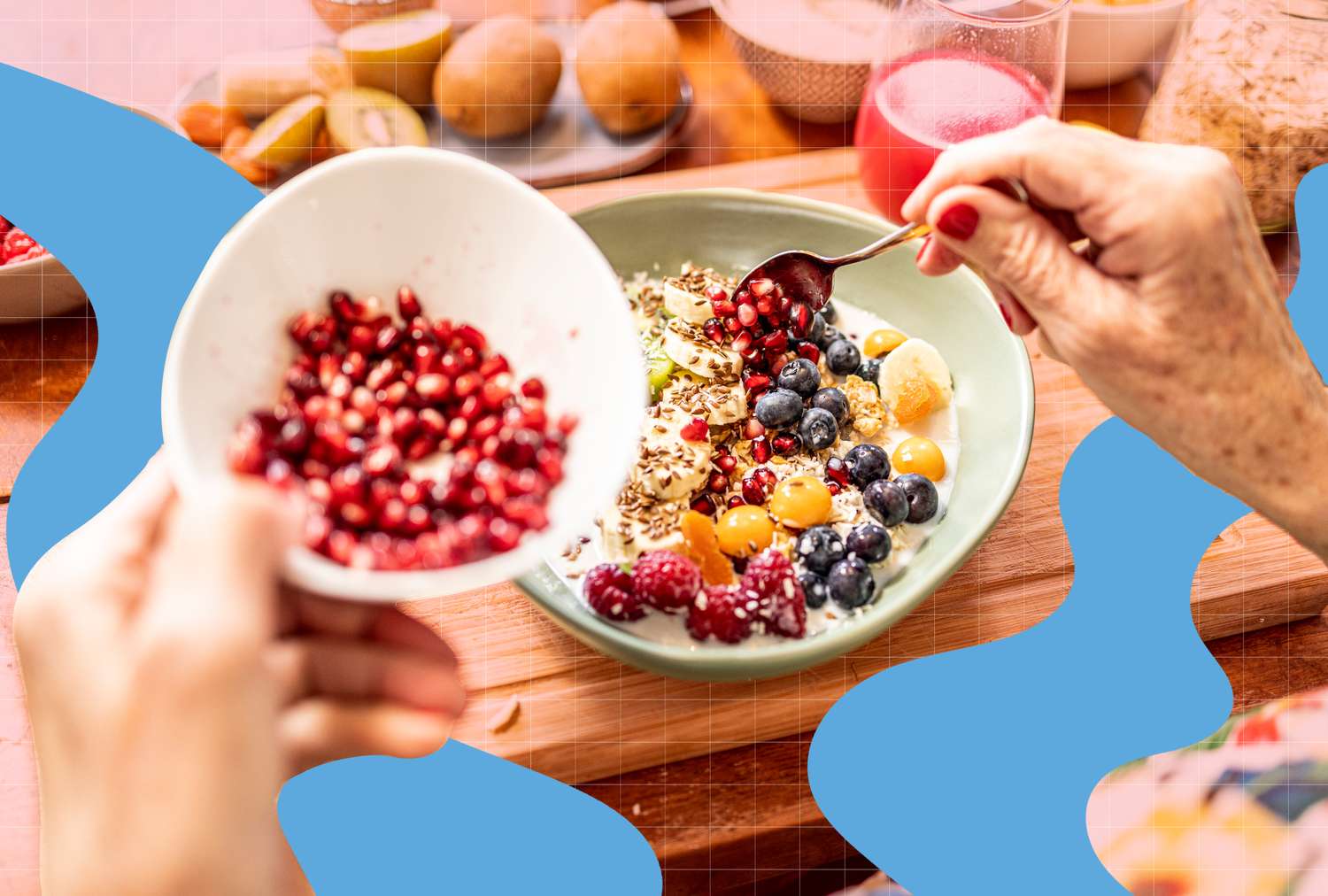
Longevity experts favor fatty fish, greens, berries, nuts, seeds and fermented foods weekly.These foods deliver omega-3s, fiber, probiotics and antioxidants that help prevent disease.Small, sustainable habits matter more than strict rules to support healthy aging.
Longevity experts dedicate their careers to understanding how we can age well, but what do they actually eat themselves? We asked three pros, two doctors and one dietitian, to spill the tea on their go-to foods for living a long and healthy life. Turns out, their weekly staples have plenty in common: all are rich in fiber, antioxidants, protein and healthy fats. Here are the foods these experts eat weekly—and why you might want to, too.
1. Fatty Fish
To stave off inflammation and chronic diseases linked with it, Hillary Lin, M.D., a Stanford-trained longevity physician, makes fatty fish a regular part of her diet. These fish are among the best sources of omega-3 fatty acids. “Omega-3s (EPA/DHA) are my #1 longevity ‘supplement’ or food component for lowering inflammation and keeping cells healthy,” says Lin.
She uses the acronym SMASH to help remember which types of fish to prioritize—salmon, mackerel, anchovies, sardines and herring. “They’re high in omega-3s and low in mercury, plus you can get them in easy-prep versions,” she says. She recommends not shying away from the convenience of canned fish. “I actually have about 100 cans (not exaggerating) of high-quality canned fish I can quickly throw on pre-washed, organic greens.”
2. Leafy Greens
Those greens Lin pairs with canned fish? They’re also a staple for the experts we spoke with.
“Leafy greens and bitter vegetables such as arugula, kale, radicchio and broccoli rabe are rich in folate, magnesium and phytochemicals that support cellular repair and detoxification pathways,” says Melanie Murphy Richter, M.S., RDN, a longevity-focused dietitian.
They’re also high in nitrates, which your body converts into nitric oxide—a compound that helps lower blood pressure and improve vascular function. “Nitric oxide is a longevity lever by lowering blood pressure and improving vascular health, key to end-organ (brain, etc.) longevity!” says Lin.
Enjoy greens raw or cooked to reap their nutritional benefits any time of year. “Leafy greens are easy to sauté with olive oil and garlic, or toss raw into salads with lemon to balance bitterness,” says Richter.
3. Fermented Foods
Fermented foods are another mainstay in these experts’ routines. “I regularly include fermented foods like kimchi, sauerkraut and miso to support gut health and immune function,” says Richter.
Meena Malhotra, M.D., a double-board-certified functional medicine physician, adds fermented dairy to her routine: “I also eat fermented foods like yogurt or kefir a few times a week because they are great for immunity, the metabolism and even brain aging.”
Lin agrees, noting that kefir is one of her favorite snacks. It’s convenient and easy to drink, plus it has even more probiotic diversity than your standard yogurt, she notes.
Probiotic-rich fermented foods help keep your digestive system healthy. That said, they can work wonders for more than just digestion. “A resilient gut microbiome is closely linked to reduced inflammation, improved nutrient absorption and healthier aging overall,” says Richter.
Add them as sides to your meals or snack on them between meals. “Even a small serving alongside meals can add both flavor and functional benefit,” says Richter.
4. Nuts and Seeds
“I also eat nuts and seeds like walnuts and chia seeds because they have healthy fats that support heart and brain health,” says Malhotra.
Richter is a big fan of nuts and seeds, too. “I eat nuts and seeds daily, especially walnuts, pistachios, chia, flax and pumpkin seeds, because they provide a powerful combination of healthy fats, fiber, minerals and plant-based protein that supports long-term health,” she says.
Research supports their benefits. A 2022 review found that eating a handful of nuts and seeds daily was linked with a 22% reduction in death from any cause. “You can sprinkle the nuts and seeds on salads or blend them into smoothies,” says Malhotra.
5. Berries
Another expert favorite? “I always try to include berries because they have polyphenols that help reduce oxidative stress, one of the main drivers of aging,” says Malhotra.
Lin adds that while fresh organic berries are great when available, frozen or freeze-dried options are equally beneficial, and more convenient to keep on hand. “They retain all the benefits and can additionally be a topper for chia pudding or yogurt.”
“What are those benefits?” you ask. Studies make it clear—your brain loves berries. Their rich antioxidant profile helps prevent cognitive decline and neurodegenerative diseases as you age. They’ve also been shown to help prevent inflammatory disorders, metabolic disorders, cardiovascular diseases and various cancers, some of the leading causes of death worldwide.
How to Eat Like a Longevity Expert (Without Overhauling Your Life)
Beyond their favorite foods, longevity experts also shared practical habits they follow to support their health goals:
Prioritize plant-based proteins. Richter recommends choosing plant-based proteins most days to help support muscle maintenance. “Prioritizing plant-based protein sources helps meet amino acid needs without chronically overstimulating growth pathways linked to aging,” she says.9 Some of her go-tos: lentils, black beans, nuts and seeds.
Eat fiber and protein foods first. To help support blood sugar balance, Lin suggests a simple strategy called food sequencing. “Eat your food in this order: fiber, protein, fats, then save carbs (like rice, pasta, fruit, bread, dessert) for last,” she says. “This will slow down sugar absorption and flatten the glucose (and insulin) spike.10 Glucose spikes can drive aging,” she notes.
Embrace variety. Eating a wide variety of plant foods throughout the week supports a healthier gut microbiome and helps lower overall inflammation,” says Richter. “Focusing on what to add—rather than what to restrict—makes healthy eating more enjoyable and sustainable.”
Start small. To protect your health in the long run, Malhotra encourages building habits that are realistic for your lifestyle. “If you try to change your whole diet from one day to the next, that won’t really be sustainable, and you will end up abandoning it in the short run,” says Malhotra.
Our Expert Take
Supporting your health for the long haul doesn’t require a complete diet overhaul. The longevity experts we interviewed prioritize key foods—like fatty fish, leafy greens, fermented foods, berries, nuts and seeds—that deliver essential nutrients while helping reduce inflammation and chronic disease risk. Start by weaving one or two of these foods into your meals each week. As Richter puts it, “Longevity nutrition isn’t about restriction, it’s about creating a dietary pattern that supports resilience, repair and long-term vitality.”