
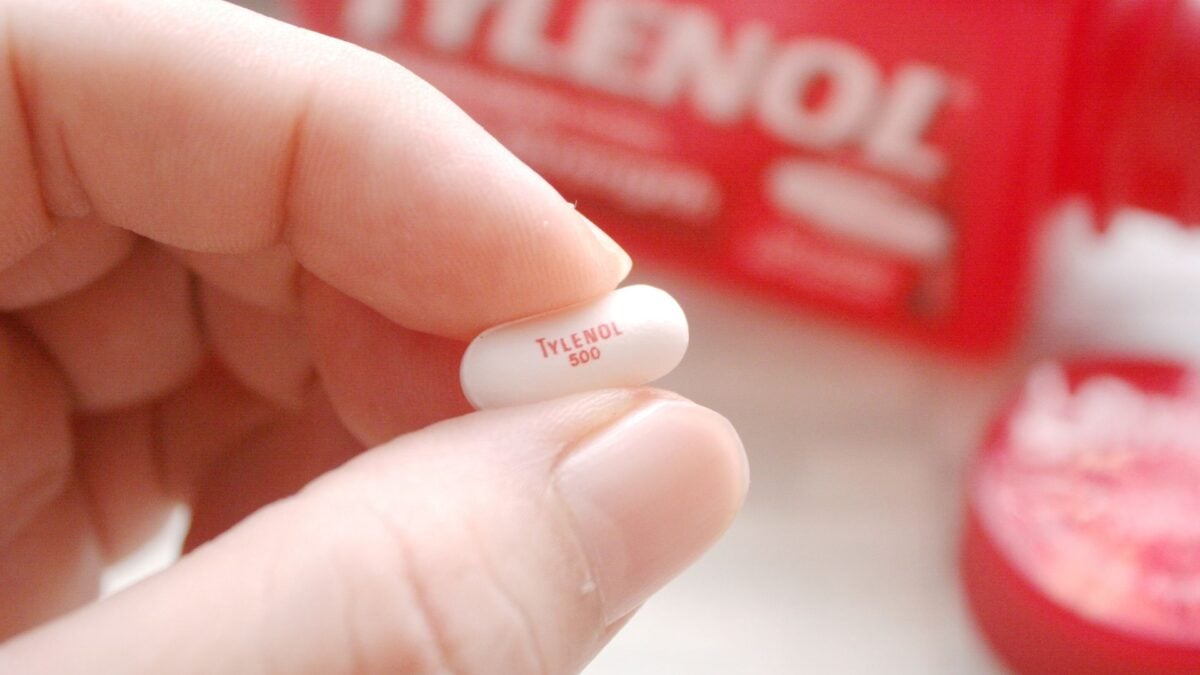
The Trump administration’s plan to blame autism on women using acetaminophen (a.k.a. Tylenol) during pregnancy is getting more pushback from actual scientists.
This past weekend, researchers in Europe published a review of the scientific evidence on autism and acetaminophen. After accounting for known biases in past studies, they failed to find a connection between maternal acetaminophen use and a greater risk of autism or other neurodevelopmental conditions in children. The findings indicate that women can continue to safely take the over-the-counter pain and fever medication as needed.
“Current evidence does not indicate a clinically important increase in the likelihood of autism spectrum disorder, ADHD, or intellectual disability in children of pregnant individuals who use paracetamol as directed, supporting existing recommendations on its safety,” the researchers wrote in their paper, published Friday in The Lancet Obstetrics, Gynecology, & Women’s Health.
No causative link
Last September, President Donald Trump and Health and Human Services Secretary Robert F. Kennedy Jr. announced a supposed breakthrough: they found evidence of a potential link between autism and acetaminophen during pregnancy.
Though RFK Jr. and other White House officials were somewhat more cautious in their tone, noting that further research would be needed to confirm a causative relationship, Trump was not. At the press conference announcing the findings, he repeatedly told women to immediately stop using acetaminophen. Despite the lack of a smoking gun, the administration also stated it would take regulatory action, such as adding a warning label to acetaminophen products.
Many experts at the time, however, rebuffed the administration’s claims. While some studies have suggested a possible link, many others haven’t, including studies explicitly designed to address limitations of observational research. Following Trump’s announcement, the UK and many other countries have continued to endorse the use of acetaminophen (also called paracetamol in much of the world) during pregnancy. Acetaminophen is the only widely recommended painkiller for pregnant women, since other drugs can have serious side effects, including a higher risk of miscarriages.
In this latest research, scientists in the UK, Sweden, Italy, and elsewhere analyzed data from 43 high-quality studies. Some of these studies compared the outcomes of siblings born to the same mother who reported using acetaminophen during one pregnancy but not the other. Since siblings share many genetic and environmental factors in common, these studies can better account for potential noise in the data.
All in all, when the researchers included sibling studies in their analysis, they found no significant link between acetaminophen use during pregnancy and a greater risk of children developing autism, intellectual disability, or attention-deficit/hyperactivity disorder. They also failed to find a link when they only included studies judged to be at low risk of bias.
“Our findings suggest that previously reported links are likely to be explained by genetic predisposition or other maternal factors such as fever or underlying pain, rather than a direct effect of the paracetamol itself,” said study author Asma Khalil, a professor of obstetrics and maternal fetal medicine at City St George’s, University of London, in a statement from the university.
The findings echo those of a similar review published last November, which also failed to find convincing evidence of a causative link between acetaminophen and autism.
The major takeaway
Though no drug should be used more than needed, the authors are unequivocal about the implications of their research: Pregnant women shouldn’t be overly stressed about using acetaminophen/paracetamol.
“The message is clear—paracetamol remains a safe option during pregnancy when taken as guided,” Khalil said.
Unfortunately, it appears unlikely that this study, or any other independent research, will deter the Trump administration from moving forward with its attempt to scapegoat Tylenol.
At a White House Cabinet meeting discussing the report in early October, RFK Jr. acknowledged that the government did not have proof that acetaminophen can cause autism. Immediately after, however, he stated, “We’re doing the studies to make the proof.”