
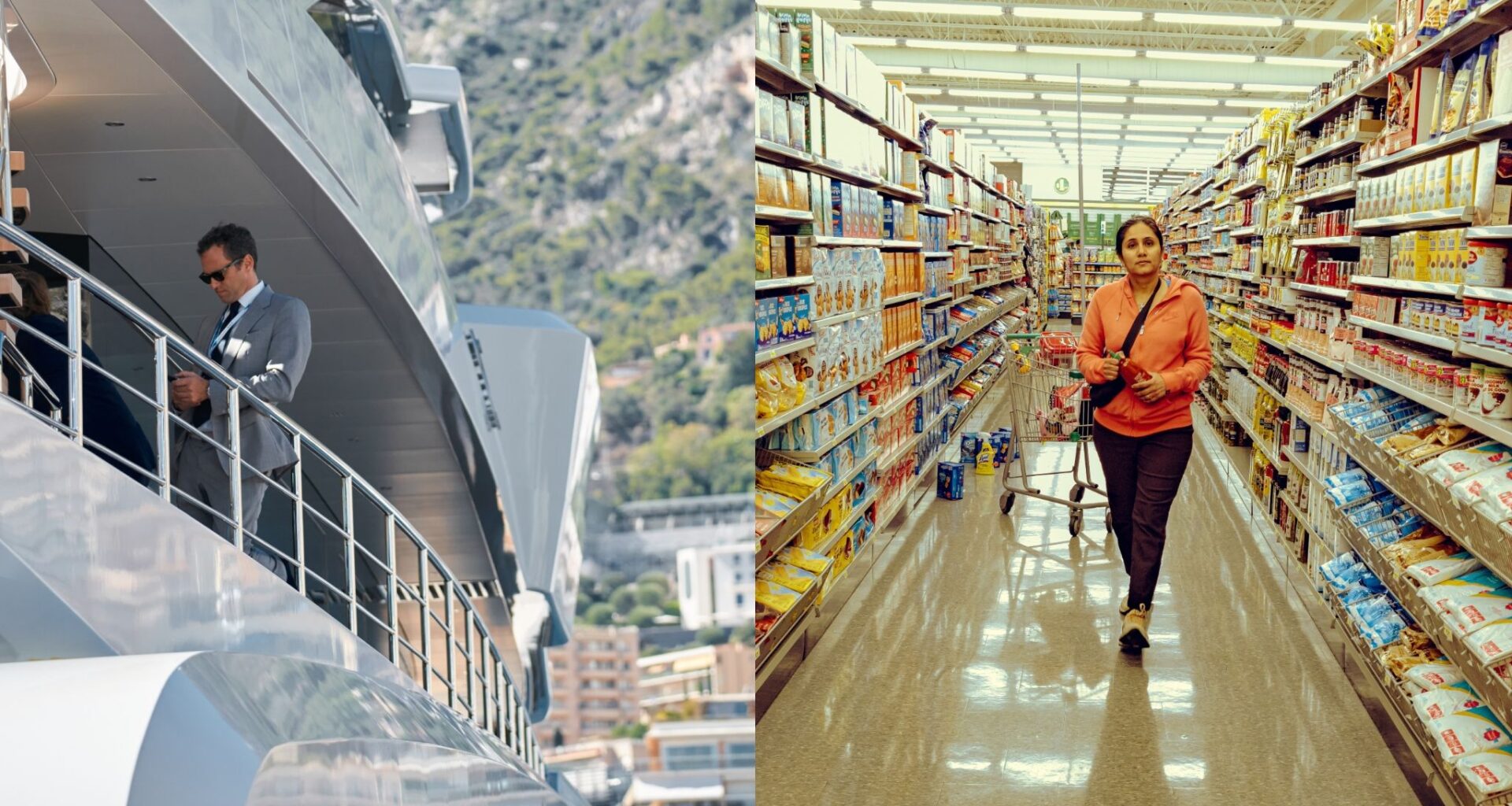
The richest people in Canada are getting even richer, and when their fortunes are combined, their wealth surpasses the economy of entire countries.
So exactly how rich are the richest in Canada? For perspective, the combined value of the country’s 40 billionaires exceeds the GDP of several countries, including New Zealand, Colombia, Finland, Chile, and South Africa, according to a new report published by Oxfam Canada, a global organization working to end the injustice of poverty and inequality.
A “wealth chasm”
The report, which uses data from Statistics Canada, Maclean’s, and Forbes, found that the 40 richest in Canada saw their wealth soar by over 20 per cent, amassing an additional C$95 billion between 2024 and 2025. The top one per cent richest (those with a net worth of C$7 million or more) hold nearly a quarter of the wealth in Canada, or almost C$1.25 trillion in wealth — nearly as much as the bottom 80 per cent combined.
“That isn’t a narrow wealth gap but a wide, expansive, echoing wealth chasm,” states Oxfam. “This chasm is driven by a rise in the cost of essentials like food and housing.”
Meanwhile, the bottom 40 per cent of “wealth holders” collectively hold only three per cent of the total wealth in Canada, with an average net worth of under C$87,000.
AlbertArt/Shutterstock
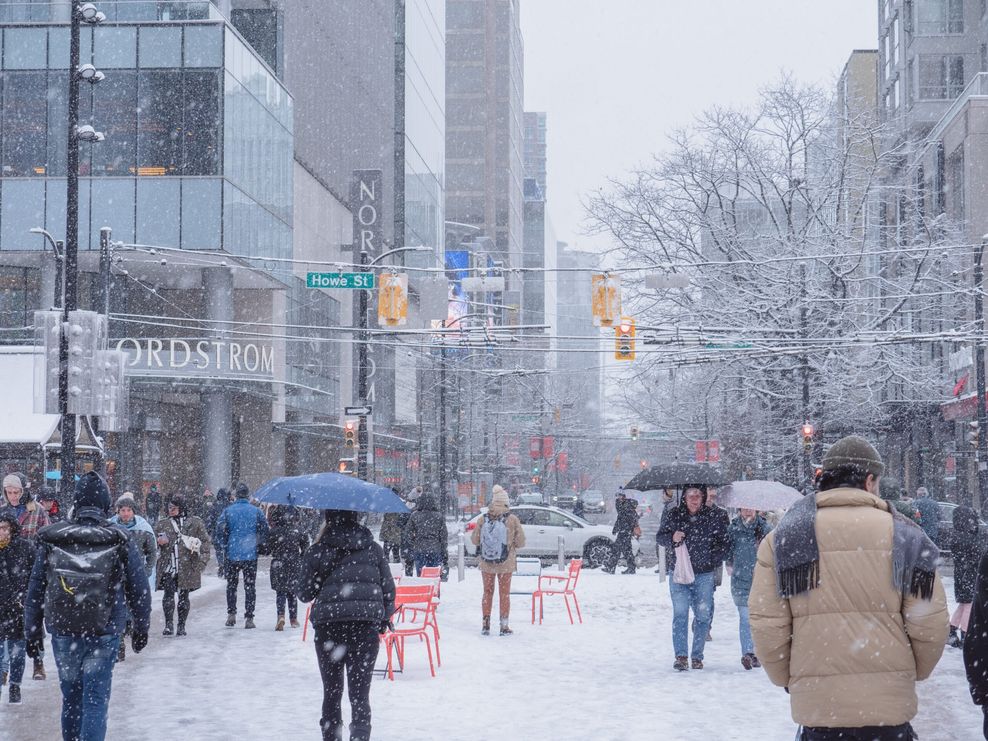
To add to the wealth disparity, in 2023, 10.9 per cent of Canadians or a total of around four million people, were living in poverty, and grocery prices were up almost five percent in 2025 compared to 2024. In 2024, 25 per cent of Canadians were living in food-insecure households, and an estimated 300,000 were experiencing homelessness.
“Economic inequality — both income inequality and wealth inequality – has reached crisis levels in Canada,” states the report. “In 2025, income inequality was at a record high. Wealth inequality, while harder to measure as a result of how Statistics Canada collects data, is also growing in Canada and is part of a larger global trend.”
Oxfam attributes this increasing wealth accumulation to the concentrated ownership and the billionaires’ ability to limit competition in Canada.
“Take, for example, telecom dominated by an oligopoly comprised of Rogers, Bell, TELUS — ‘The Big Three’ — and who charge Canadians some of the highest cellphone rates in the world,” states the report.
Canada’s wealthiest also control the grocery sector, as well as the media and press companies. Oxfam warns that rising inequality and the erosion of democracy go hand in hand, with companies lobbying for “the interests of their wealthy owners and shareholders.”
Possible solutions include establishing a wealth tax that would apply to individuals with a net worth of C$10 million and above. An estimate by the Parliamentary Budget Office suggests that a modest tax on wealth of over C$10 million could bring in approximately C$25 billion in revenues annually over the next five years.
Canada could also curb the use of offshore tax havens, and support the creation of an International Panel on Inequality (IPI) to help “inform and empower robust policymaking.”
Meet the billionaires
mikecphoto/Shutterstock
Globally, the number of billionaires increased to 3,000. Elon Musk remains the world’s richest with over half a trillion U.S. dollars in wealth. Canada’s billionaires may be less globally recognized, but their names are familiar to many Canadians.
The Thompson family remain the richest family in Canada with a net worth of C$90.2 billion. They own a 70 per cent stake in Thomson Reuters through holding company Woodbridge Co. It’s one of the 10 largest media and press companies in the world.
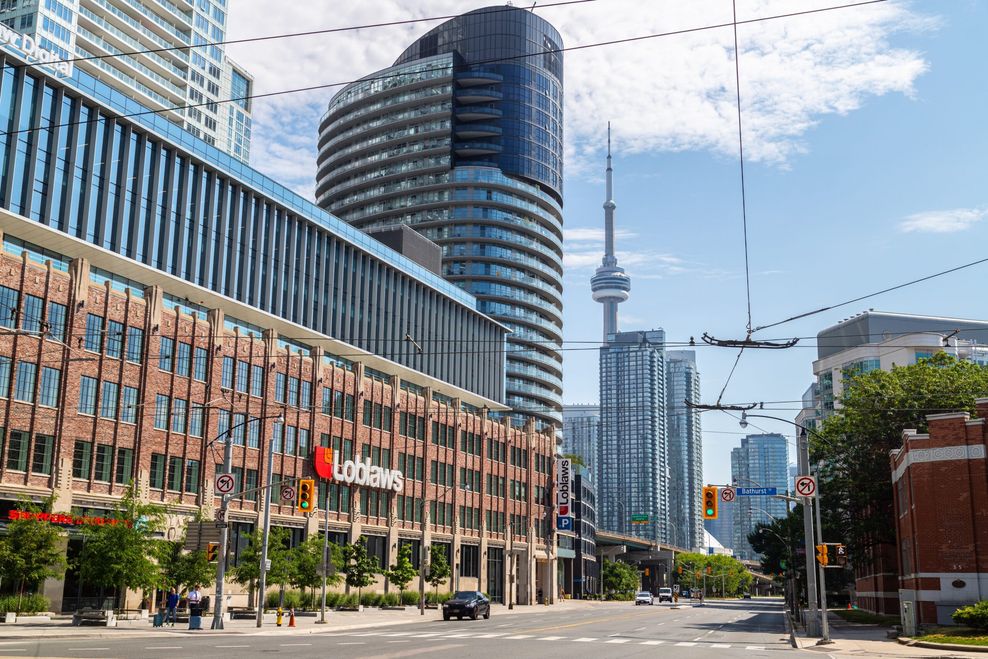
Second is Galen Weston, with a total net worth of C$20.6 billion, accumulated through Loblaw, which owns groceries, real estate, and pharmacies. Oxfam notes the increasing food prices, 27 per cent higher than they were in the past five years. Loblaw was also among several supermarket chains accused of being part of a bread-fixing scandal. The Rogers family also own the biggest telecom company in Canada and has a net worth of C$11.9 billion. Oxfam states that cell phone prices in Canada continue to rise, and Canadians pay some of the highest cell phone and internet bills in the world.
Other billionaires on the list include Jim Pattison (net worth C$11.9 billion, transportation, grocery, forestry) and the Irving family (net worth $15.8 billion, oil, forestry, agriculture).
Read the full report on Oxfam Canada’s website.