
Advertisement.
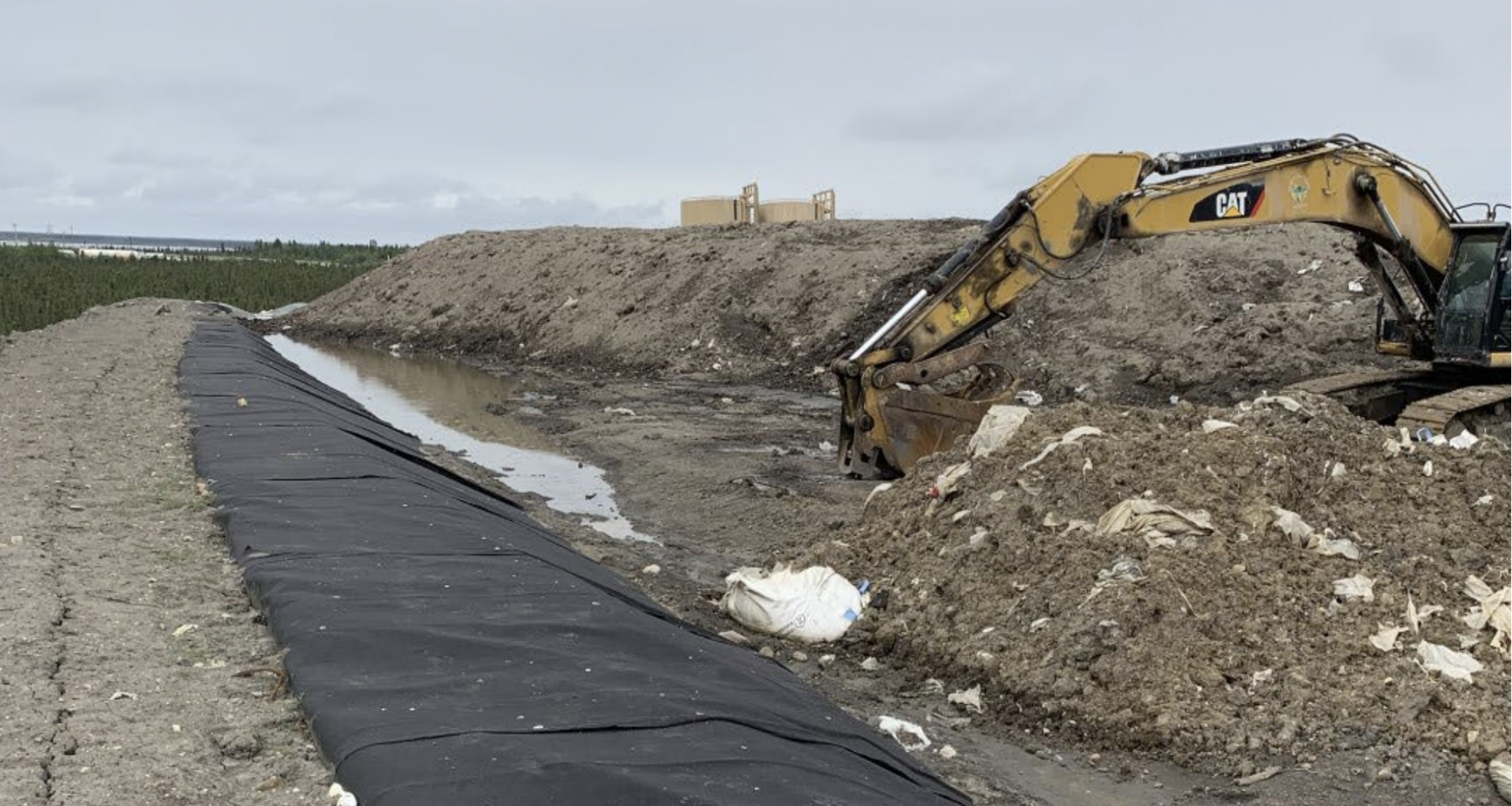
The Gwich’in Tribal Council is asking the NWT Court of Appeal to quash a decision upholding the renewal of a water licence to a soil treatment facility in Inuvik.
In July 2024, the NWT Supreme Court rejected the GTC’s request to overturn the Gwich’in Land and Water Board’s 2022 decision to renew the water licence for the facility, which is operated by KBL Environmental Ltd.
Justice Karan Shaner found the board’s decision was “reasonable and must remain undisturbed.” She said the process the board followed was “fair, open and intelligible.”
In appeal court on Tuesday, Shaun Chorney, the lawyer for GTC, argued Shaner had erred by failing to conduct independent analyses on the potential transboundary impacts of the facility and whether the board properly consulted the GTC before making its decision.
Advertisement.
Advertisement.
He further argued Shaner incorrectly determined the land and water board had not been procedurally unfair in denying the GTC’s request to hold a public hearing on the licence renewal application.
Chorney said the appeal court should quash Shaner’s decision and send the matter back to the board for reconsideration.
Toby Kruger, the lawyer for KBL, as well as Christopher Rusko, the lawyer for the land and water board, disagreed, saying Shaner’s decision was reasonable and the GTC’s appeal should be dismissed.
Transboundary and compliance issues
Chorney maintained that, as the facility receives contaminated soil, water and snow from outside the Gwich’in Settlement Area, the Gwich’in Land and Water Board does not have the jurisdiction to issue a water licence to the facility.
Advertisement.
Advertisement.
Kruger contended that argument is “a tempest in a teapot.”
He argued the water licence regulates the deposit of waste, not where contaminated material comes from nor how it is transported. Otherwise, he said, every project involving the deposit of waste in the NWT would be a transboundary project, undermining regional decision-making.
Chorney further argued the board’s decision was unreasonable as it did not consider issues of non-compliance at the facility and that KBL was operating on an expired licence.
“It effectively condones those activities,” he said.
The territorial government inspected the facility and found KBL had failed to submit sample results from contaminated snow, water and soil before receiving it, improperly collected and disposed of debris, and had soil piles that were too high, among other issues.
Kruger said on Tuesday that none of those issues had to do with the discharge of waste. He said there is “a rigorous testing process” in place and no exceedances of contaminants have been identified to date.
He argued the board took the GTC’s concerns seriously and was satisfied KBL had addressed the compliance issues before renewing its water licence.
Preliminary screening
Finally, Chorney argued the board had improperly relied on a preliminary screening conducted before an initial water licence was issued to the facility in 2017.
Advertisement.
Advertisement.
He said the scope of activities at the facility had since expanded to include the acceptance of contaminated water as well as snow and soil. He argued the board should have required another preliminary screening before renewing the licence.
Kruger, however, said the GTC had raised no concerns when the water licence was amended in 2021 to include contaminated water.
He argued that did not impact the scope and impact of the project, nor the discharge criteria in the water licence. Both he and Rusko said the process for handling snow and water at the facility is identical.
Addressing consultation concerns, Rusko argued the board had adequately consulted the GTC. He pointed out the board had updated conditions of the water licence in response to recommendations from the tribal council.
The appeal court has reserved its decision in the case.
Related Articles