
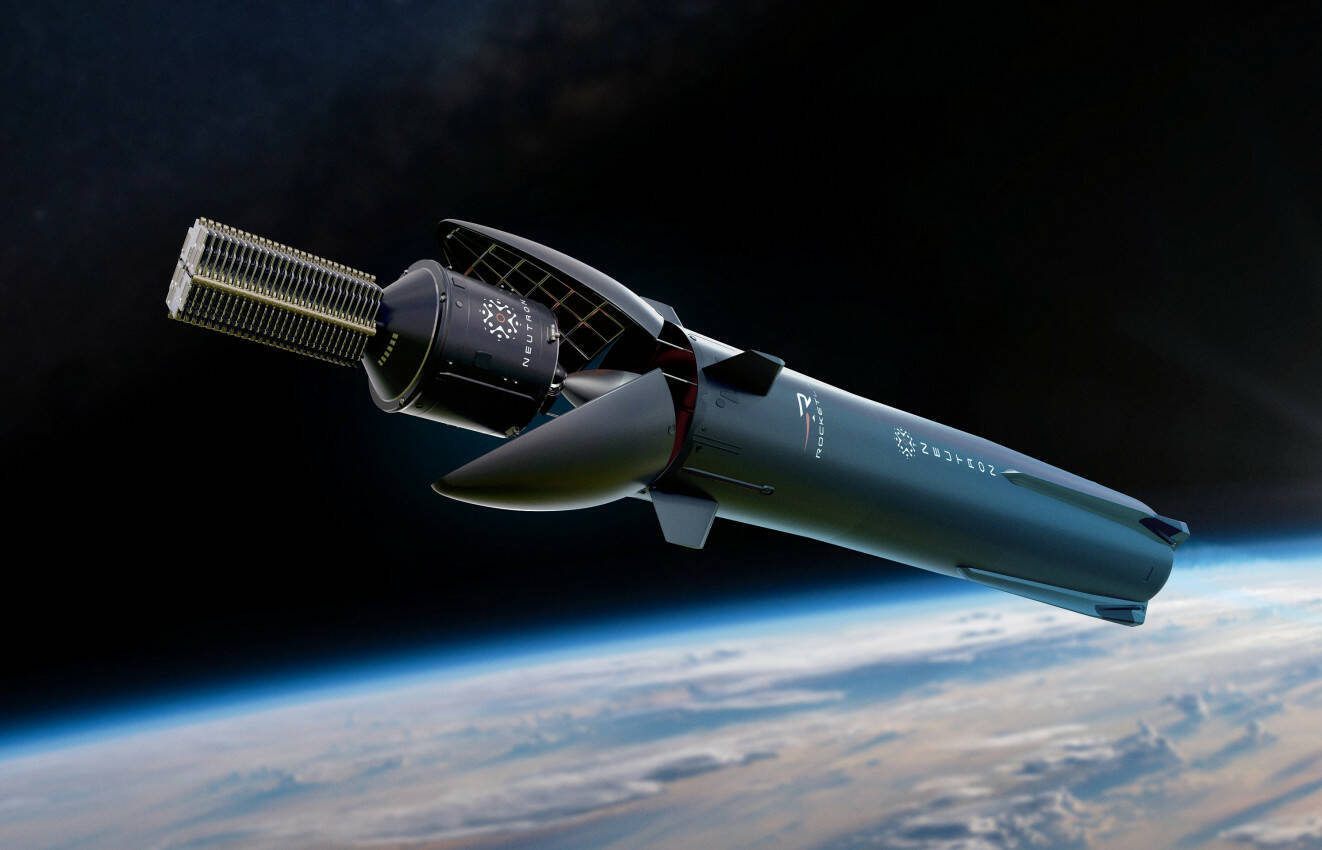
Rocket Lab suffered a setback after a Neutron Stage 1 tank ruptured overnight while the company was performing a hydrostatic pressure trial at its Space Structures Complex in Middle River, Maryland.
Destructive testing is not uncommon, but this test was conducted only to design limits, according to Rocket Lab’s statement.
“We intentionally test structures to their limits to validate structural integrity and safety margins to ensure the robust requirements for a successful launch can be comfortably met.”
There are no reported injuries and “no significant damage to the test structure or facilities.” The tank, however, is gone. Another is in production, but the setback will not have a positive impact on Neutron’s launch schedule. An update is expected during the corporation’s Q4 2025 earnings call in February.
As with SpaceX and its Falcon 9, Rocket Lab’s workhorse Electron has continued launching – another was scheduled today at 1052 UTC from the company’s LC-1 launch complex in New Zealand.
Neutron is heftier and more complex than the Electron, capable of sending 13,000 kg to low Earth orbit (less than Falcon 9’s payload capacity). The rocket is a two-stage launcher designed to be partially reusable. The second stage is enclosed within a hinged fairing, dubbed the “hungry hippo,” and is released when the fairing opens. The fairing will then close and the rocket returns to Earth for reuse.
Before this incident, 2026 was set to be a big year for the Neutron, with a maiden launch planned. It is not clear whether, or to what extent, the tank rupture will cause a delay. “The team is reviewing the Stage 1 test data, which will determine the extent of the impact to Neutron’s launch schedule,” Rocket Lab said.
The tank is constructed from a carbon composite material, as is the vast majority of the Neutron rocket. The question, other than any potential impact on schedule, is whether a handling problem, design defect, or manufacturing issue was to blame. ®