

In November, the Quebec government abolished a popular pathway to permanent residency, known as the Programme de l’expérience québécoise (PEQ).
For the Quebec government, this change allows them to have more control over who settles in the province.
For thousands of newcomers, the change represents shattered dreams of settling in Quebec and leaves them feeling betrayed and anxious about their future.
They aren’t just angry because the PEQ was abolished. They’re angry that the province isn’t exempting newcomers who were already here and allowing them to apply for the now-discontinued program.
The calls for this exemption have been consistent for months, but the Coalition Avenir Québec (CAQ) government has shown no willingness to compromise.
Despite this rigid stance, there are several factors that suggest this issue isn’t going away anytime soon.
‘Totally betrayed and abandoned’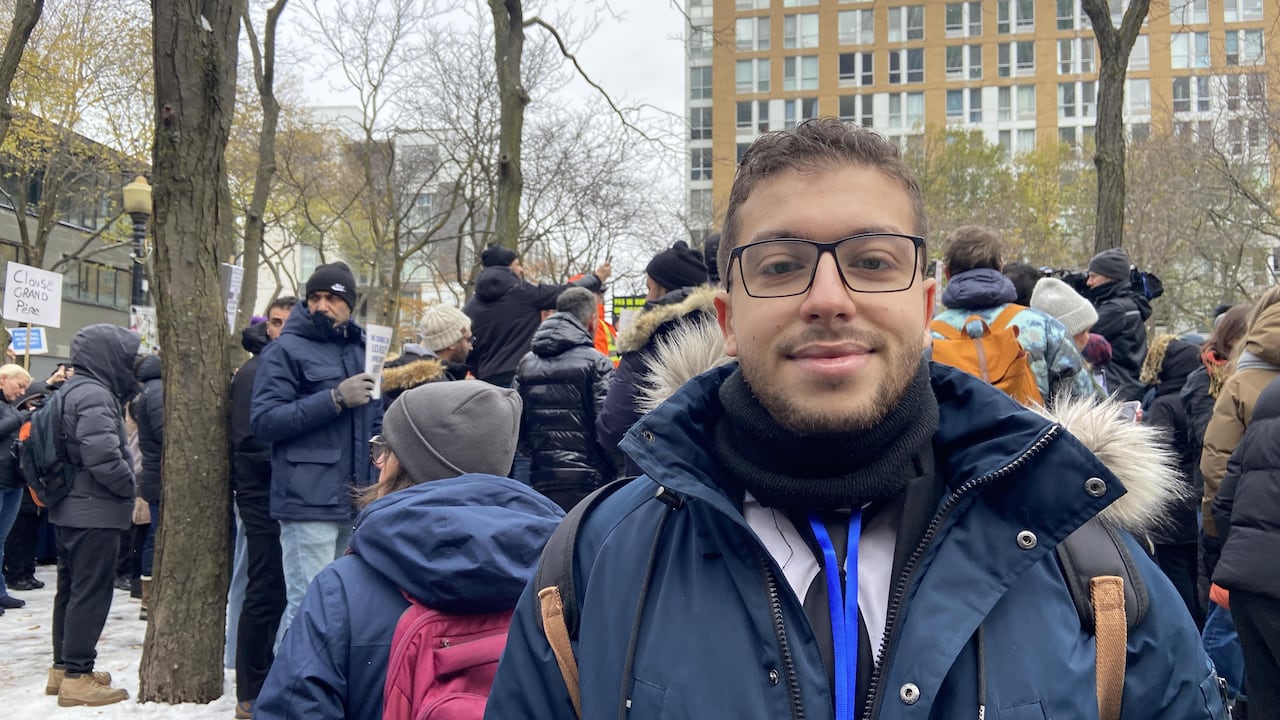 The future of Nadir Belaid, who moved to Quebec from Algeria in 2019, is up in the air after the PEQ was abolished. Belaid, seen here at a protest in downtown Montreal on Nov. 17, 2025, is a spokesperson for the group Le Quebec c’est nous aussi, which essentially means ‘We are also part of Quebec.’ (Samir Bendjafer/Radio-Canada)
Nadir Belaid, who moved to Quebec from Algeria in late 2019, works as a corporate paralegal.
His future in the province is now in jeopardy.
“I invest a lot of my time and money, a lot of my energy coming here and studying,” said Belaid, who is one of the spokespeople for the group called Le Quebec, c’est nous aussi, which essentially means “We are also part of Quebec” in English.
“I feel totally betrayed and abandoned by the government.”
With the PEQ gone, the sole route for immigrants wishing to settle in the province for economic reasons is the recently launched Skilled Worker Selection Program, which is known by its French initials PSTQ.
This new pathway is more narrow.
Under the PSTQ, the government assesses the education, French-language proficiency and work experience of temporary residents using a 1,200-point scale. The higher the score, the greater the likelihood that immigrants will be invited to apply for a Quebec Selection Certificate, which eventually leads to permanent residency.
But as Quebec Immigration Minister Jean-François Roberge put it, ”nothing is automatic” for people who had been counting on the PEQ to obtain the certificate.
The new system prioritizes certain fields like health and education while penalizing applicants in Montreal and Laval.
 Ben Mahi, 36, is a lab technician. He says the end of the PEQ amounts to a broken promise by the Quebec government. (Rowan Kennedy/CBC)
“You broke a promise,” says Ben Mahi, who is also from Algeria, in reference to the government.
“They bring students, they also do a lot of promotion for students like, ‘Come to Quebec. Come learn French,’ then after you just say, ‘We don’t need you anymore.'”
For Belaid and others, that sense of betrayal and the belief that what Quebec is doing is morally wrong serves as motivation to keep speaking up.
“We’re not garbage. We’re people. We’re not just a number,” he said.
His group has organized several protests, with others expected to take place in early February across different cities.
One immigration lawyer appears to be gearing up for a possible legal challenge.
“I want to tell people not to give up, that they’re not alone and I don’t want them to feel abandoned,” Belaid said.
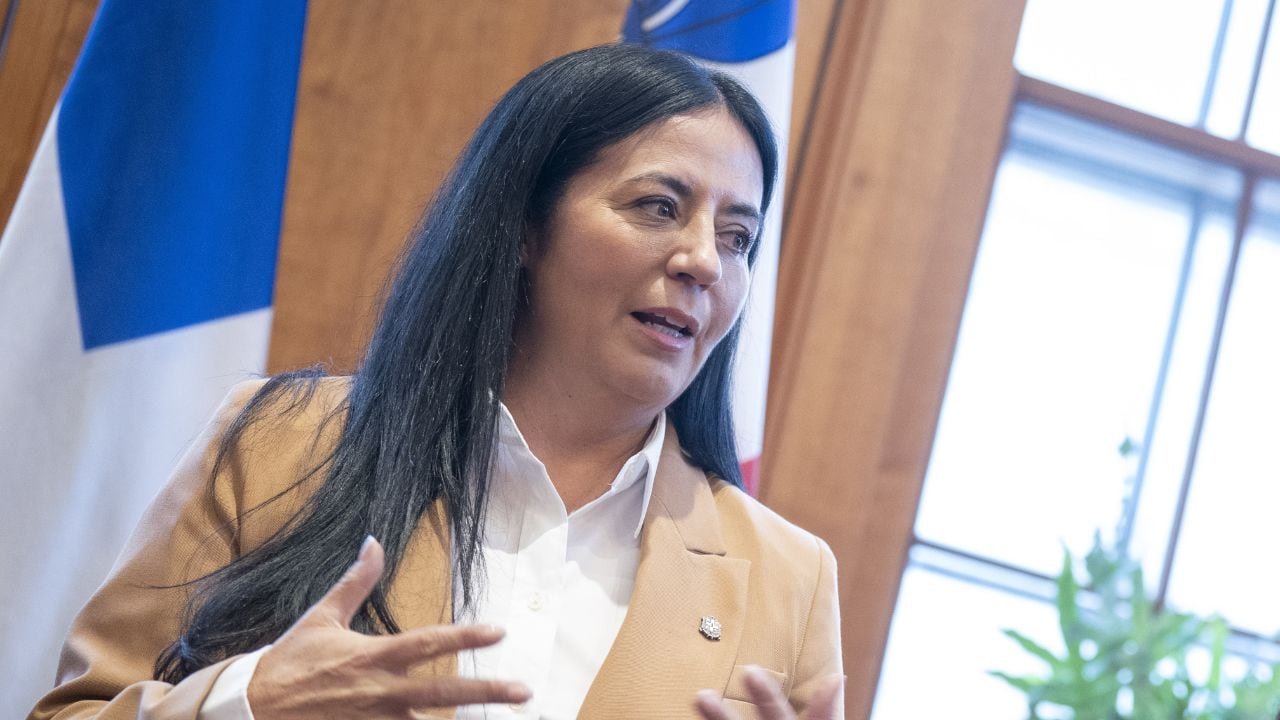 Soraya Martinez Ferrada, Montreal’s mayor, has expressed a willingness to speak to the Quebec government to address some of her concerns about the end of the PEQ. (Ivanoh Demers/CBC)It’s not just newcomers that are angry
People in Belaid and Mahi’s situation have received public support — lots of it.
The government’s plan and its refusal to compromise have been criticized from several angles: unions, business groups and even some of the province’s most high-profile mayors.
Montreal’s Soraya Martinez Ferrada said last month that she would be an ally to the immigrants dealing with an uncertain future and attempt to speak to the CAQ government about their concerns.
Quebec City’s Bruno Marchand has been a vocal critic, saying the province is turning its back on people who have proven to be assets.
“We have immigrants here that are established, that speak French and contribute to our economy,” he said. “You create uncertainty for these people, uncertainty on a human level and uncertainty for our businesses.”
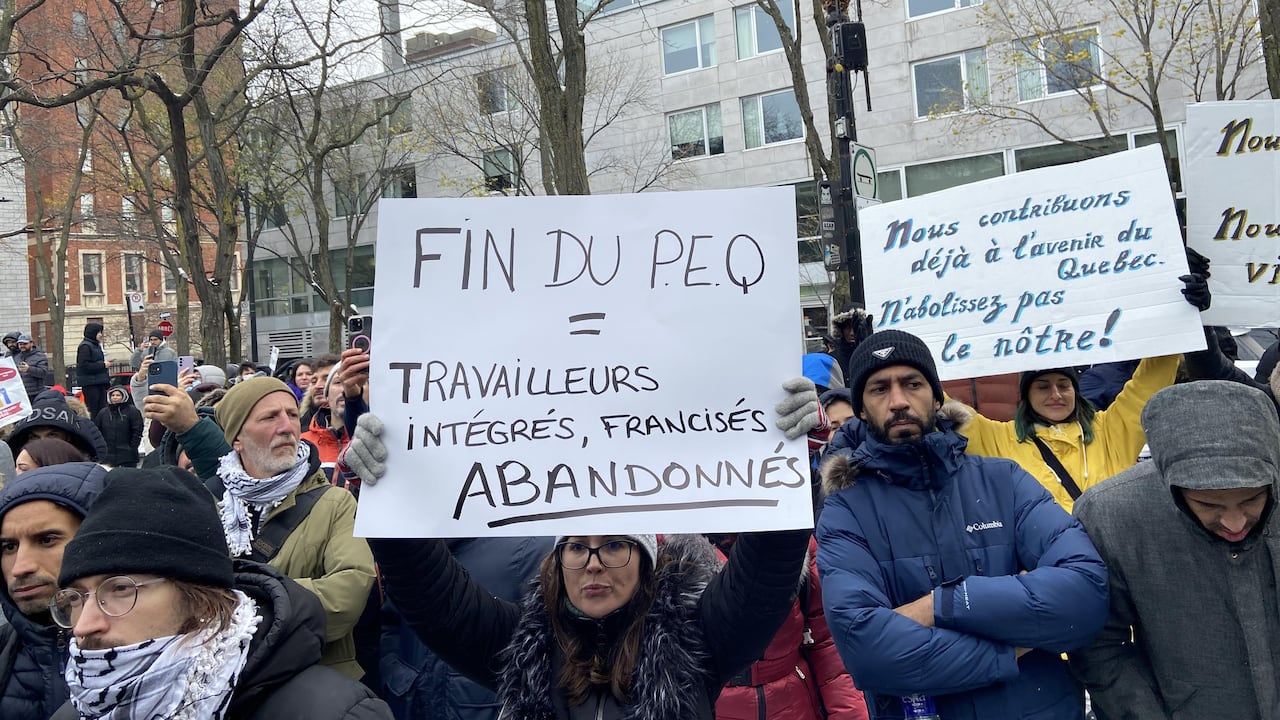 A woman holds a sign at the Nov. 17 protest that states that immigrants who have learned French and integrated into Quebec society are being abandoned by the government. (Samir Bendjafer/Radio-Canada)
In December, Sherbrooke’s city council passed a motion declaring its support for those affected by the end of the PEQ.
Véronique Proulx, the head of the Quebec federation of chambers of commerce, says many companies, in all sectors of activity, are at risk of losing workers due to the end of the PEQ.
“The PEQ program was a way to give certainty to our companies, to the employees and having a positive impact on the economy of our regions,” she said.
WATCH | Montreal bakery at risk of losing many employees:
Businesses at risk of losing staff after Quebec slashes program for permanent residency
Quebec’s decision to slash a pathway to permanent residency is being felt by some businesses. A bakery in Montreal says it could lose several staff members, and workers could be kicked out of the country. New premier, new approach?
Proulx says business groups intend to make this an election issue this year.
She and others sense a potential opening with François Legault stepping down as premier and the CAQ’s leader.
Legault shot down calls for people who were already living in Quebec to be exempt from the new immigration rules.
Guillaume Cliche-Rivard, the immigration critic for opposition party Québec Solidaire, wants the PEQ program to be reinstated and says the next CAQ leader and premier should try to keep an open mind.
“Civil society is unanimous: the PEQ has to come back. It’s the only way,” said Cliche-Rivard.
“I hope the next leader of the CAQ will be reasonable.”