
Advertisement.
Two women from Yellowknife are going on an expedition to the southern end of the world next month through Sea Women Expeditions.
The organization was founded in 2013 by Susan R Eaton, a geoscientist from Halifax who is based in Yellowknife.
The 2026 expedition, taking place from February 14 to March 10, will cover the Falkland Islands, South Georgia Island, South Orkneys, South Shetlands and Western Antarctic Peninsula.
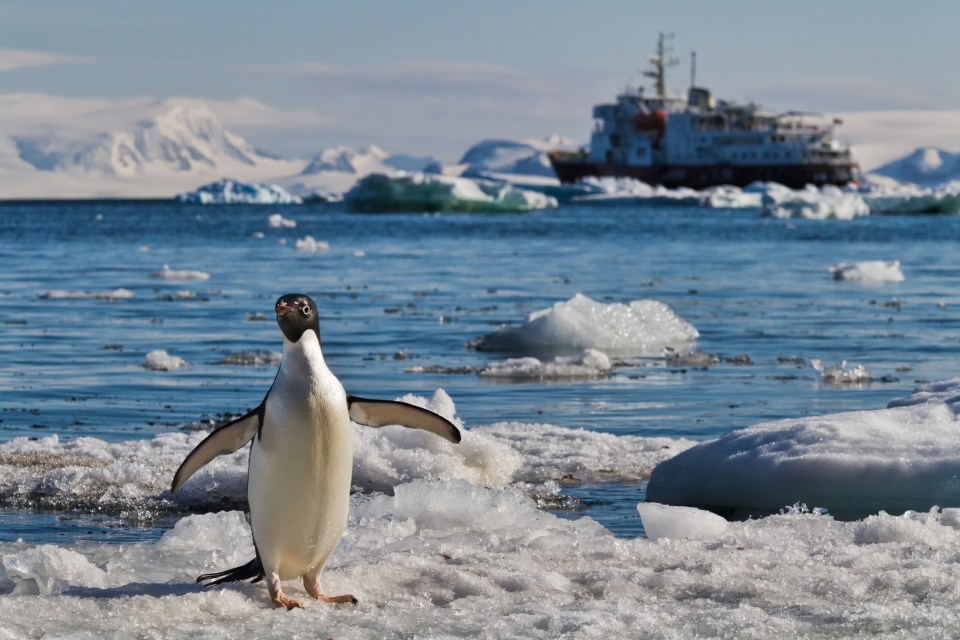 A penguin on Devil Island, Antarctica. Steve Gould/Dreamstime
Twenty-five women from nine countries are expected to embark on the expedition. Eleven of the team are from Canada, while others come from the USA, UK, Belgium, Spain, Italy, Colombia, Brazil and Australia.
Advertisement.
Advertisement.
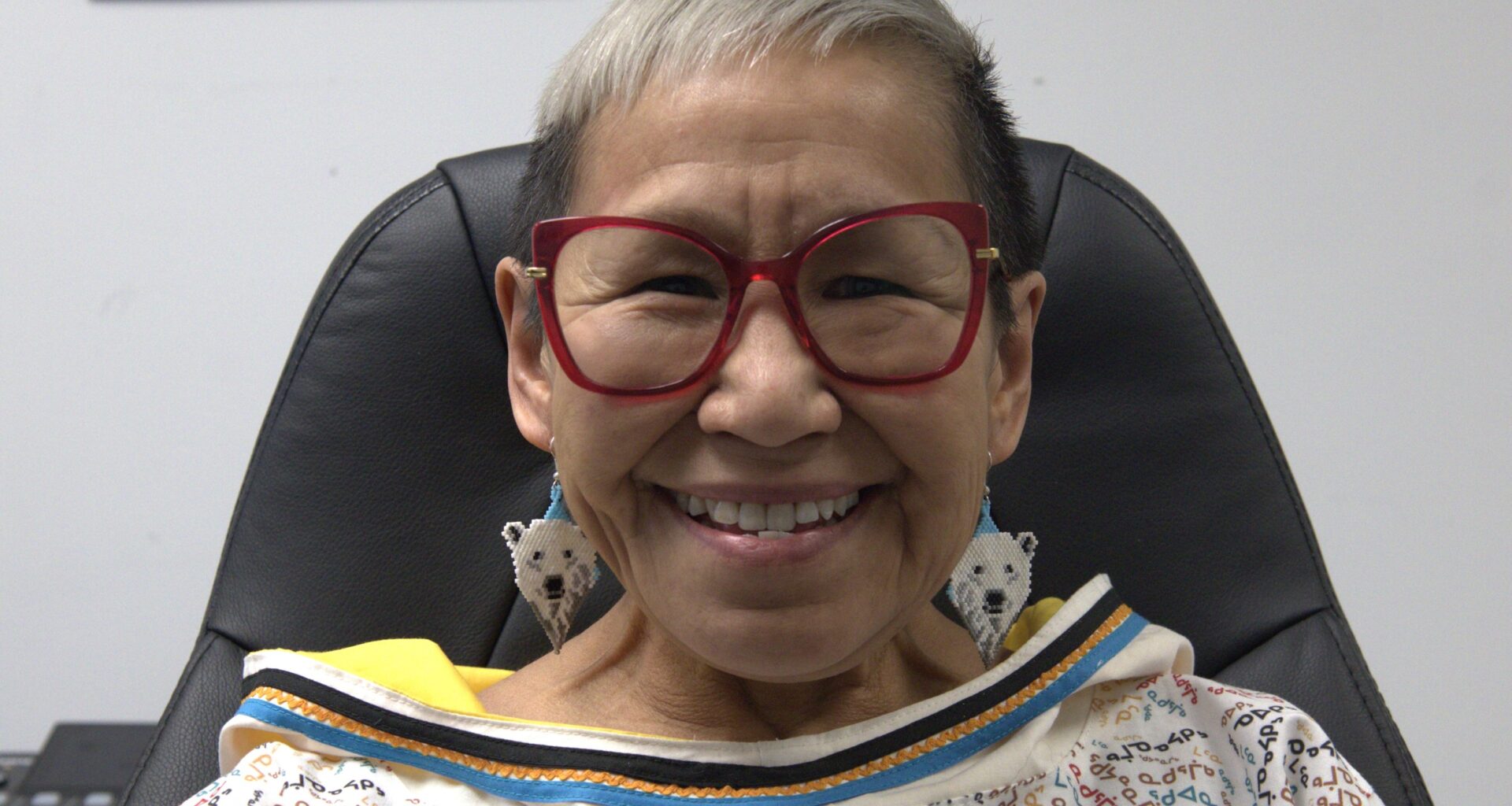
Representing the NWT, Eaton is joined by Geela Qaqqasiq, an Inuk woman originally from the hamlet of Arctic Bay.
Qaqqasiq, a resident of Yellowknife for more than three decades, said she received a phone call from Eaton informing her of the program and asking if she was interested in joining the expedition to Antarctica.
“I was really shocked, and I was so happy,” she told Cabin Radio, adding she has only left the country once in her life – three years ago, when she was invited by Australian-owned Aurora Expeditions to sail through the Northwest Passage.
“That was so wonderful. It was beyond my expectations – like a dream come true. I’ve never, ever been that way, ever,” she said.
Advertisement.
Advertisement.
As a late addition to the team, Qaqqasiq has been busy gathering all the documents required for the journey. She is most excited to see penguins and sea lions in the wild, having only ever seen them in aquariums.
Qaqqasiq expects the expedition to “open my eyes to another world, because we’re going to be on the other side, the bottom of the world.”
“I’ll bring the North to the south, about the climate change, about what I’ve seen first-hand being up in high Arctic and what challenges we face,” she said.
Qaqqasiq said she landed a government role right after graduating high school 35 years ago, and stayed in Iqaluit for two years before moving to Yellowknife in 1989.
Nunavut was still a part of the Northwest Territories at the time, officially becoming its own territory on April 1, 1999. She said the experience of switching between governments and travelling to the west side of northern Canada “was very interesting.”
“I’ve always been with the eastern. Coming here was an eye-opener for me because I’ve never really seen Dene people, so it was my first time seeing Dene,” she said, adding that despite cultural differences, for her “it’s been a wonderful ride.”
Portable aquariums
Qaqqasiq said she feels privileged to have received the opportunity to go to Antarctica alongside Eaton and her team.
Eaton said she founded the organization to provide a safe space for women to participate in polar exploration, polar science and community engagement in the Arctic.
Advertisement.
Advertisement.
While some expeditions have involved travelling from one location to the next via an expedition vessel, in others participants reside in communities and work with locals for weeks at a time.
Eaton said climate change in the Arctic is at the core of what the team is studying.
“In the Canadian Arctic, climate change has a human face, and obviously it’s the peoples of the North, including the Inuit, who are being impacted in real time by climate change,” she said.
Eaton said Sea Women Expeditions works at the grassroots level through a community program called Bringing the Ocean to Eye Level, which is co-designed by Inuit team members and leaders.
In many northern communities, she said, people rarely see marine animals underwater.
By using small, portable teaching aquariums and introducing snorkeling to Inuit youth, women and Elders, the program allows communities to experience marine life – from fish to beluga and seals – in their natural environment.
Eaton said the organization also runs underwater robotics workshops in communities across Nunatsiavut, Nunavut and western Greenland. During the workshops, children design and build remotely operated vehicles equipped with cameras, allowing them to see marine life beneath the surface.
“We’re going to Antarctica to study ocean change and climate change in a place that’s warming as rapidly as the High Arctic in Canada,” she said.
Advertisement.
Advertisement.
“We’re bringing with us scuba divers and snorkelers and underwater robots as well, because we’re going to be exploring and mapping what lies beneath the waves in Antarctica.”
To date, she said more than 110 women have participated in the organization’s expeditions. Eaton said teams have ranged in age from 16 to 78 and have included gender-diverse participants, women of colour, and both Indigenous and non-Indigenous members.
Changes ‘happening so quickly’
Eaton said funding Antarctic and High Arctic expeditions remains as challenging today as it was more than a century ago.
She said Sea Women Expeditions relies on a mix of individual and organizational fundraising, with most participants volunteering their time and largely self-funding their involvement through scholarships, grants, sponsorships and crowdfunding.
Over the years, she said the team has gained “invaluable experience” partnering with not only Indigenous and non-Indigenous women from Canada, but across the circumpolar region.
“After six expeditions that Sea Women has run, we’d like to take our knowledge from the North and apply it to the south,” she said.
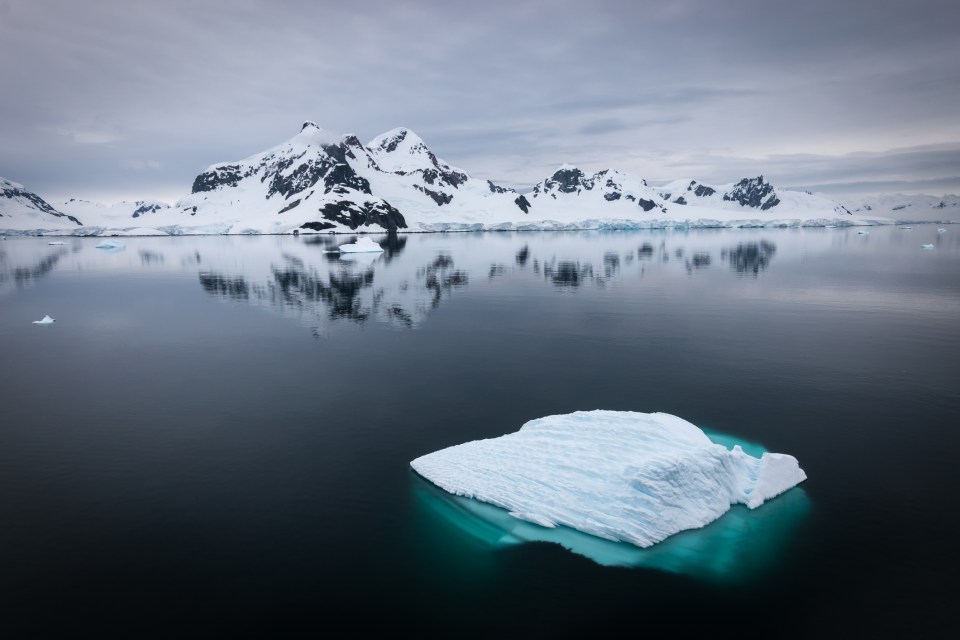 Skontorp Cove, Antarctica. Nancy Pauwels/Dreamstime
This year’s expedition coincides with International Women’s Day, which falls on March 8.
Prior to 2013, Eaton said she had already attended three expeditions to Antarctica that were led by men, where she felt women were largely missing.
Advertisement.
Advertisement.
Those expeditions prompted her to launch an organization that embraced “inclusivity, belonging and diversity.” She said women approach exploration and science differently, bringing distinct perspectives to how they engage with and interpret the environment.
“Women are the glue that binds communities together,” she said. “Diversity is really important, and belonging and inclusion is important. It’s a different way of seeing the planet and experiencing it.”
Qaqqasiq said she has noticed significant changes in her hometown of Arctic Bay related to climate change. She noted that salmon, which were not previously present, are now appearing, and the ice forms later than it used to.
While the NWT and Yukon have experienced intense cold lately, unprecedented mild air from Greenland has caused historic warmth in parts of Nunavut, pushing temperatures above freezing and breaking records.
“They had -4C from December on. Like, it’s unbelievable. It changes so much,” Qaqqasiq said.
“We’re seeing a lot of orcas, so it’s been very different. The Elders are looking at the planet differently, and the ice is not forming so quickly. So they’re having a hard time going on the ice, because it’s very dangerous.
“Even now in Pangnirtung, they didn’t have any ice at all. They’ve been boating. That’s a lot of changes that is happening so quickly.”
Related Articles