
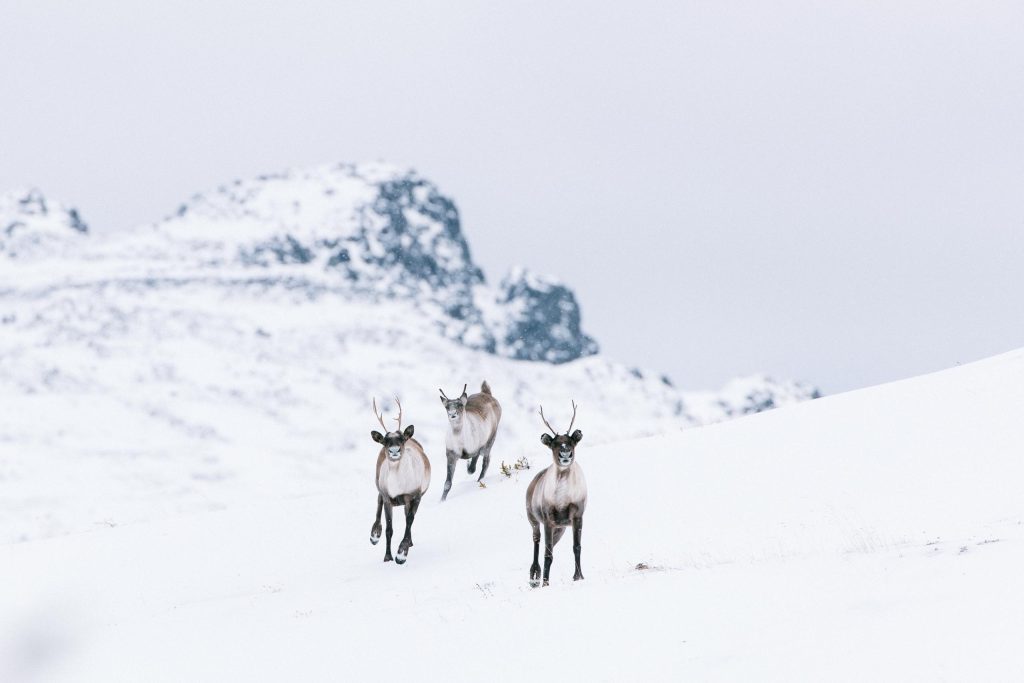
More than 5,000 wild species are at some risk of extinction in Canada, largely because the places they live are disappearing. Yet despite repeated promises, Canada appears to have failed to meet its target of protecting 25 per cent of its forests, grasslands, rivers, lakes, peatlands and oceans by 2025.
As of December 2024 the country had conserved 13.8 per cent of land and fresh water and 15.5 of ocean areas — falling “well short” of its targets, Akaash Maharaj, policy director at the conservation charity Nature Canada, said in an interview. While the final accounting isn’t in yet, it’s unlikely Canada closed the gap in the intervening year.
A series of reports from the federal commissioner of the environment and sustainable development late last year also warned Canada was not on track to meet either its 2025 target or its international commitments to conserve 30 per cent of land and waters by 2030 under the Kunming-Montreal Global Biodiversity Framework.
The 30-by-30 target, one of almost two dozen targets in the international agreement designed to work together to stave off catastrophic nature declines, aims to secure the habitats plants and animals need to survive and is largely regarded as the minimum needed to guard against further losses.
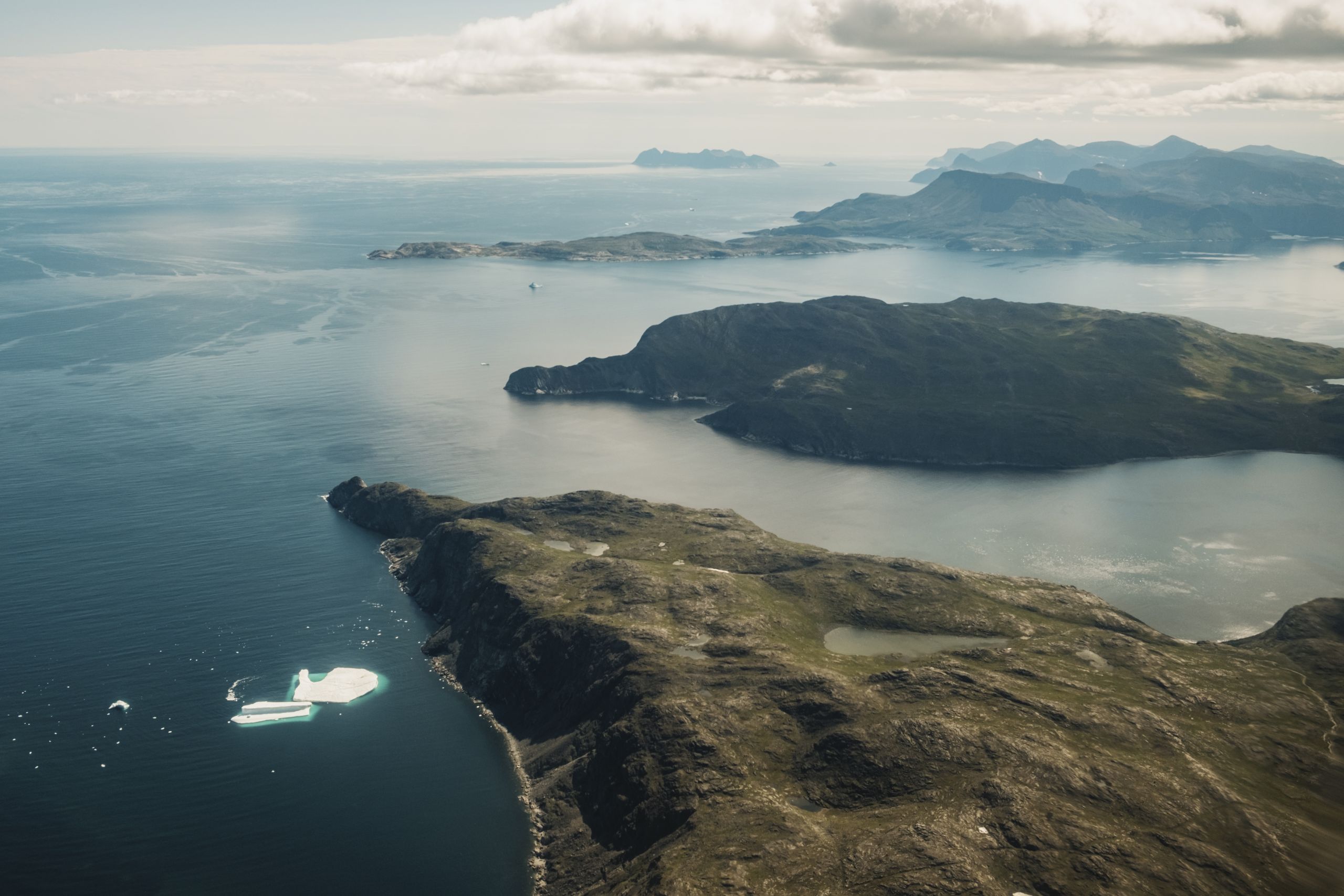 An Inuit-led national marine conservation area next to Torngat Mountains National Park in northern Labrador is one of several projects that could help Canada meet its international conservation commitments. The Liberals committed in the 2025 election to establish 10 new national parks and 10 national marine conservation areas. Photo: Pat Kane / The Narwhal
Nathalie Provost, Canada’s secretary of state for nature whose role in cabinet is focused on reaching the 30-by-30 target, said missing the 2025 conservation goal was “a disappointment.”
The federal government remains committed to meeting the 30-by-30 target, she said, but Ottawa needs the buy-in of provincial and territorial governments to succeed.
Finding innovative ways to finance nature protection, in line with Prime Minister Mark Carney’s commitment to cut government spending and increase investment, remains a key focus, said Provost.
Steven Guilbeault, the former Liberal environment minister who helped shepherd the global biodiversity treaty into fruition, said he remains optimistic Canada can meet its next milestone.
Not every conservation project in development across the country is reflected in the federal database where efforts are tracked, he said.
Valérie Courtois, director of the Indigenous Leadership Initiative, said there are more than 100 proposals for Indigenous Conserved and Protected Areas which could bring Canada closer to its conservation goals if they had the financial support they need.
But funding for long-term management remains an outstanding issue, she warned, which forces Indigenous governments to weigh large-scale conservation endeavours against other items on their already-stretched budgets.
It’s a challenge Jerry DeMarco, the commissioner of the environment and sustainable development, a federal environmental watchdog, also underscored in a November report.
DeMarco noted, for instance, that the federal government typically provided short-term funding of five years or less for Indigenous-led conservation programs, which created an inherent risk funding would not be renewed, affecting long-term outcomes.
Are Canada’s conservation milestones at odds with its critical mineral strategy?
At the same time, Canada is grappling with the economic fallout from U.S. President Donald Trump’s trade war and broader geopolitical tensions. In response, federal, provincial and territorial governments are pursuing new critical minerals projects with renewed vigour.
Critical minerals, including copper, nickel and lithium, are essential components in digital technologies like cellphones and laptops, renewable energy systems such as solar panels and wind turbines and the batteries required for both. They’re also used for satellites, defence applications, including weapons and jet engines and a range of other things.
But Canada’s pursuit of new mining projects has the potential to conflict with its conservation commitments as both require large swaths of land.
In a June report, the International Energy Agency said about 35 per cent of Canada’s mineral resources important for the energy transition overlap with lands that are also important for biodiversity and remain unprotected.
“The government is absolutely right to put economic development and economic security for Canadians at the top of the political agenda,” Maharaj, with Nature Canada, said, noting there’s a deep economic anxiety felt across the country at the moment.
However, he warned, “The only way to sustainably grow the economy so that it’s generating jobs, not just for today, but a generation hence, is to build an economy that’s based on environmental protection and the strengthening of nature.”
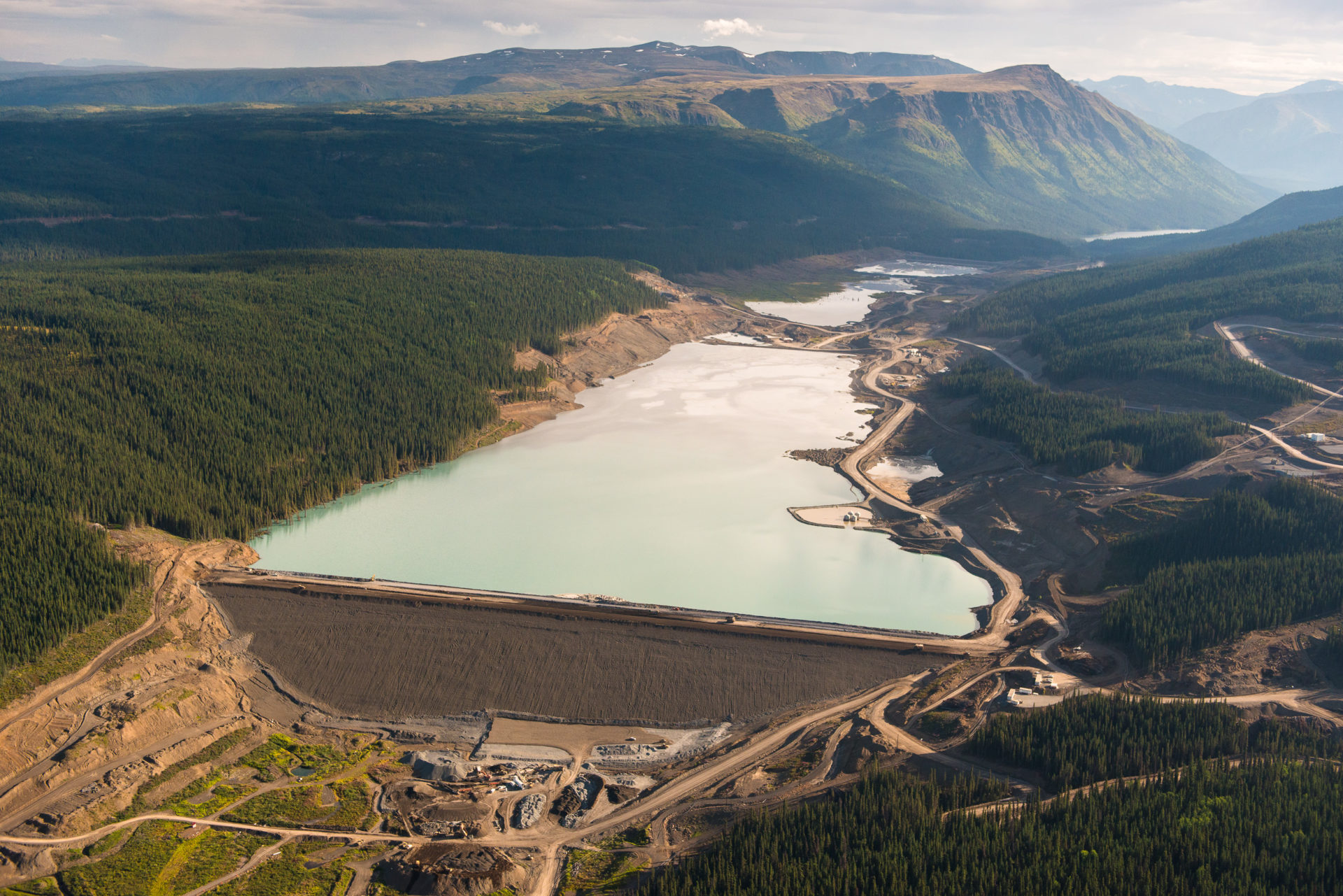 An expansion of the Red Chris mine, which produces copper, gold and silver is being considered for fast-tracking as part of the federal government’s push to develop major projects. Photo: Garth Lenz / The Narwhal
Tara Shea, the vice-president of regulatory and Indigenous affairs at the Mining Association of Canada, said she doesn’t see conservation and expanded mining as mutually exclusive.
The industry association supports ambitious, evidence-based actions to protect biodiversity, she said, pointing to its longstanding sustainable mining initiative, which, among other things, offers guidelines for nature conservation.
But Canada also has commitments to meet the needs of the energy transition and secure critical mineral supply chains for its allies, according to Shea.
“In Canada, we have the minerals and the opportunity. We also benefit from robust environmental standards,” she said. “It does make sense for us to expand our sector here.”
Guilbeault, who resigned from Carney’s cabinet late last year over the prime minister’s early support of a new pipeline out of Alberta, said mining for critical minerals is necessary to combat the threats posed by climate change.
“We can’t do the transition away from fossil fuels without moving toward a world where electricity becomes the dominant source of energy,” he said. “So we have to do this, but we can do it right.”
Courtois also sees potential for both conservation and new mining, particularly in areas where mining projects can bolster communities and local economies.
“But we can’t do that blindly, we can’t do that by ignoring the learnings that we’ve had in the last few decades around things like environmental risk,” she said.