
Chinese-made electric vehicles are coming to Canada and prospective car buyers should be intrigued. Another group that should take notice: investors.
This is not a case for BYD Co. Ltd., the Chinese company that recently passed Tesla Inc. as the world’s biggest EV manufacturer and has emerged as the poster child for the country’s global automotive ambitions.
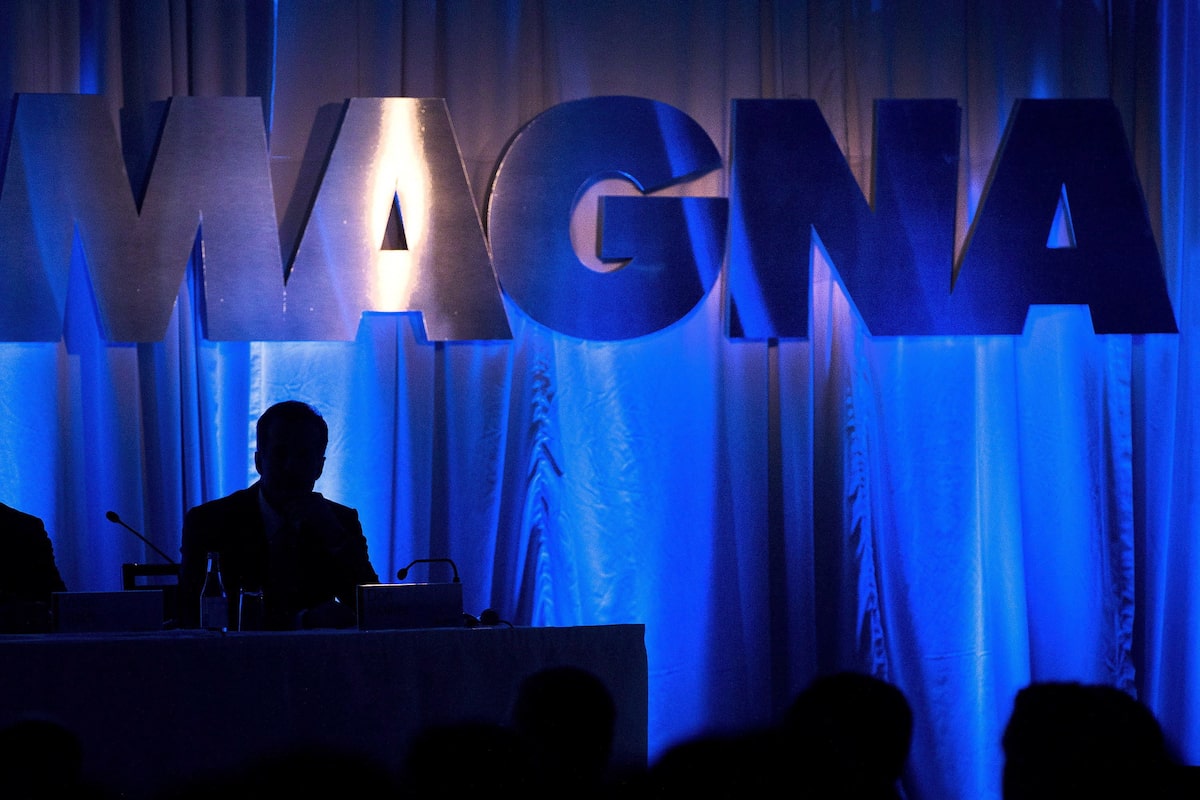
Rather, it’s a case for Magna International Inc. MG-T, the auto parts manufacturer based in Aurora, Ont.
Chinese car maker Chery eyes expansion into the Canadian EV market
Magna has global operations and has built a sizable foothold in China, where it works with auto manufacturers such as BYD, Geely Group, Chery Automobile Co. Ltd. and others. Revenue has been growing at a brisk clip there, hitting US$5.6-billion in 2024.
I last wrote about Magna in June, when the stock looked beaten-up and unloved amid rising tariffs. Waning interest in EVs in North America didn’t help matters. But the dividend alone looked like a decent reason to invest and sit out the uncertainty.
Despite a 50-per-cent rally since then, the stock remains a compelling bet.
Earlier this month, Canada agreed to relax stringent import duties on Chinese-made EVs that can sell here for under $35,000.
The lower levies apply to just 49,000 imported vehicles in the first year of the deal, a tiny fraction of Canada’s annual new vehicle sales. But it feels like a step toward something bigger.
One of the chief complaints against EVs is their high upfront costs. Cheaper Chinese imports could remove this sticker shock and perhaps shake up the competitive landscape, where EVs generally sell for premium prices.
That could spur EV sales, even as governments remove financial incentives for consumers and some North American manufacturers retreat from the market.
In December, Ford Motor Co. cancelled production of its all-electric F-150 Lightning pickup, in what some observers saw as a pivot from the company’s electric ambitions. Fisker Inc., a start-up modelled on Tesla’s success, failed in 2024.
Doug Ford says Canadians should boycott Chinese-made EVs
Chinese carmakers can exploit this retreat. If EVs regain some cachet with consumers – and they should, given their low operating costs, clean emissions and excellent performance – then Magna will benefit as well.
We should get more details about Magna’s exposure to China’s EV juggernaut when the auto parts maker reports its fourth quarter results on Feb. 13.
For now, let’s speculate a little.
Magna has a lower profile than many of its big-name customers, such as Ford, General Motors Co., Toyota Motor Corp. and Volkswagen AG.
The share price has been zig-zagging over much of the past decade, underperforming the S&P/TSX Composite Index as snarled supply chains, inflation and wavering tariffs weighed on sentiment.
Magna’s exposure to EVs, where it supplies more content per vehicle than traditional cars with internal combustion engines – largely because of battery enclosures – is another source of uncertainty.
While EV growth was strong when government mandates encouraged fully electric fleets within 10 years, growth has subsided. EV mandates have been pushed aside in many countries, including Canada, raising questions about whether an ambitious EV rollout has stalled.
But here’s where investors should perk up.
China is emerging as a leader in EV manufacturing, and exports are accelerating fast. BYD reported that it delivered more than one million vehicles outside China last year, which is more than double the previous year’s exports.
Geely, which owns Volvo Cars, has suggested that it might expand its production to the United States. And The Globe reported this week that Chery could be building a Canadian sales operation.
If China is about to dominate the EV market, then Magna is in a good position, with ties to the top players, strong capabilities in electrification and loads of room for growth.
EVs have been a drag on a number of North American and European automakers, which generally lose money on sales.
The cars have weighed on investor interest in Magna, too. Despite its recent gains, the share price is nearly 40 per cent below its recent high in 2021.
That suggests there’s room for the current rebound to continue.
Initial Chinese imports into Canada are a small step toward putting EVs back in a positive light. If consumers gravitate to the cheaper options, then the EV drag on sentiment could become a tailwind.
Yeah, maybe North American manufacturers will miss out, given their reluctance to expand their electric offerings. But that’s the great thing about Magna: It has China.