
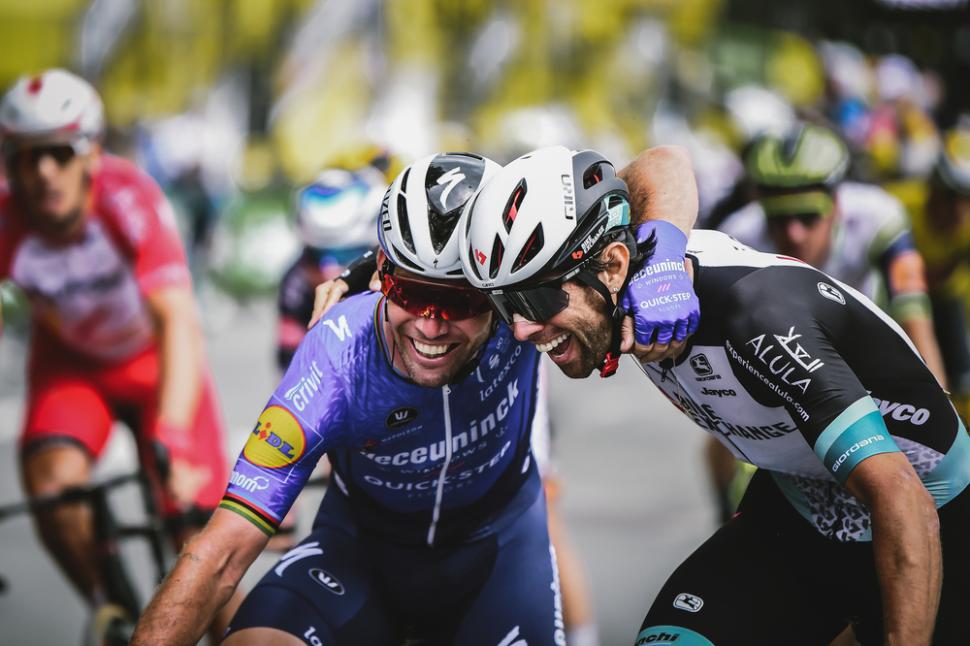
Michael Matthews congratulates Mark Cavendish after Stage 4 of 2021 Tour de France (Credit: Pauline Ballet, ASO)
Michael Matthews has shed some light on his pulmonary embolism diagnosis, telling Daniel Benson on his Substack that he could have died if he continued to train.
The Team Jayco-AlUla cyclist initially believed his problems were down to allergies, but as he struggled to train, he found it was far more serious.
“They said that if I kept doing the training I was doing for another two days, then I could have [died].”
“It was going on for a while. I was doing my normal training, and I just couldn’t breathe. I thought it was just allergies because it was happening all through the Classics and I was getting to the point in a race where I just couldn’t go any deeper and I wasn’t sure if it was a hunger knock, a lack of fitness or I wasn’t good enough but from one moment to the next I had to stop pedalling and it was getting worse and worse.
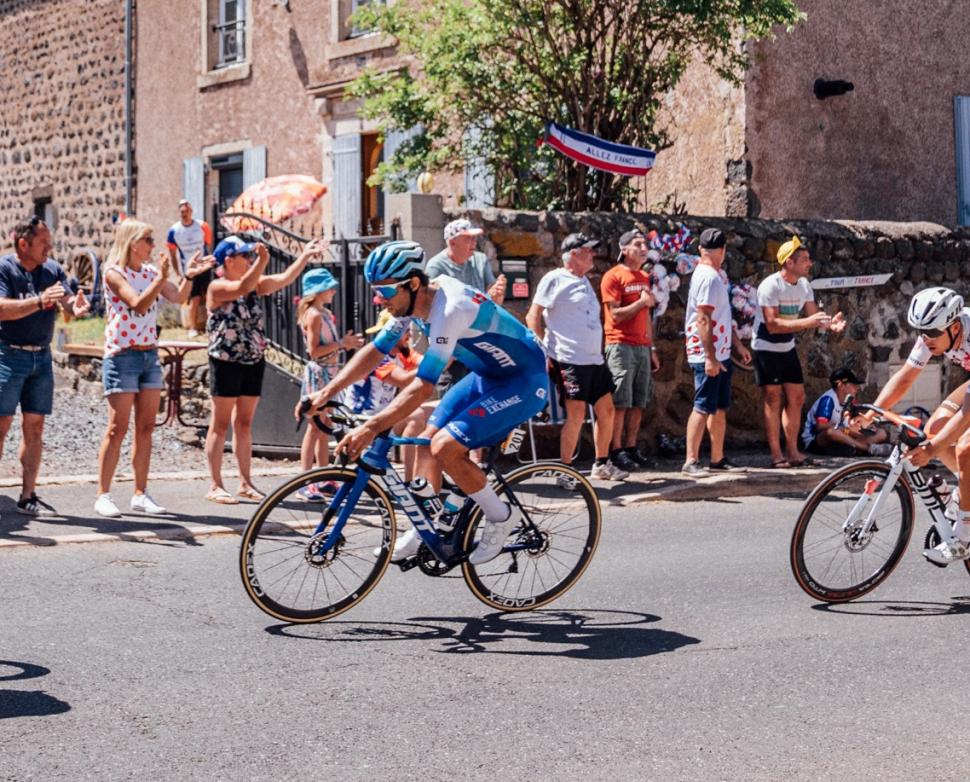
2022 Tour De France – Stage 14 -Saint-Etienne to Mende – France Michael Matthews (Credit: Zac Williams/SWpix.com)
The problem escalated during a high-altitude training camp in Livigno. He said: “I was in Livigno to prepare for the Tour, and I was using this allergy medication for my breathing, but it got to the point where I was doing these efforts that we do every year at the end of the camp, but after one effort, it felt like I was choking underwater.
“I looked to my coach, halfway up this climb, and was doing the ‘I’m dead’ sign, and he said to keep pushing, but I had no air in my lungs, and I couldn’t get my heart rate above 120, which was really strange at altitude.
He ended up stopping the exercise and walking to the town, which made his heart rate jump to 140.
“We went to A&E and did a blood test straight away, and they could see the blood clots straight away. We did a CT scan of my lungs, and they were like ‘holy fuck, this isn’t what a person your age should be like.’
“It was a scary moment in my life,” he says.
The doctors initially warned that his whole career could be over. “We didn’t know how long it would take to fix, or even if we could.”
“I had to stop and start again and again, but I had a really good support crew around me that kept me motivated. We did get the green light to start again, and that felt like I was reborn.”
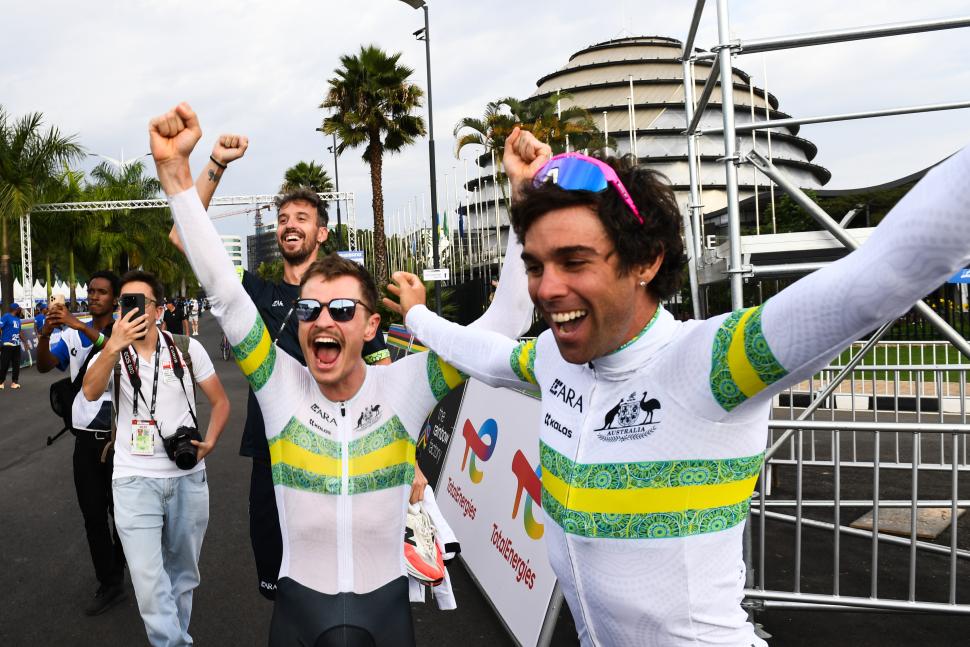
Michael Matthews and Jay Vine celebrate winning the mixed relay TTT for Australia, 2025 world championships, Kigali (Credit: Simon Wilkinson/SWpix.com)
Now back to racing with a clean bill of health, Matthew says the experience has changed how he views cycling.
For me, it was more of a wake-up, and this feels like a second chance for me, and that this happened for a reason. It’s a chance to change my racing style a bit. The whole of cycling has changed, and I also need to change my style tool.
“My thinking at the time was that either my body decided that I had to retire, or I come back and it’s a second chance, so that’s how I’m taking it with all the clots gone. It’s a second chance in cycling and in life,” he says.
“I’m much more aggressive and not just waiting for the sprint all the time. That’s the racing that I want to do, and the team are going to help with that. We’ve built a team that is geared towards rolling the dice a bit and not just sitting back and waiting. It’s all happened at a nice time.”
Matthews is not the only high-profile rider to speak about serious health issues. Sam Bennett recently spoke to road.cc about a heart procedure he underwent in November.
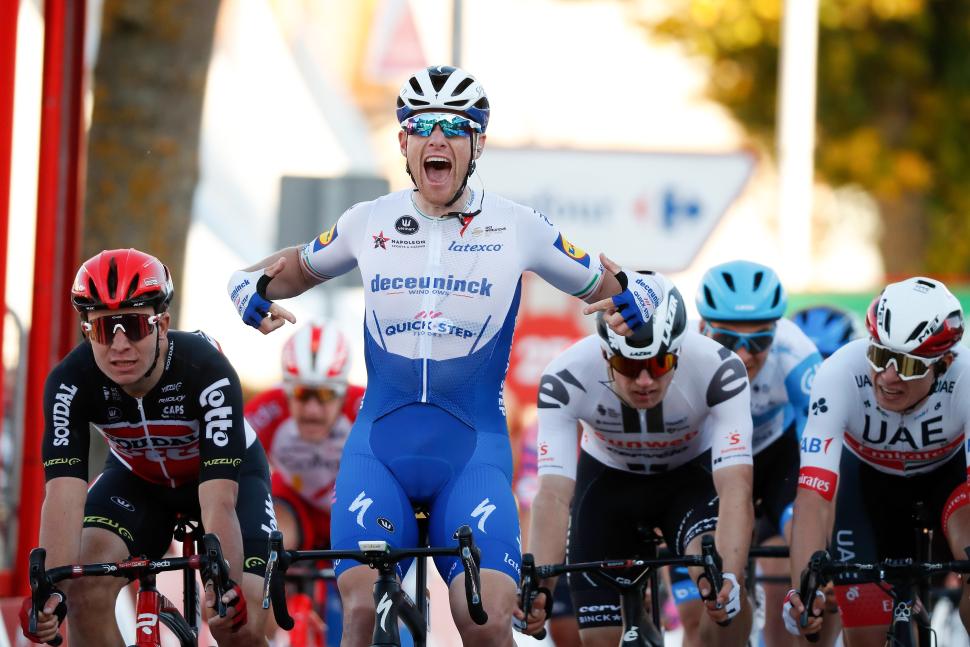
Sam Bennett, 2022 Vuelta (Credit: PhotoGomezSport)
The Irish sprinter revealed he had been diagnosed with atrial fibrillation (AFib), a condition that causes the heartbeat to become irregular and often faster than normal due to disrupted electrical signals in the heart. Just five days after the diagnosis, Bennett underwent an ablation procedure to correct the issue.
Because he was placed on blood thinners following the operation, Bennett was unable to train on the road for several months, with doctors advising it took around three months for his heart to fully heal before he could return to full training.
Bennett also is returning to training determined. He said: “I just want to be in the races competing. I don’t want to be making up numbers, getting killed in every race. I want to be at my best level. And then if I reach that, then of course if I hit certain targets, that I get my opportunity in Grand Tours, or whatever it may be.