

Listen to this article
Estimated 2 minutes
The audio version of this article is generated by AI-based technology. Mispronunciations can occur. We are working with our partners to continually review and improve the results.
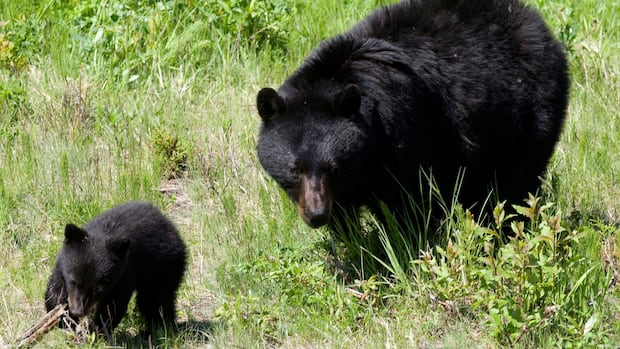
New figures suggest fewer black bears were killed in British Columbia in 2025 than in each previous year over the last 15 years.
The B.C. Conservation Officer Service (BCOS) says officers killed 211 black bears last year — the lowest annual total since predator statistics began getting published online in 2011, and a 65 per cent drop from the record high in 2023.
Of the 211 bears, 178 were “dispatched,” meaning they were killed for public safety reasons, such as a human-wildlife conflict, and 33 were euthanized, meaning they were killed for welfare reasons, such as critical injuries.
Another 29 bears were killed by other entities, according to BCOS.
The West Coast region, which covers Vancouver Island, the Central Coast and Haida Gwaii, saw the most bears killed for public safety reasons, coming in at 47, while the Okanagan reported the most euthanizations with eight.
Garth Mowat, a large carnivore specialist with the province, says a large berry crop across the B.C. Interior last year may have led to fewer bears in communities, as abundant food sources often lead to fewer conflicts between bears and people.
Cam Schley with the Conservation Officer Service says many conflicts between humans and bears are preventable.
“Officers continue to work collaboratively with and engage communities, organizations and businesses on public education and outreach to help keep people safe, and wildlife wild,” said Schley.
Provincial statistics show an average of 560 black bears have been killed each year over the last 15 years, by conservation officers and other entities. Black bears are also harvested yearly during two hunting seasons, which, on average, results in 5,000 more bears killed each year.