
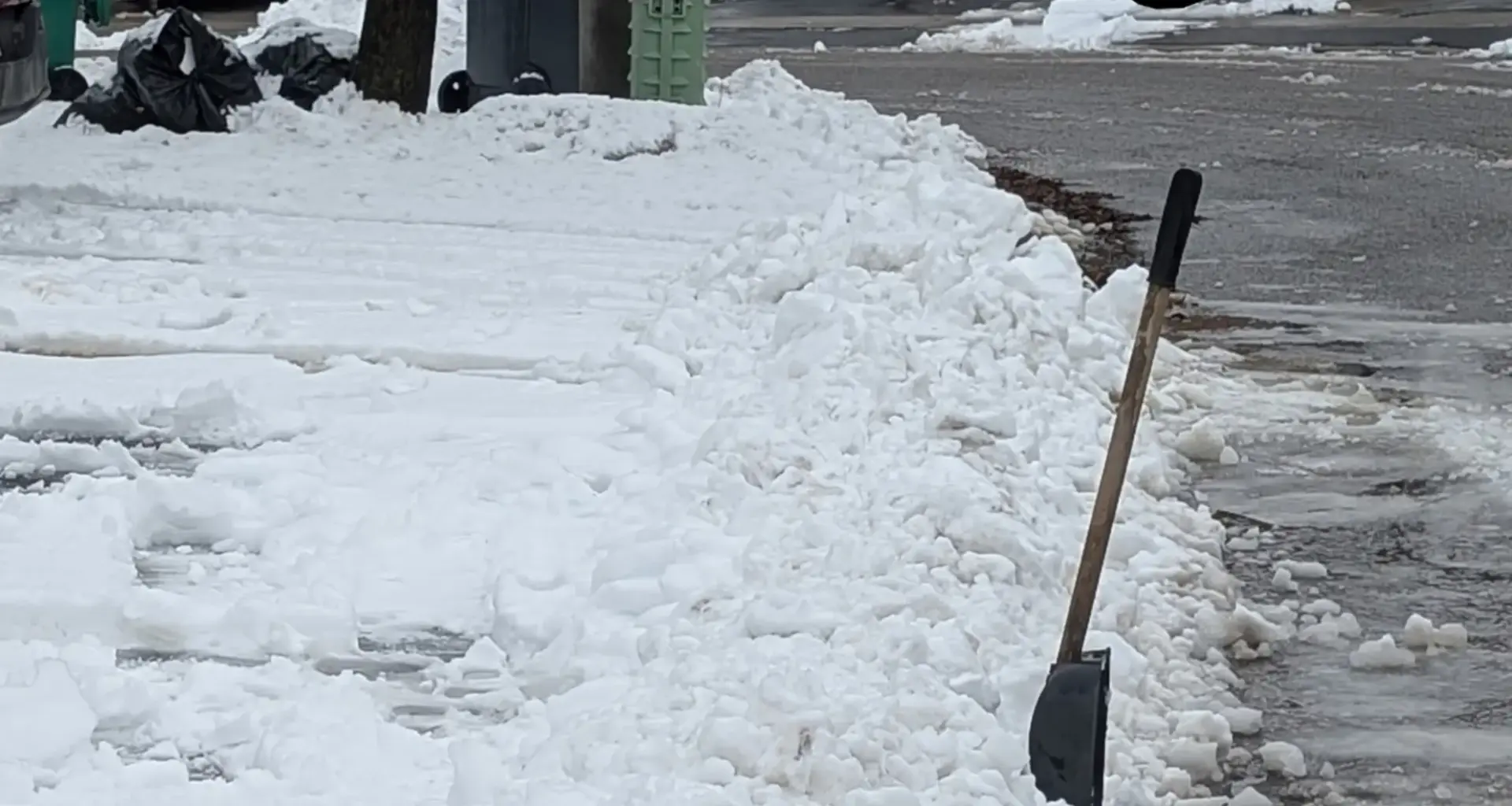
What to know
A Brampton East resident has launched a petition calling out snow plows for leaving large windrows that block residential driveways and create safety risks.
Caregivers and seniors say the driveway-blocking snow piles can prevent them from leaving home in emergencies and have led to slips and falls.
The petition had nearly 4,200 signatures at the time of publication, with residents saying the issue has persisted for multiple winters.
The City of Brampton says adding windrow clearing would require a property tax increase, noting only 41 per cent of residents supported the cost during a recent budget consultation.
As the GTA prepares for another brutal snowstorm, one Brampton resident says the city’s snow plow system is creating more problems than it solves.
An online petition led by Brampton East resident Sanjay S. calls out the City of Brampton for its snow removal process, where plows clearing roads end up pushing massive piles of hard snow to the end of residential driveways, ultimately blocking residents from accessing their homes.
The wall of snow — known as a windrow — creates a laundry list of problems, which Sanjay says only adds to already harsh winter conditions.
WINDROWS ARE MORE THAN JUST AN INCONVENIENCE
Sanjay tells Now Toronto the issue is incredibly frustrating for residents who do their part to keep driveways and sidewalks clear, while he feels the city isn’t upholding its end.
“We expect the city to clean the roads,” he said. “All this money that we are paying to the government through property taxes, and they’re putting it back into our driveway — it’s quite frustrating.”
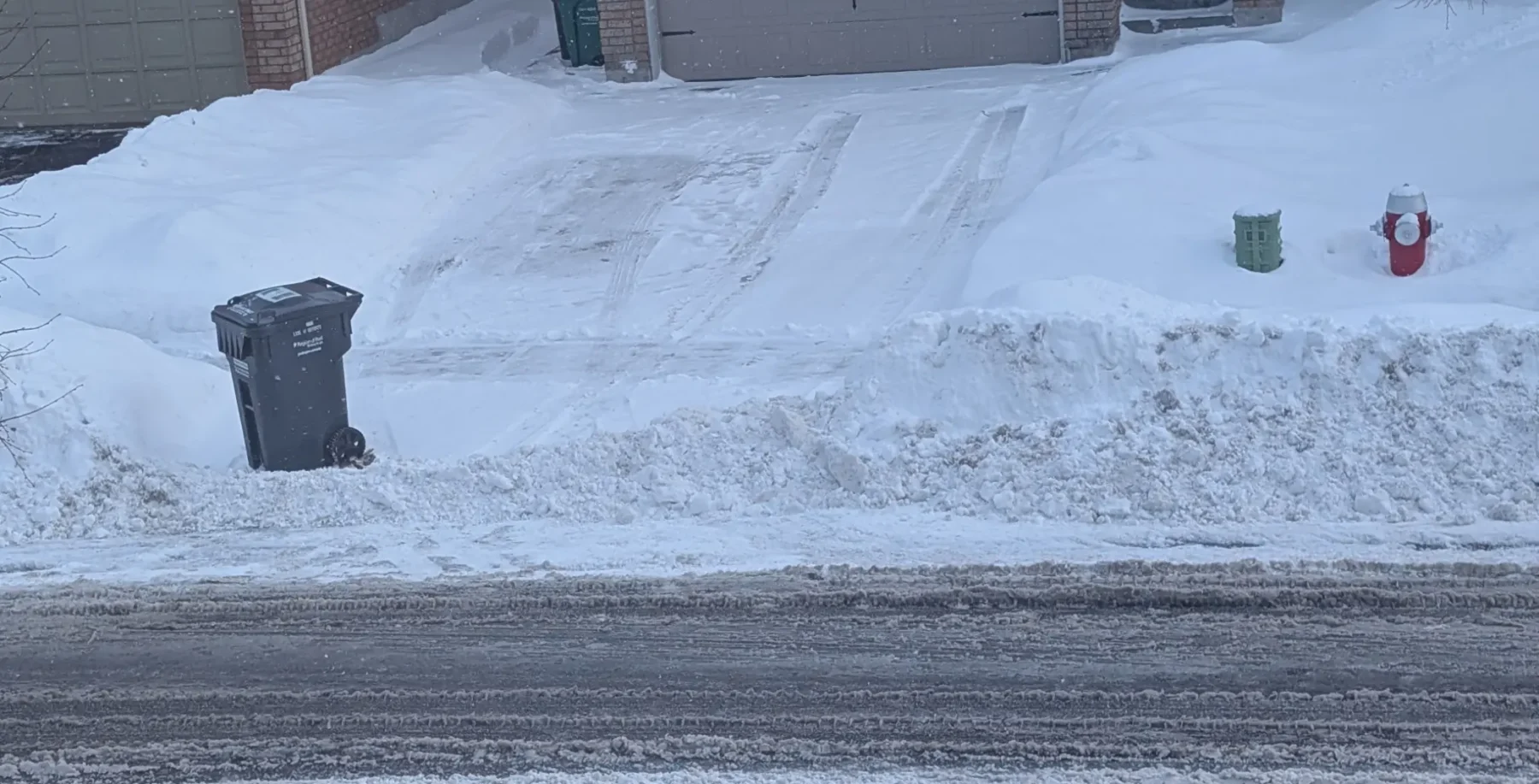 Windrow left by a city snowplow on a Brampton residential street.
Beyond being an inconvenience, Sanjay says his biggest concern is the impact windrows have on accessibility and safety. Comments under the petition from caregivers and seniors share similar concerns, including being unable to leave home in the event of an emergency and repeated pileups — sometimes occurring twice in a single day.
“We have seniors here, and we need to take care of our parents, our grandparents, and our kids,” he said. “I’ve seen a few people actually slip and fall because of this. These windrows just create an extra hazard.”
With nearly 4,200 signatures at the time of publication, Sanjay says the response is proof that residents are fed up with an issue he says has persisted over the last few winters.
“That just echoes everyone’s thought process of this frustration, like, ‘hey, this is actually a real issue,’” he said. “With the current cost of living, with property taxes increasing year over year, we’re paying for these services, but they’re not helping us. They’re putting more work on us. That just doesn’t make sense.”
CITY ACKNOWLEDGES FRUSTRATION, POINTS TO COST CONCERNS
Since Dec. 1, 2025, the City of Brampton has received more than 5,000 snow-clearing service requests. During that same period, 369 vehicles were towed and more than 9,400 tickets were issued for obstructing snow-clearing operations.
A city spokesperson tells Now Toronto it understands residents’ frustrations with windrows but says expanding snow removal services would come with significant cost implications.
City officials say residents have been consulted several times about adding windrow clearing, most recently during a telephone town hall earlier this week for the 2026 budget. Only 41 per cent of the more than 5,800 participating households supported an average annual property tax increase of approximately $92 to fund the service.
Instead, the city says it is focused on maintaining affordability while prioritizing major roadways and emergency routes during winter storms, noting snow clearing can take up to 48 hours after a snowfall ends.
Brampton also offers a Snow Removal Financial Assistance Program to support vulnerable residents.
“It helps seniors and people with disabilities with the cost of hiring a service provider to clear snow from sidewalks and driveways,” the city said. Eligible residents aged 65 and older, as well as individuals living with disabilities — including homeowners and renters — may apply for a grant of up to $300 for non-corner lot properties or $400 for corner lots.
With thousands backing the petition, Sanjay hopes it sends a clear message to city officials.
“It’s causing serious safety concerns,” he said. “We pay property taxes for convenience, but this is making life more inconvenient.”