
As well as affecting your health, weight and energy levels, what you eat has consequences for your libido, with diet impacting sex hormones, blood supply and mood. “People who have consistently low libido tend not to have healthy dietary patterns,” says Dr Federica Amati, head nutritionist at Zoe and nutrition lead at Imperial College London. “If your libido’s low, you probably aren’t nourishing yourself very well.” Apart from affecting your sex life — which is bad enough — this matters because libido is a good marker for overall health. “If you’ve got a good sex drive, it shows that your metabolic health and hormonal balance is working well,” she says. So for better health, better wellbeing and better sex, here’s what she recommends you eat.
Aim to follow a Mediterranean diet
“No prizes for guessing what kind of diet supports libido best,” says Amati, author of the bestselling Every Body Should Know This: The Science of Eating for a Lifetime of Health (Penguin, £8.99). “You want to have a nice Mediterranean diet. It’s rich in omega-3 fatty acids, plant-based proteins from beans and whole grains, nuts and seeds, lots of antioxidants from colourful fruit and veg, and is made up of lower glycemic index foods. And it improves libido and sexual function overall.” The diet’s anti-inflammatory compounds benefit heart and vascular health, improving blood flow and promoting better circulation, including to the sex organs.
And what not to eat? “The flip side is, people with diets high in highly refined carbohydrates and very high glycaemic load — buns, pastries, crisps and white bread — tend to have lower libidos because regular consumption of highly refined carbohydrates causes repeated spikes in blood sugar and insulin, which promotes inflammation, oxidative stress, and unhealthy blood vessels. This disrupts sex hormone production (including testosterone), lowers libido, and contributes to cardiovascular disease, weight gain, fatigue and mood swings,” Amati says.
• How to cheat the Mediterranean diet (when you’re back home)
Nuts and seeds are rich in zinc and B vitamins, which help the body produce sex hormones
“There are specific micronutrient deficiencies — most importantly zinc and B vitamins — that are associated with low libido because they impair sex hormone production,” Amati says. To help our bodies make the optimal amounts of sex hormones, we need plenty of these zinc and B vitamins in our diets.
“Nuts and seeds contain zinc, omega-3s and healthy fats. When it comes to libido, sexual health and fertility, for me, they’re top of the list,” Amati says. Seafood too is rich in zinc — oysters contain omega-3 fatty acids and are an exceptional source of zinc. “B vitamins are found in leafy greens for the most part, legumes and whole grains. Vitamin B12 is found in meat and eggs as well. But leafy greens, legumes and whole grains are the best sources, especially if you’re trying to reduce cardiovascular risk and improve blood flow and metabolic function.”
What about big juicy steaks and their association with being “red-blooded”? They contain B12 and zinc but, Amati says, “big juicy steaks regularly are not good for cardiovascular health, they increase your risk of type 2 diabetes and aren’t good for your gut microbiome”.
• Cashews, pecans or pistachios? The health benefits of your nuts
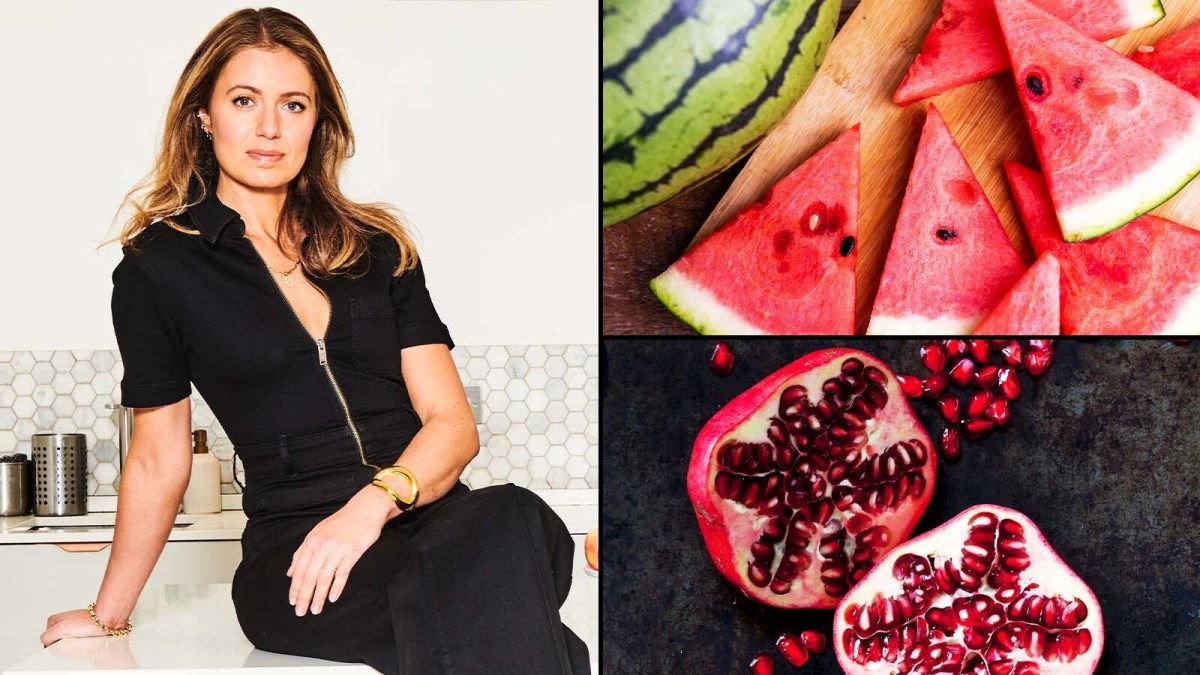
Midlife men — eat pomegranates and watermelon to help boost blood flow
Pomegranates are rich in antioxidants that support blood flow
GETTY IMAGES
Improve your vascular health and you will boost your libido. “Cardiovascular health is closely linked to libido and to sexual dysfunction in men,” Amati says. This is because the underlying cause of erectile dysfunction is often the narrowing and hardening of the arteries, which leads to poor blood flow. “If you’re able to look after your cardiovascular health, you’ll be able to look after your erectile health,” she says.
Amati recommends eating plenty of plants, “particularly those in their whole form — fruits, vegetables, wholegrains, nuts, seeds, legumes”. She adds: “Pomegranate, which contains antioxidants — which protect your cells from damage — is particularly associated with improved vascular health. The whole fruit is wonderful but there’ve been a number of trials on erectile dysfunction and pomegranate juice — it works quite well. You don’t have to drink loads of it.” She recommends 120-240ml per day. Watermelon, beetroot and beetroot juice are also beneficial. “The flavonoids in dark chocolate are not only anti-inflammatory, they increase circulation,” Amati adds.
• The 10 ways to lead a healthier, longer life
Avocado and olive oil (extra virgin) help with hormone regulation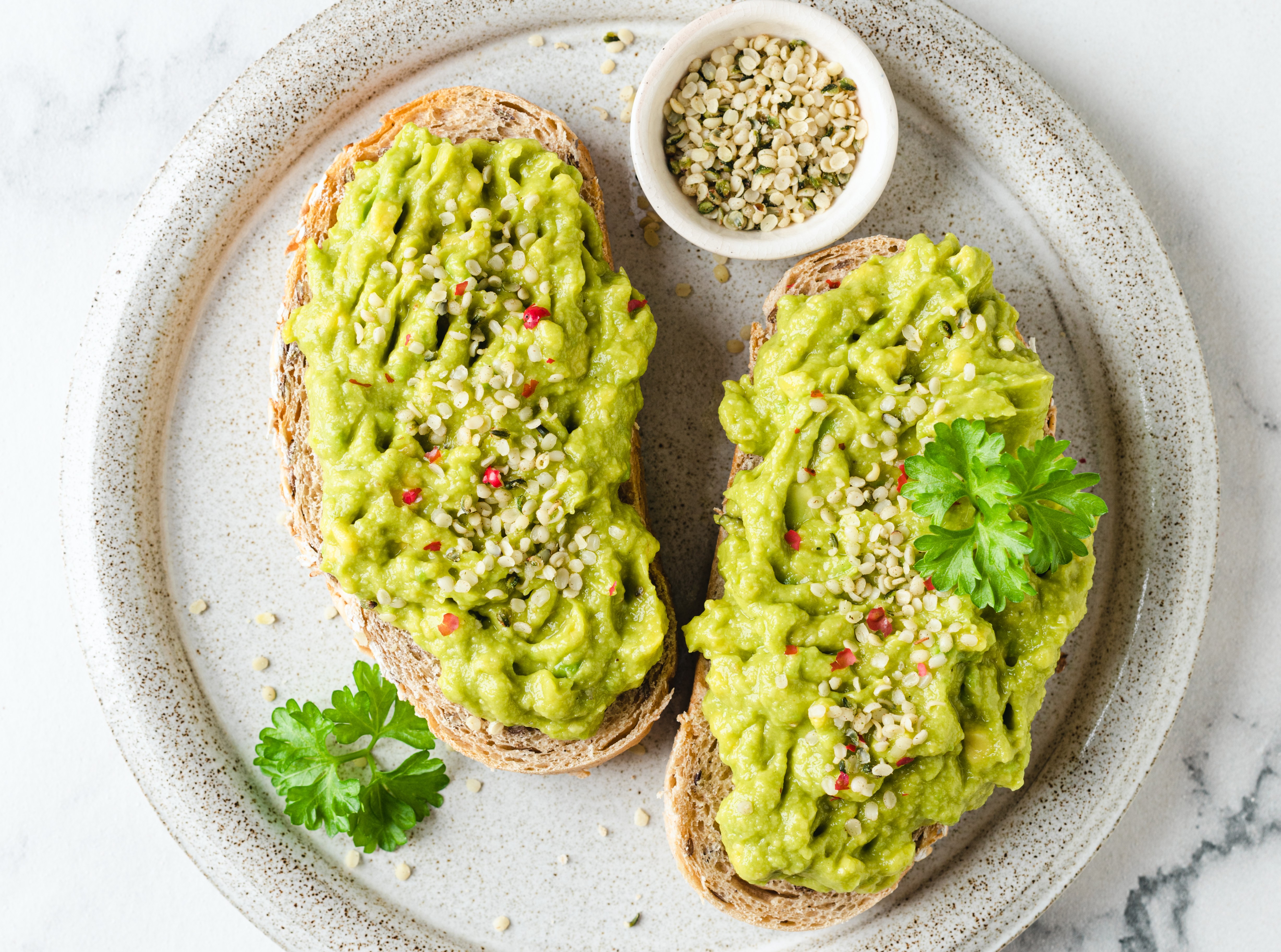
Avocados provide healthy fats that help regulate hormones and support a healthy sex drive
GETTY IMAGES
You can’t really make healthy hormones if you don’t have fats in your diet, Amati says. This is because fats are essential building blocks for hormones like oestrogen, progesterone and testosterone (as well as having many other essential roles, from vitamin absorption to brain function, all of which affect hormonal health). “Your liver makes the cholesterol needed for sex hormone regulation,” she says. “Eating healthy fats helps your liver, giving it the building blocks it needs.”
The best sources are avocados, extra virgin olive oil, nuts and seeds. “People still fear nuts because of the fat and calories they contain but they shouldn’t,” she says. If you’re eating whole nuts, you won’t absorb up to 40 per cent of the nut anyway, because its tough structure makes it hard for the body to digest. (Eating a handful of nuts daily — 20g to 30g — is recommended.)
Omega-3 fatty acids are vital too. They are anti-inflammatory, promote healthy blood flow, help maintain healthy testosterone levels and boost mood. According to the latest UK Biobank data, 80 per cent of us don’t get enough. Salmon or other oily fish, twice a week, will boost libido and reproductive health. To oily fish refuseniks, Amati says: “Have you tried buying tinned mackerel or sardines and serving them as you would a tuna mayo sandwich? You could add anchovies to broccoli dishes — or basically anything.”
• I’m an olive oil connoisseur — these are the best bottles to buy
Women — make sure you’re eating enough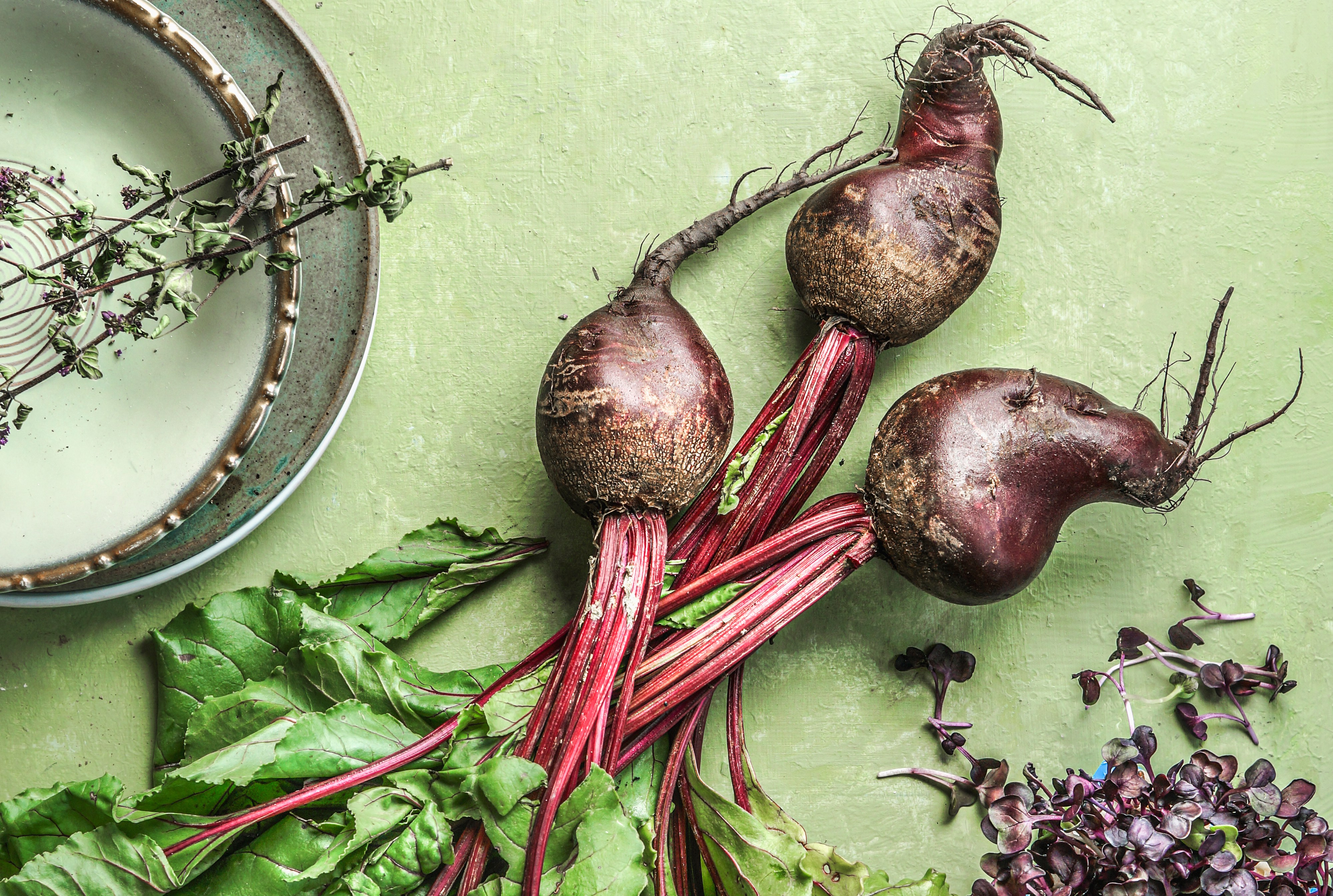
Beetroot supports heart health and libido
GETTY IMAGES
Around midlife, especially for women, libido does tend to drop, Amati says. “When sex hormones are impacted, as with menopause, there will be an effect.” If you’re not taking HRT, there are specific foods that may help. Soy-rich products like edamame, tofu, miso and tempeh are high in plant compounds called isoflavones, which can have mild oestrogen-like effects. A review of foods with influence on sexual and reproductive health, published in a journal in America’s National Library of Medicine, concluded that isoflavones “improve sexual health of menopausal women”.
Whatever your life stage, fuel yourself well, Amati says — women who don’t eat enough have lower libidos. This is because chronic under-eating in women suppresses the hormones that run the reproductive system, she says. It’s to save energy, as your body prioritises survival. “The hypothalamus (a part of the brain that coordinates the endocrine system) reduces secretion of gonadotropin-releasing hormone, which leads to reductions in luteinising hormone and follicle-stimulating hormone. This, in turn, lowers oestrogen and progesterone levels and can impair ovulation. Reduced circulating sex hormones are closely linked to diminished libido and sexual function.”
Amati cites a 2004 study on the neuroendocrinology of nutritional infertility, published in an American journal of physiology, which reports that undereating or expending more energy than you take in can inhibit “female copulatory behaviours”. She says: “If you’re consistently not getting enough calories, usable energy and nutrients to support hormonal, metabolic, reproductive, musculoskeletal and neurological function, your libido will tank.”
• Women over 45 — your fast guide to good health
Men — high body fat levels can lower testosterone
“Men who are overweight or obese have lower libidos,” Amati says. This is because fat cells produce an enzyme called aromatase, which converts testosterone to oestrogen. Oestrogen is a vital hormone for both sexes — its anti-inflammatory properties promote cardiovascular health. But the more body fat, the more aromatase, which results in more testosterone being converted to oestrogen. “So you can have a man who is producing enough testosterone, but if he’s carrying a lot of body fat a lot of the testosterone will be converted to oestrogen, leaving him with low testosterone,” Amati says. “As a result his libido will be really low.”
Leptin resistance (when the brain stops responding properly to the hormone leptin, which signals when we are full, contributing to obesity as it increases hunger, slows metabolism and drives weight gain) also influences libido. “When I explain to my male patients that if they lose some of their body fat, their testosterone conversion will be better, it’s a good motivator,” Amati says. She cites a meta-analysis on obesity and sexual desire, published in 2025 in the Journal of Sexual Medicine, which concluded that weight-loss interventions, including dietary changes and bariatric surgery, significantly increased both sexual desire and the total amount of testosterone in the blood.
• Read more expert advice on healthy living, fitness and wellbeing
It’s not sexy, but fibre is key
Eating plenty of fibre might not sound sexy but it lays the groundwork for a healthy libido. “Fibre is part of the process of achieving good cardiovascular health and good metabolic health because it helps to regulate the absorption of nutrients,” Amati says. Fibre also plays an enormous role in reducing inflammation. We should get at least 30g of fibre a day. Amati recommends nuts because not only do they contain fibre and omega-3s, they are also a good source of L-arginine, an amino acid the body uses to produce nitric oxide, which relaxes blood vessels, improves blood flow and lowers blood pressure.
So if you’re planning a hot date night, Amati recommends a handful of nuts, oysters and vegetables, maybe a beetroot salad with pomegranate, followed by strawberries dipped in dark chocolate. Though do remember, she says, that “it’s about your consistent diet, not the one meal”.
As told to Anna Maxted