

NASA has unveiled a new version of its exoplanet-hunting artificial intelligence model, ExoMiner++, capable of analyzing large-scale datasets from space telescopes. In its initial application to data from the Transiting Exoplanet Survey Satellite (TESS), the model flagged more than 7,000 signals as exoplanet candidates.
Built on the foundation of earlier work with the Kepler mission, ExoMiner++ is trained on data from both Kepler and TESS. This development reflects a broader effort within NASA to expand the use of open science tools, allowing researchers worldwide to access and build on advanced models for planetary discovery.
An Open-source Model Trained On Two Missions
ExoMiner++ was developed by a team at NASA’s Ames Research Center in California’s Silicon Valley. The original version of the model, simply called ExoMiner, made headlines in 2021 after it successfully validated 370 new exoplanets using Kepler data. According to NASA Science, the upgraded model incorporates datasets from both the Kepler and TESS missions, taking advantage of their complementary observation styles. Kepler focused deeply on a small region of the sky, while TESS scans nearly the entire celestial dome.
The model is designed to assess transit signals, brief dips in a star’s brightness that may suggest a planet passing in front of it. While not all such signals indicate planets, some are caused by binary stars or noise, ExoMiner++ applies deep learning to filter through massive amounts of data and determine the most likely candidates. The 7,000 targets flagged in the first TESS run are now marked for potential follow-up by ground-based telescopes.
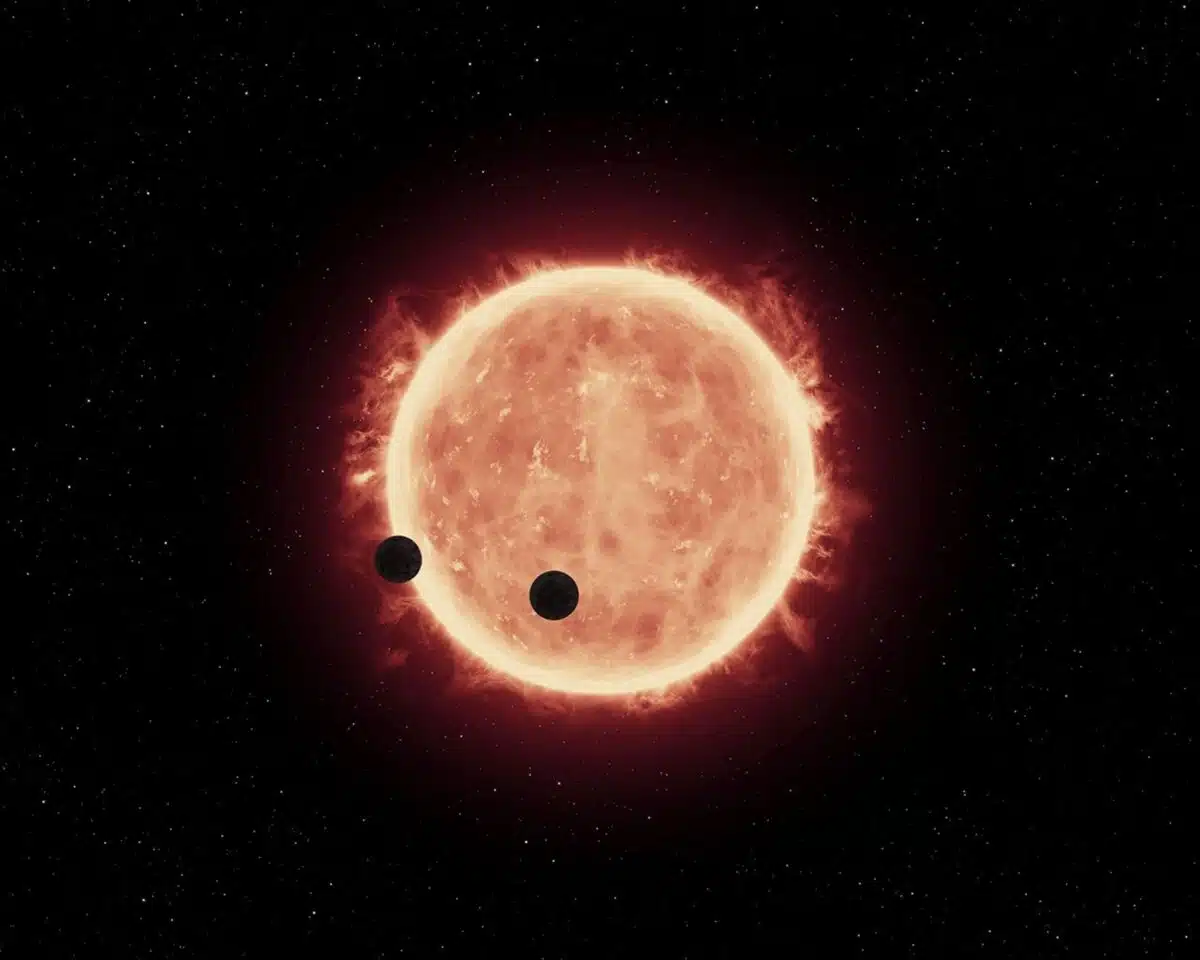 This visual shows two planets passing TRAPPIST-1. NASA’s ExoMiner++ AI detects new exoplanets in mission data. Credit: NASA, ESA, and G. Bacon (STScI)
Open Access as a Catalyst for Discovery
A central feature of ExoMiner++ is its open-source availability. According to Kevin Murphy, NASA’s Chief Science Data Officer, “open-source software like ExoMiner accelerates scientific discovery.” The model can be freely downloaded from GitHub, enabling any qualified researcher to analyze public TESS data and search for planets.
This transparency aligns with NASA’s broader Open Science Initiative, which prioritizes the public sharing of tools, research, and results.
“Open-source science and open-source software are why the exoplanet field is advancing as quickly as it is,” explained Jon Jenkins, an exoplanet scientist at NASA Ames.
The public nature of ExoMiner++ invites collaboration and replication, both critical in scientific validation and expansion.
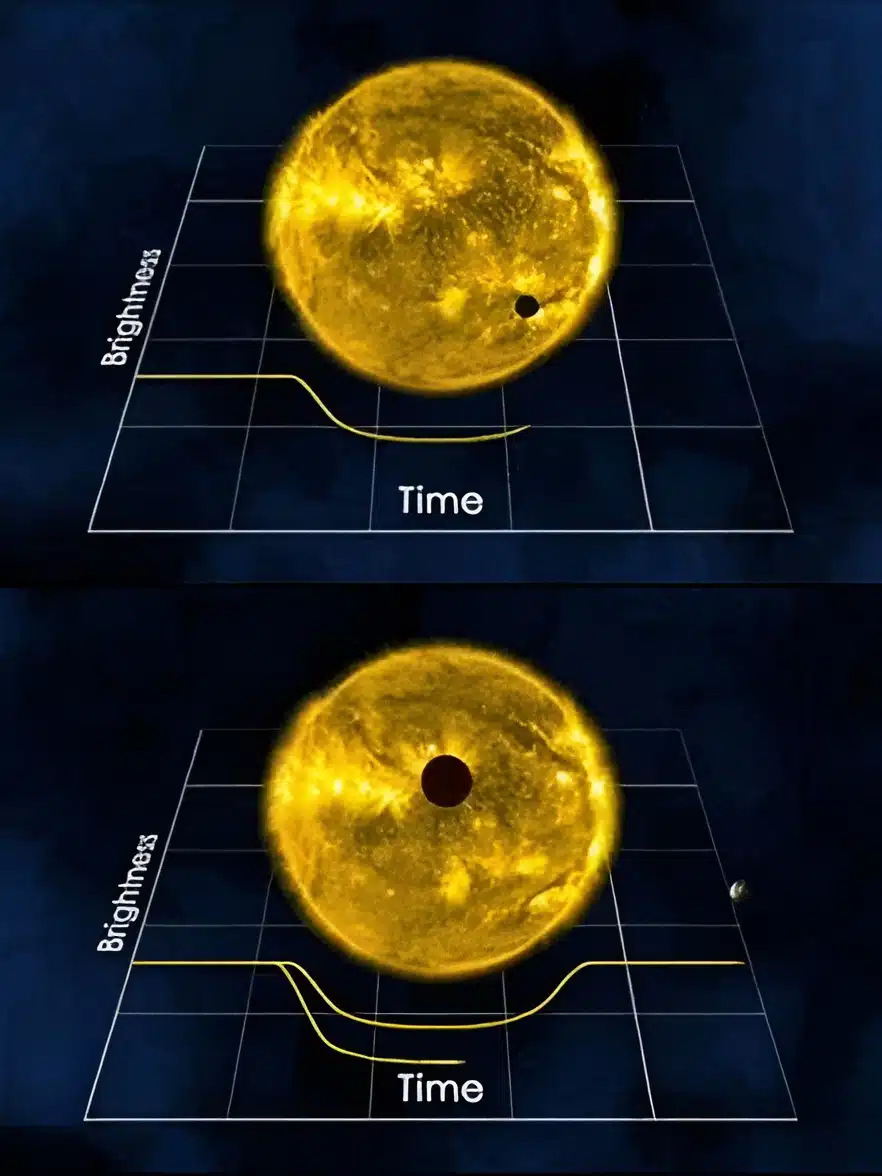 This animation shows how NASA detects exoplanets through tiny dips in starlight, with ExoMiner++ using AI to confirm real transits. Credit: NASA, ESA, and G. Bacon (STScI)
Preparing For A Data-rich Future
While ExoMiner++ currently requires a pre-filtered list of candidate signals to operate, developers are working on an updated version capable of detecting those signals directly from raw data. This would reduce the manual workload and further streamline exoplanet discovery. As explained by Miguel Martinho, co-investigator of ExoMiner++ and KBR employee at NASA Ames:
“When you have hundreds of thousands of signals, like in this case, it’s the ideal place to deploy these deep learning technologies.”
The upcoming Nancy Grace Roman Space Telescope is expected to deliver tens of thousands of additional transit observations. Like TESS, its data will be made publicly available. NASA’s Office of the Chief Science Data Officer continues to lead these efforts in open science, emphasizing reproducibility and transparency. The model’s current results suggest a promising new phase in the ongoing search for worlds beyond our own.