
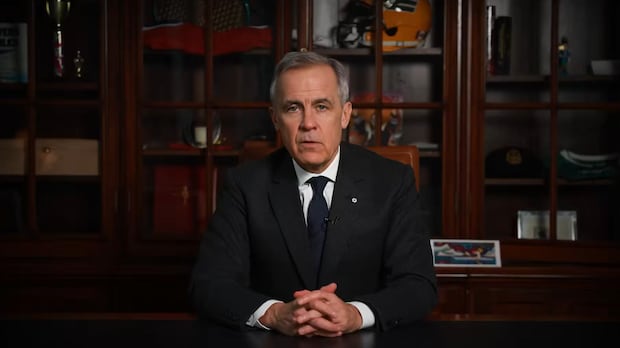
Tariffs — or the threat of tariffs — have been a repeat strategy for Trump
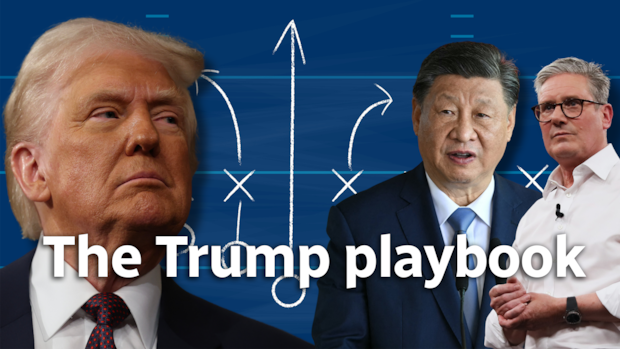
Why Trump keeps making big threats — then backing off
There is a clear pattern to U.S. President Donald Trump’s tariff negotiations. Andrew Chang explains four key steps to Trump’s playbook, to what extent they work — and at what cost. Plus, why Canada’s critical minerals are so attractive to the U.S.
Hey all! I’m Anya Zoledziowski, a senior writer with CBC’s news desk.
For nearly a year, Trump has been using tariffs — or the threat of them — as a major strategy when negotiating with other countries, including typical U.S. allies. So, today’s news likely doesn’t carry that shock and awe that similar headlines did in 2025.
As CBC’s About That explains, Trump seems to be following a defined playbook: first, he issues a maximalist threat — like, 100 per cent tariffs — then, he lets the threat simmer to create negotiating leverage. He then pulls the tariff threat back — with delays or decreases. Finally, the U.S. president frames the outcome as a “historic win,” thus justifying the move.
But will Trump’s strategy ultimately backfire? After all, it’s precisely this tariff strategy that likely pushed Carney to deliver his now-viral speech in Davos, where he called out a “rupture” in the world order. Officials around the world have already expressed concern over Trump’s tariffs, and this week, headlines and opinion pieces supporting Carney’s speech popped up in foreign newspapers, including the New York Times, France’s Le Monde and Poland’s Gazeta Wyborcza.