

Listen to this article
Estimated 4 minutes
The audio version of this article is generated by AI-based technology. Mispronunciations can occur. We are working with our partners to continually review and improve the results.
Applications are now open for an initiative that aims to plant more trees around Prince Edward Island — including in your own backyard.
It’s called the PEI 2 Billion Trees program, and it’s run by the province’s forest, fish and wildlife team and administered by the P.E.I. Watershed Alliance.
Islanders can volunteer their property as a plot for seedlings grown in a provincial nursery in exchange for a revamp of their landscape. The manual labour is taken care of free of charge.
“It’s for anyone who wants to create a canopy on their lawn,” said Kassidy Matheson, the 2 Billion Trees co-ordinator with the watershed alliance. “Everywhere on the Island is part of a watershed actually … so you can apply anywhere on the Island.”
Program’s roots
The program began in 2022 with support from the federal government, which is picking up half of the $3.3-million cost over three years. It’s part of the federal iteration of the 2 Billion Trees program, meant to bring Canada closer to net zero emissions by 2050.
According to P.E.I.’s Environment Department, the program aims to help landowners plant native tree species in areas that are currently unforested, and to replant forested sites that were damaged by post-tropical storm Fiona in 2022.
The eligibility requirements are simple: own your own land (or have permission to alter it), and be willing to take in a minimum of 50 seedlings.
Matheson also asks that those who apply have a clear path for planters to have easy access to get the job done.
“With Fiona, there’s definitely a lot of debris still down, so that would have to be cleared, for the most part, if we were to come in,” she said.
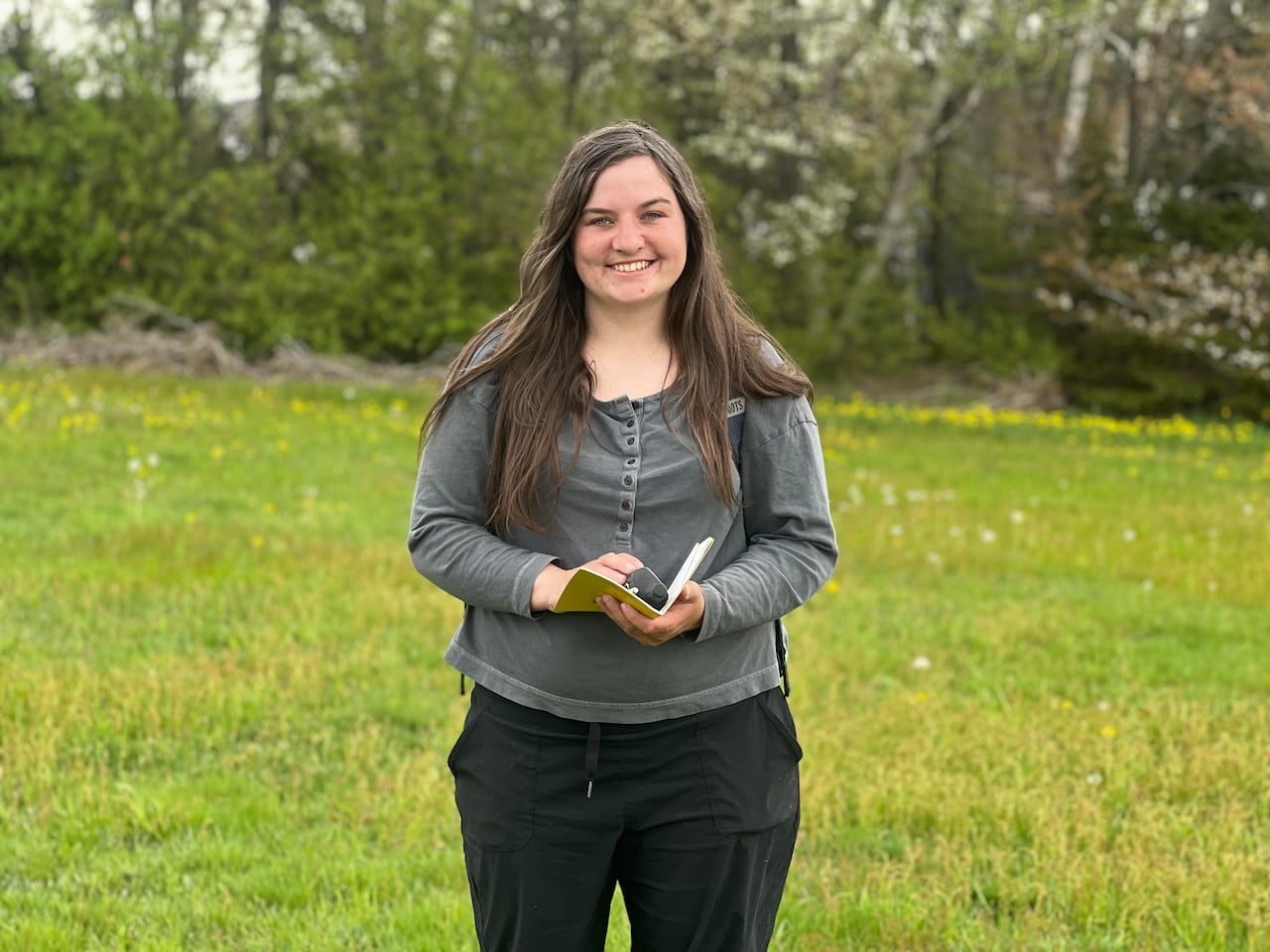 Kassidy Matheson , the PEI 2 Billion Trees program co-ordinator, says there will be a total of six species planted, all of which are native to the Island. (Rob LeClair/CBC)‘The right spot’
Property owners can also take creative control over where the trees are planted — for the most part. Anyone hoping to get a luscious privacy fence, Matheson said they can make that happen, so long as owners opt for one that is a few rows deep.
“We ask them to plant them at least four lines thick because the program is more about creating forested patches rather than just, sort of privacy lines, ” she said.
“Trees have so many benefits, so it can also provide nice privacy borders … but it’s all just about creating a healthier landscape overall.”
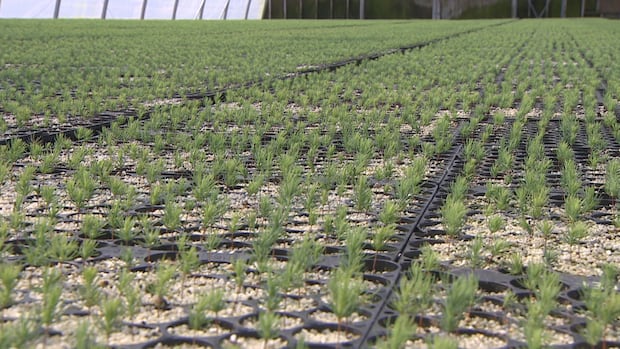
Saplings will be spaced two metres apart, and are all species native to the Island. A total of six species will be planted: red maple, white pine, yellow birch, white spruce, white birch and eastern hemlock.
When it comes to tree planting, Matheson said the secret to success is diversifying what species grow in what areas. That way, forests are more resilient to certain weather conditions or pests.
“I think a lot of us saw it in Fiona when we lost a lot of our spruce stands. The idea is that if we can get diversity for trees in a forest, they’re going to be more resilient,” she said.
“Their root networks are going to be different, so they’ll help tie each other down … or certain trees are more wind resistant. It’s all about putting the trees in the right spots.”
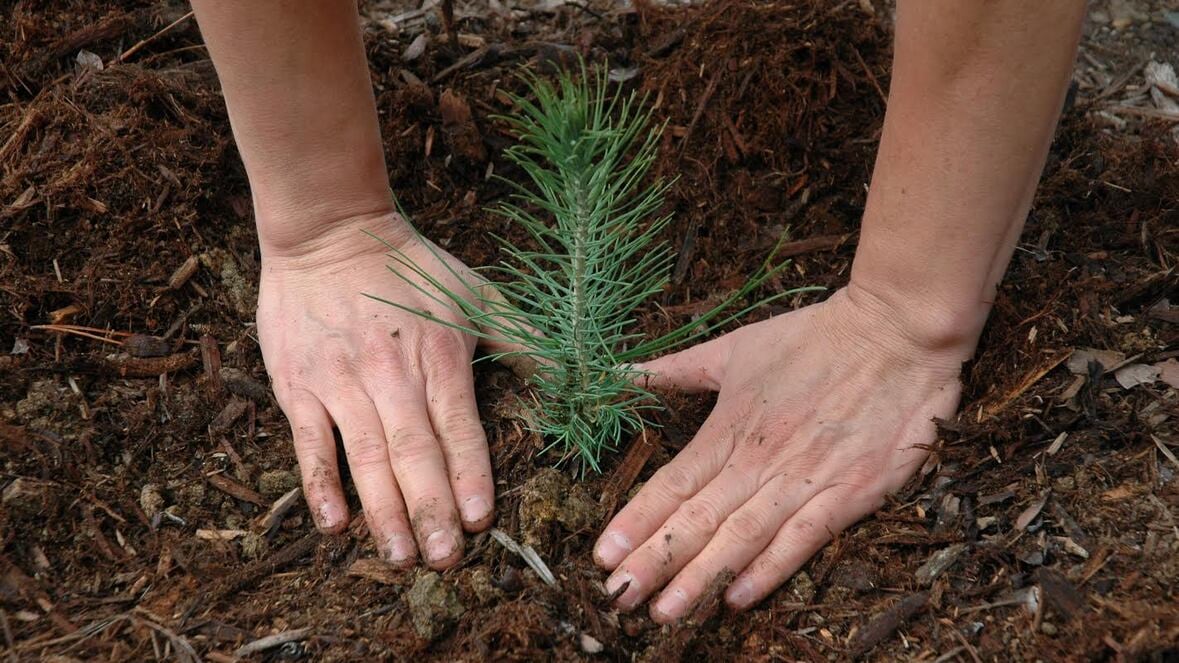 Matheson says Islanders must be willing to take on 50 tree seedlings minimum to participate. (Free Images)
Following a summer of very hot, dry conditions, the province decided to delay all tree planting efforts this past fall, impacting P.E.I.’s planting goals for the year. Officials with the province said 350,000 trees will be planted in the spring across several programs.
“Last year with the drought, we didn’t get as much planting done as we had hoped,” Matheson said. “We got just about 10,000 trees in, but the goal is 100,000 each year.”
Planting will begin in the spring for those that were delayed last year, and this year’s applicants will likely have their seedlings planted in the fall — so long as mother nature co-operates.
Applications are open for the 2026 season, and can be accessed on the province’s website. All applications will be processed on a first-come, first-serve basis.
There is no set deadline to apply, but Matheson said they will close applications once all trees have been claimed.