

Thousands of monkeys kept as pets in England could be seized and even put down, as figures suggest many owners may miss a deadline to legally keep them.
There are an estimated 5,000 primates kept as pets in private settings across the UK, many of which are squirrel-sized marmosets and tamarins. Researchers have blamed social media videos for fuelling the trend.
However, many are kept in tiny enclosures without enough daylight and are fed the wrong diet, leading animal welfare campaigners to call for a ban on keeping them as pets. Vets have backed a ban, saying it is almost impossible for private owners to care for them properly.
Rishi Sunak’s government responded by saying owners would have to open up their home to councils to win a licence, which officials said amounted to a ban because the standards were so high.
Owners must obtain a licence by April 6, after which keeping a primate without one becomes illegal and punishable by fines.
Yet figures show local authorities in England had only received three applications by the start of November, despite the application window being open for a year.
“Since their announcement two years ago, successive governments have singularly failed to raise awareness of these regulations and their implications,” said Chris Lewis of Born Free, the charity that obtained the numbers using freedom of information laws. “Without full compliance, primates remain at serious risk of enduring neglect, poor living conditions and hidden suffering.”
Without an 11th-hour campaign to raise awareness of the licensing rules, it is feared that thousands of common marmosets and other animals could be removed by councils.
Local authorities said owners would be given time to meet regulations. But the standards — which cover enclosure sizes, indoor and outdoor access and UV light levels — are considered zoo-level and campaigners said they would be difficult to meet, even for people with detached homes and big gardens.
The hidden nature of the pet population means enforcement requires councils to be tipped off by neighbours and other sources. However, about 250 larger primates such as lemurs and spider monkeys would be easy for the authorities to track down should their owners miss the deadline, because their details are held via a separate licensing regime for dangerous wild animals.
As a last resort for primates that are removed in poor health, some could be euthanised. Lewis said: “As soon as the local licensing authority seizes an animal, it becomes their responsibility. If primates have serious health conditions, there will have to be decisions made as to what is the kindest thing for that animal.”
A small number may be rehomed in sanctuaries. Sarah Hanson, director of the charity Wild Futures, which runs a sanctuary in Cornwall, has seen the poor state that some private pets have been kept in.
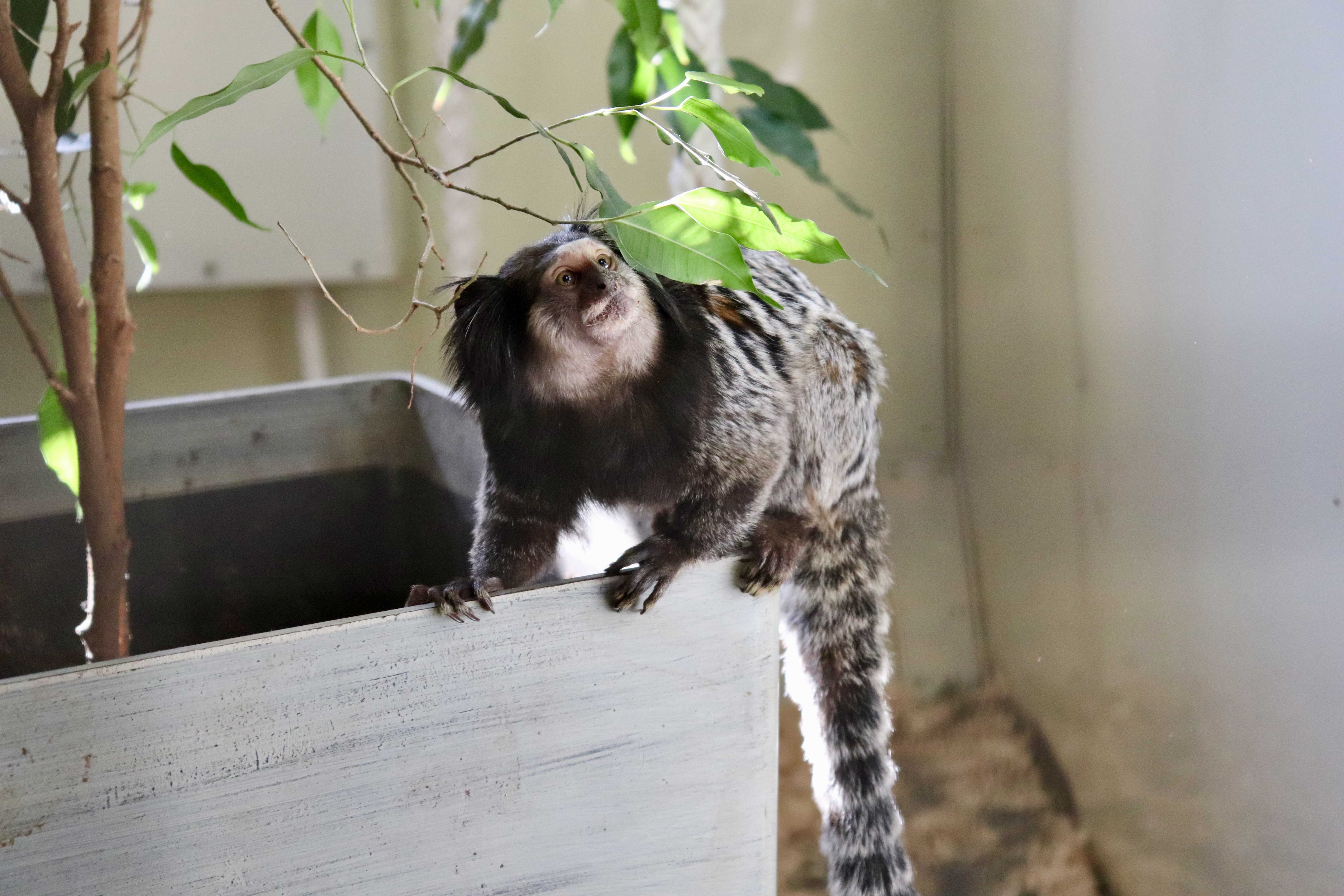
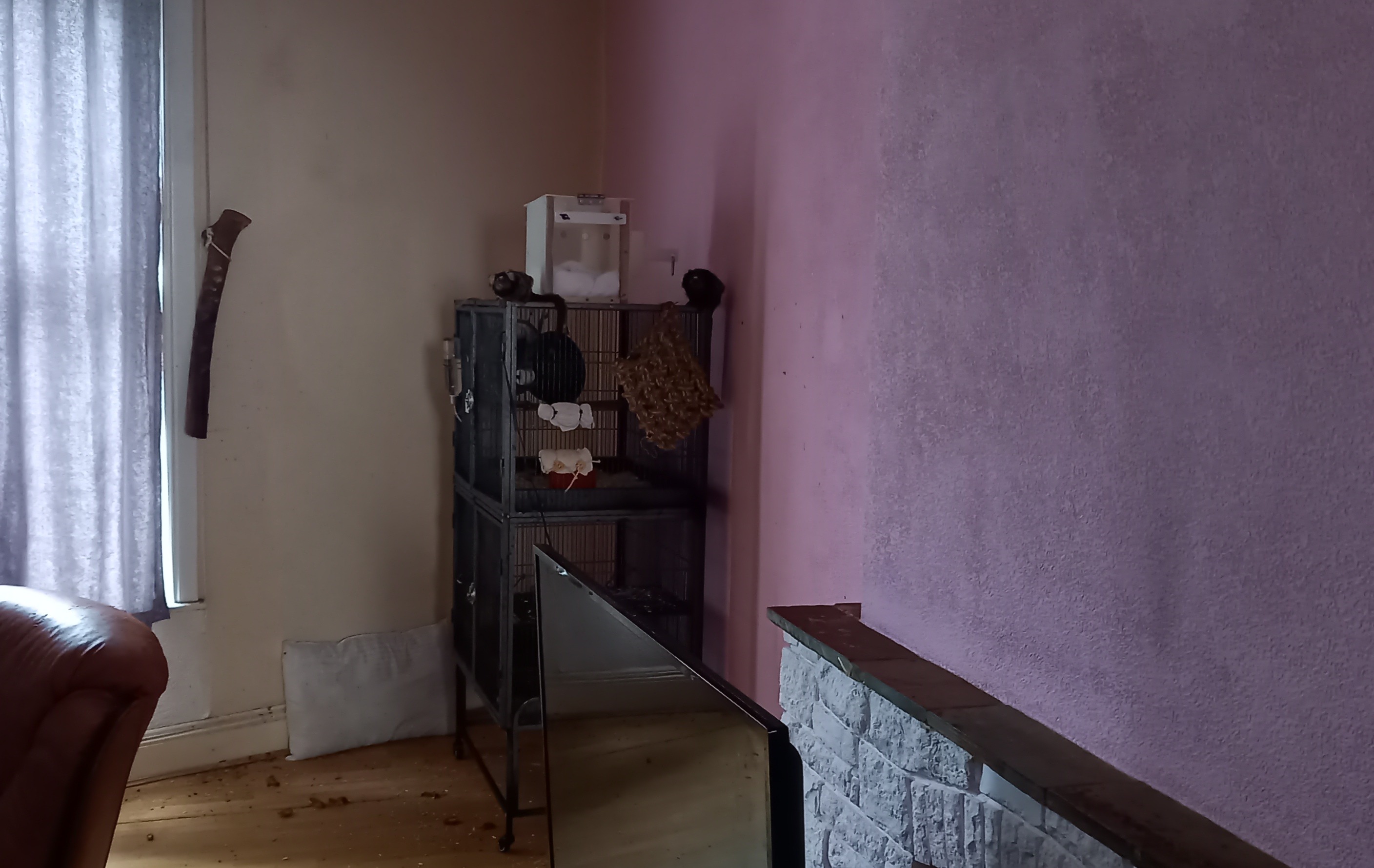
She said: “The majority of rescues that we do, they have come from extremely inappropriate conditions. We’ve rescued from garden sheds, from cages inside of homes, breeze block outbuildings, a whole host of different things, [with pets] being fed very human diets.”
Bobby and Apollo, two marmosets she has recently taken in, are a case in point. She said their previous owners had said they were suitably fed but then admitted: “If we’re in the room with them and we’re having a bit of jacket potato, then they’ll have a bit of the jacket potato and some cheese.
“And if the kids have got some crisps, they’ll eat the crisps. And sometimes if there’s some sweets around, we might give them a couple of sweets.”
Rescued primates can suffer from diabetes, arthritis, heart conditions and metabolic bone disease. Hanson said the lifelong psychological damage, sometimes resulting in pacing, over-grooming and even self-mutilation, meant some needed a lot of care.
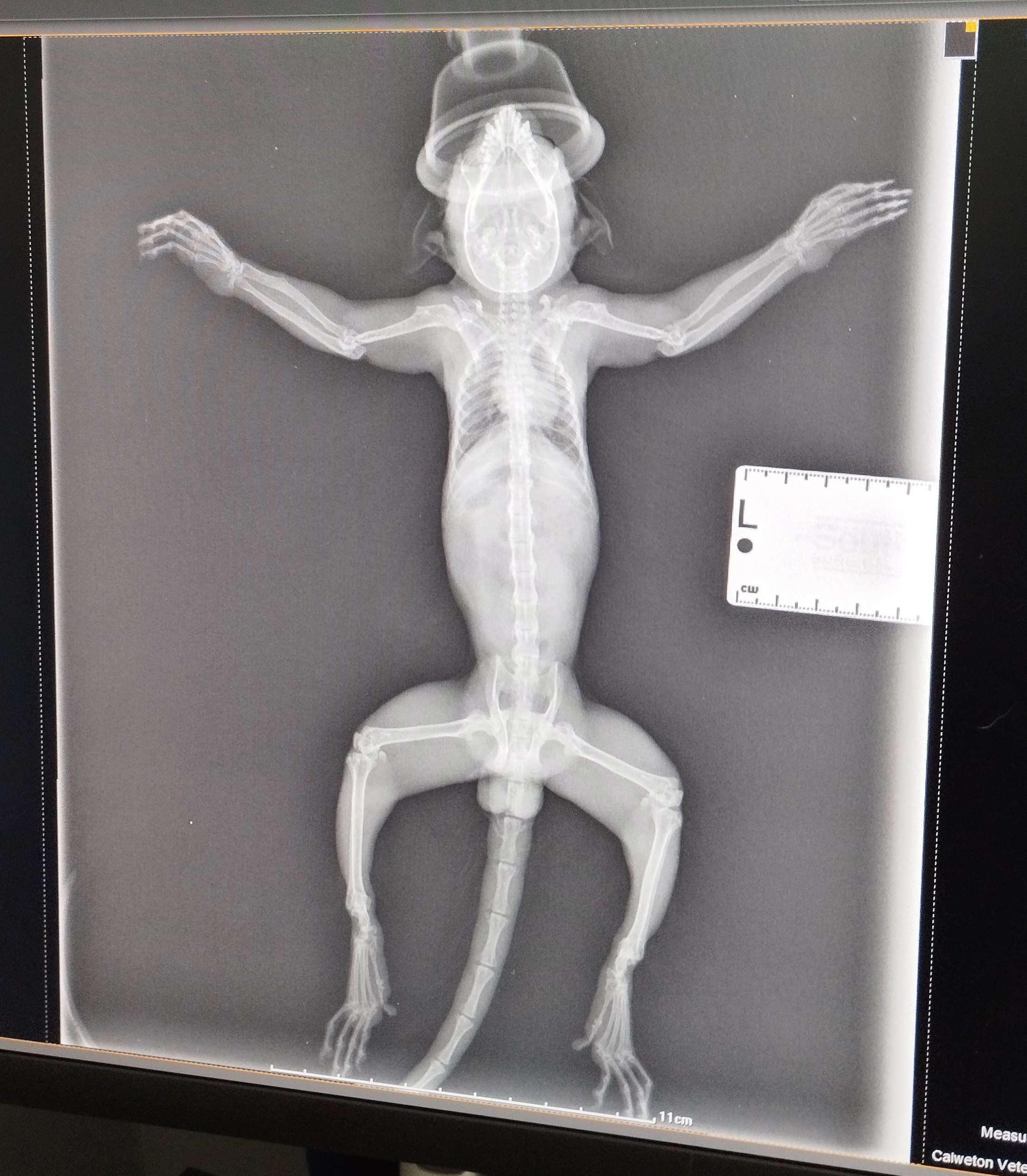
An x-ray of Bobby, who has bone disease
WILD FUTURES
• Britain’s own Tiger Kings keep thousands of exotic pets at home
However, there are hardly any places for pet primates to go. Hanson is aware of only two other sanctuaries, one private and one called Monkey World in Dorset. Her charity is facing serious financial challenges that have forced it to end visits from the public. It has now put its site up for sale in the hope a buyer will lease it back at a peppercorn rent.
Born Free wants the government to raise awareness of the new standards and to consider funding additional sanctuary space.
The Local Government Association said: “It is essential that the new licensing process for keeping primates is fully funded and that councils are supported to implement it.”
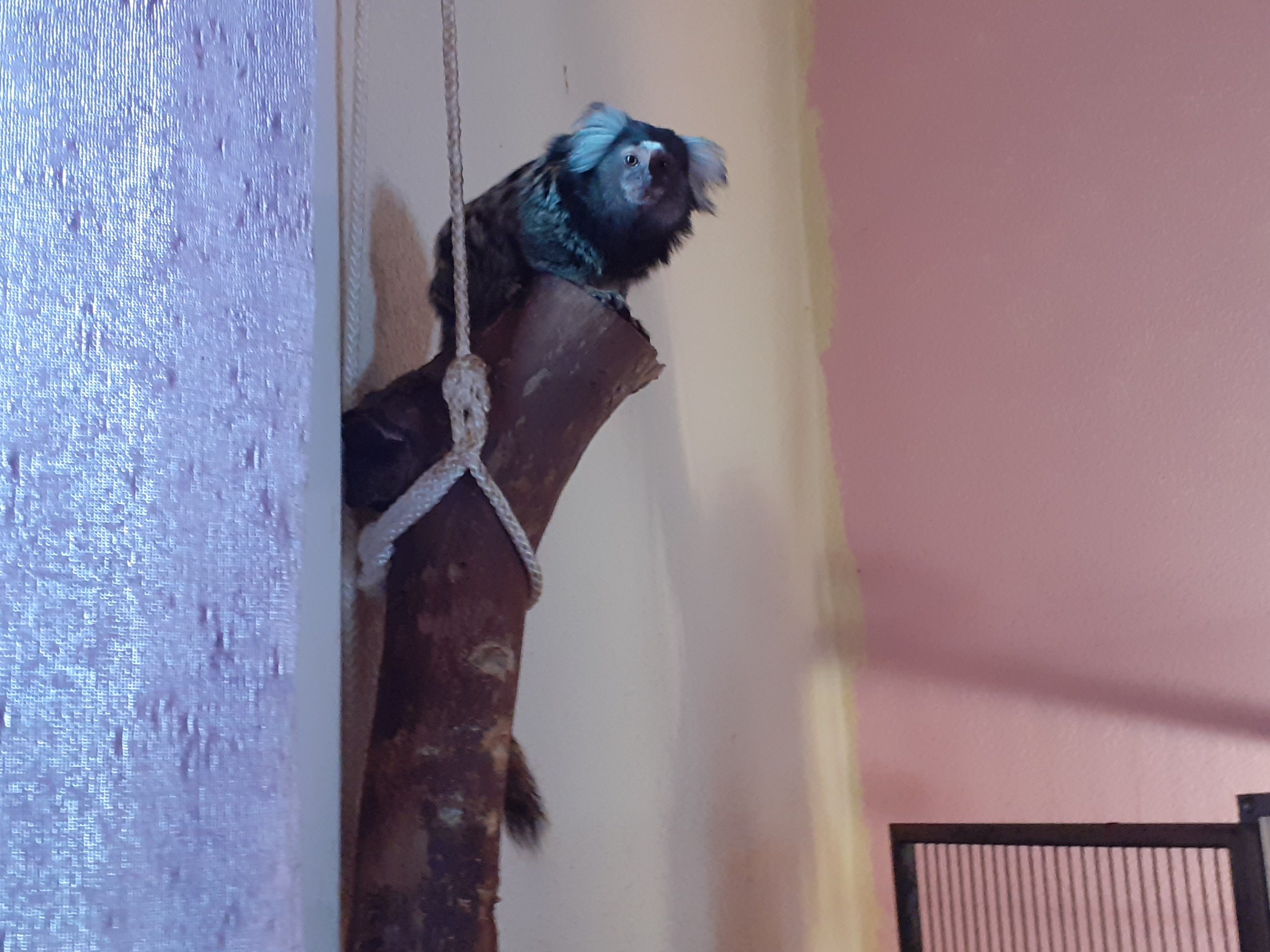
Bobby in his old home
WILD FUTURES
The Department for Environment, Food and Rural Affairs said: “Primates are highly intelligent and complex animals, and new laws mean that, where they are kept by private keepers, they must be provided with zoo-level welfare standards.
“We urge private keepers to make sure they are licensed and complying with these high welfare standards, and we are working with local authorities on how to enforce the new licensing scheme.”