

Listen to this article
Estimated 4 minutes
The audio version of this article is generated by AI-based technology. Mispronunciations can occur. We are working with our partners to continually review and improve the results.
In the summer of 1996, a baby-faced 20-year-old from Sudbury named Phil Boudreault of found himself on national television.
He seemed shy and nervous telling a CBC journalist about his upset victory in the boxing tournament at the Atlanta Olympics.
“This morning I ate breakfast and I puked my guts out,” he said, before saying hello to his family back home, including his young daughter.
“It’s a lot of pressure for a 20-year-old to handle, but I think I handled it well.”
Boudreault became a fan favourite across Canada during the Olympics, but his moment in the sun was short-lived.
He spent the next 30 years in the world of outlaw motorcycle gangs, including several convictions for violent assaults, before dying recently at the age of 50.
“He made his own path,” said his former coach Gord Appoloni, from Sudbury’s Top Glove Boxing Academy.
“Once he left the gym, he was out of my hands.”
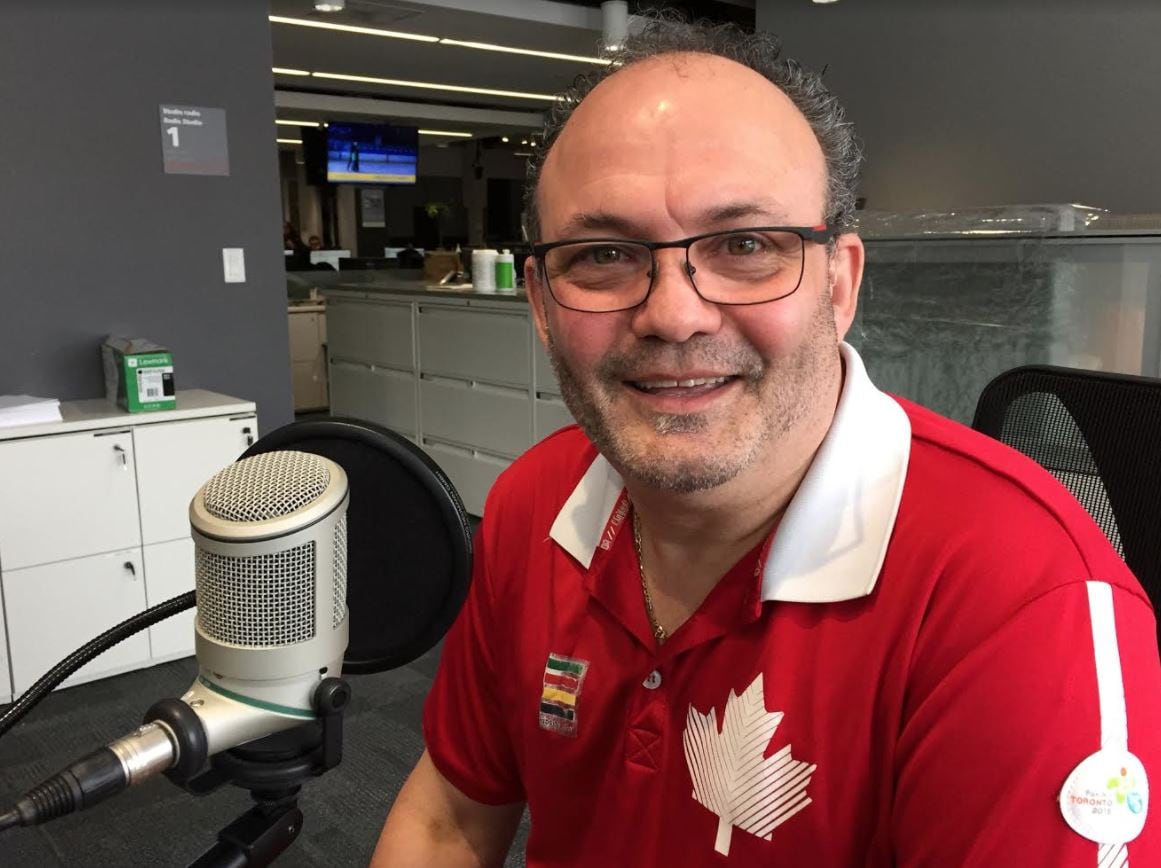 Gord Apolloni has been coaching boxing since 1990. (Markus Schwabe/CBC)
Appoloni, who was also coach of Canada’s national boxing team between 1992 and 1997, said he coached Boudrault from a young age and wishes he had more fighters like him.
“He was a role model right from day one. He brought everyone else up to his level,” Appoloni said.
“He didn’t care about his opponent. He just wanted to beat him.”
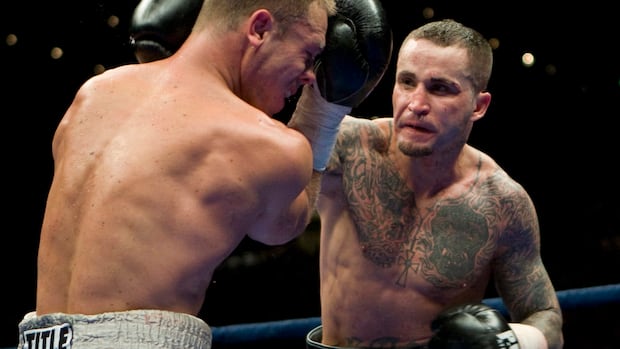
The welterweight represented Canada at the Pan-Am Games in 1995, reaching the quarterfinals and then prepared for the 1996 Olympic games in Atlanta.
Appoloni remembers a day in the gym when Boudreault and his sparing partner were avoiding hitting each other too hard and then revealed that they had brand-new tattoos on their abdomens.
Boudreault’s read: “Crazy.”
“The media just ate that up. It was all over the papers in Atlanta,” Appoloni remembered.
“And I think he liked the attention.”
In a close decision, Boudreault lost to Russia’s Eduard Zahkharov, leaving him just short of the Olympic podium
“I thought I won it,” he told CBC at the time.
“But he’s a good fighter and I wish him the best.”
“Boxing was good to him,” Appoloni said.
“Even though he felt he got a raw deal in his last fight at the Olympics, he came out of those games as a warrior. Everyone knew who Phil Boudreault was,”
The coach hoped that would be the start of a long career for his young fighter, but Appoloni said Boudreault was already involved with the Hells Angels at that point.
“He made up his mind prior to the Olympics. We had to have a conversation about limiting his involvement because that could have ruined his chances of going,” he said.
“We never spoke about that at all.”
Boudreault would rise in the ranks of the biker gangs, to be a leader in the Ottawa area. He was convicted of a violent assault in a Sudbury bar in 2004 and later convicted of uttering death threats to police officers during his trial for that assault.
He was shot in 2016 and confined to a wheelchair from then on. Appoloni said when he last saw Boudreault in October, he had lost a leg.
The coach said he texted his former prize pupil a week before his death, pointing out that there was now competitive paraboxing in Canada.
“He did an LOL on it,” Appoloni said.
LISTEN | Remembering Phil Boudreault:
Morning North7:03Former Sudbury boxer Phil Boudreault dies at age 50
We look back on the life of Phil Boudreault, a Sudbury boxer who was briefly an Olympic hero but later became an infamous criminal involved in biker gangs.